
The Album
A visual journey through generations of life, agriculture, and growth in Fasayel.
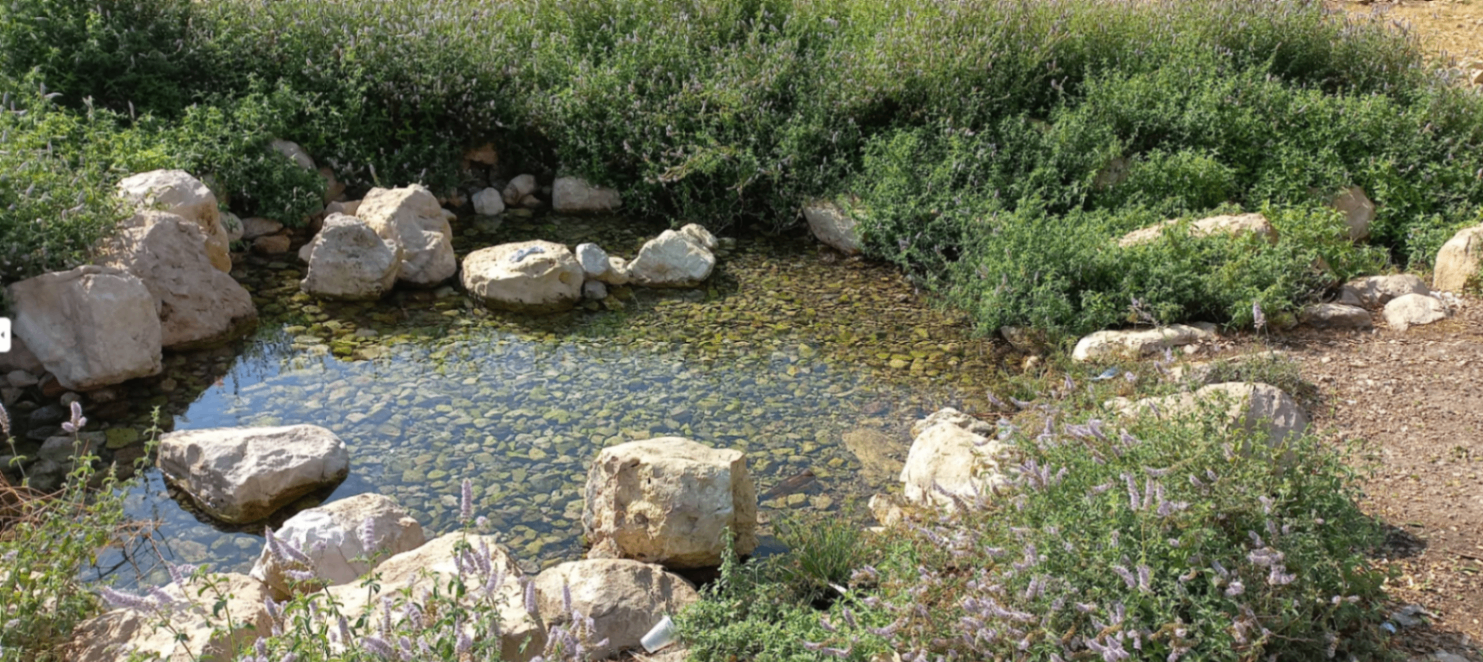
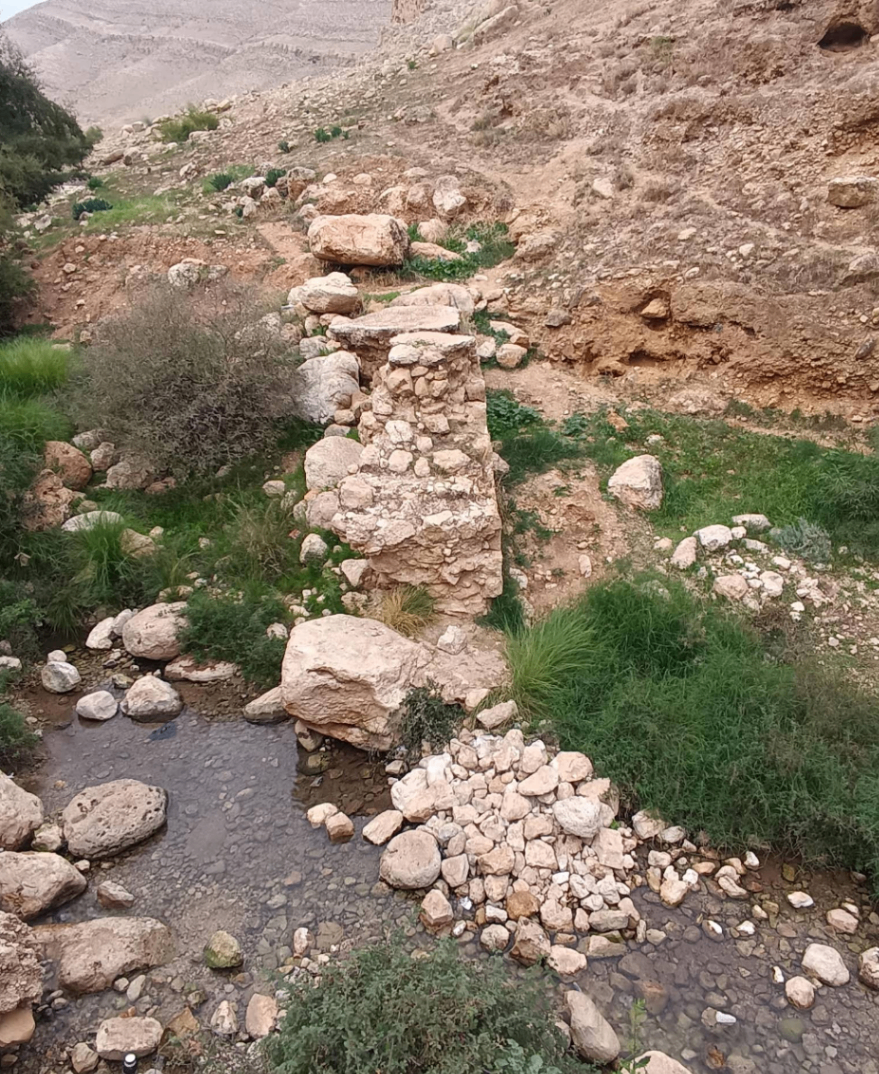
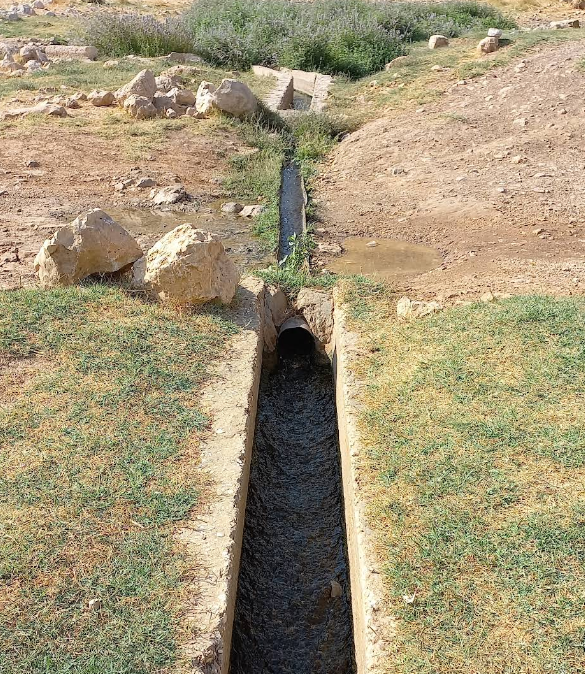
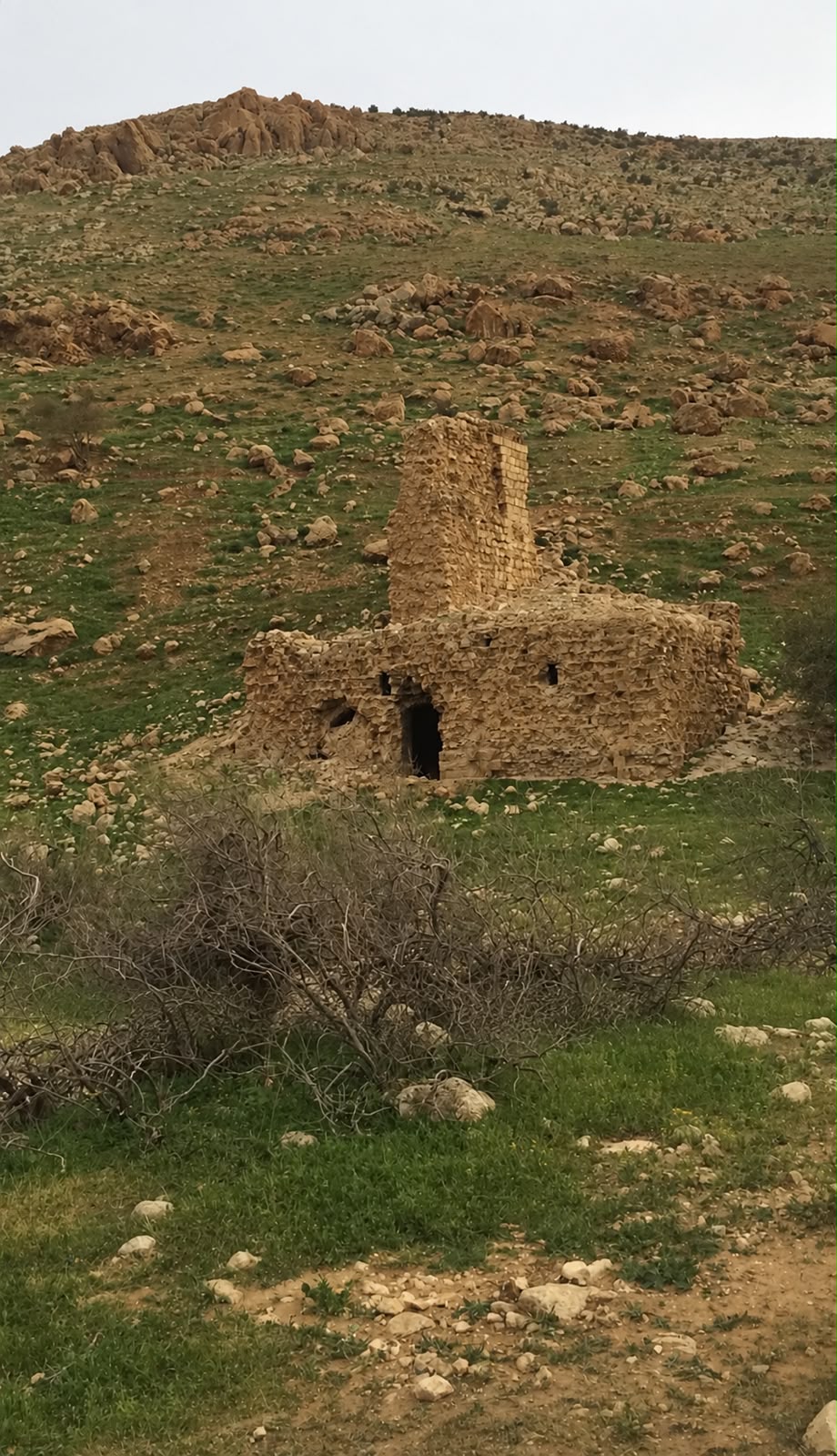
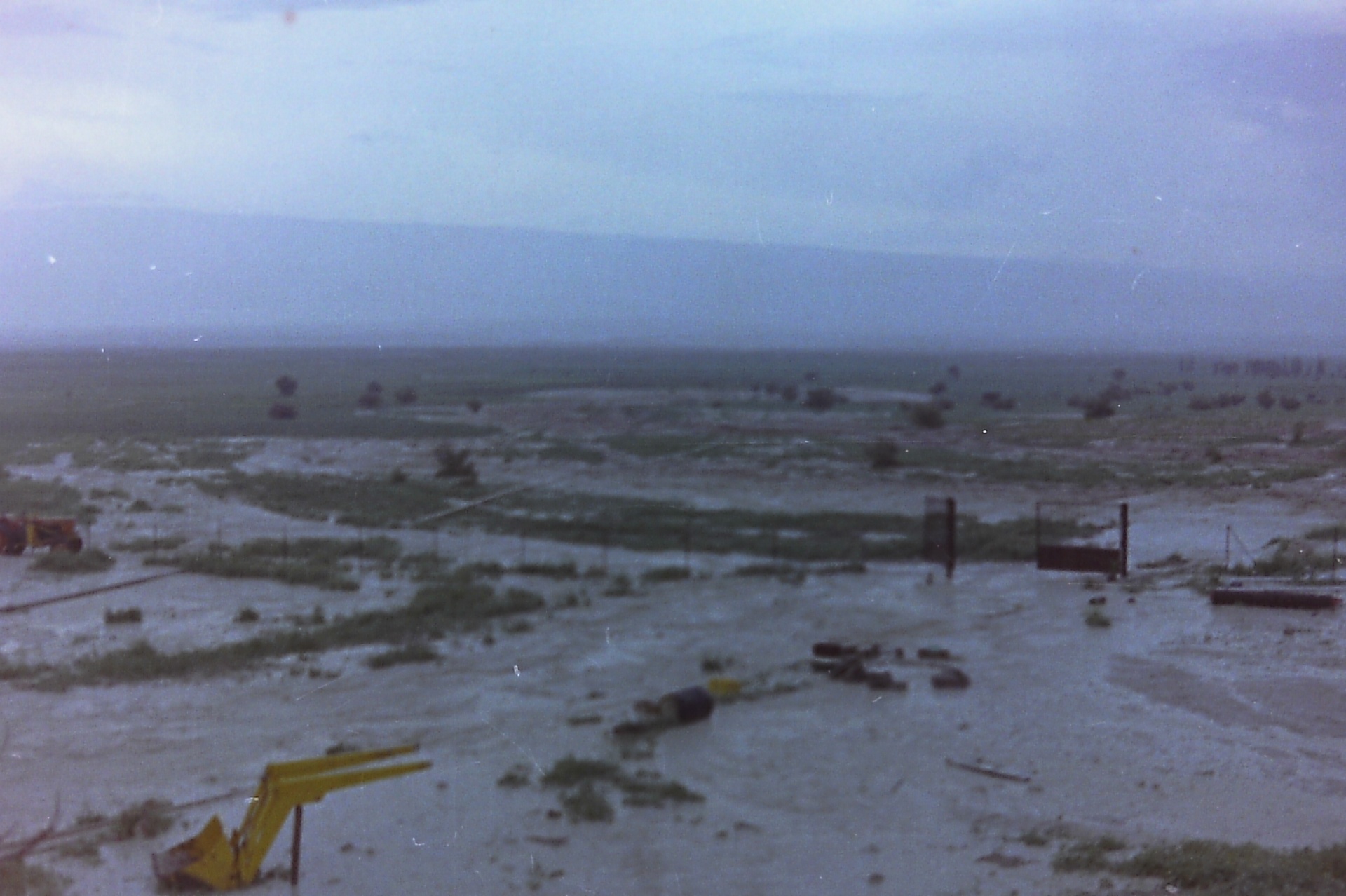
The Ancient Roman Pool Discovery
Eight metres of soil. One extraordinary discovery.
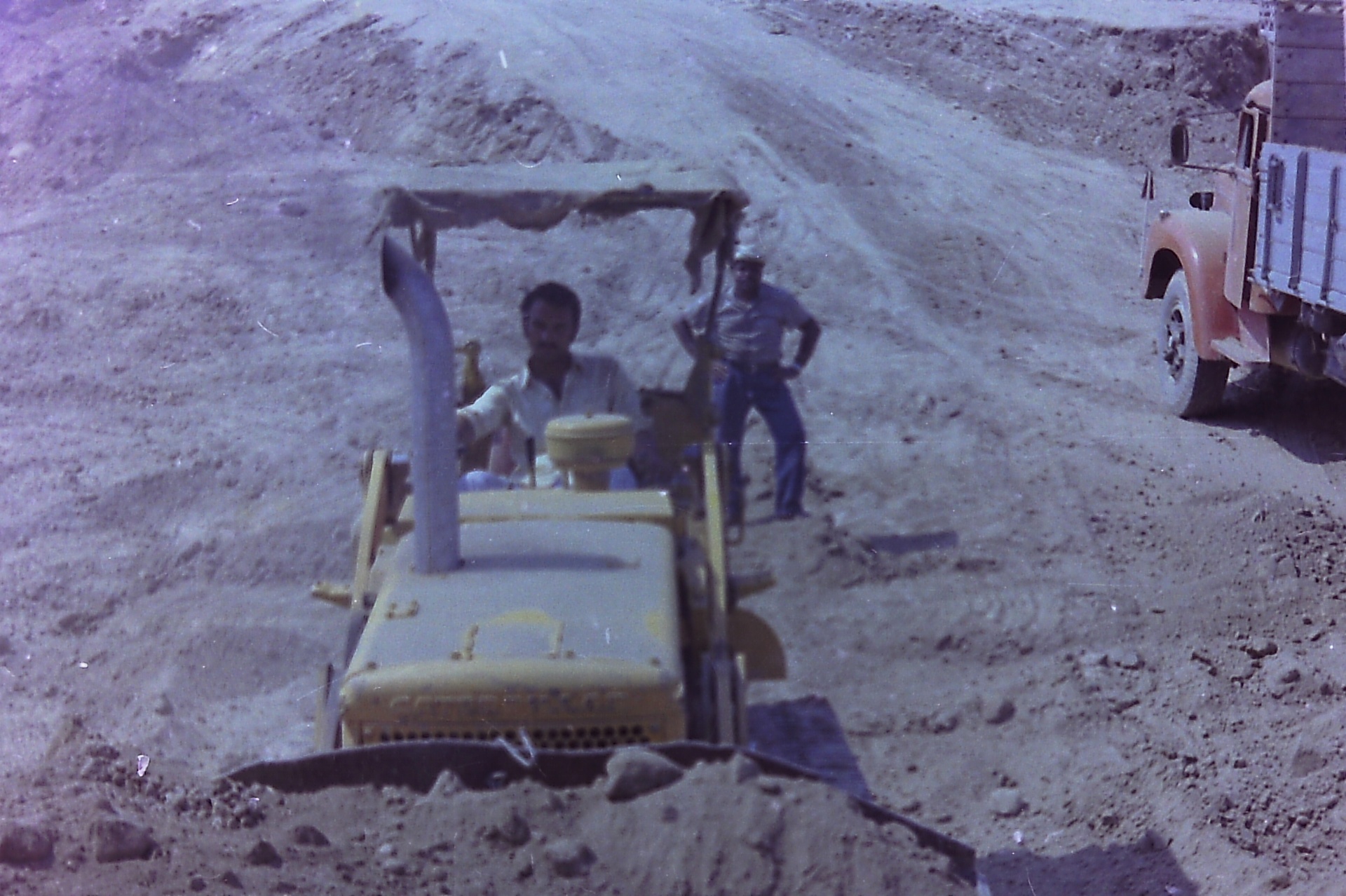
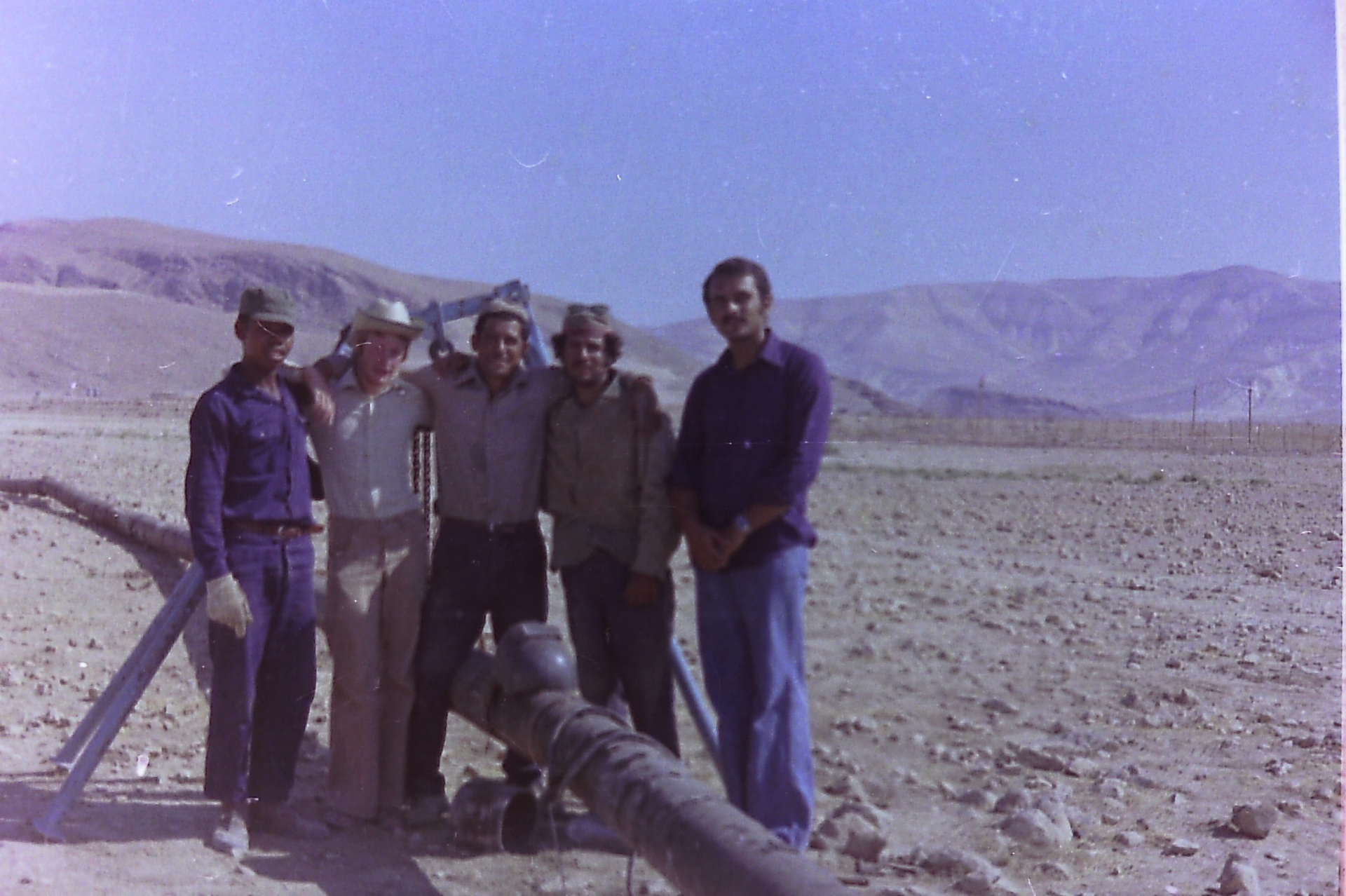
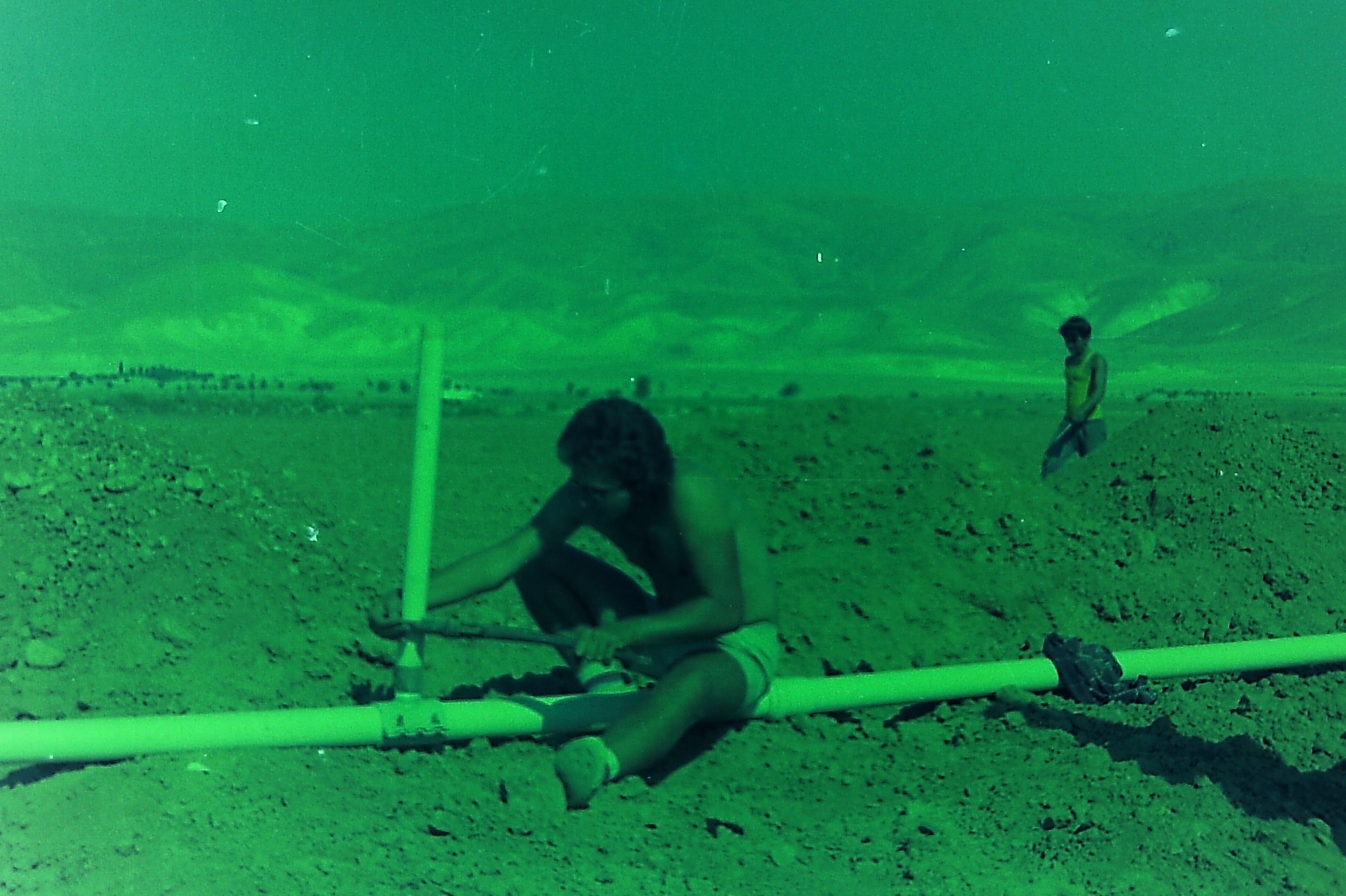
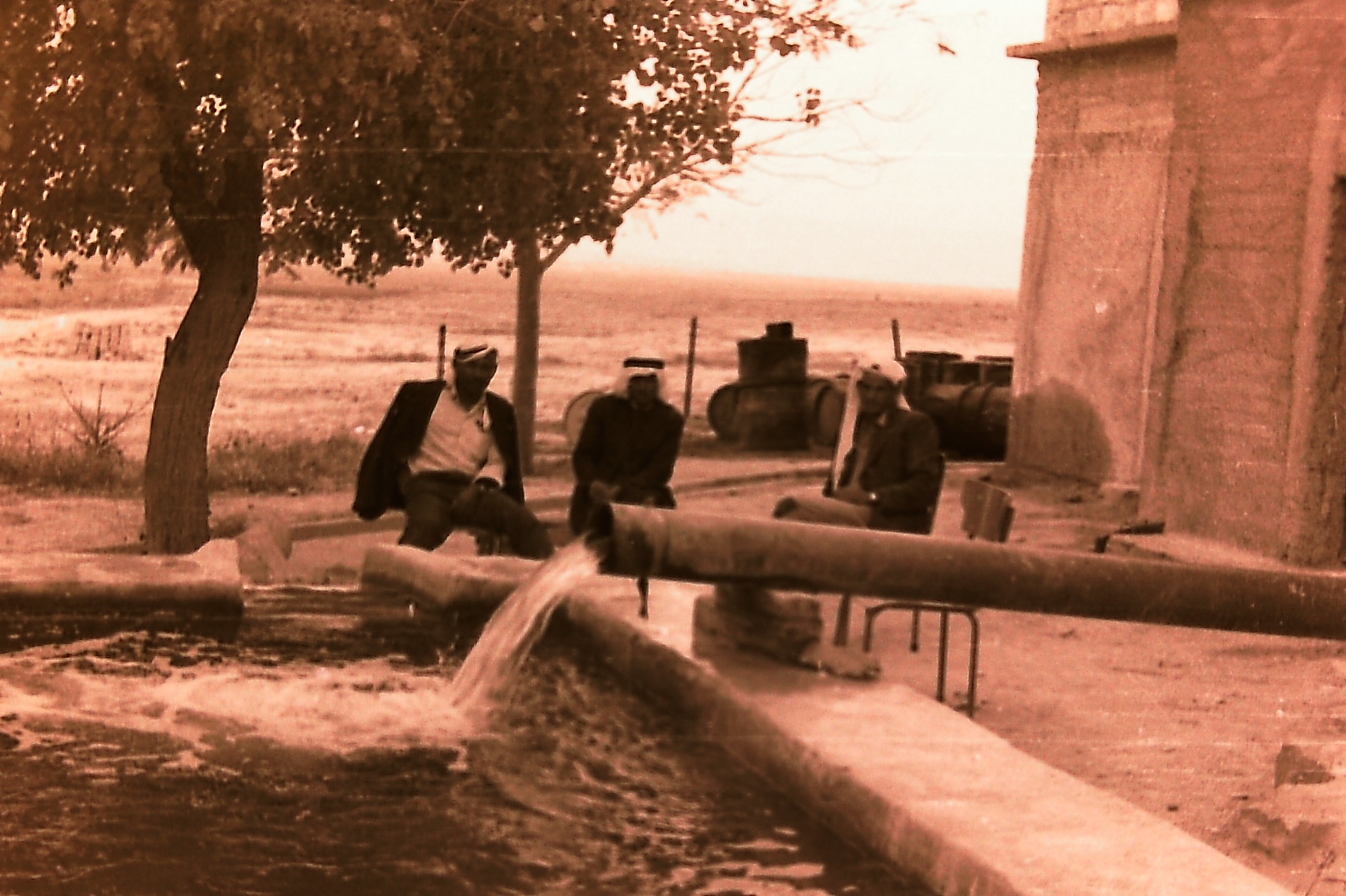
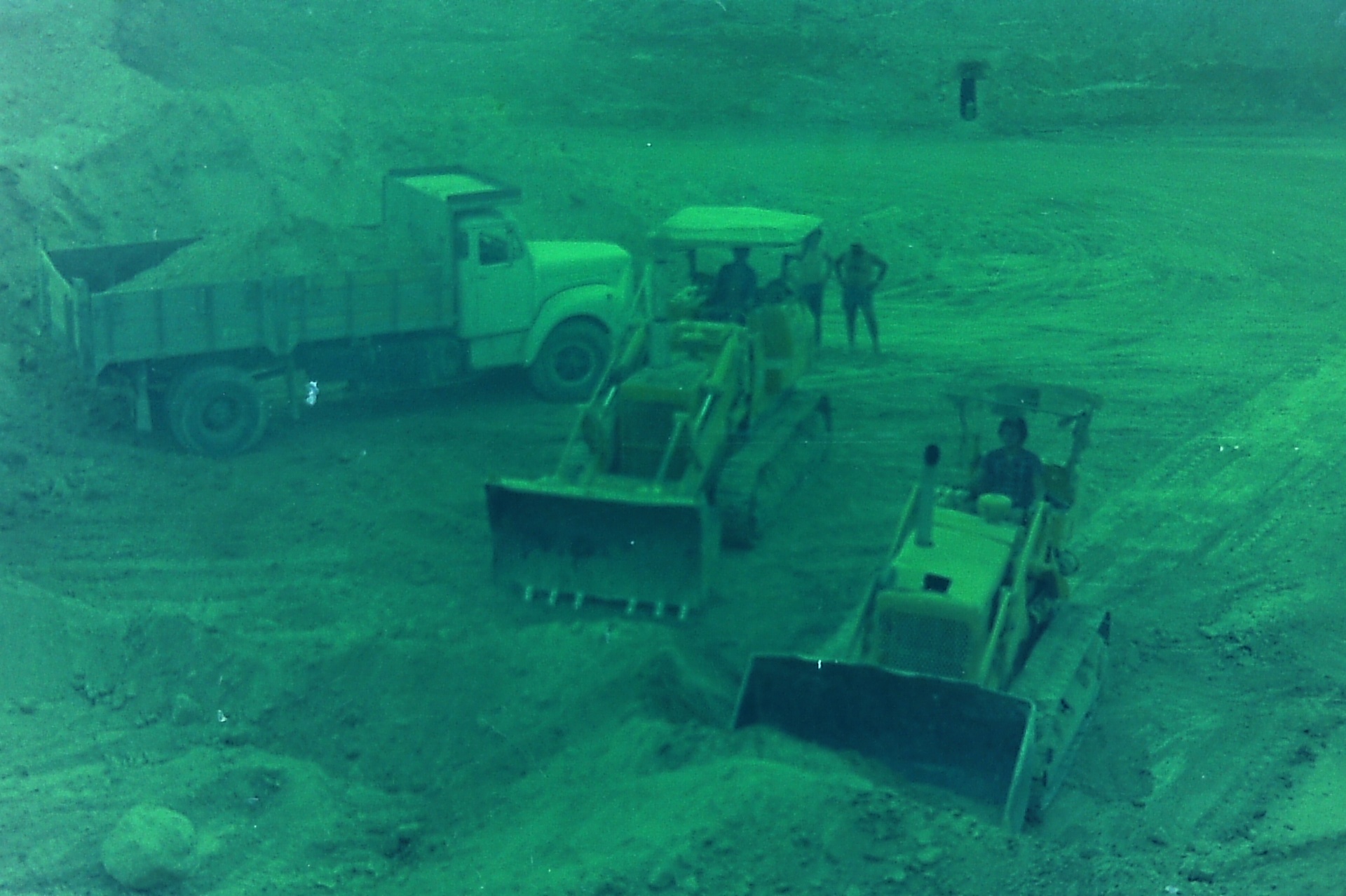
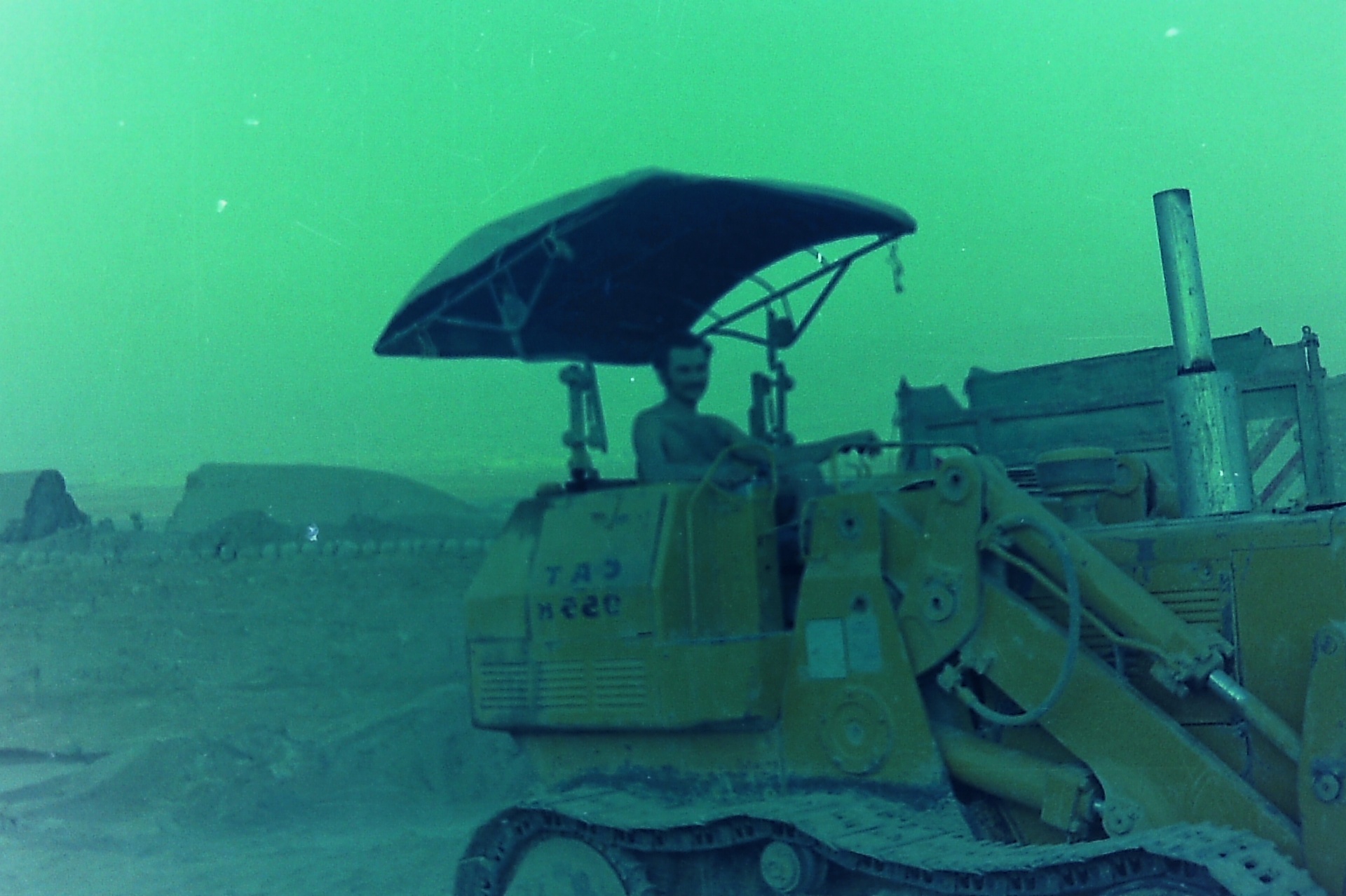
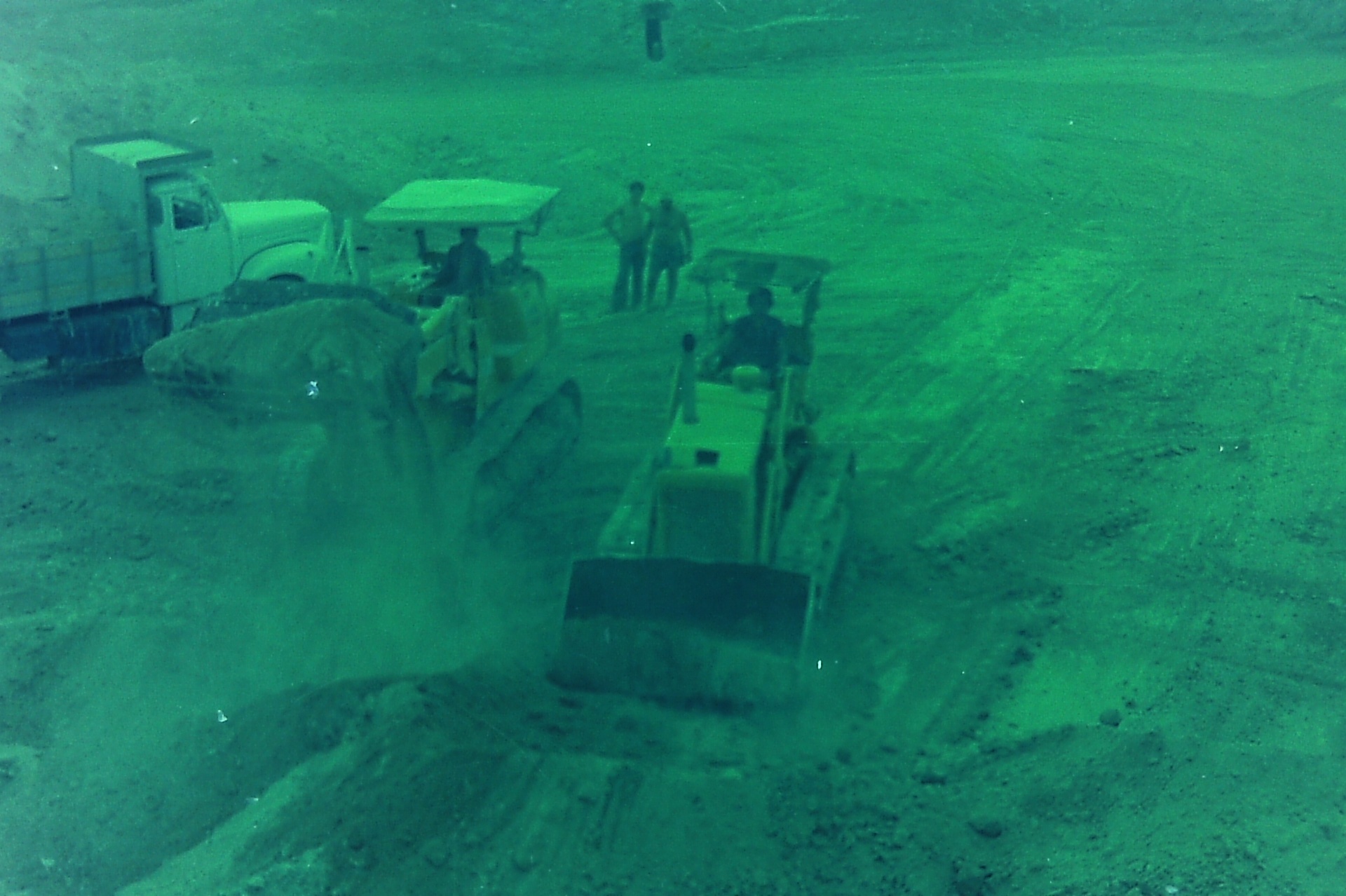
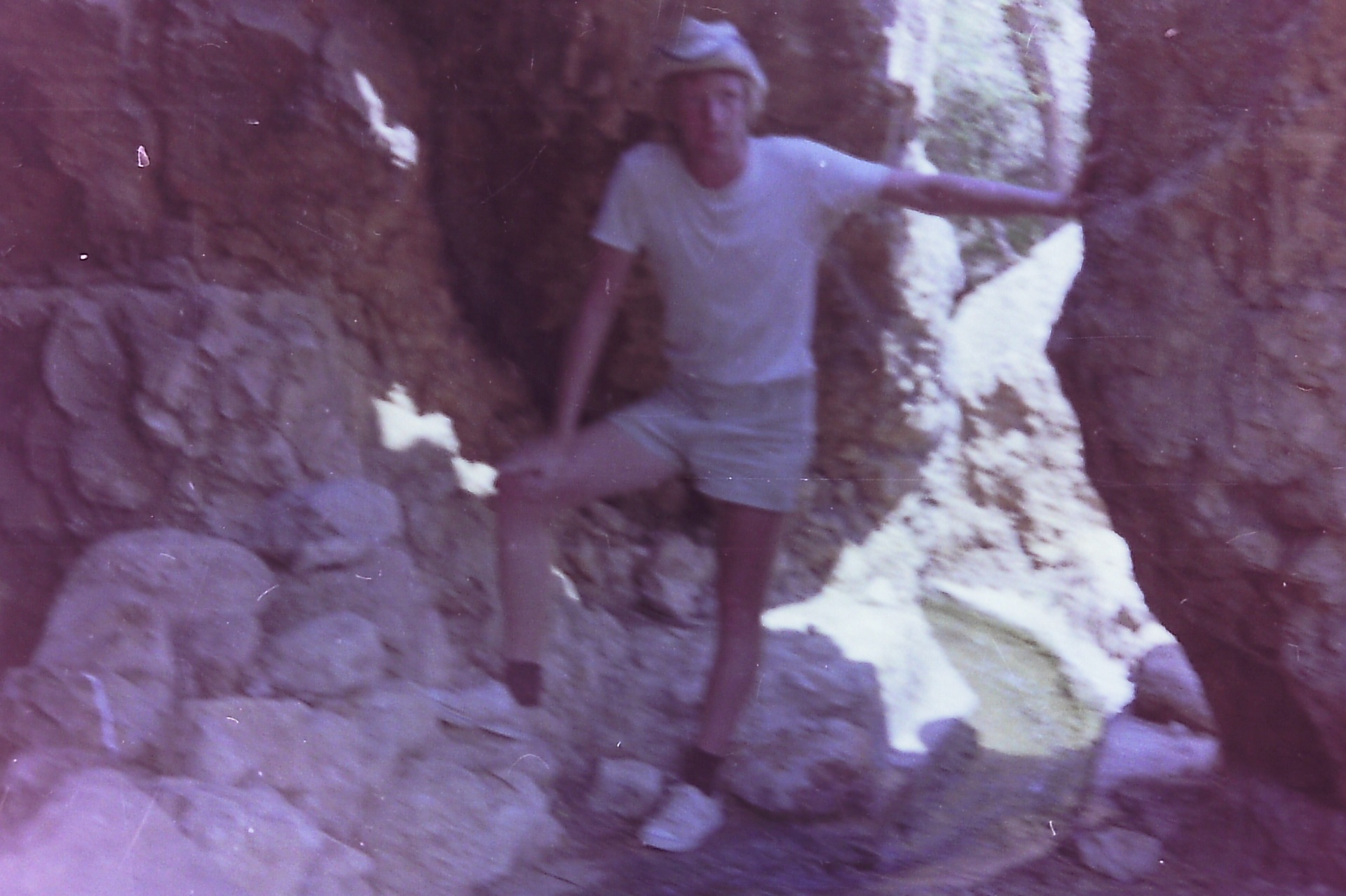
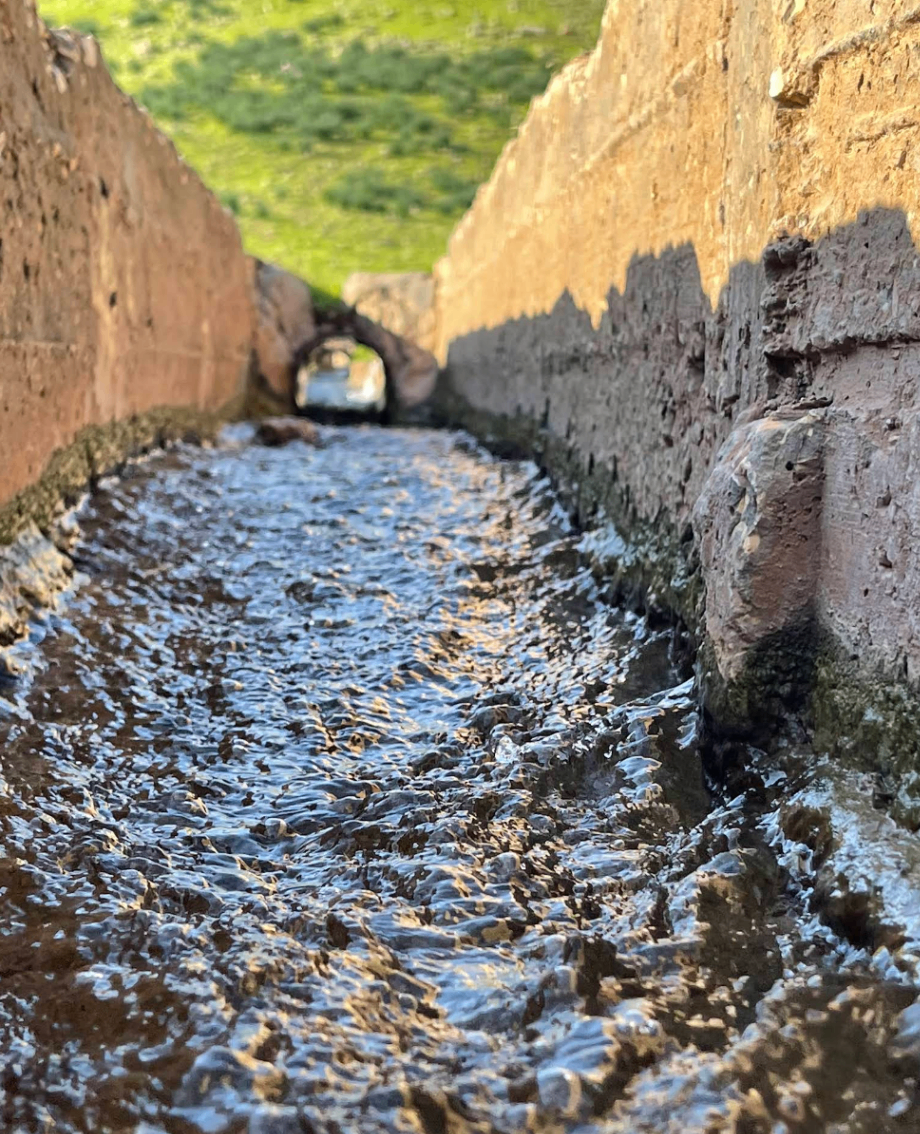
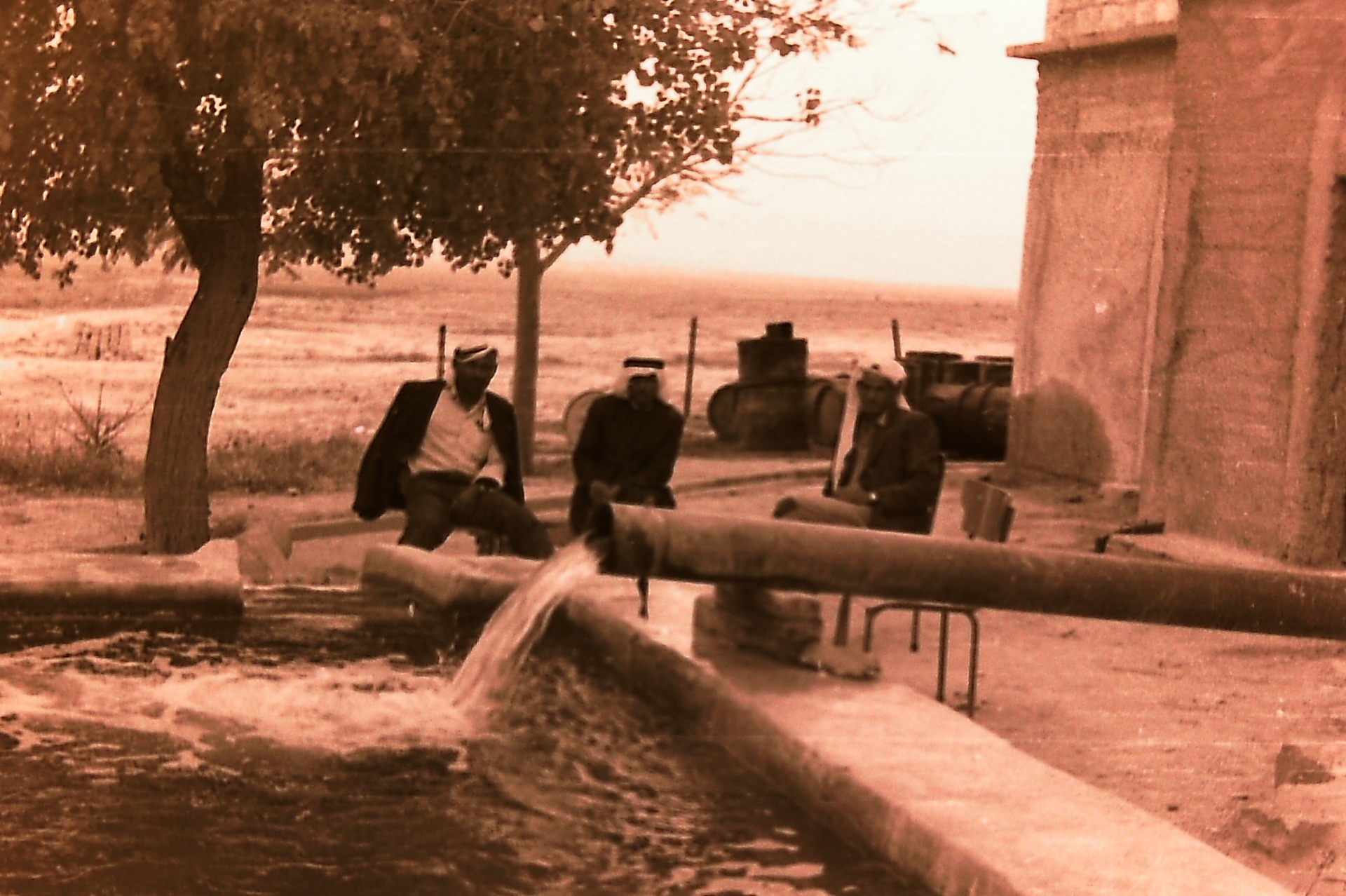
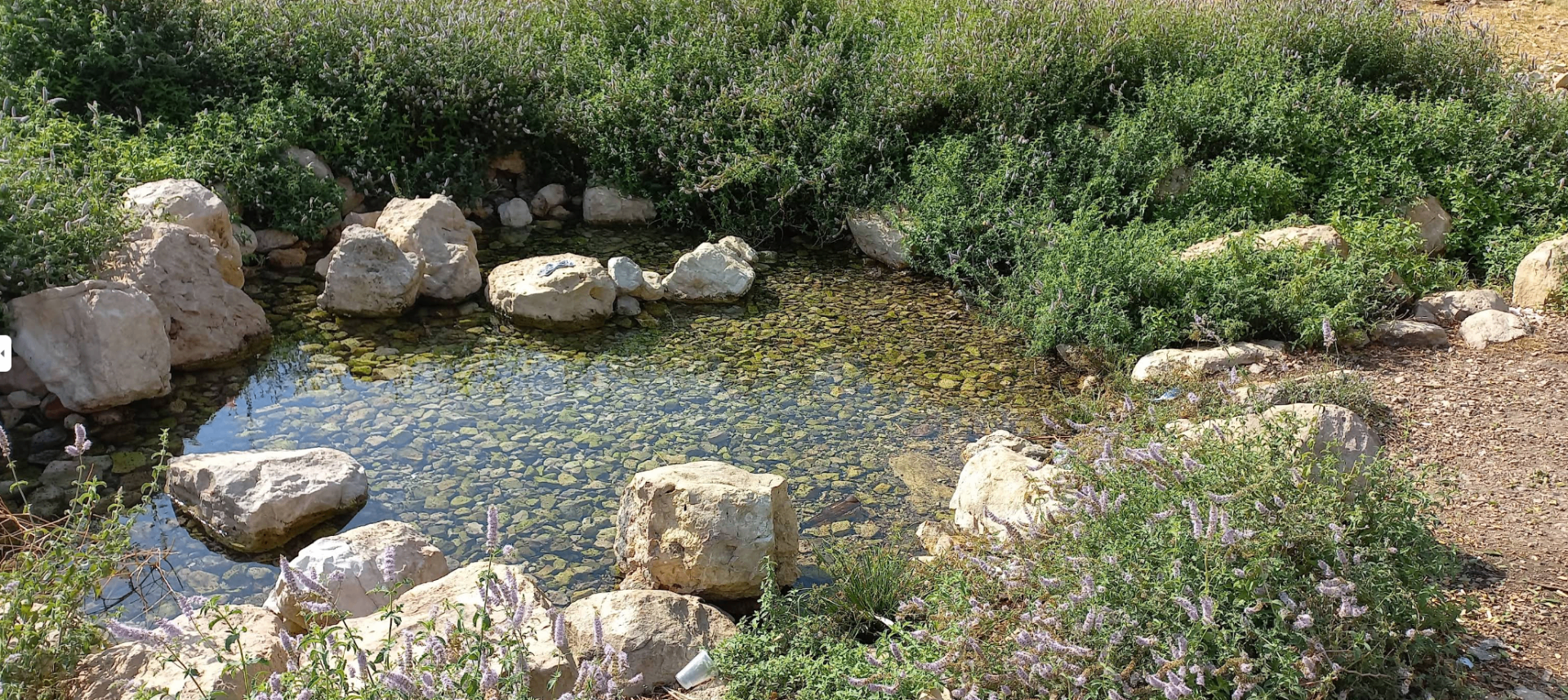
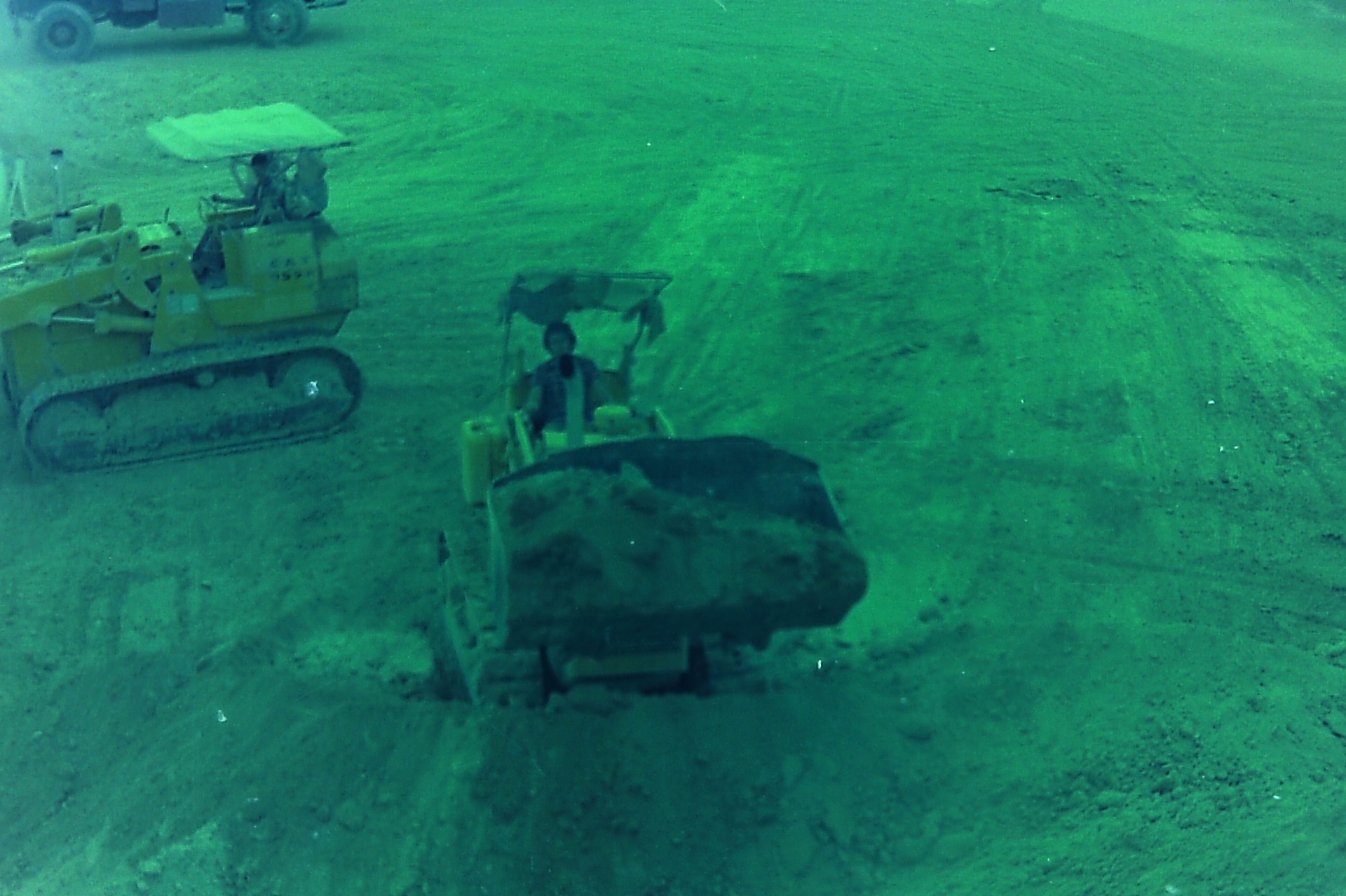
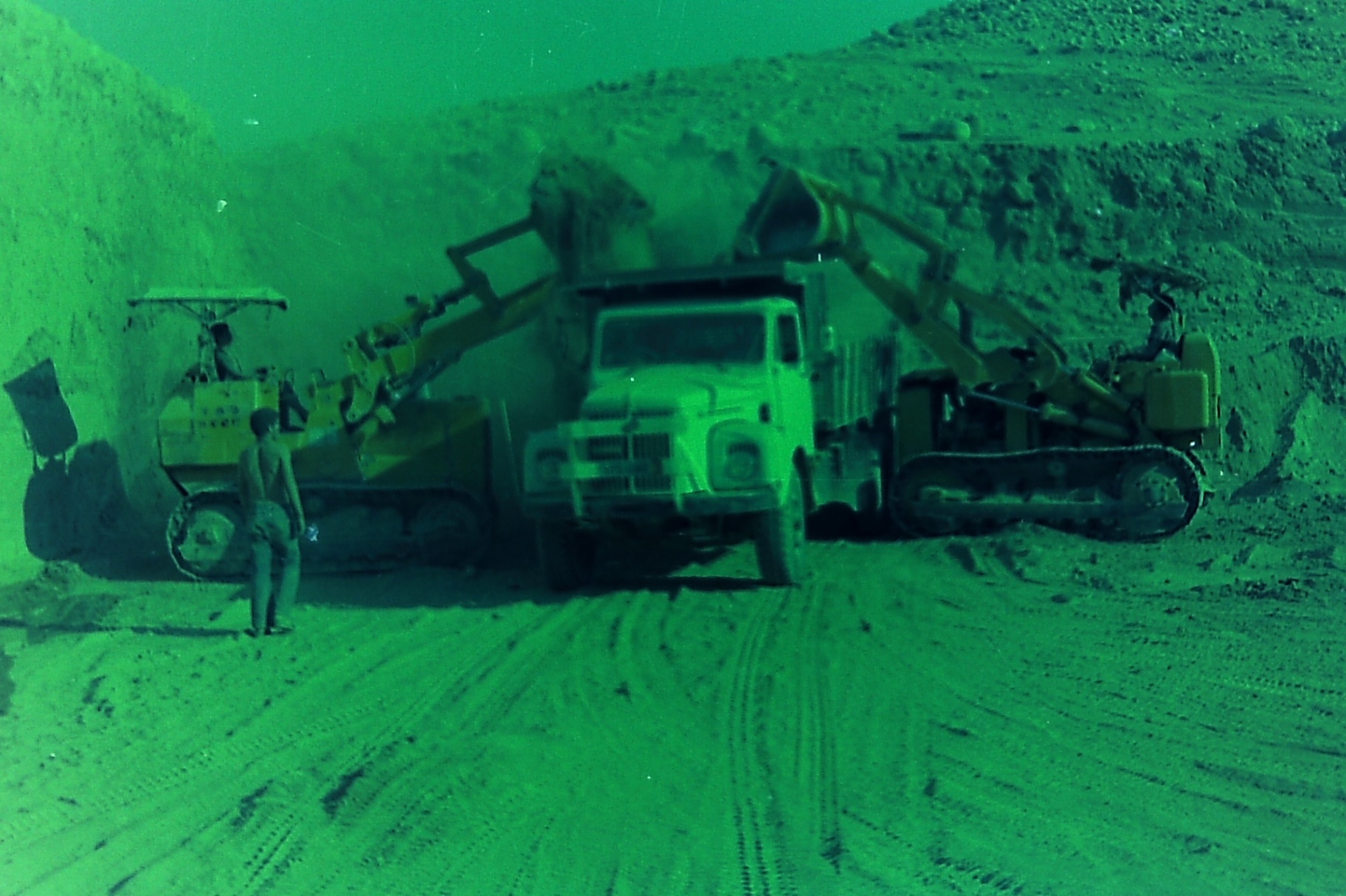
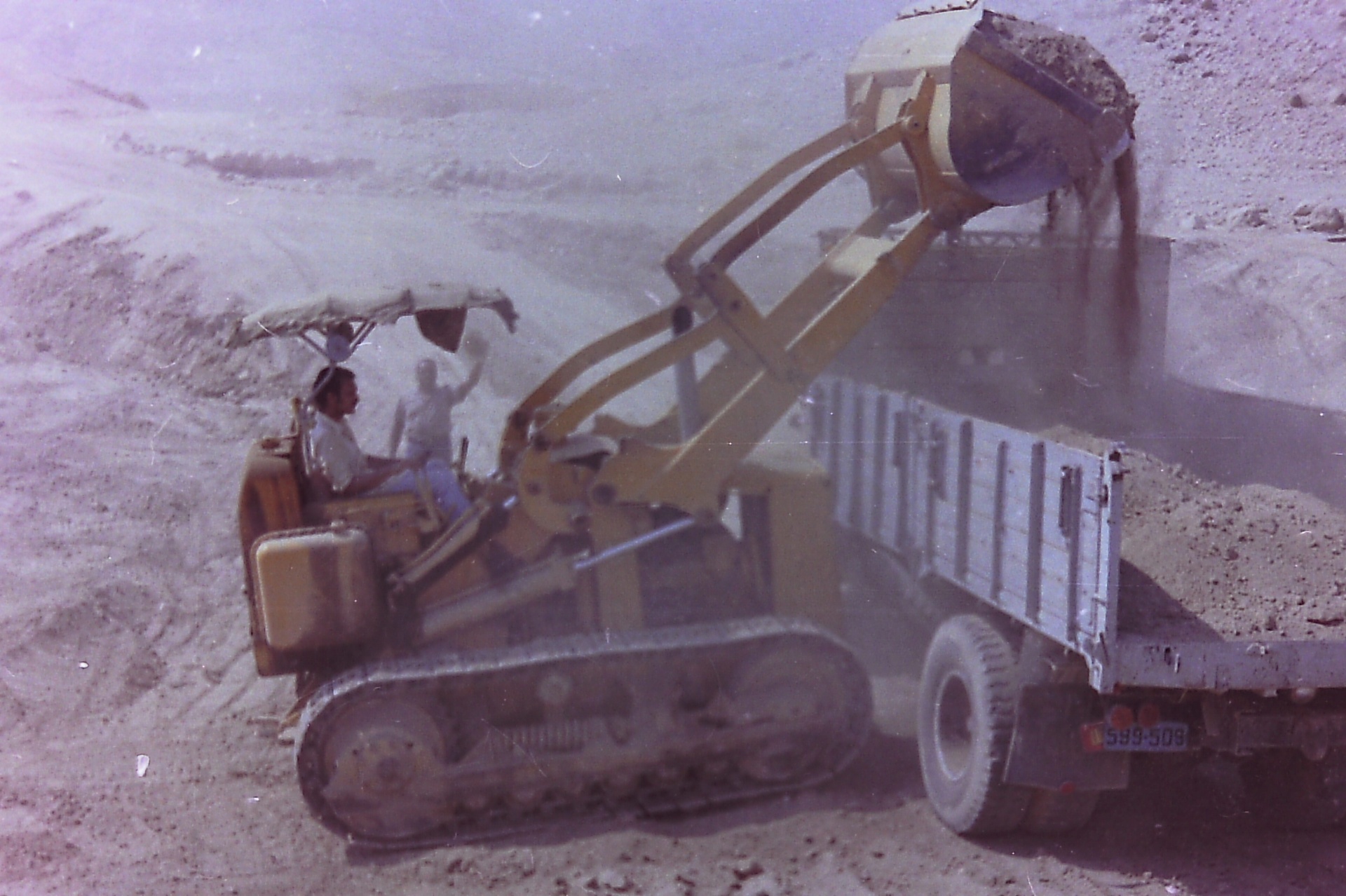
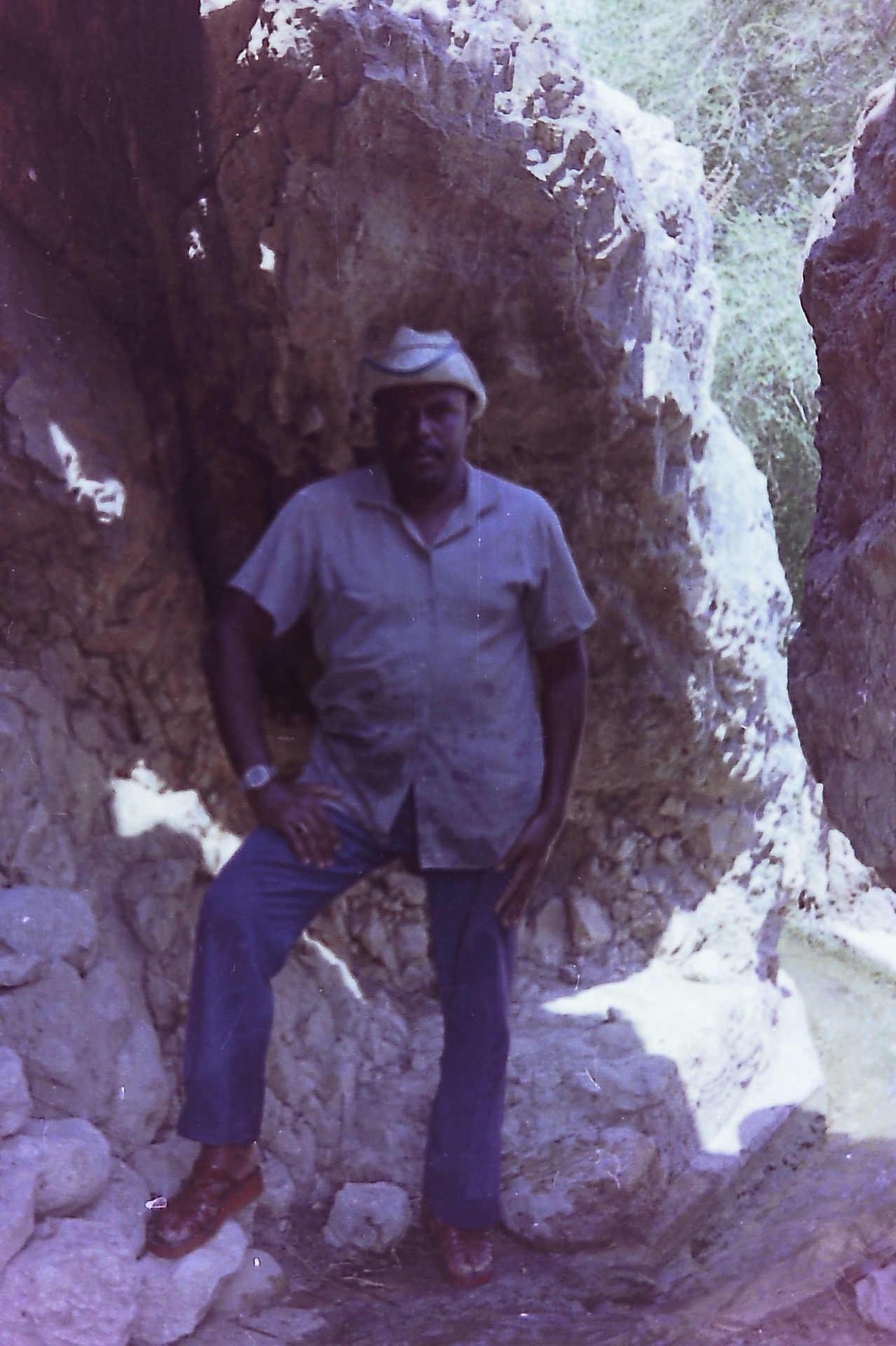
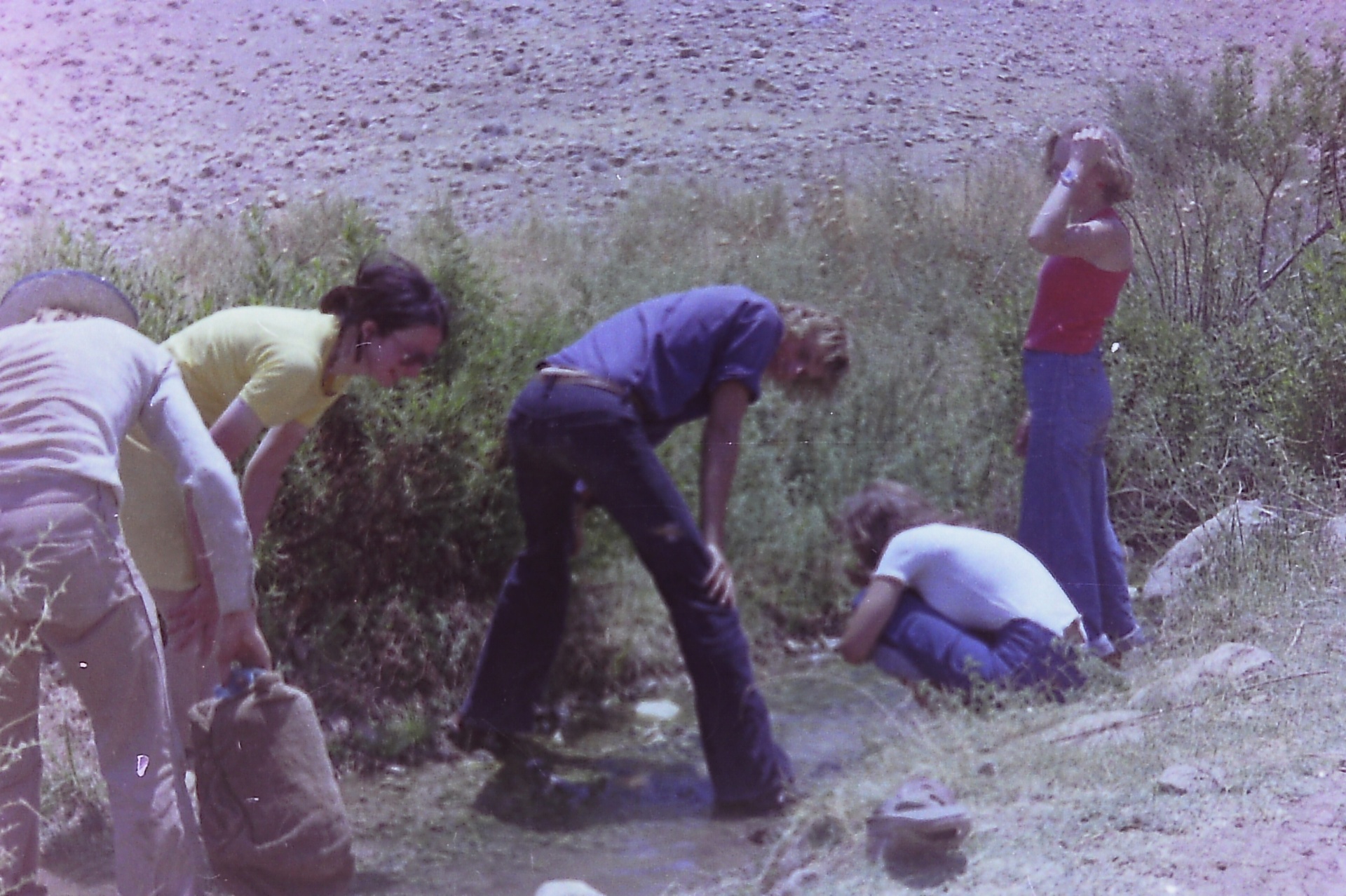
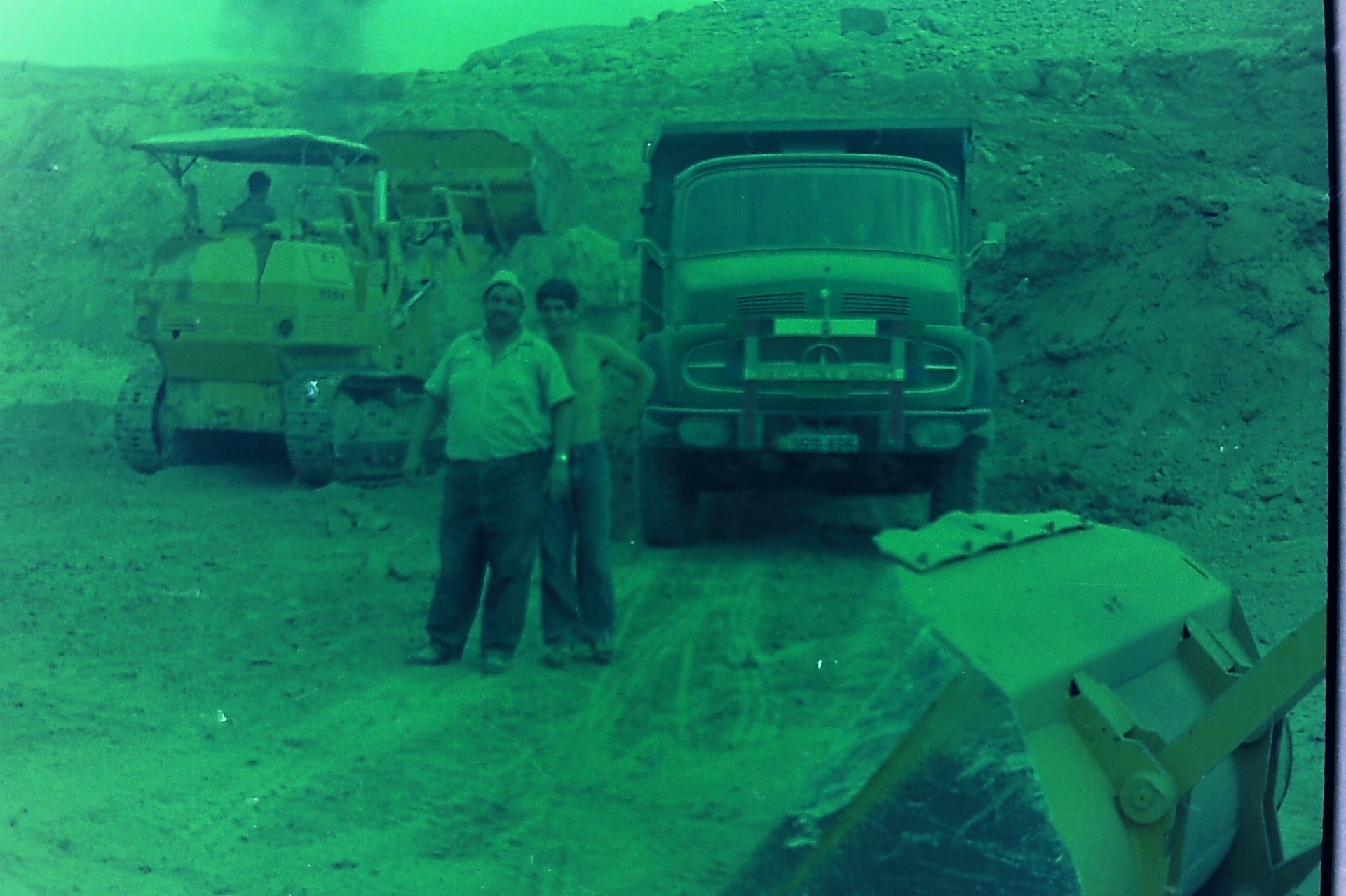
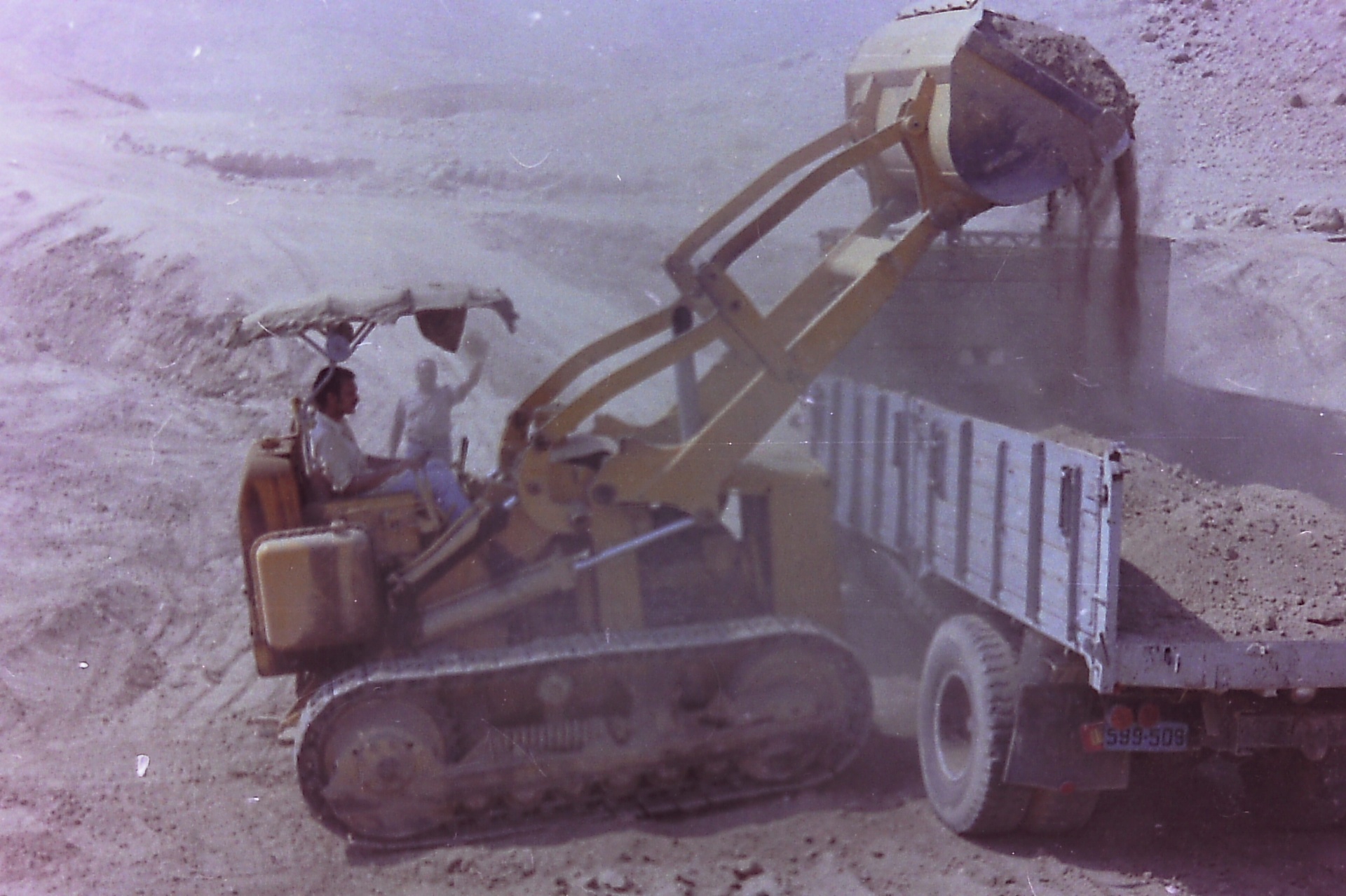
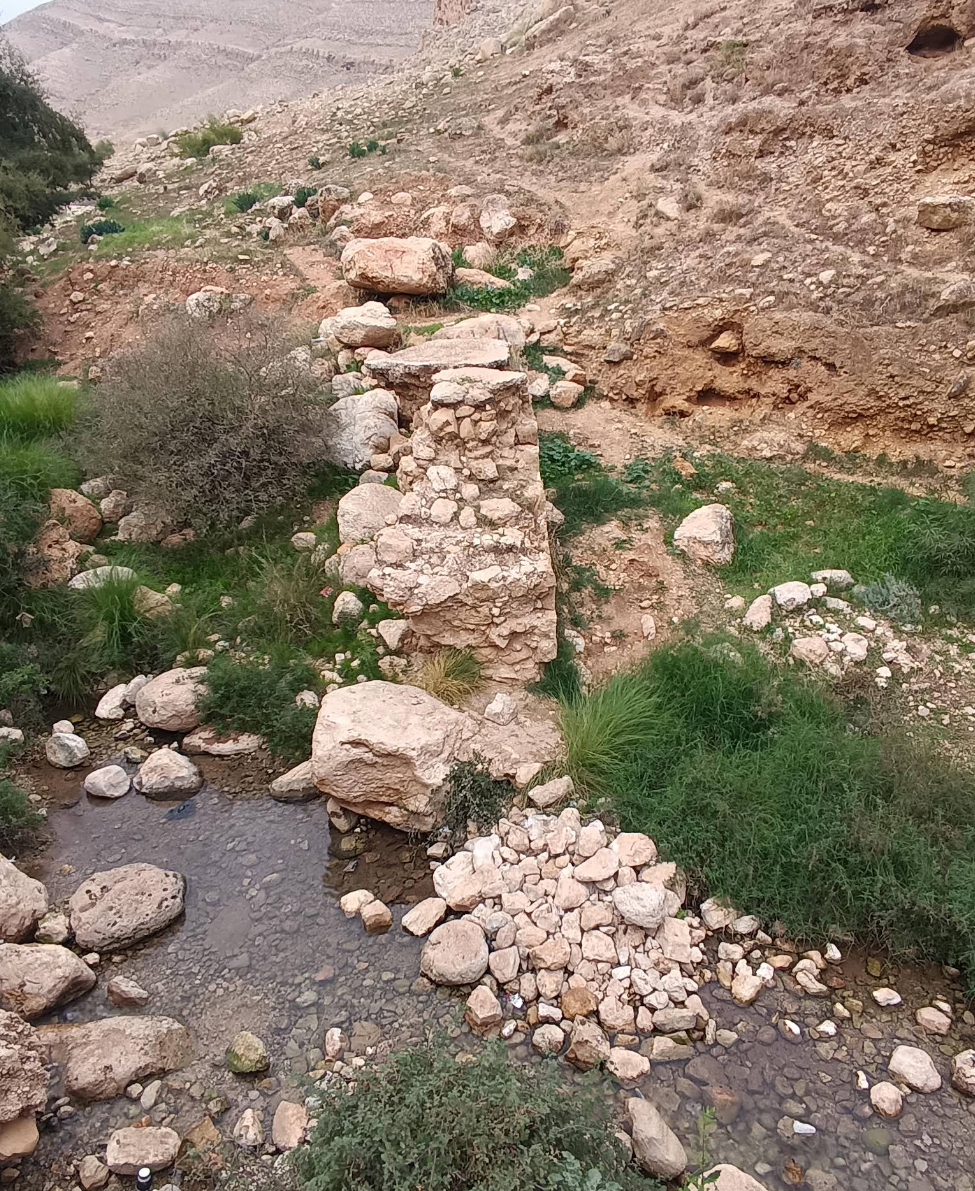
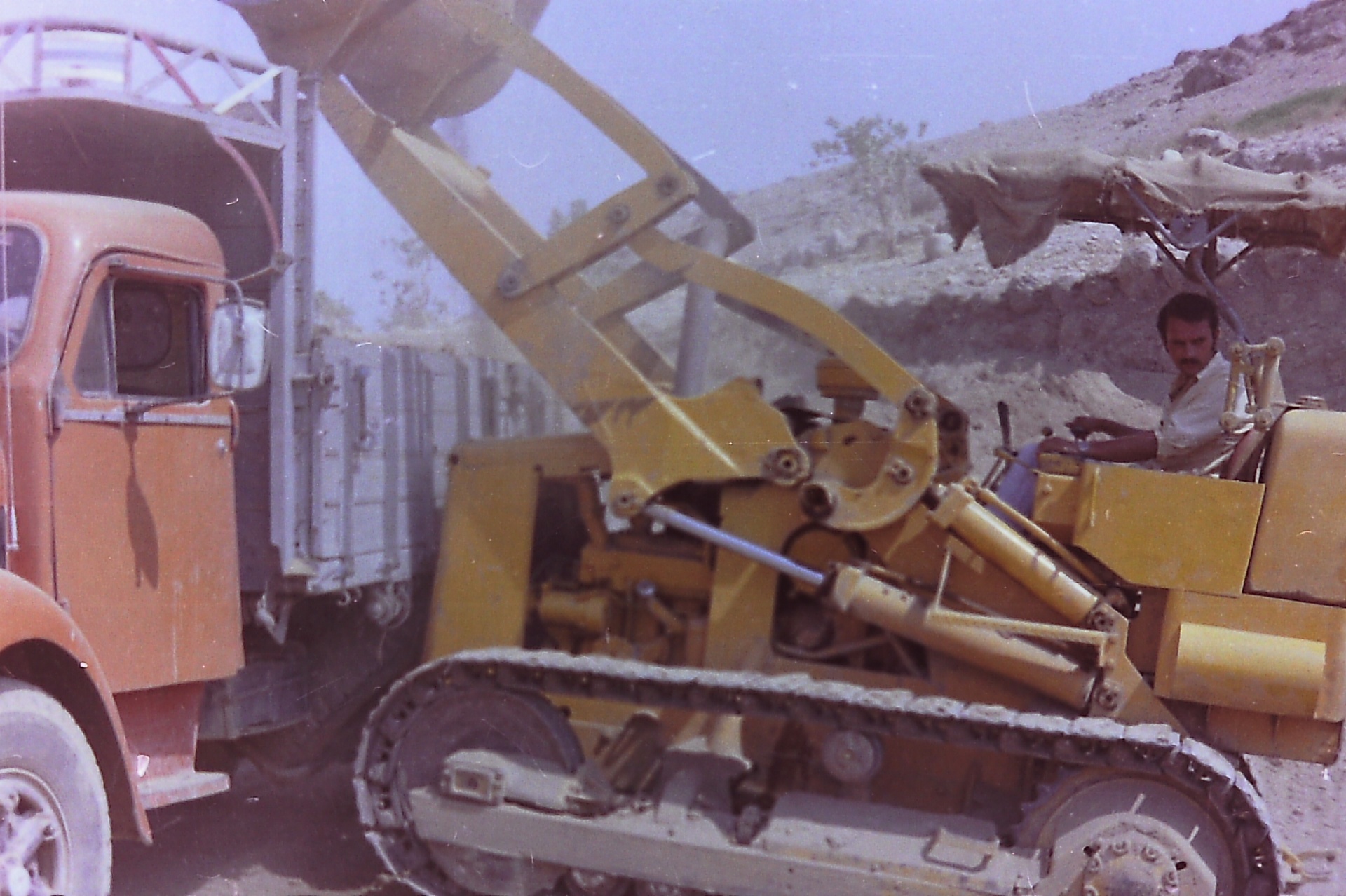
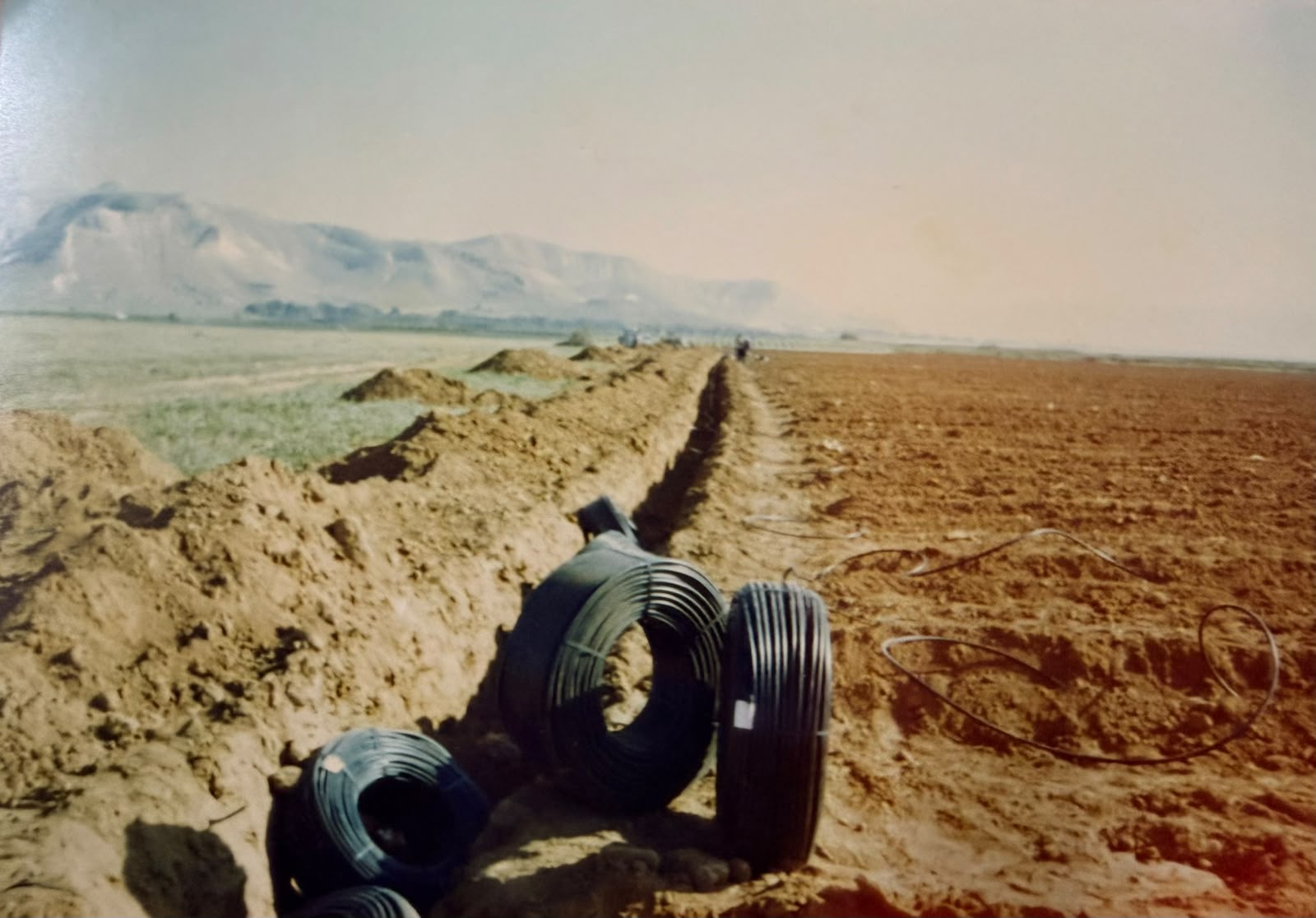
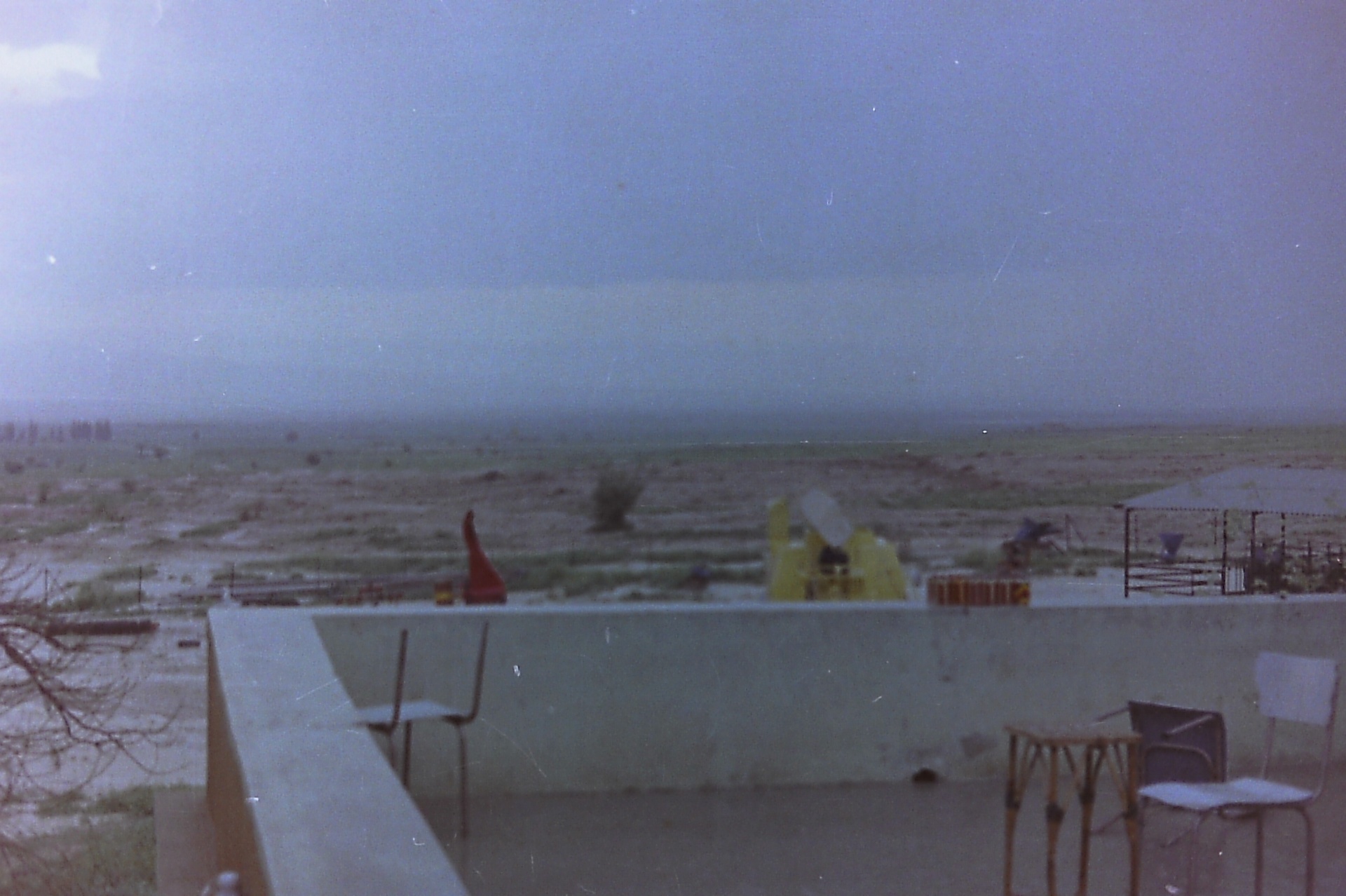
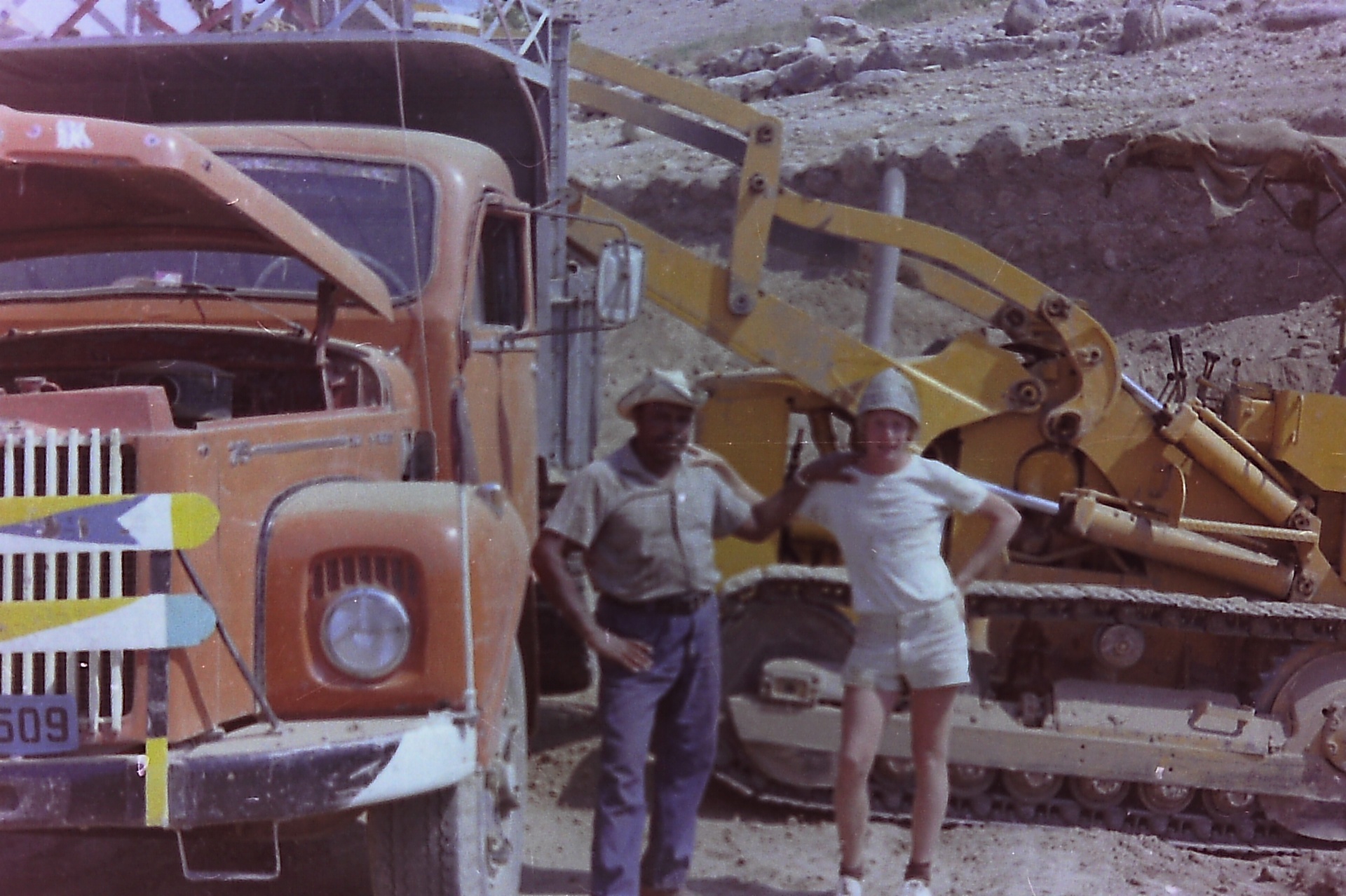
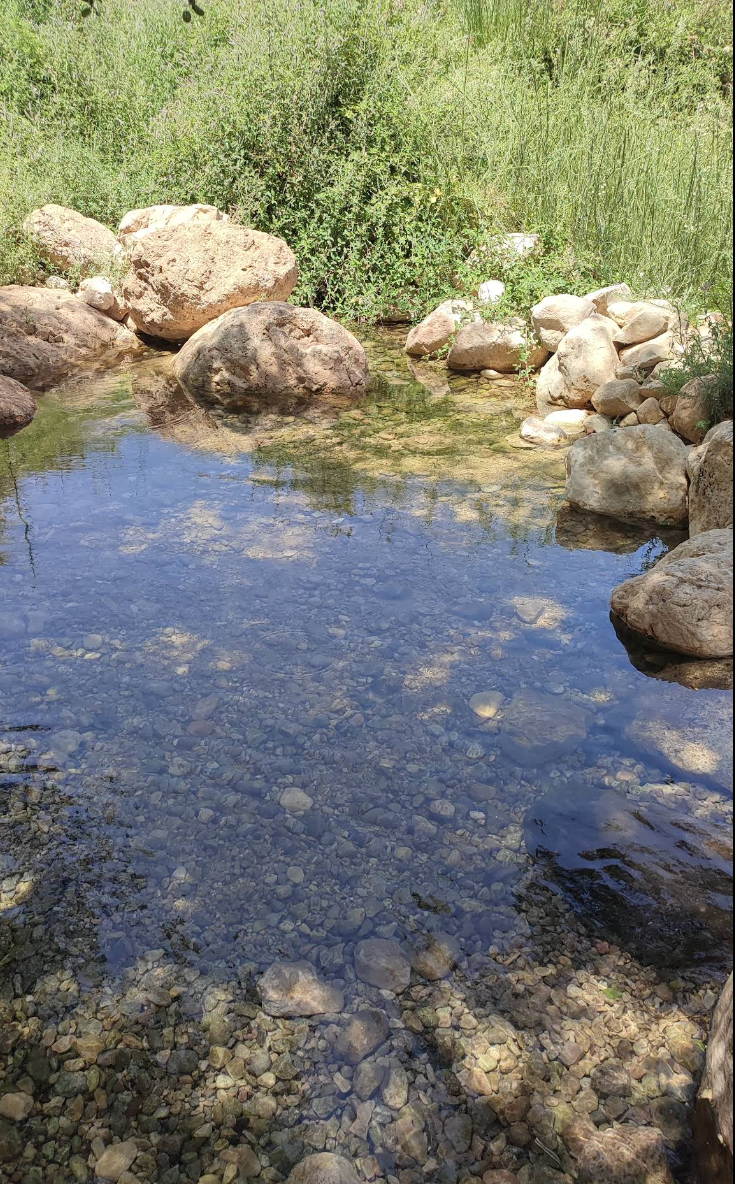
In the 1970s, the Al-Nimer family uncovered an Ancient Roman Pool buried beneath eight metres of soil in Fasayel — one of the most significant archaeological discoveries in the northern Jordan Valley. Moved entirely by hand alongside neighbours and European volunteers, the excavation revealed a Roman-era water reservoir that once served the valley. Today, the pool is preserved by the family as a heritage and archaeological site.
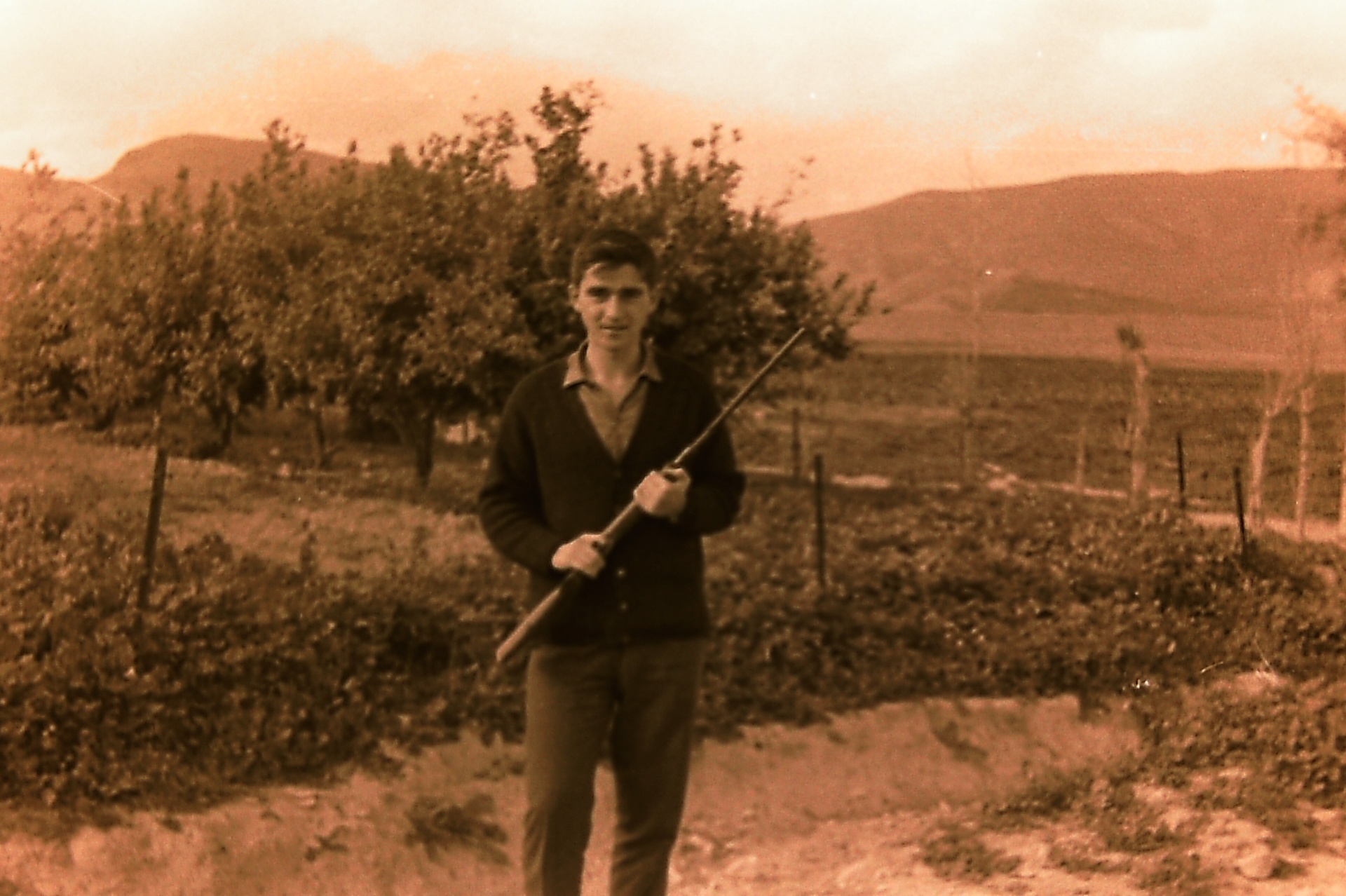
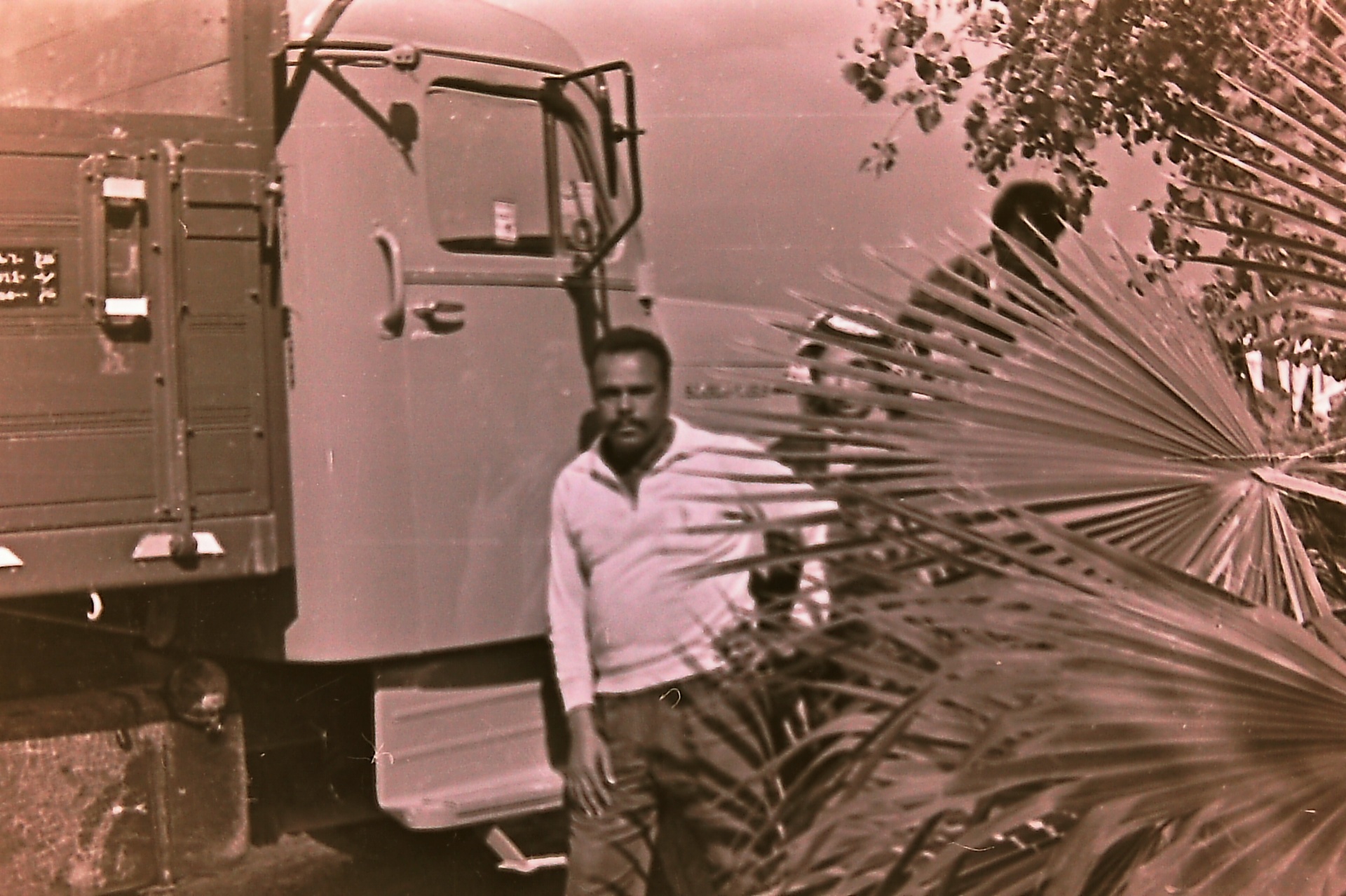
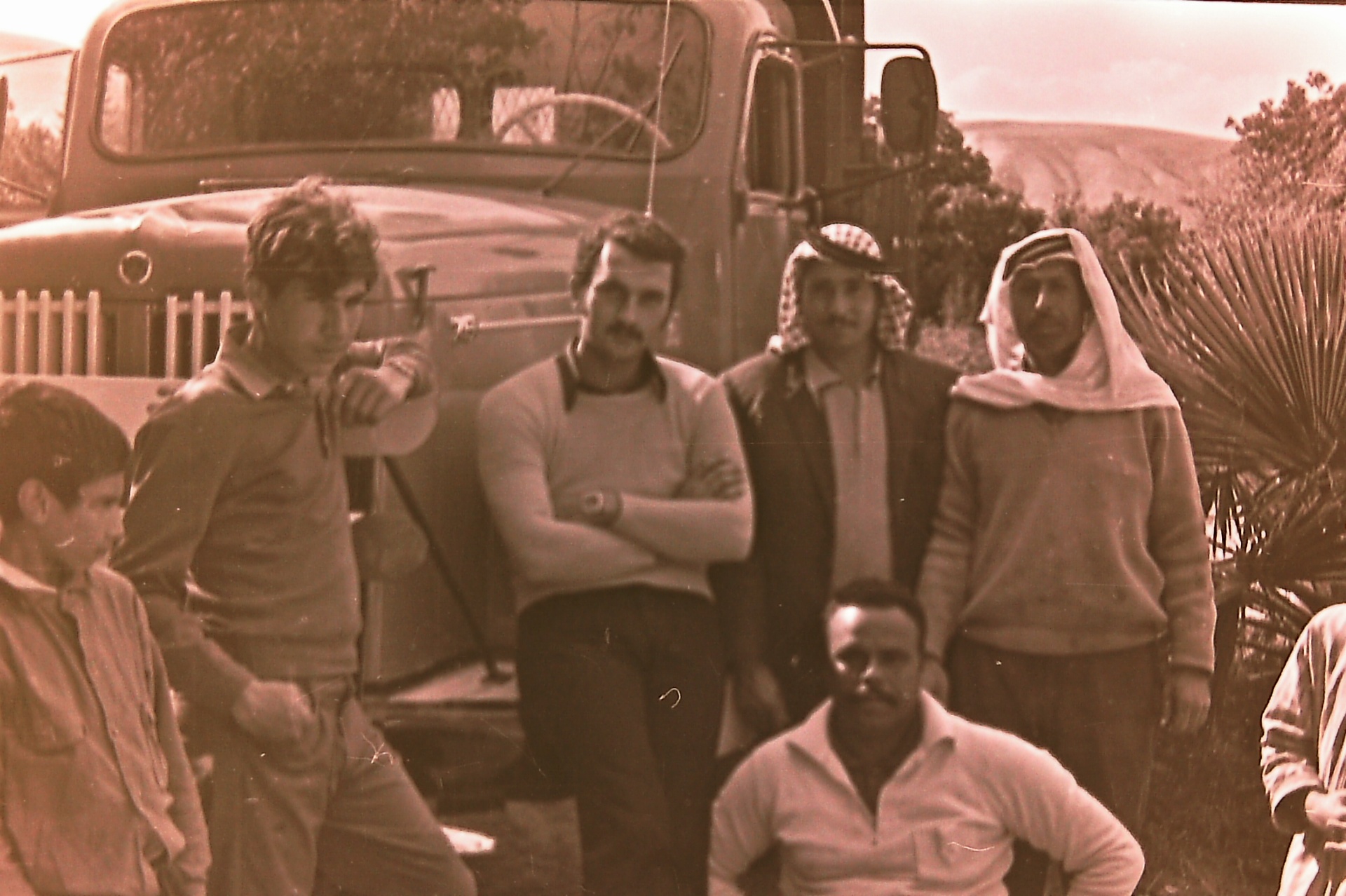
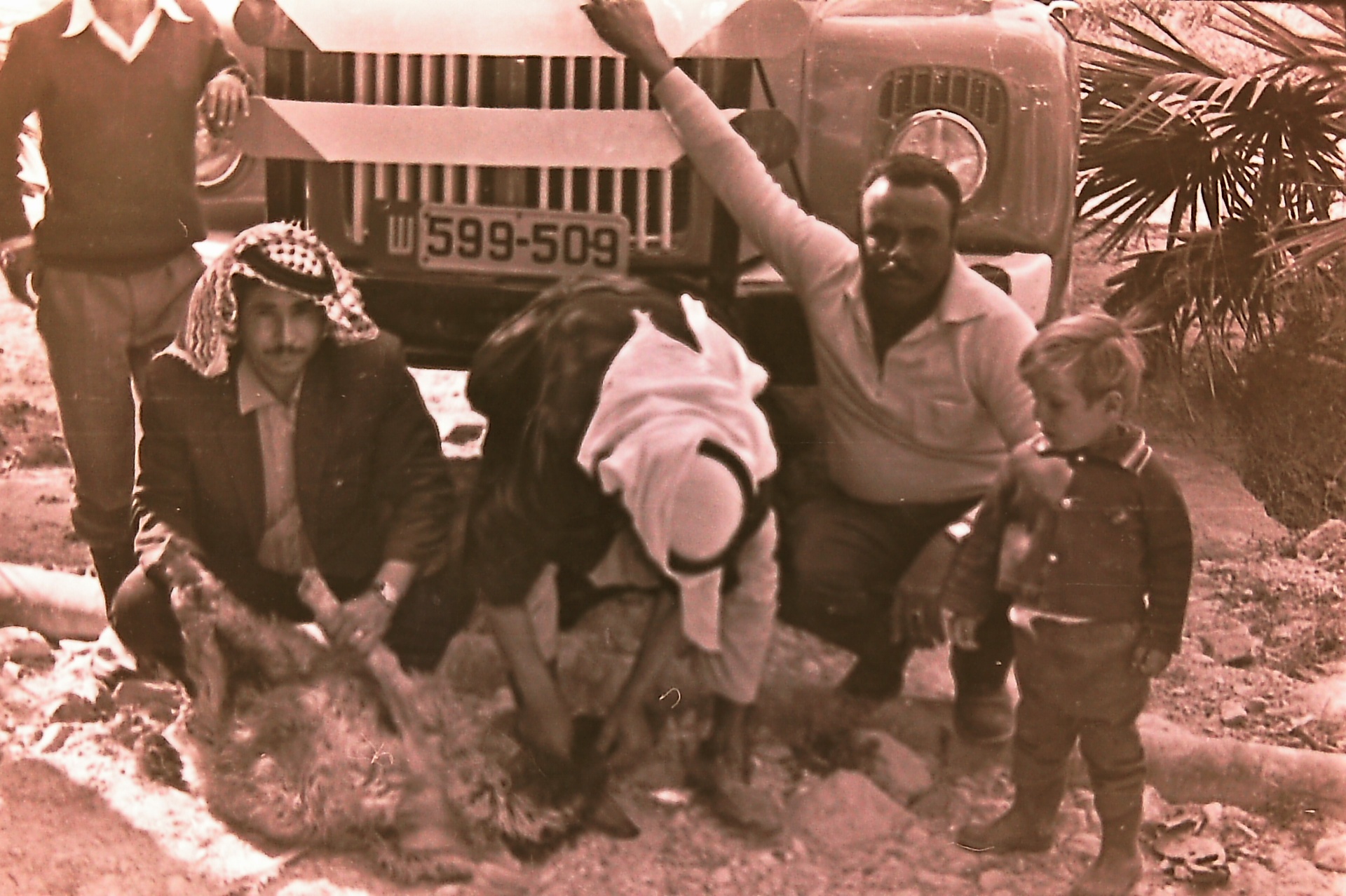
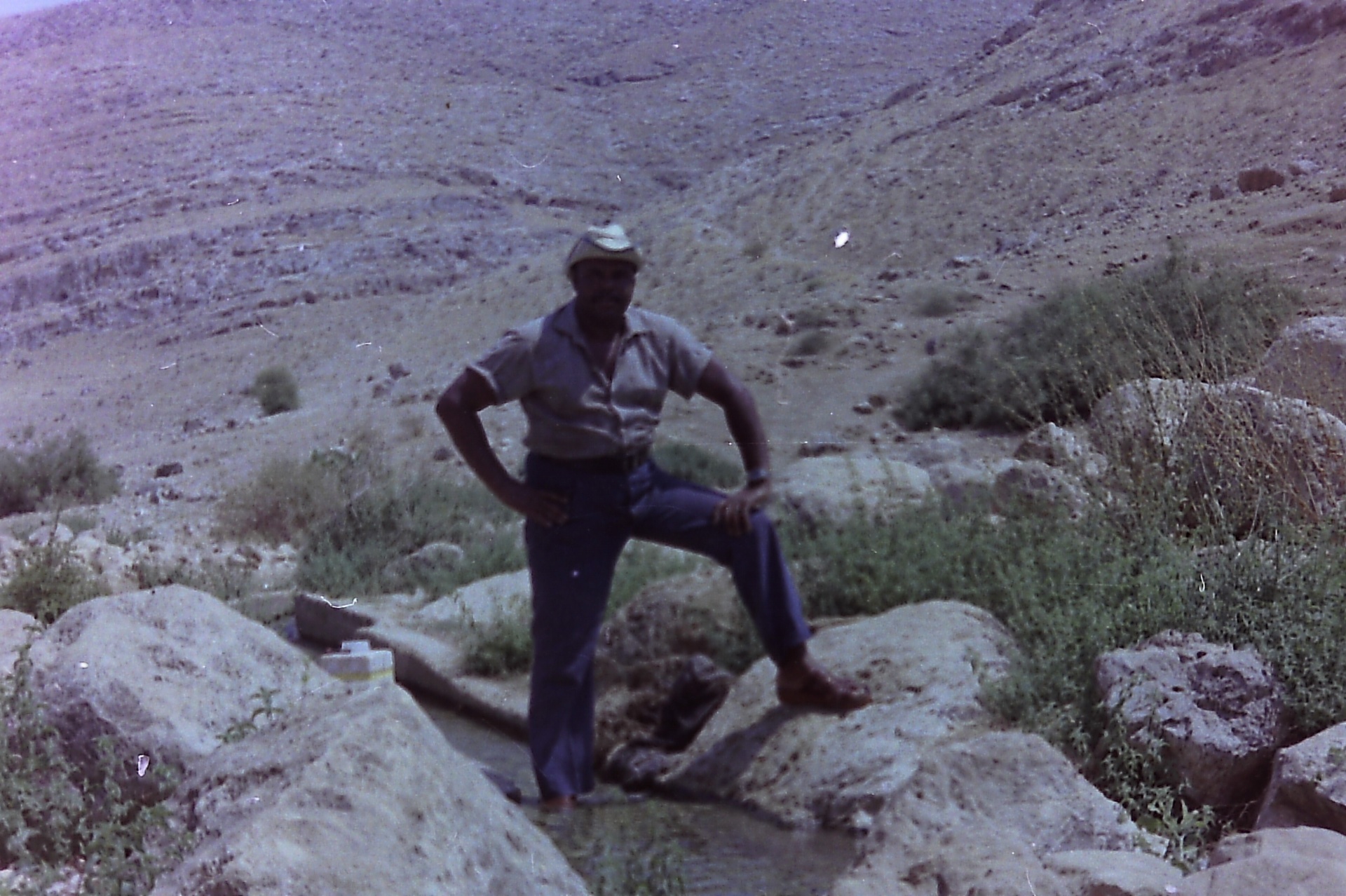
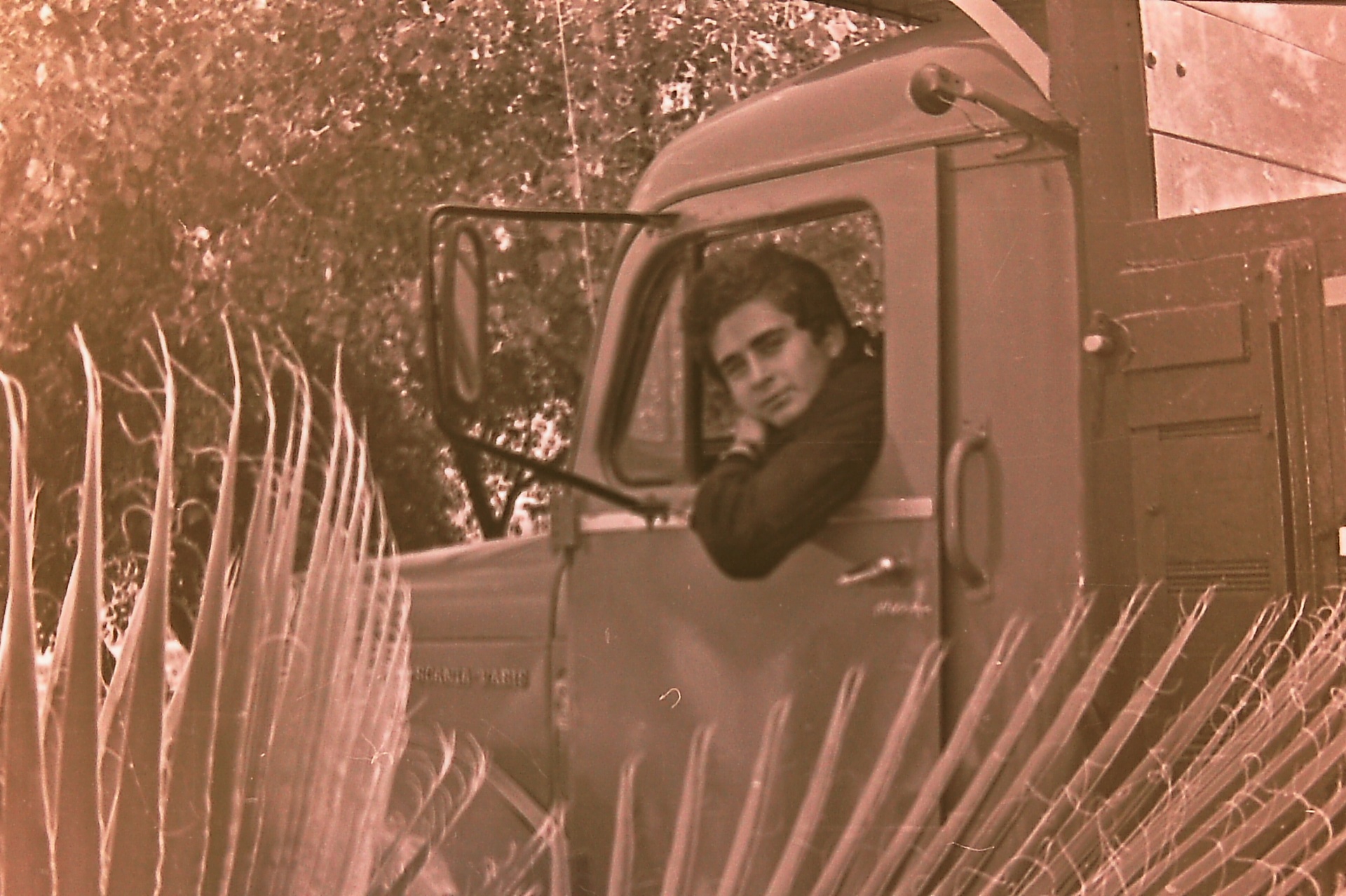
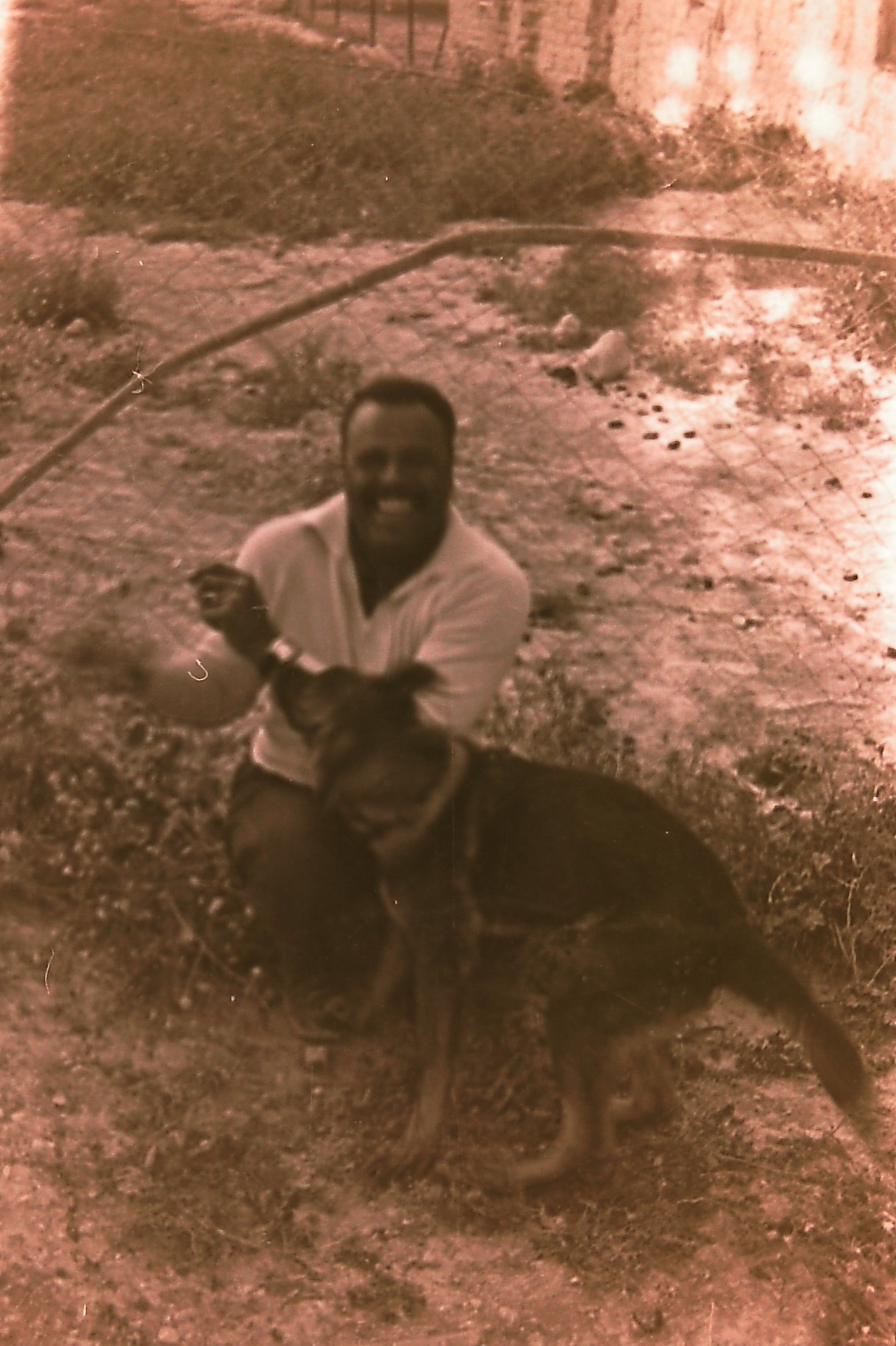
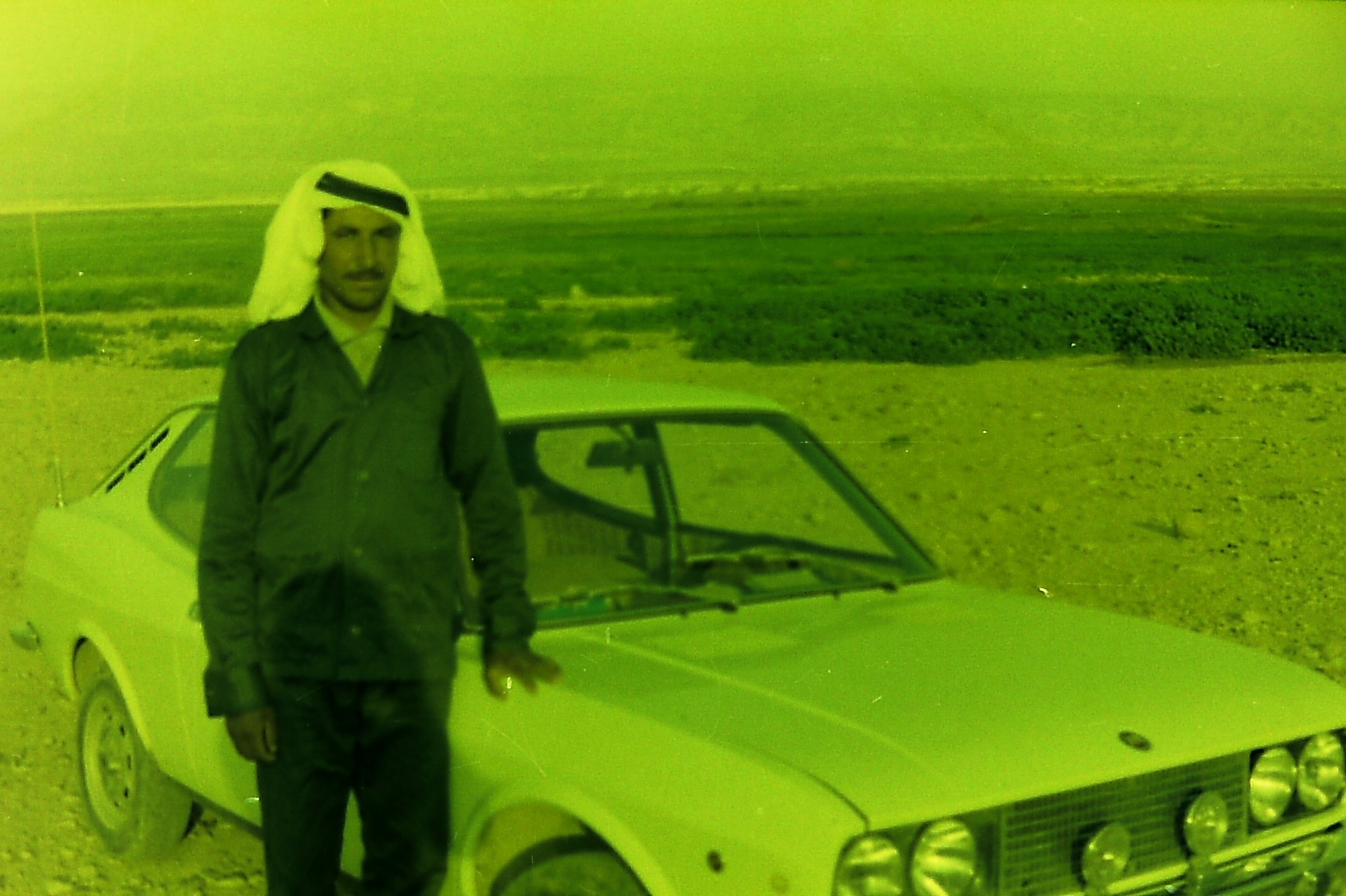
The People Who Built It
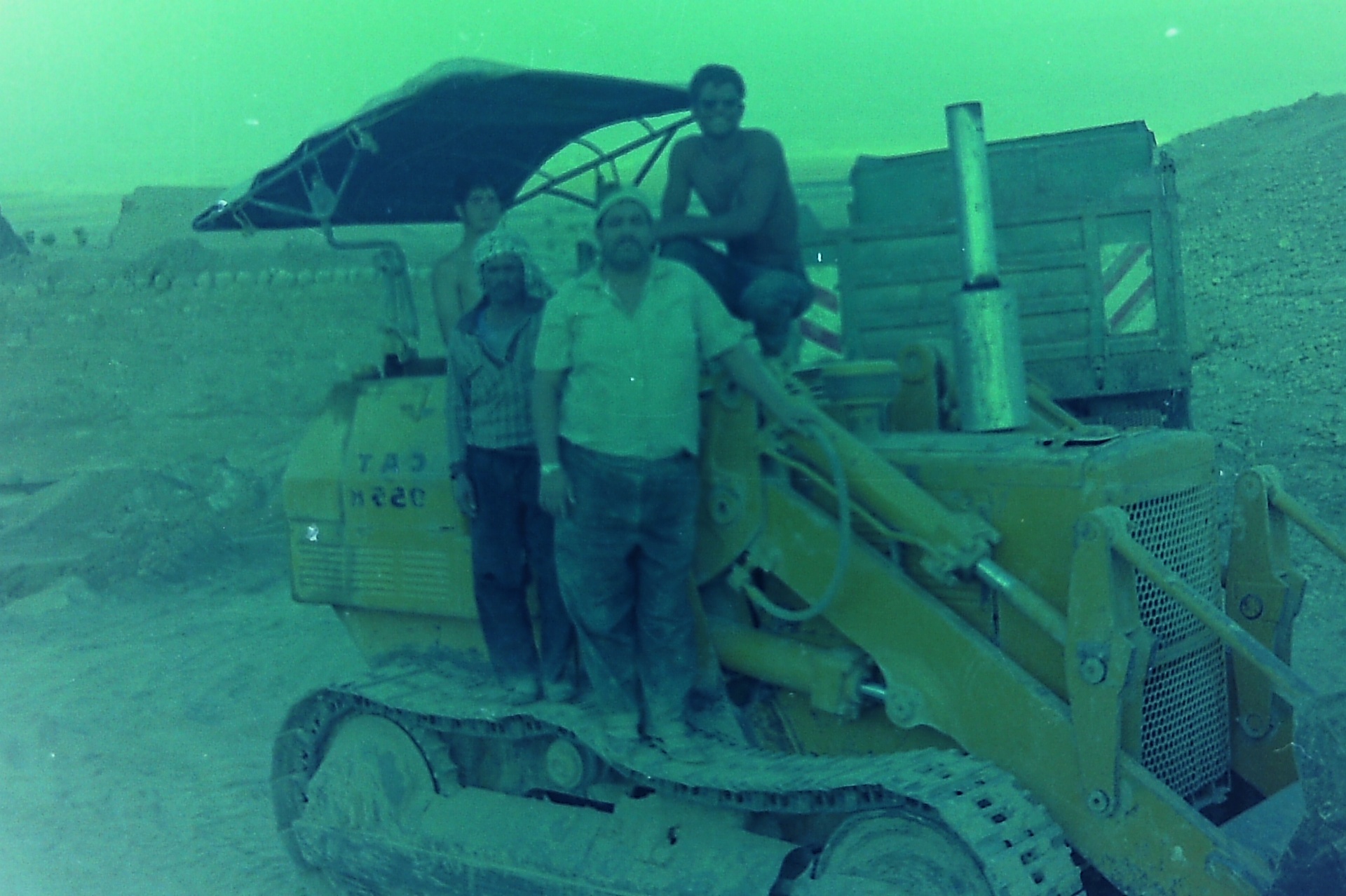
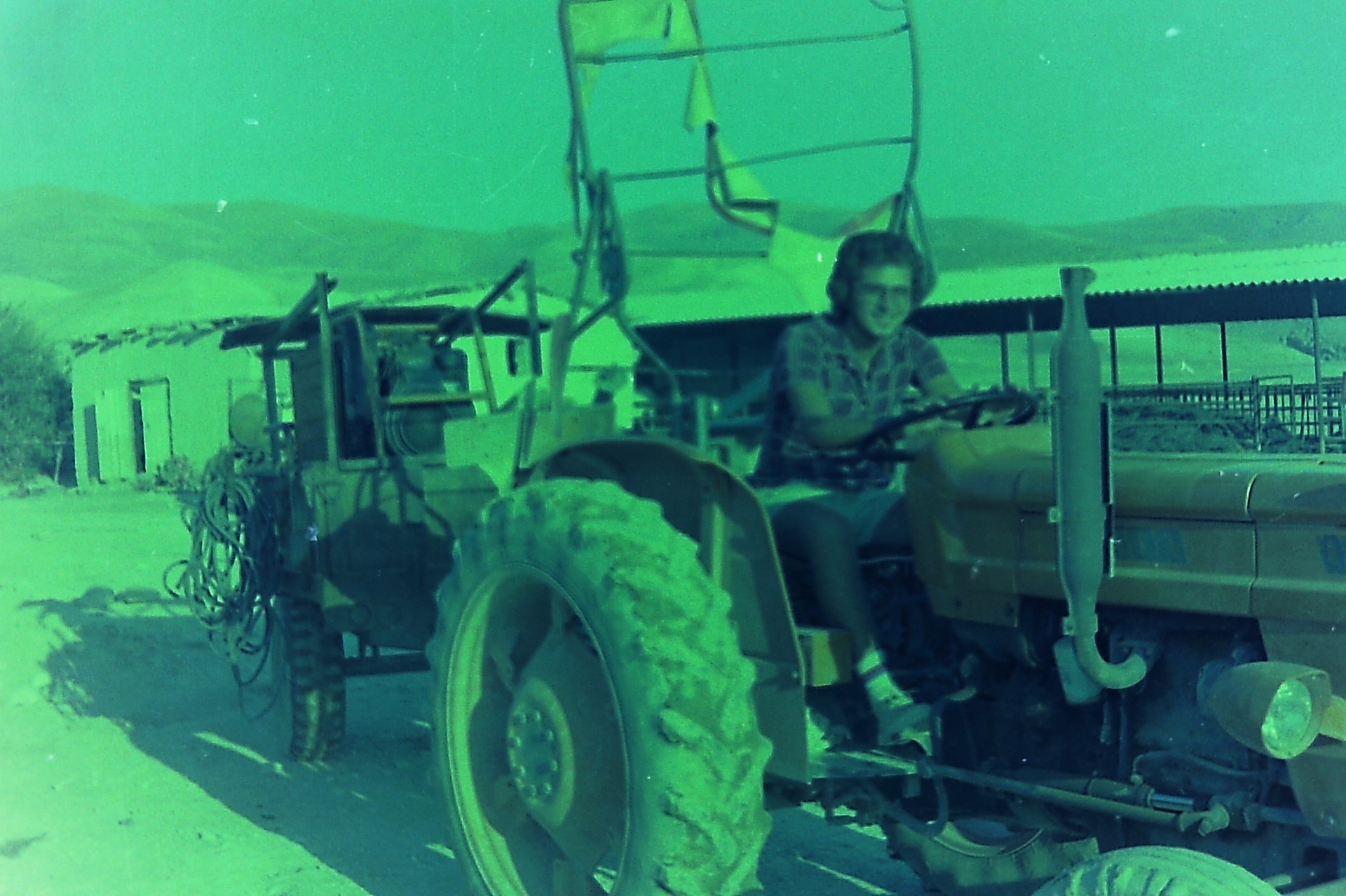
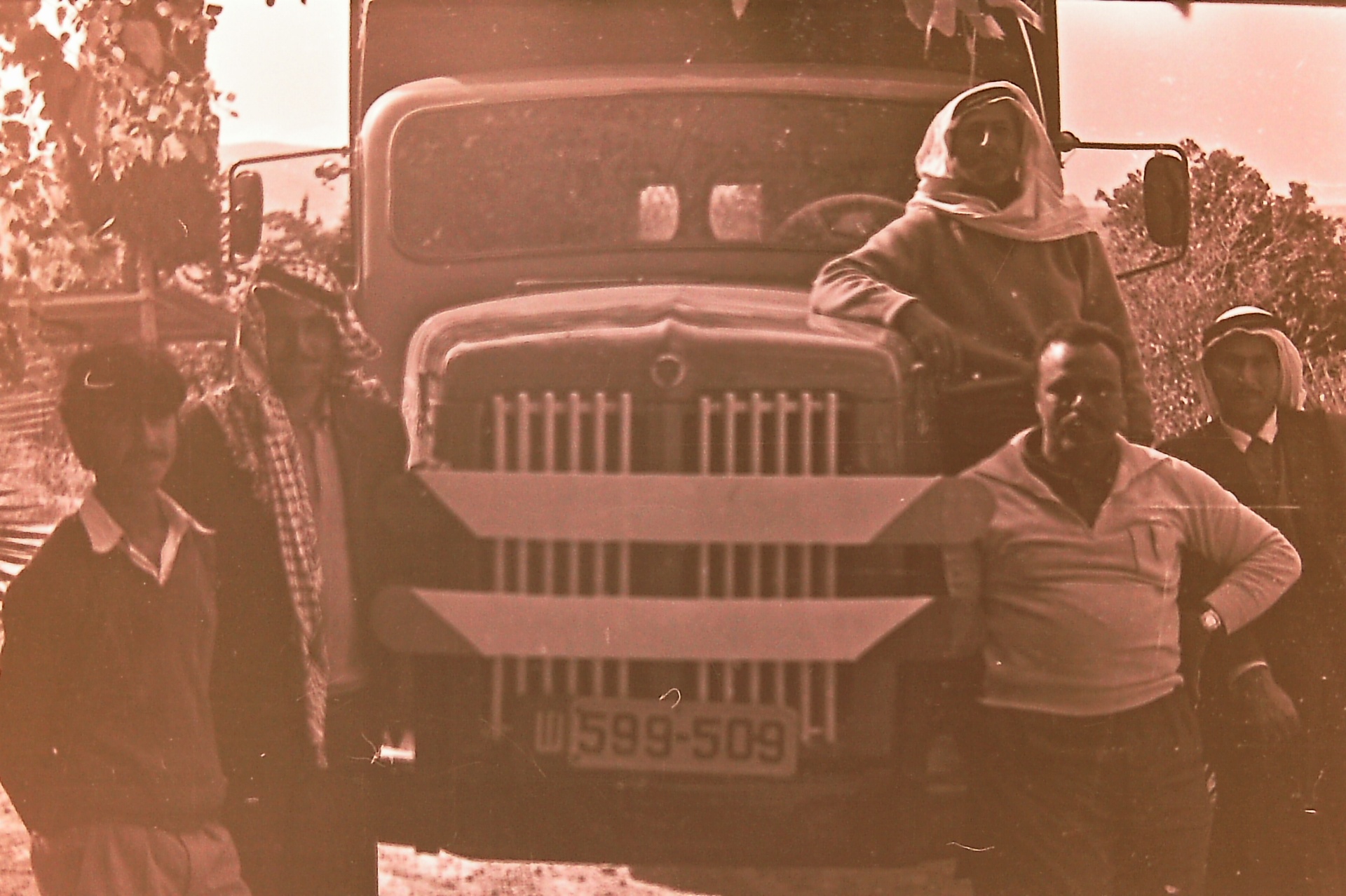
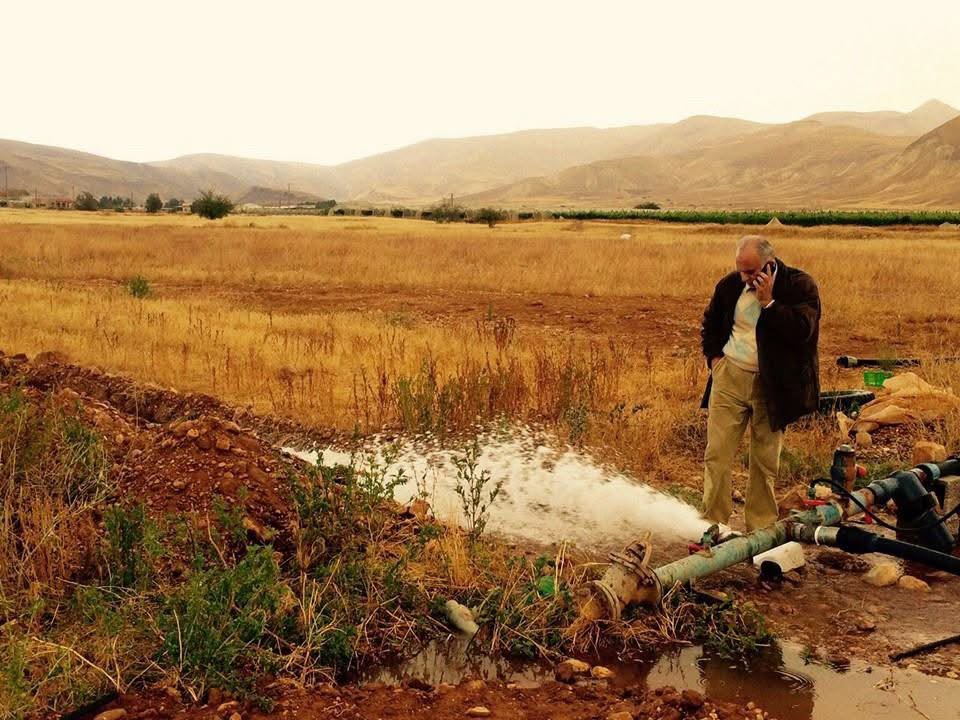
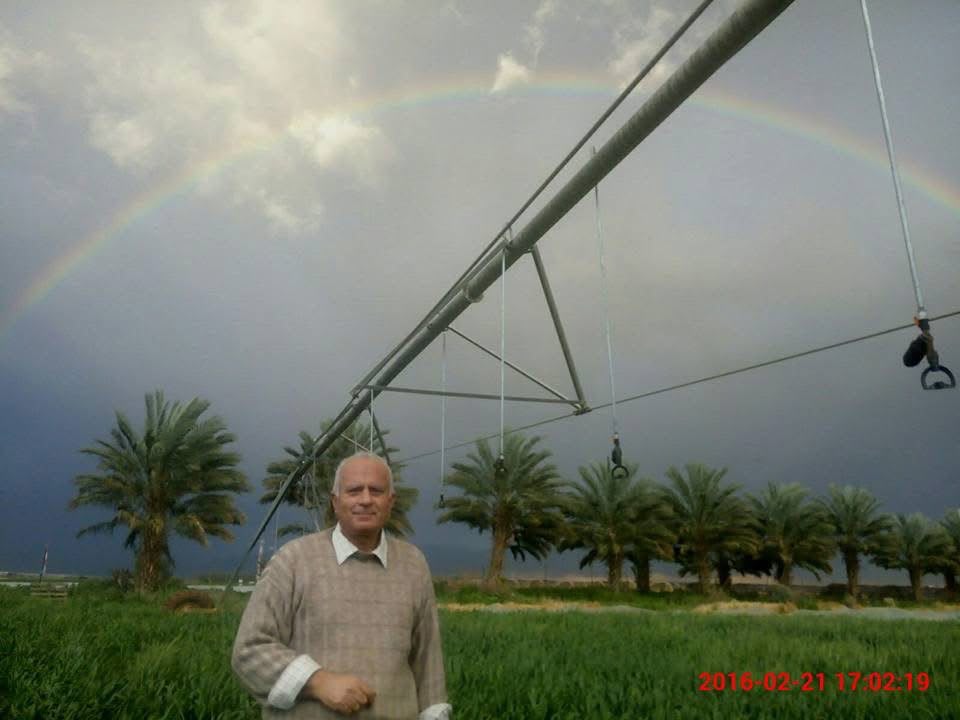
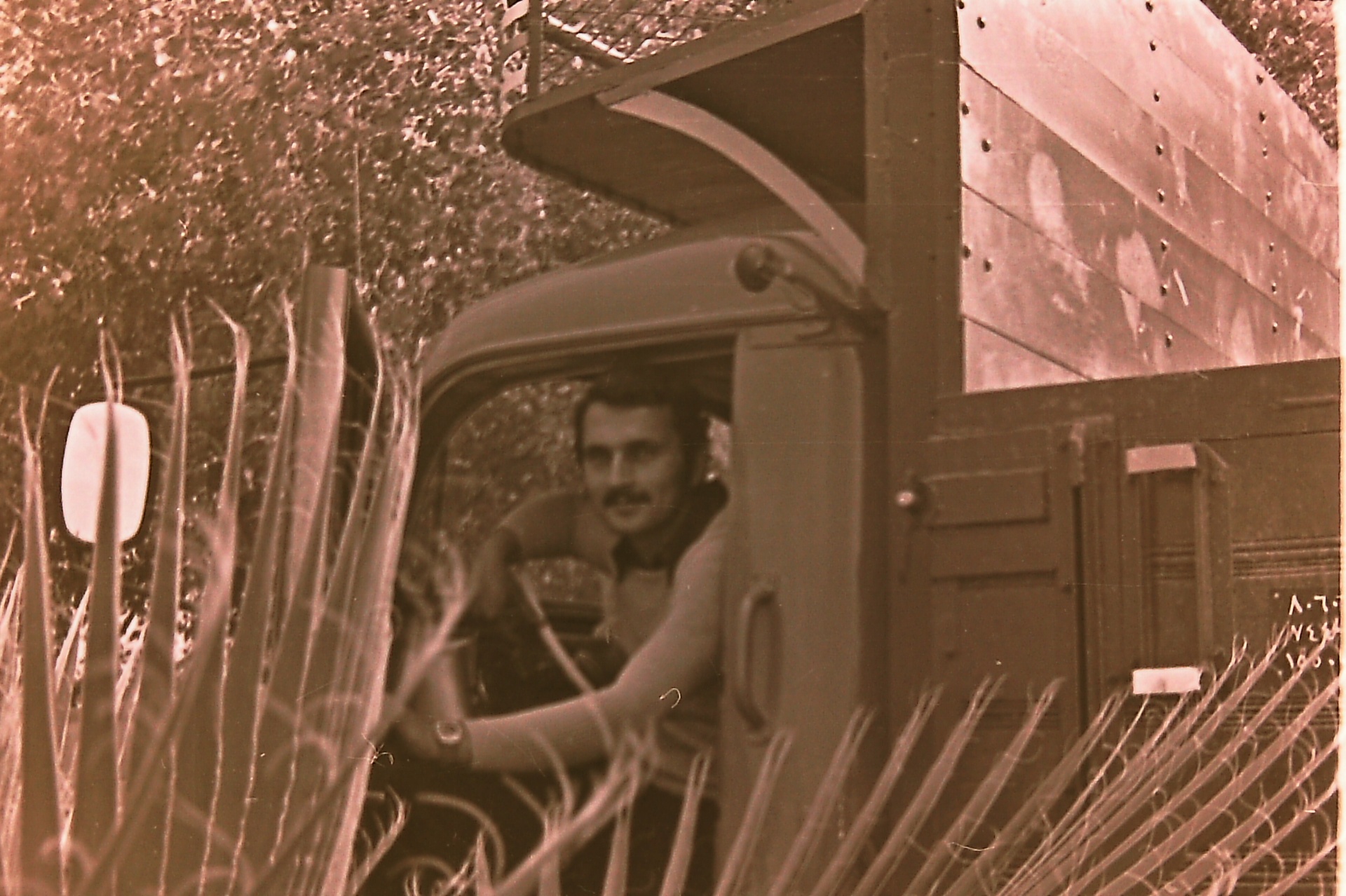
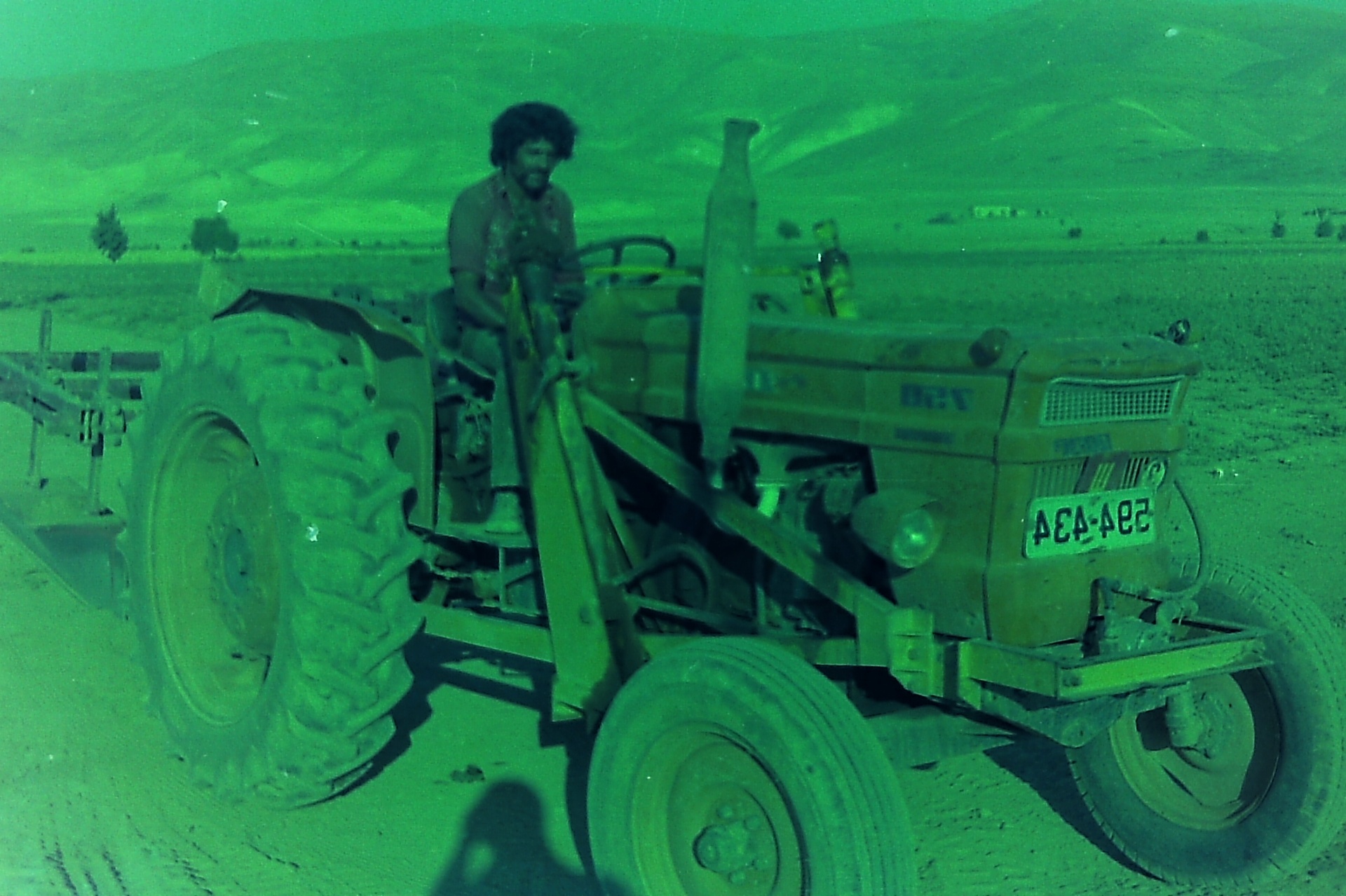
Faces, hands, and a century of work.
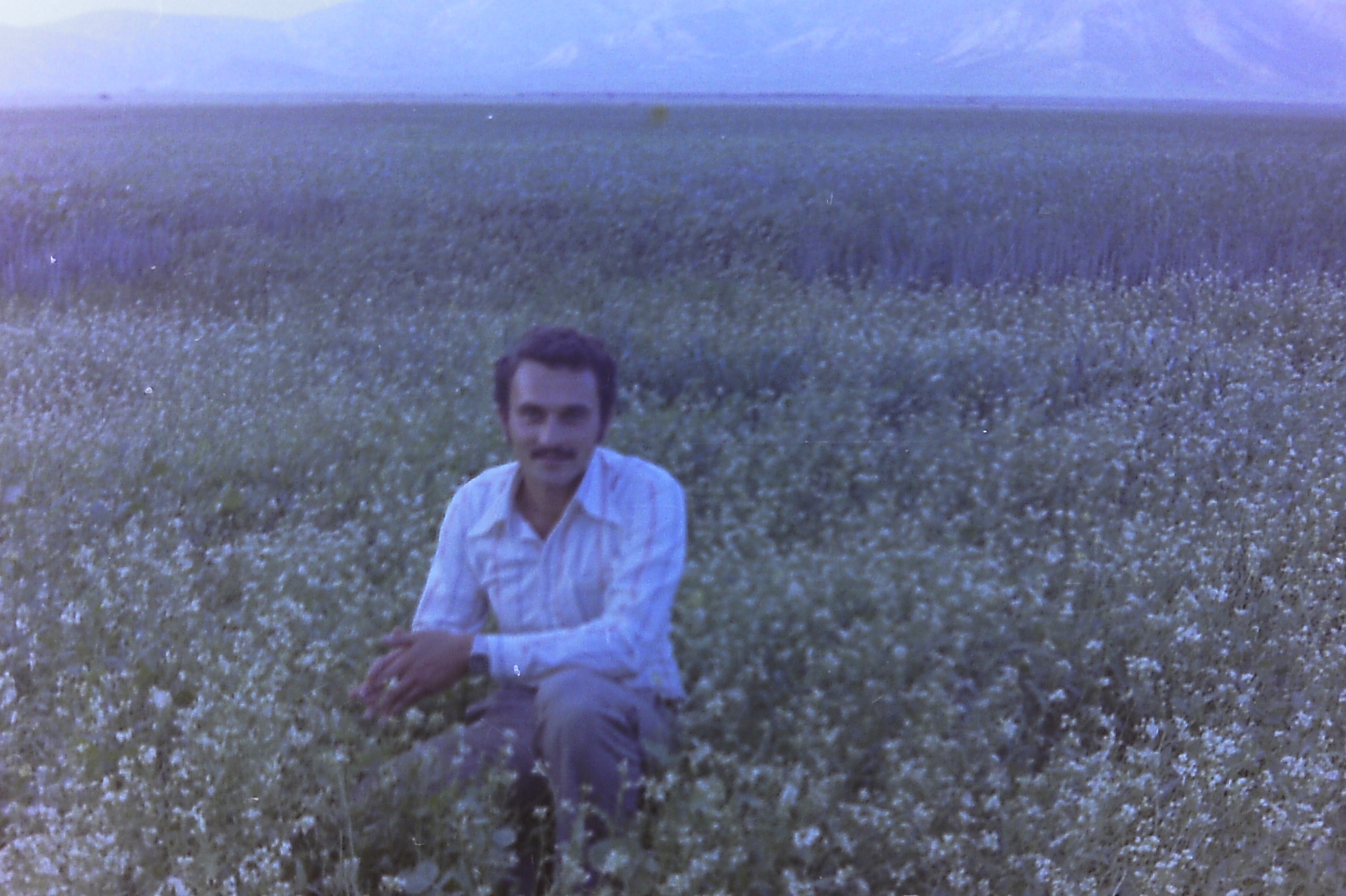
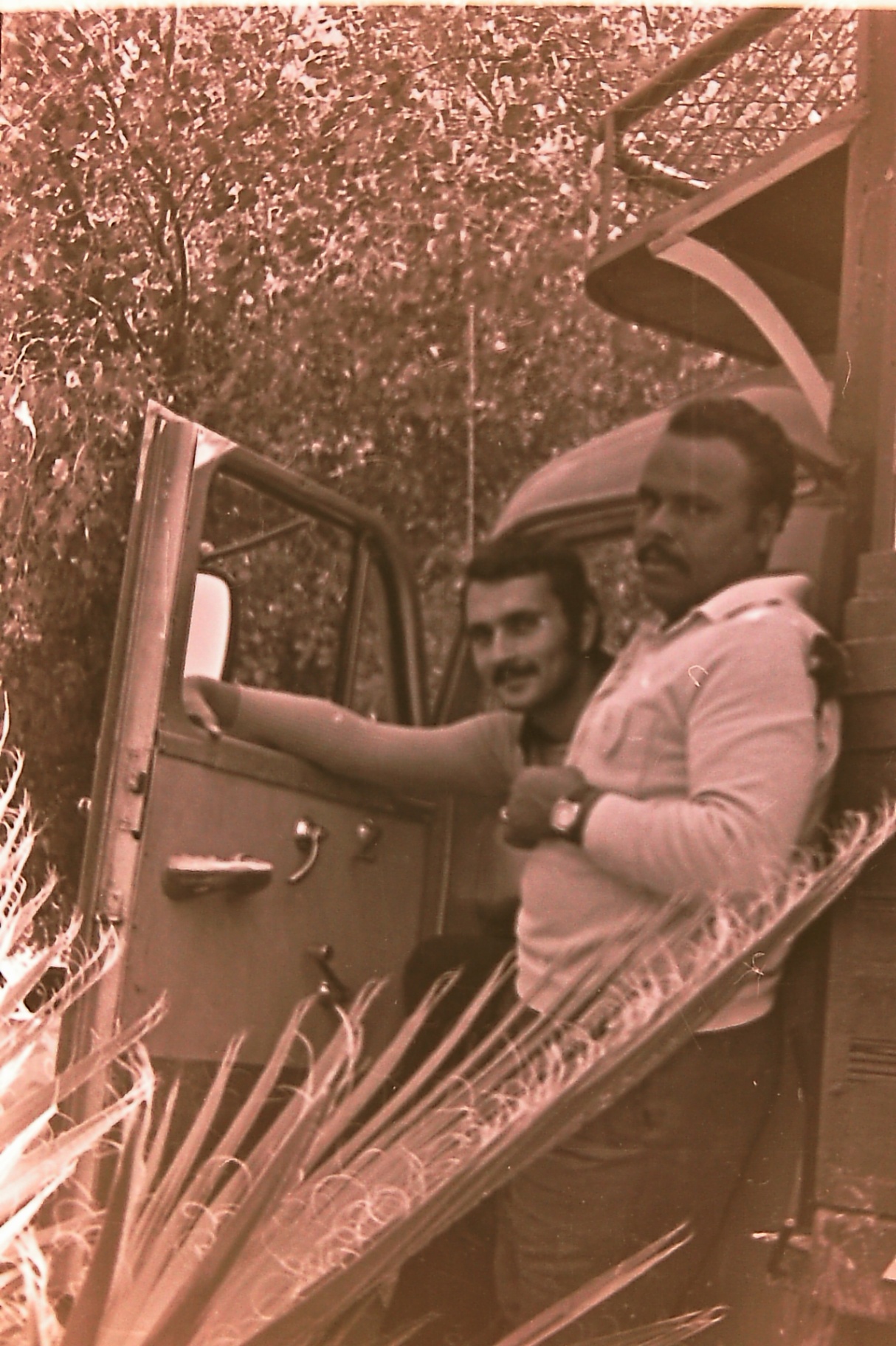
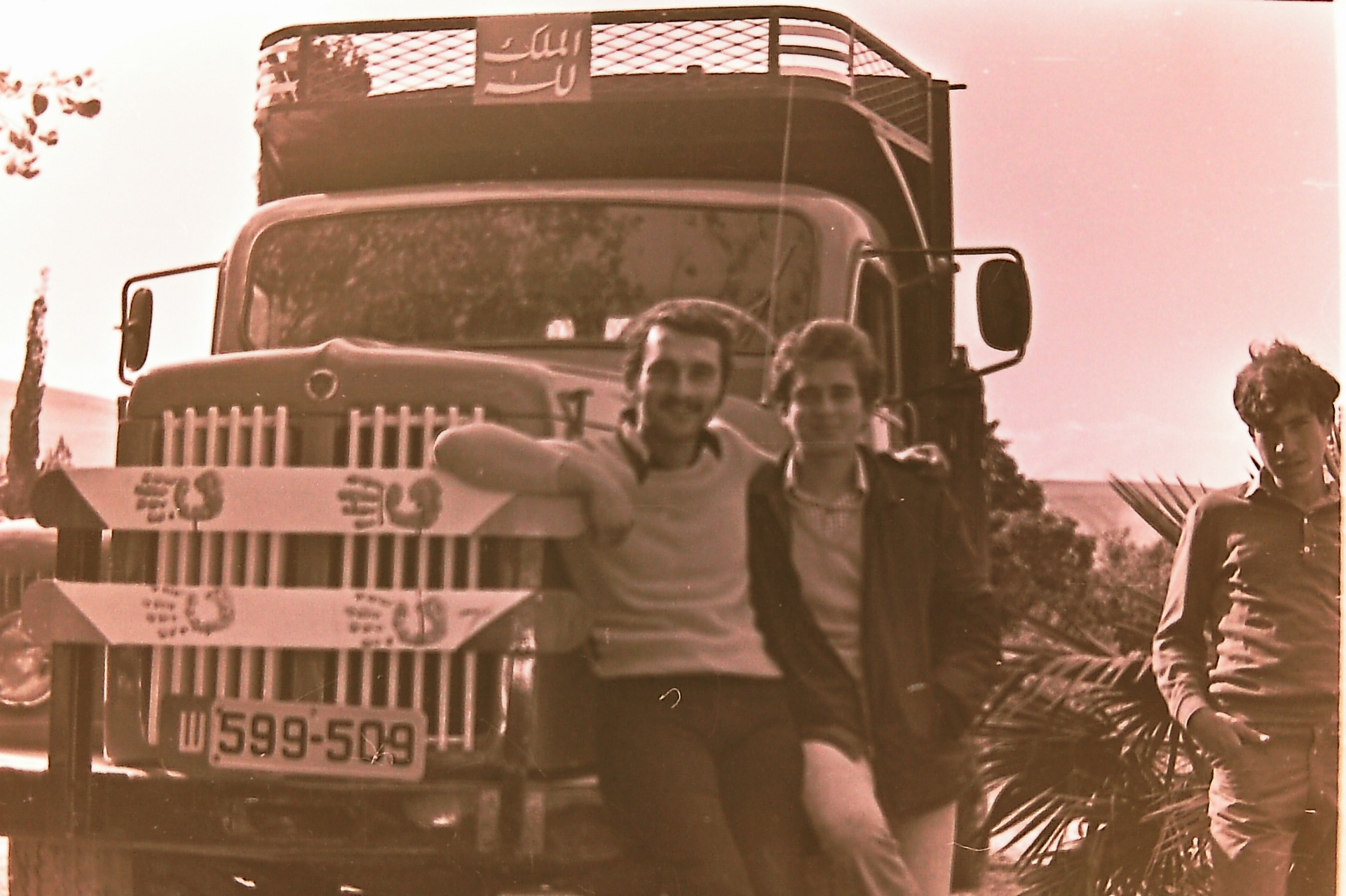
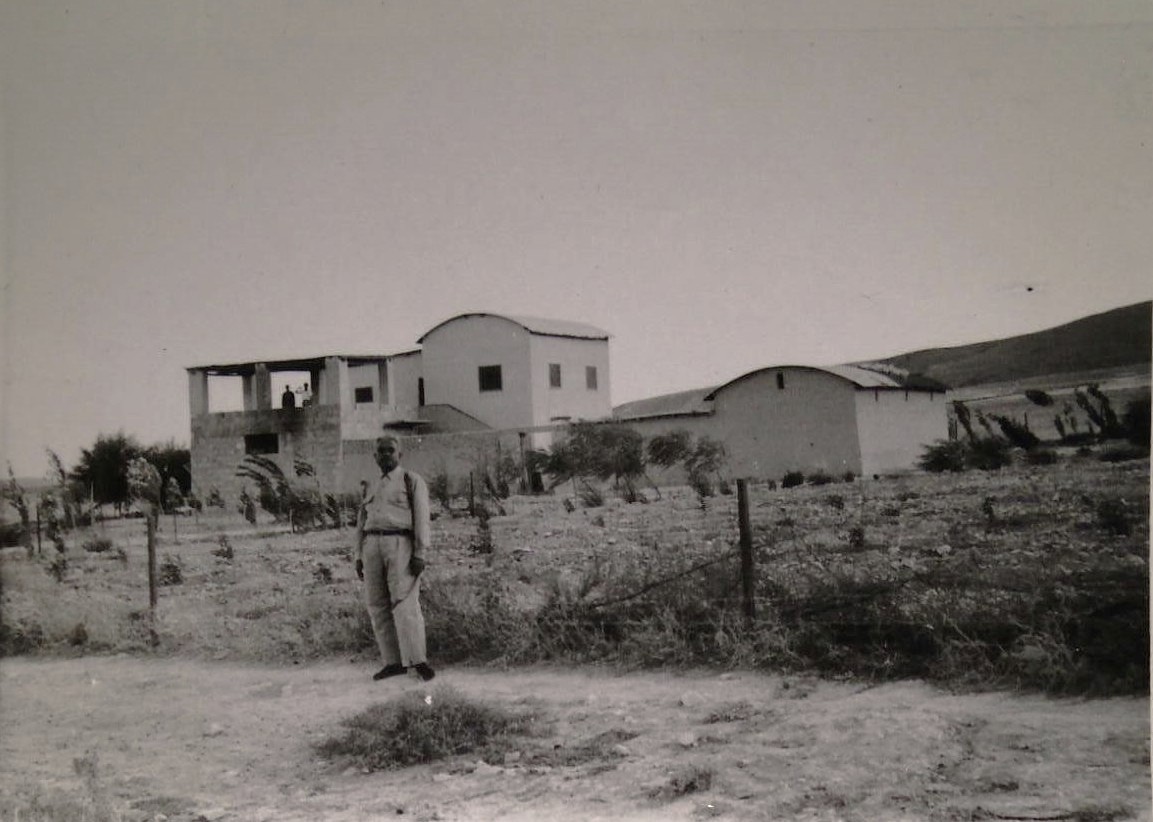
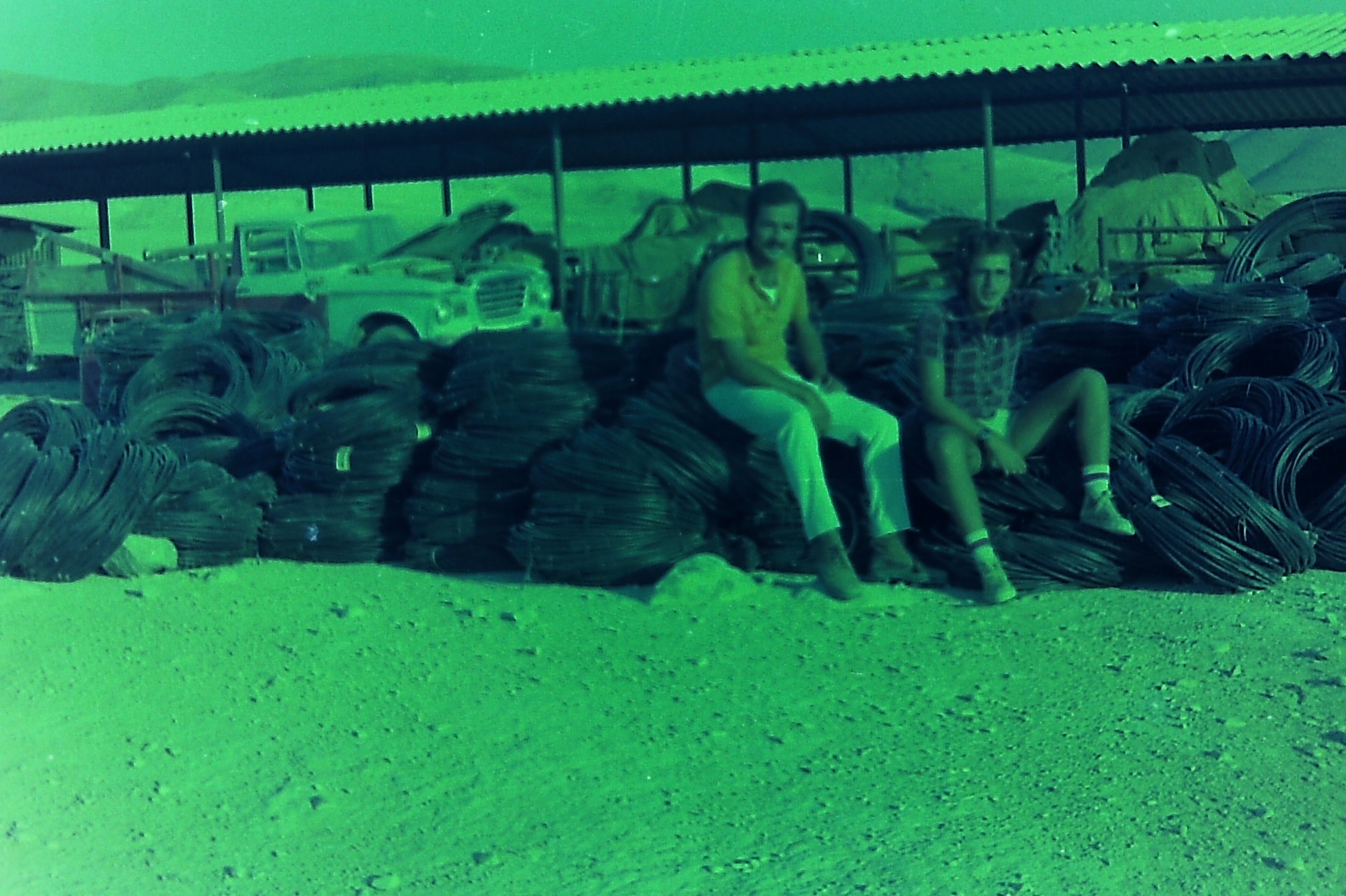
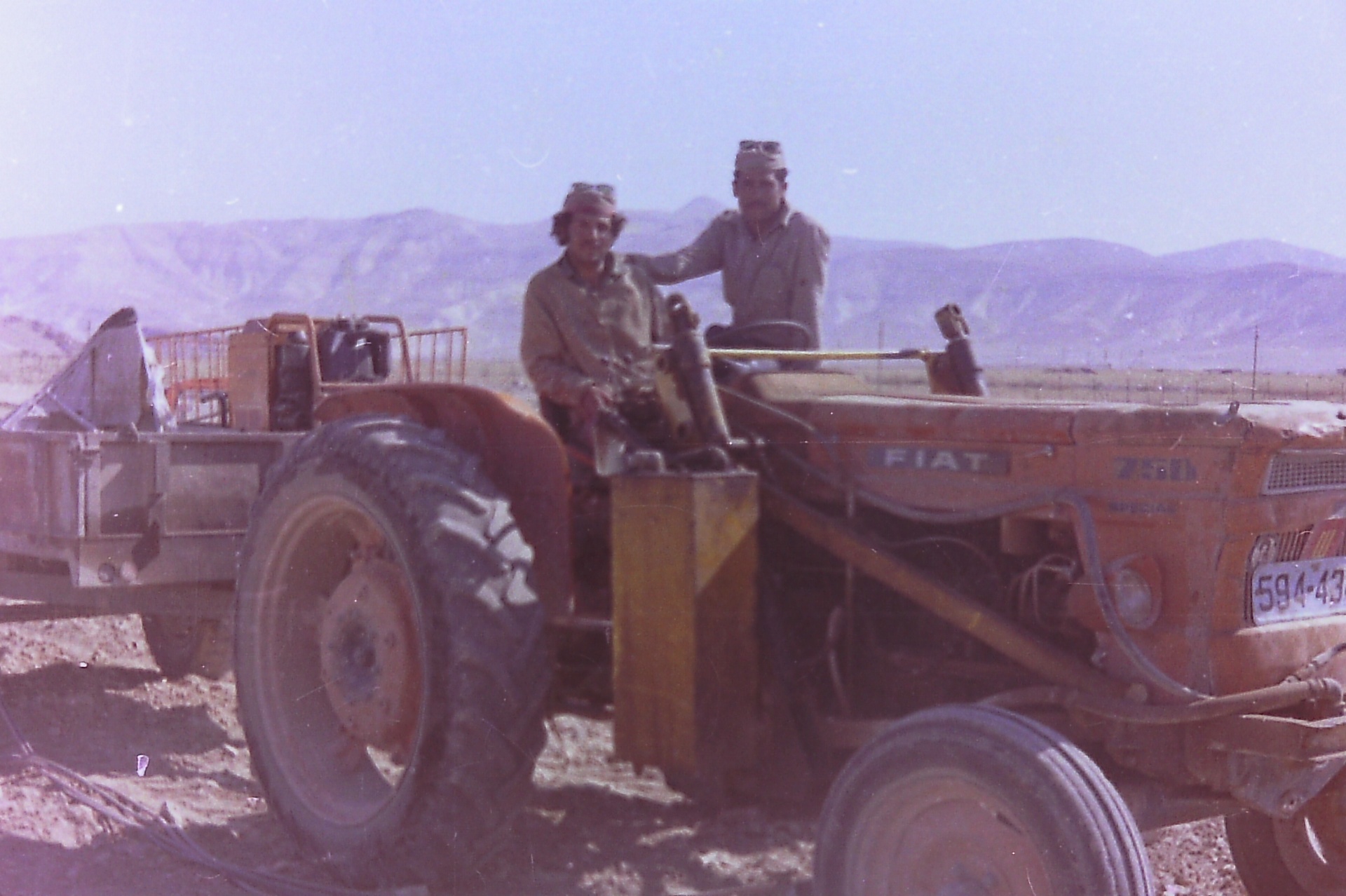
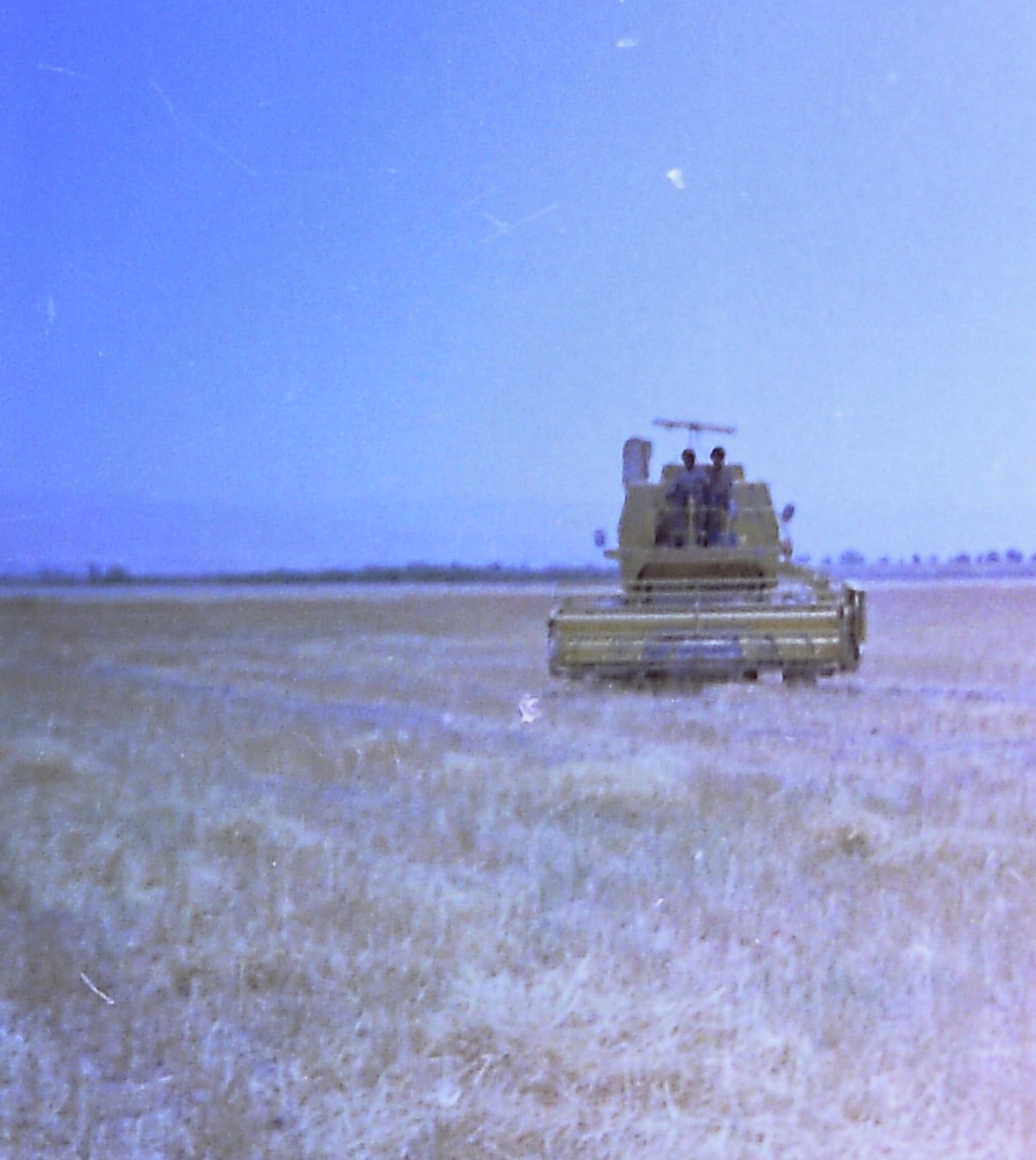
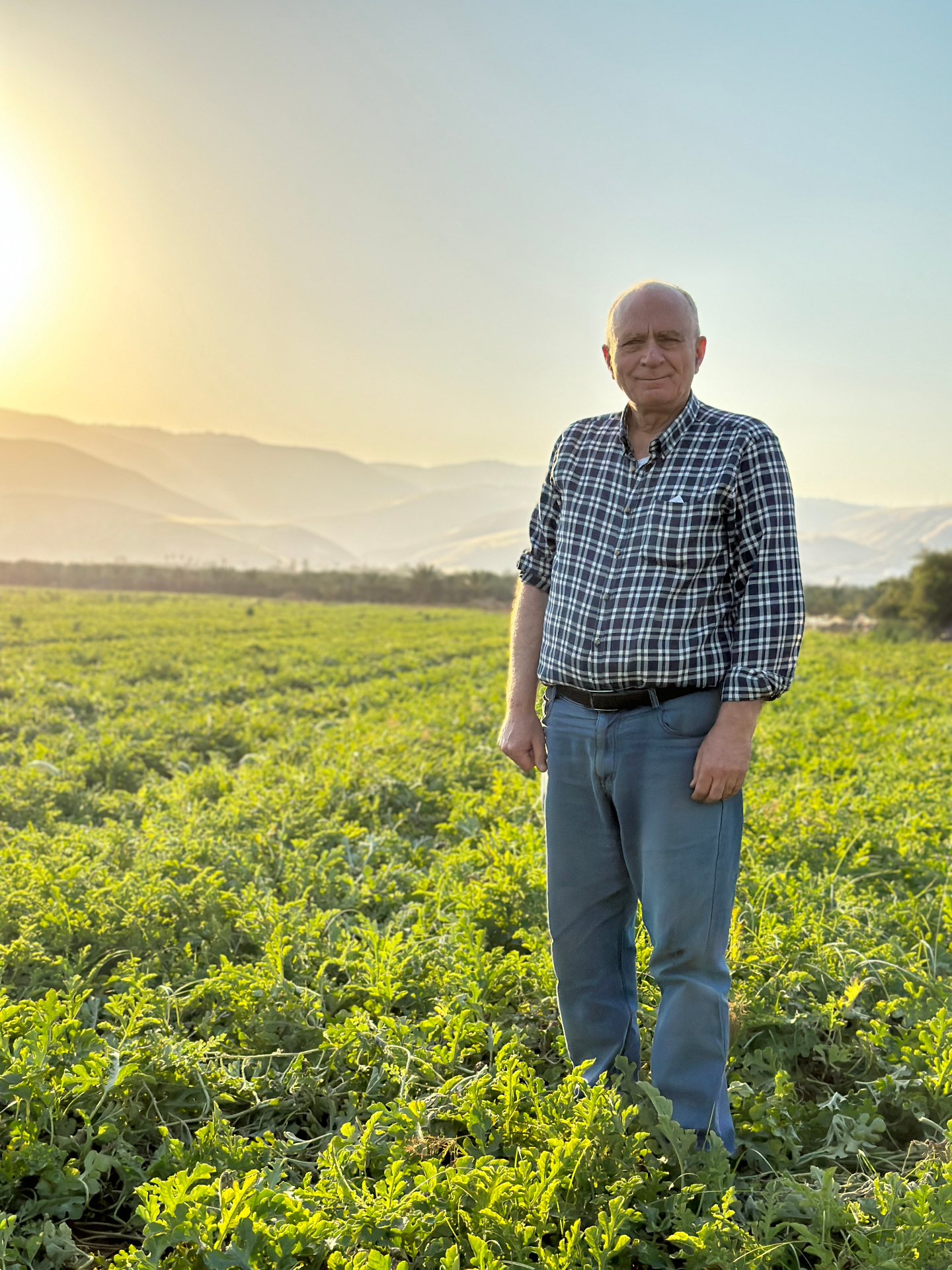
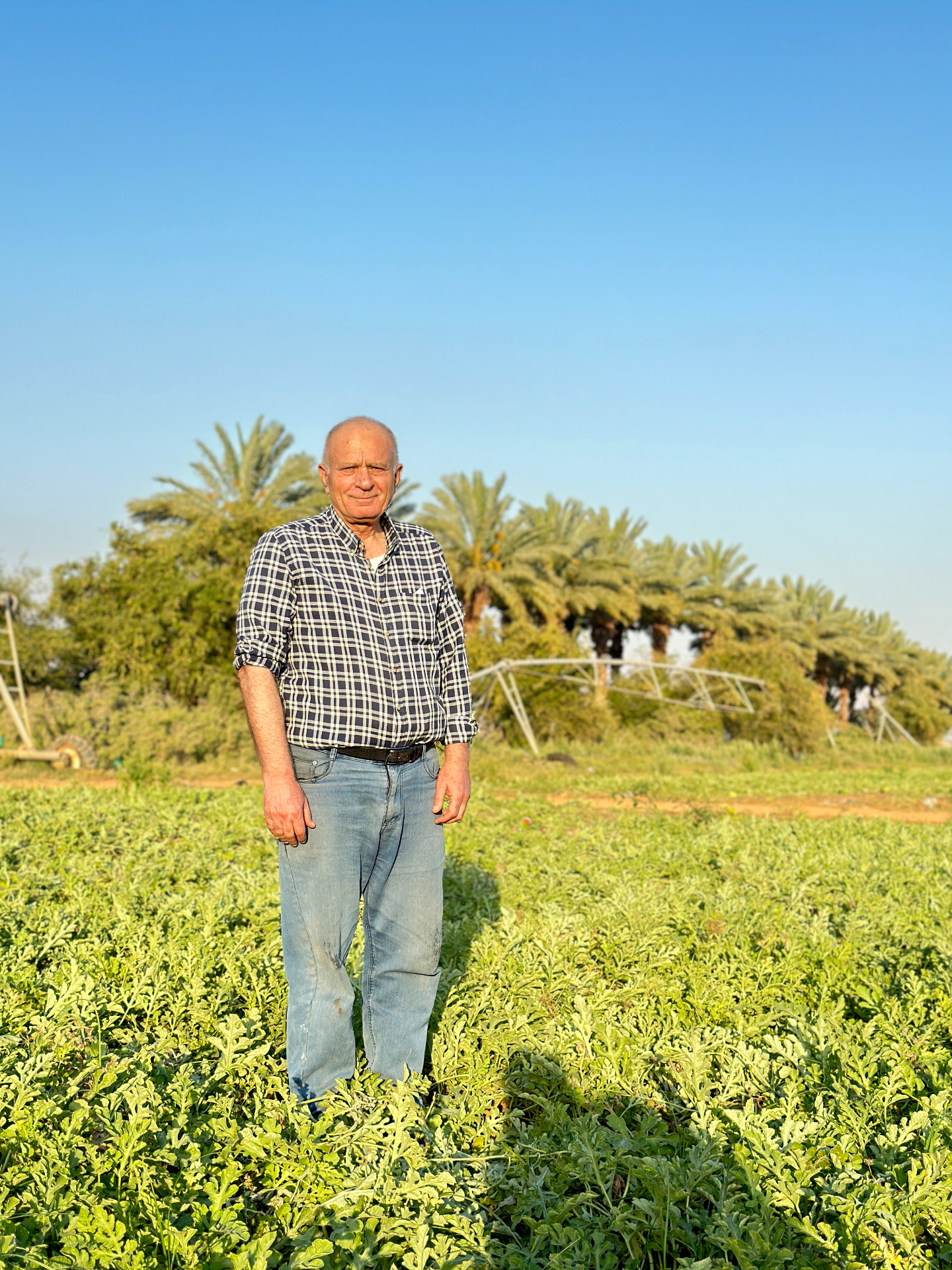
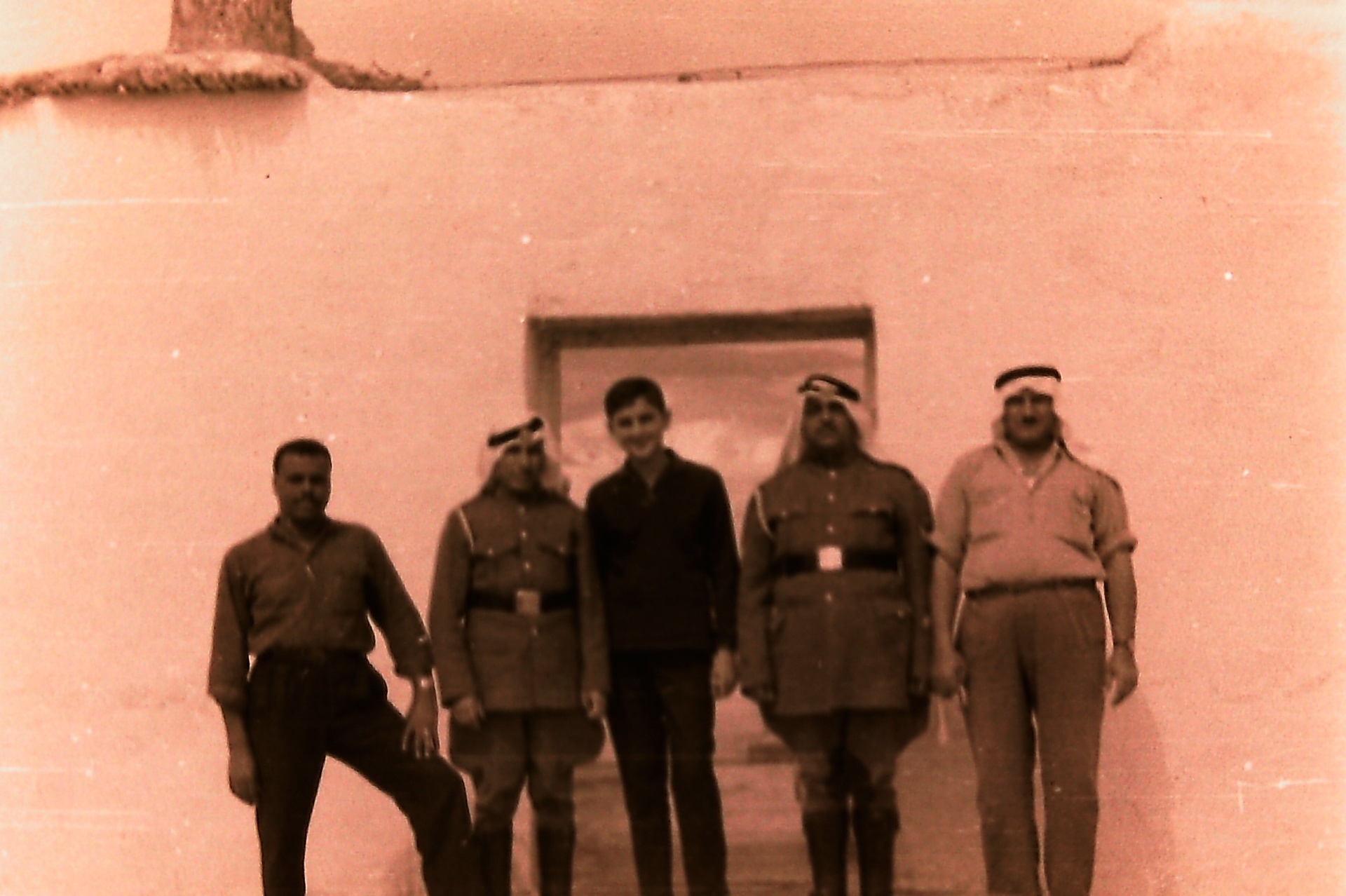
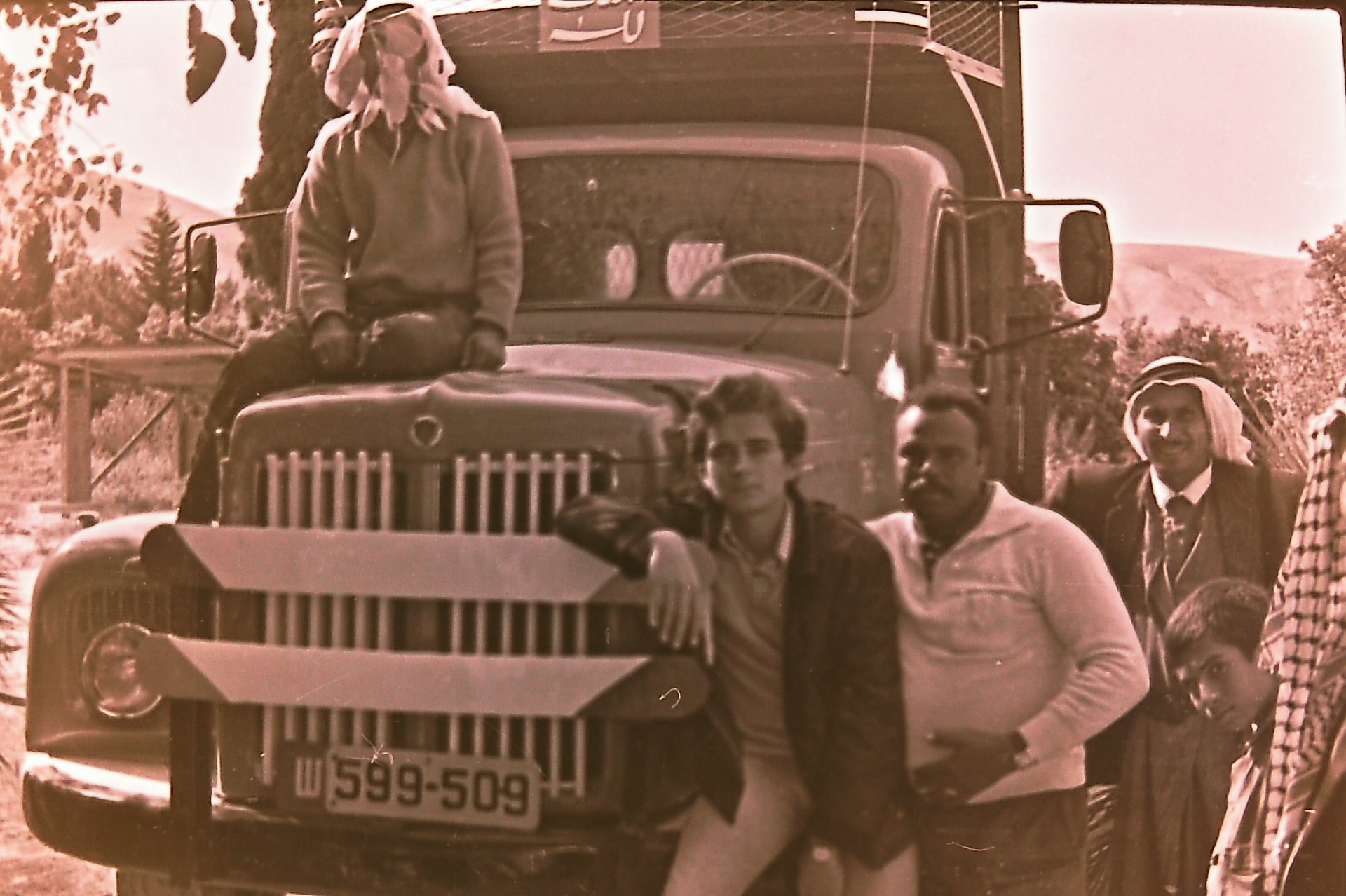
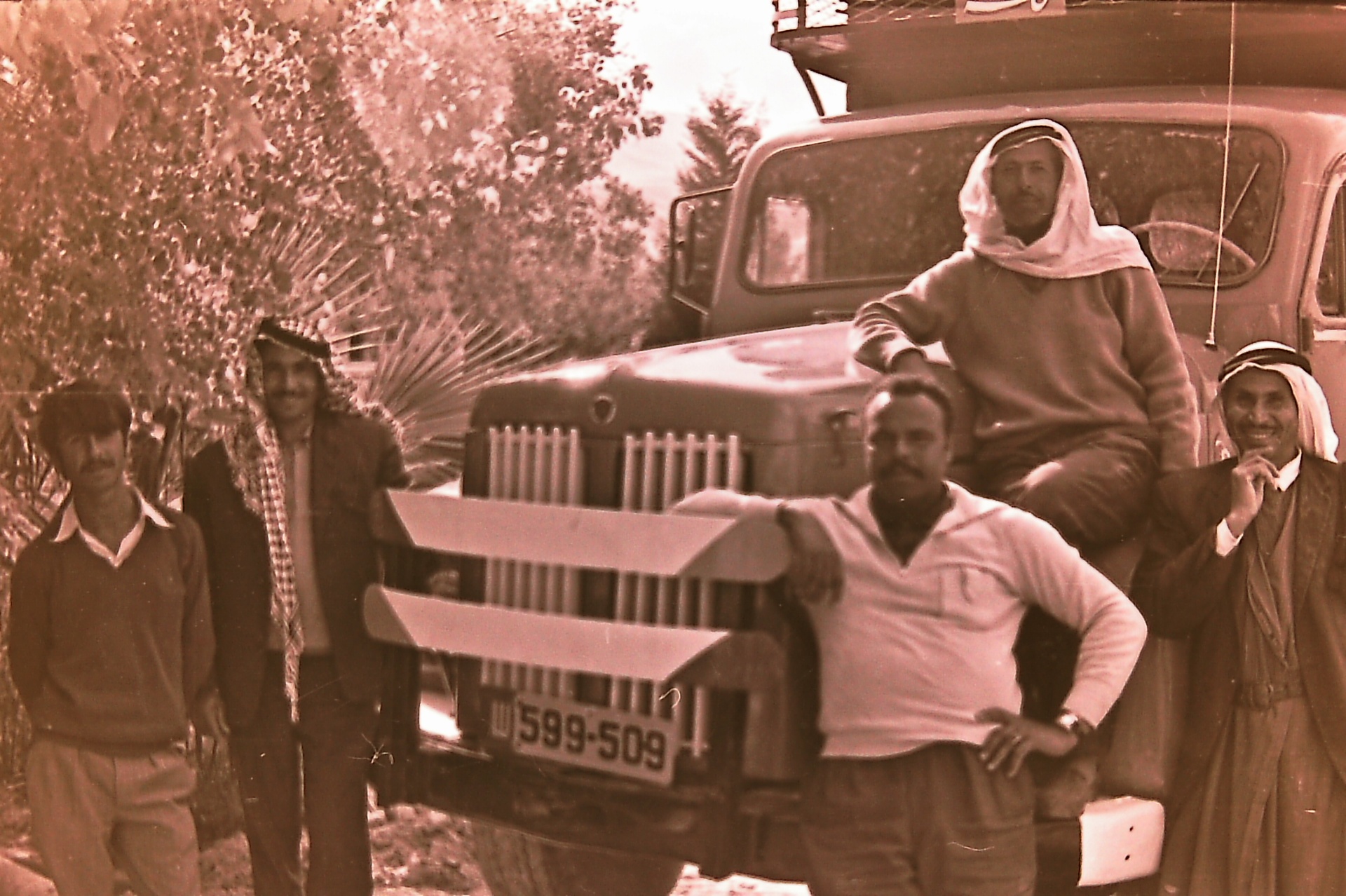
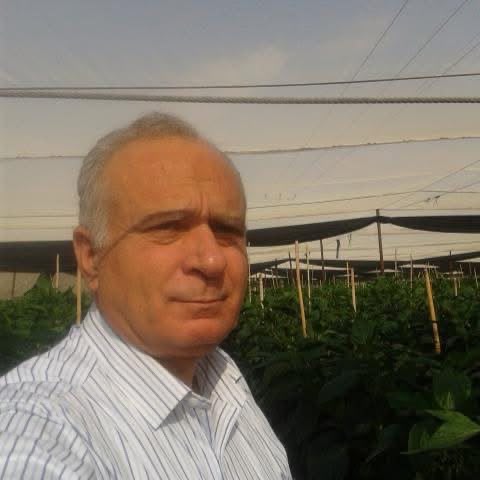
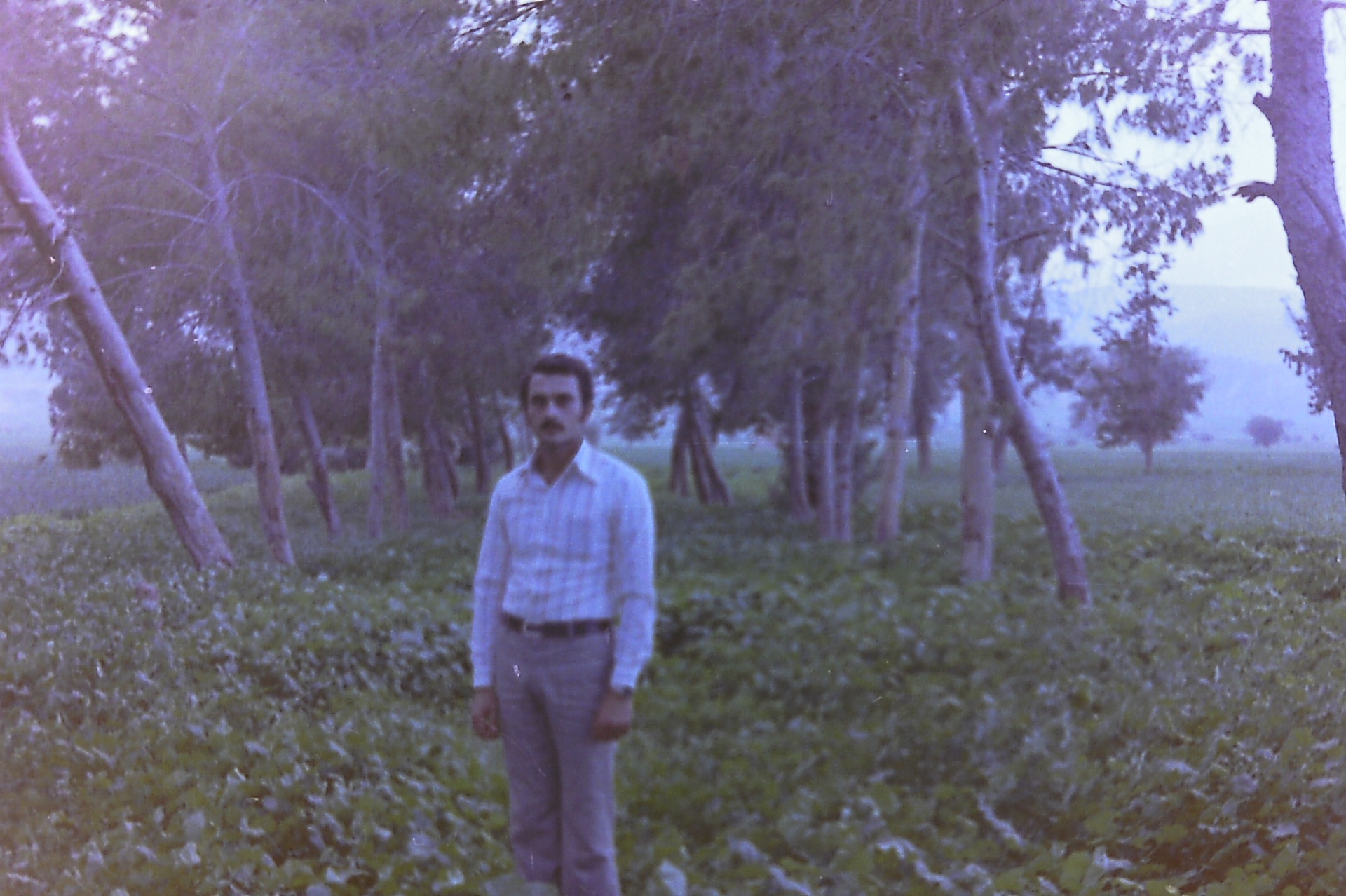
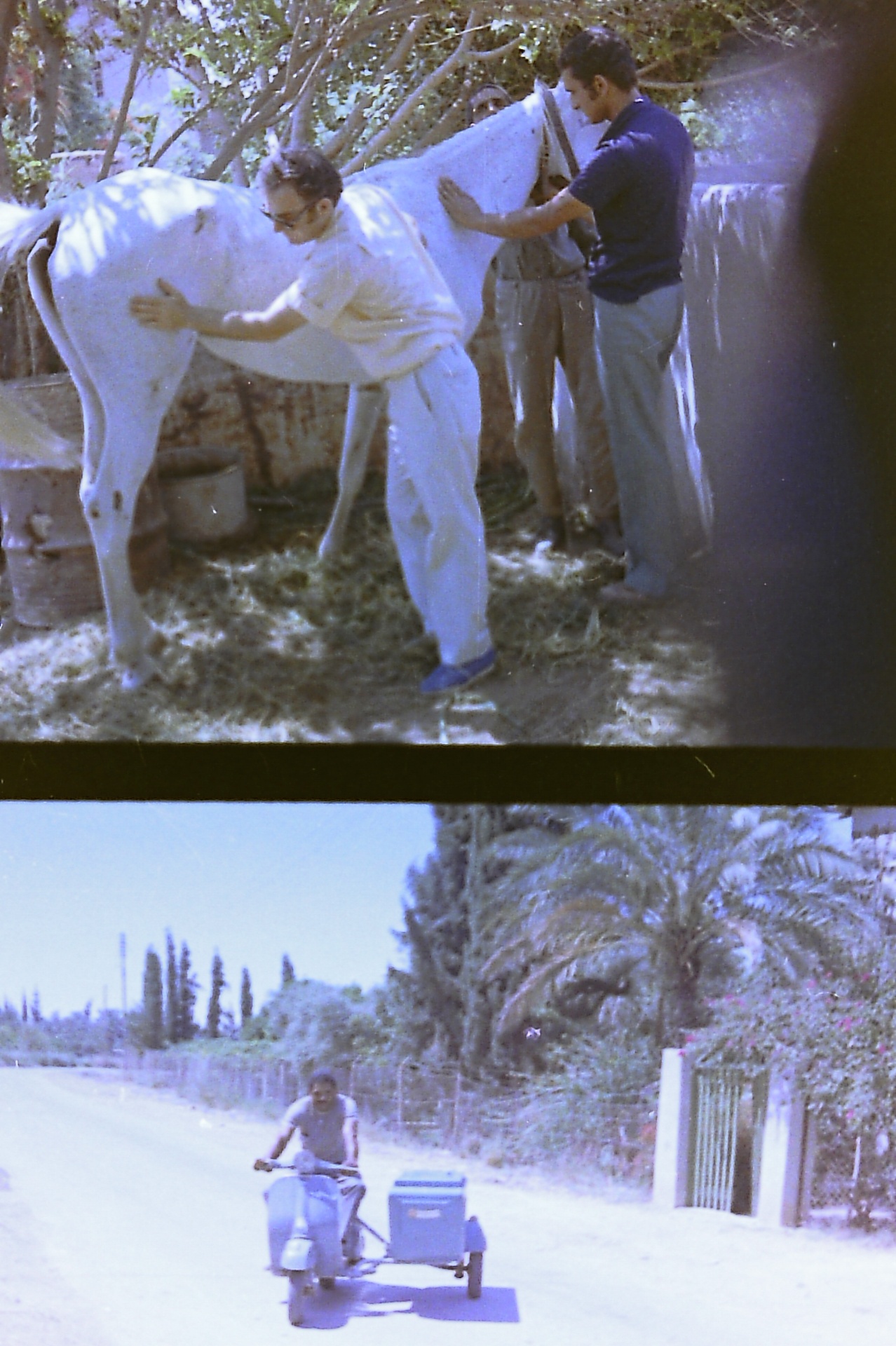
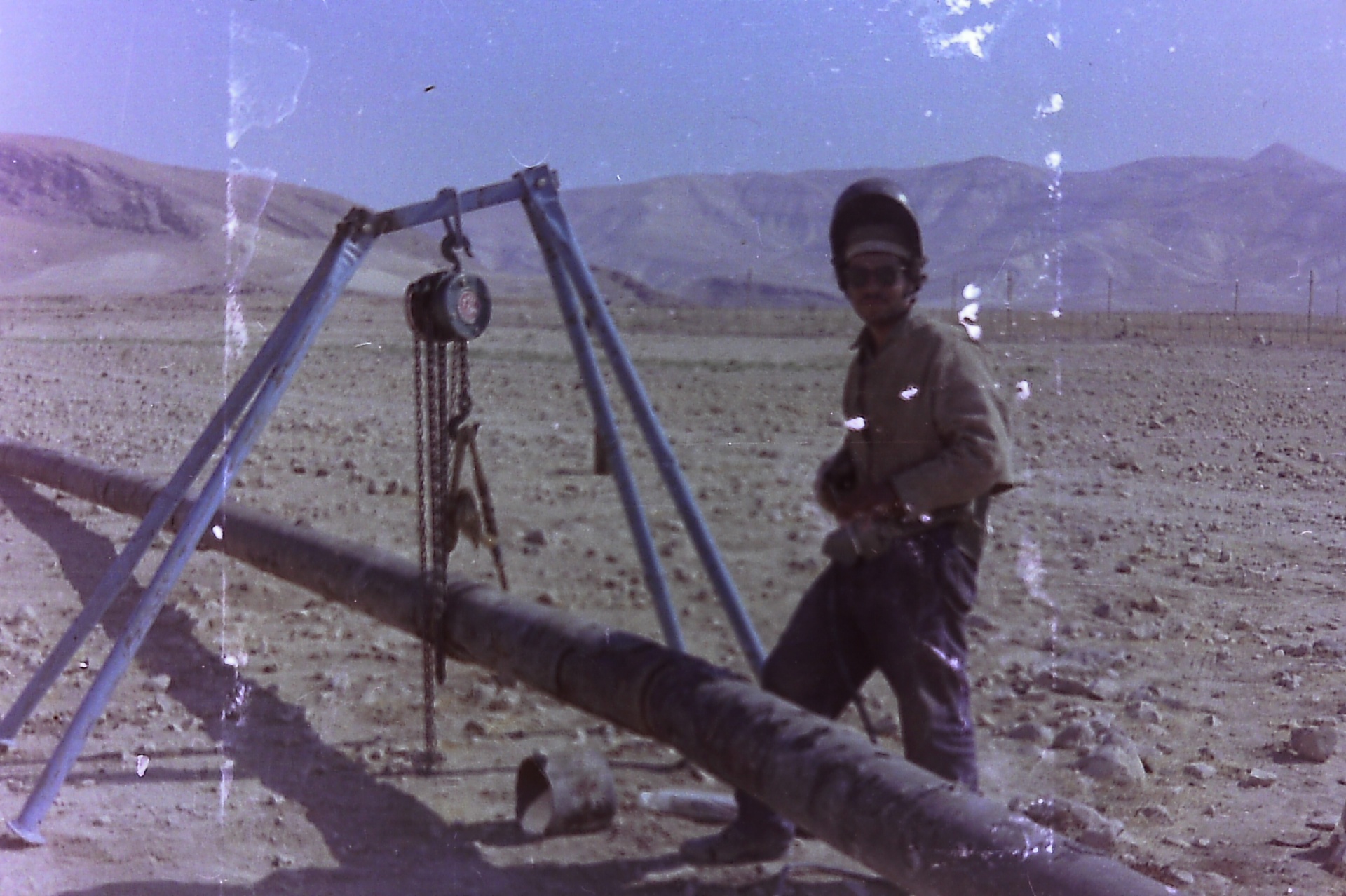
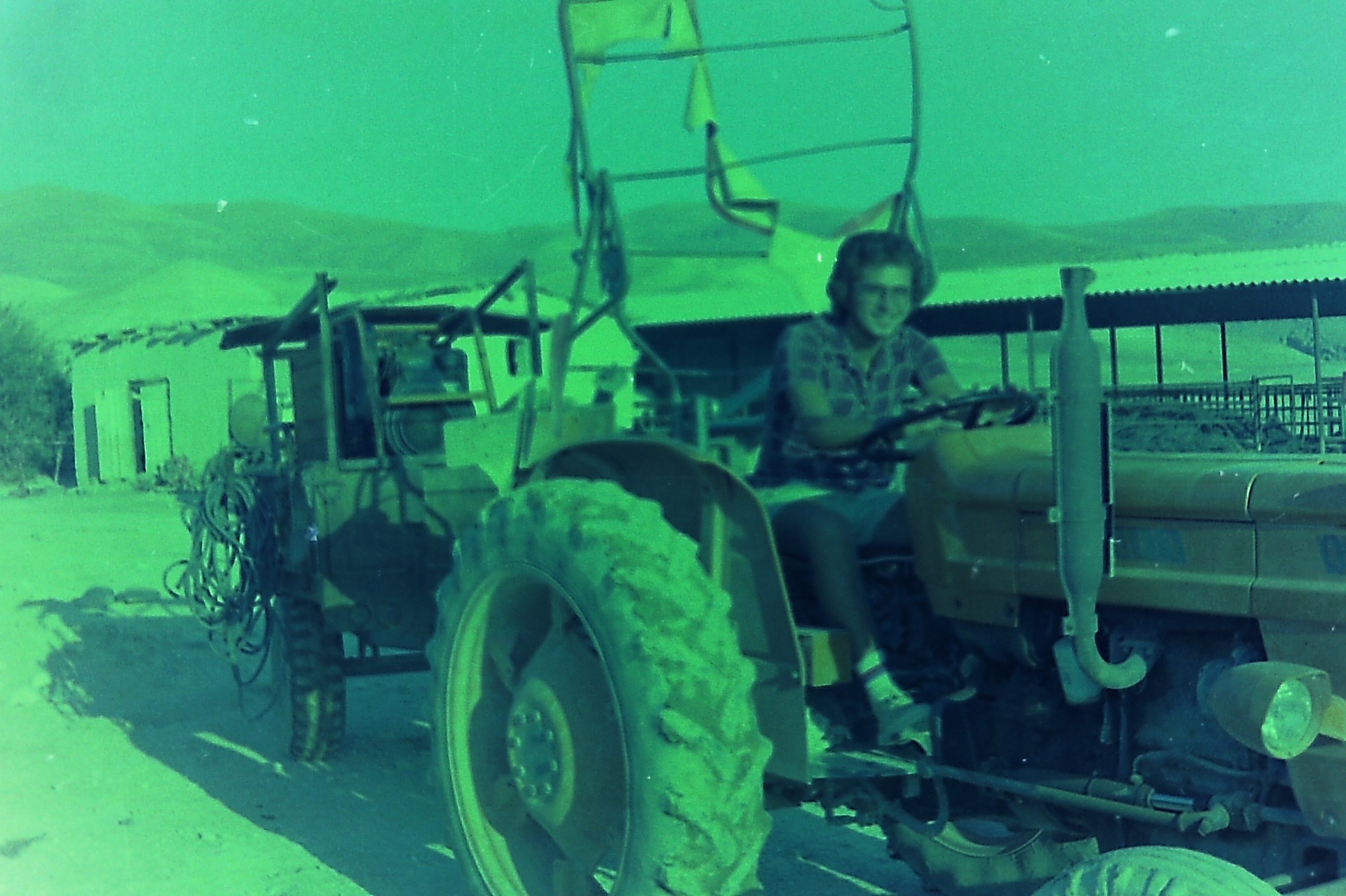
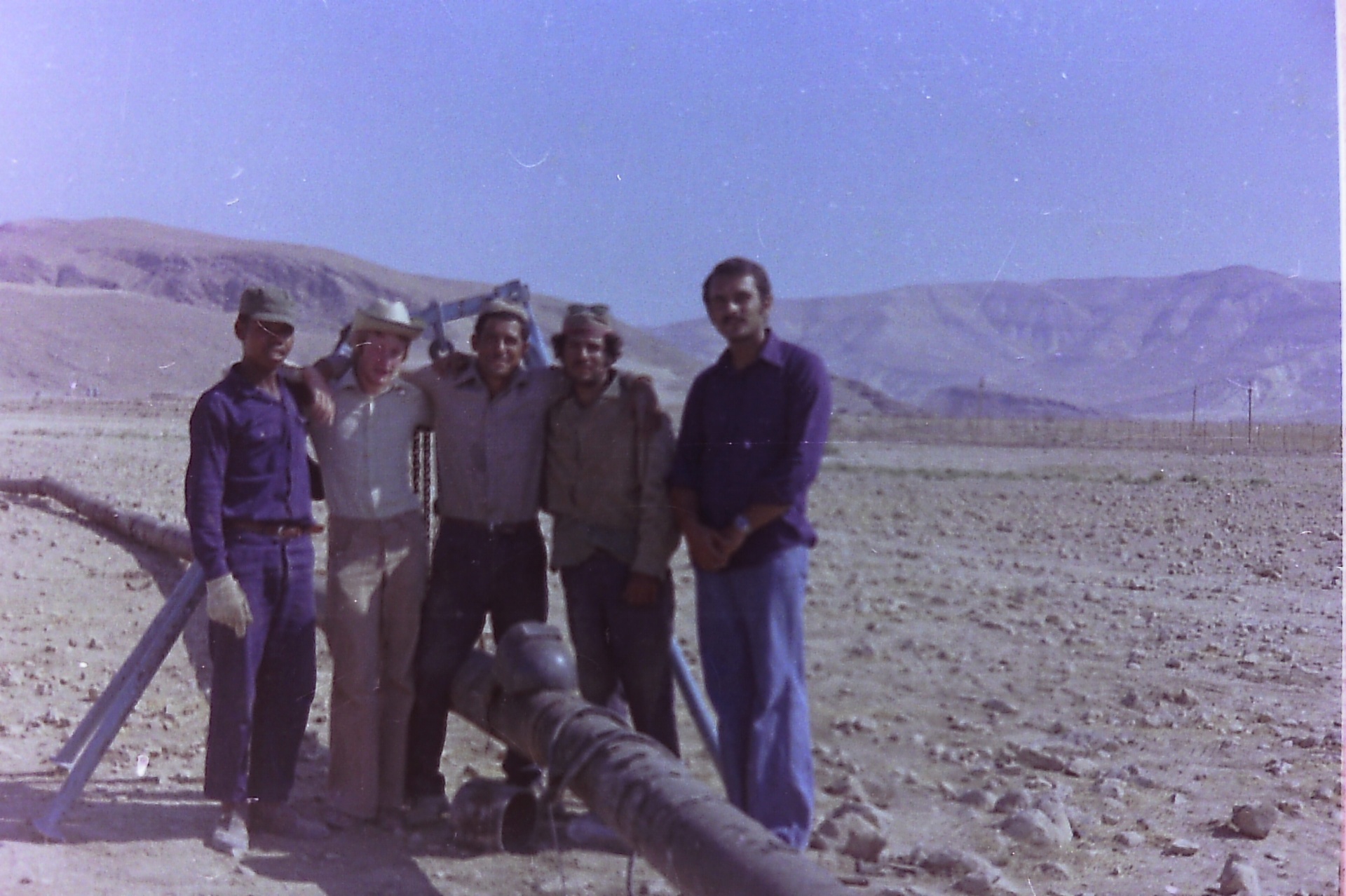
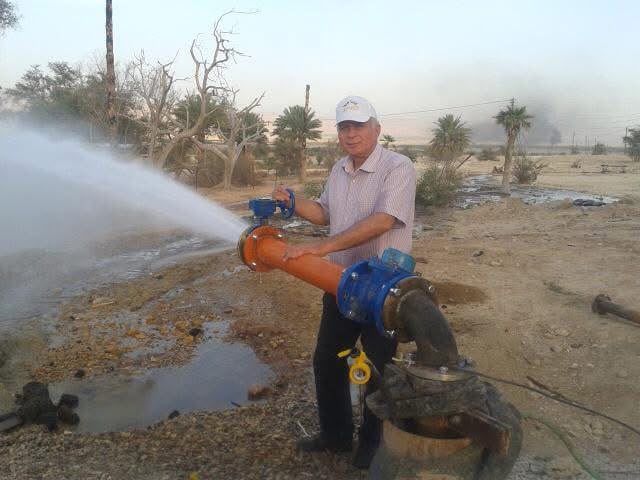
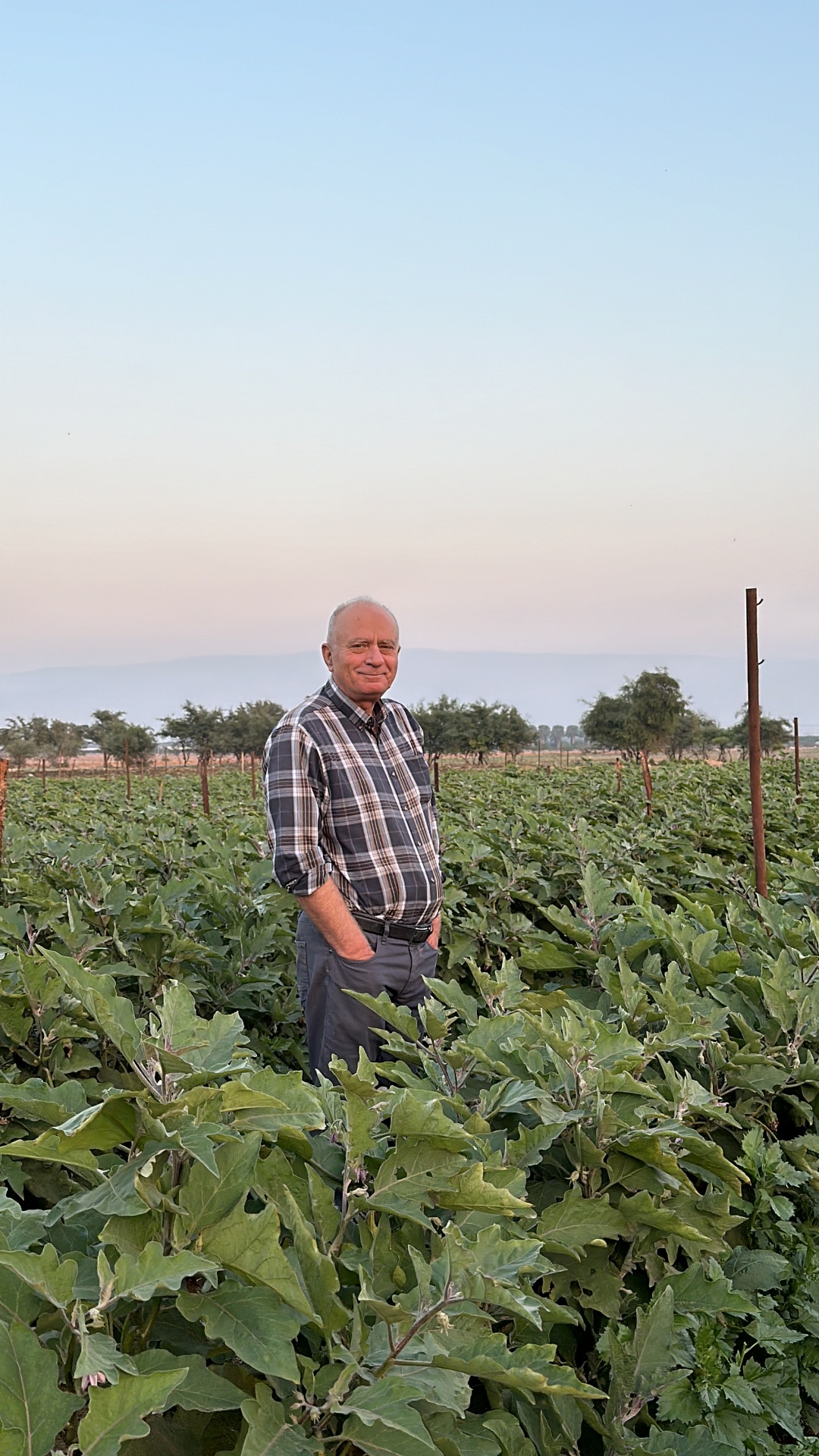
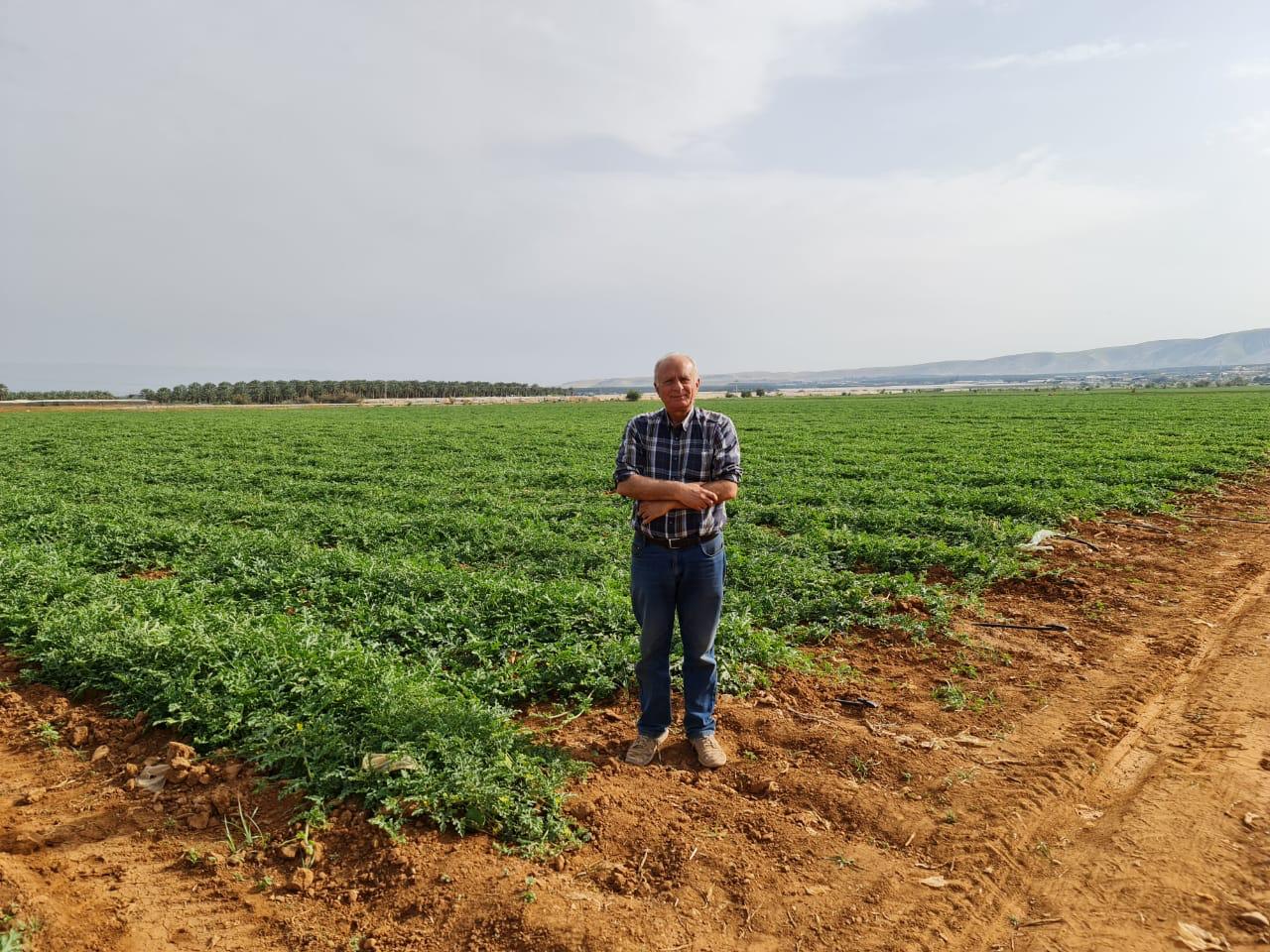
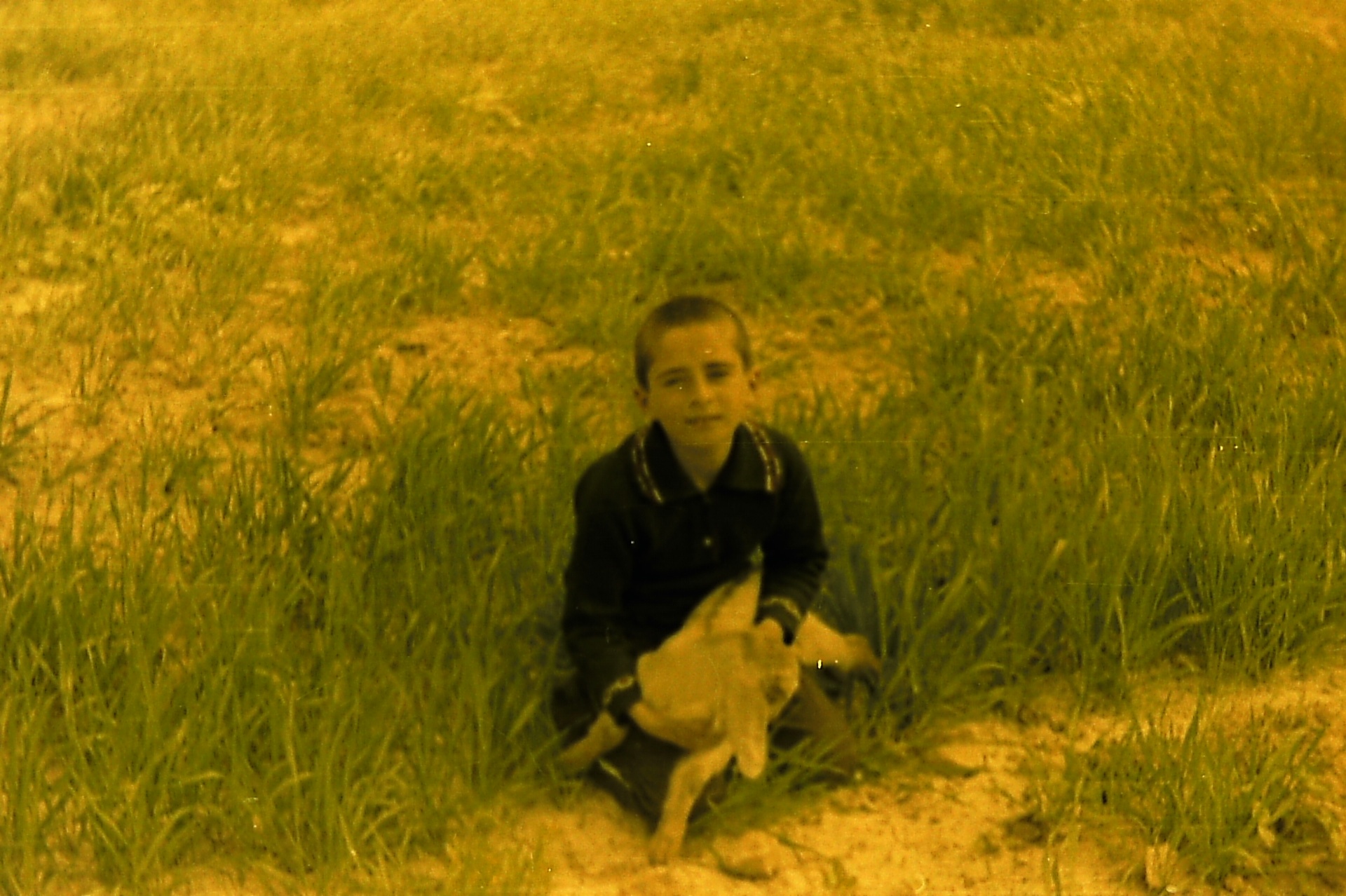
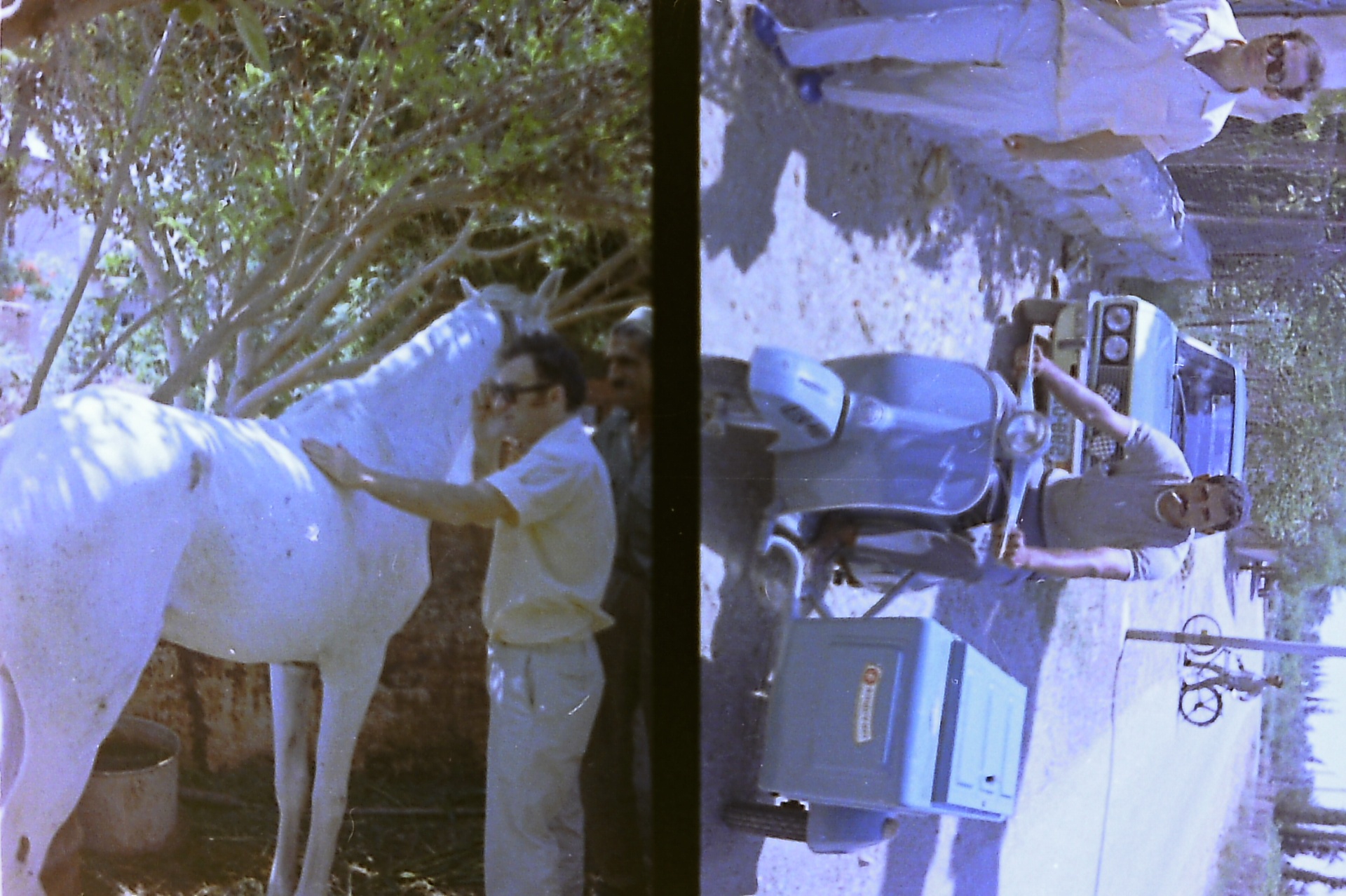
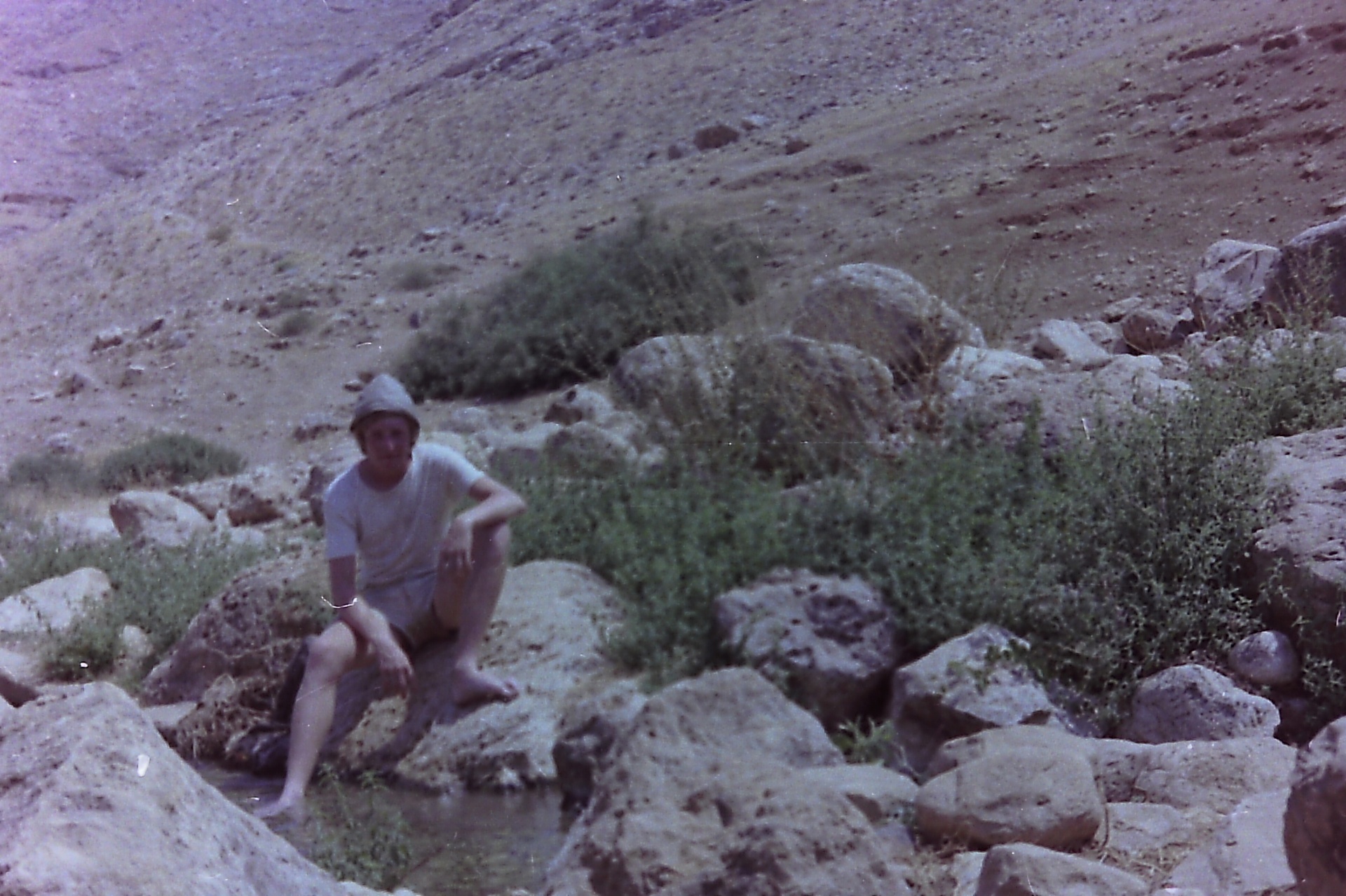
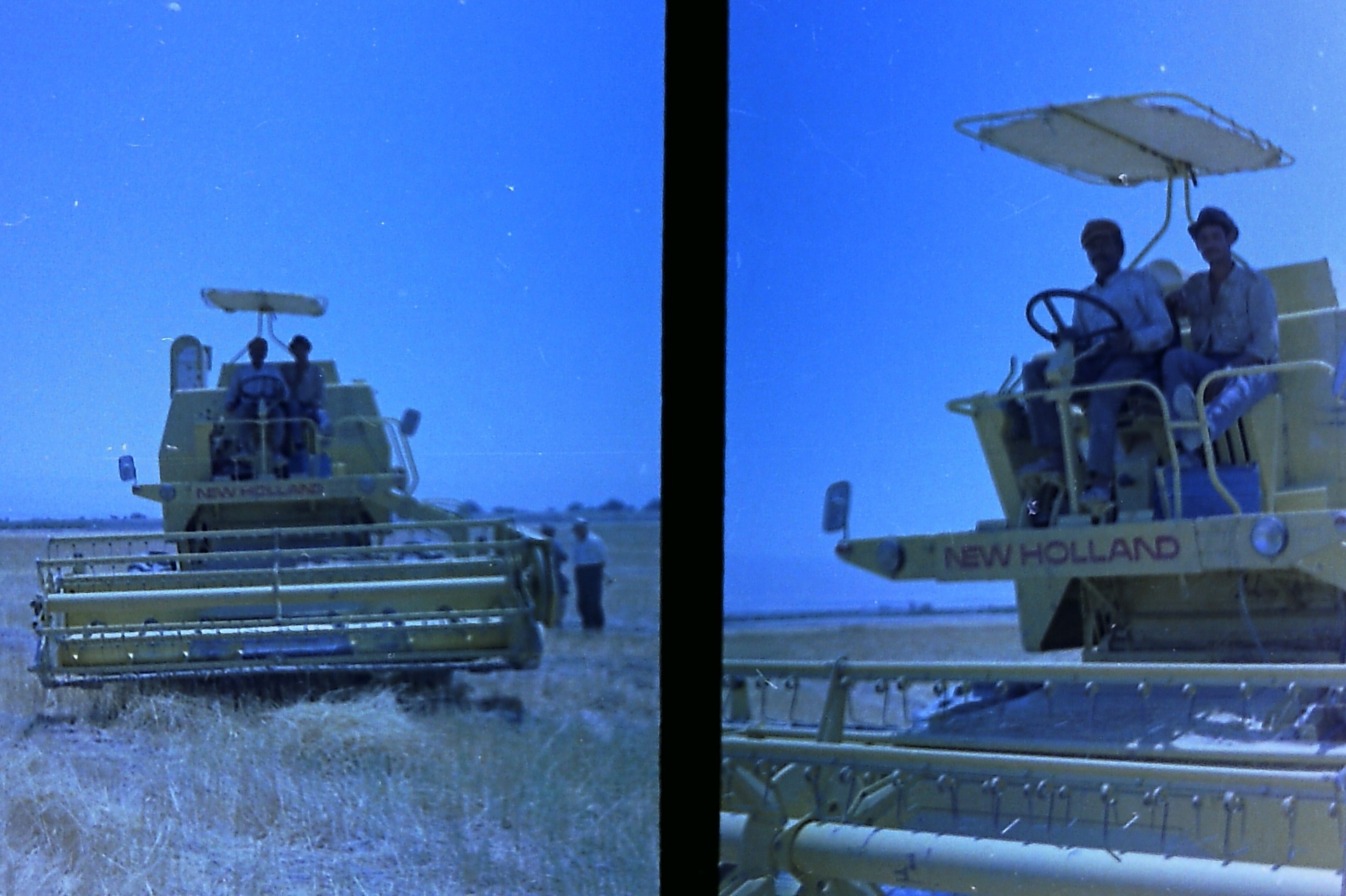
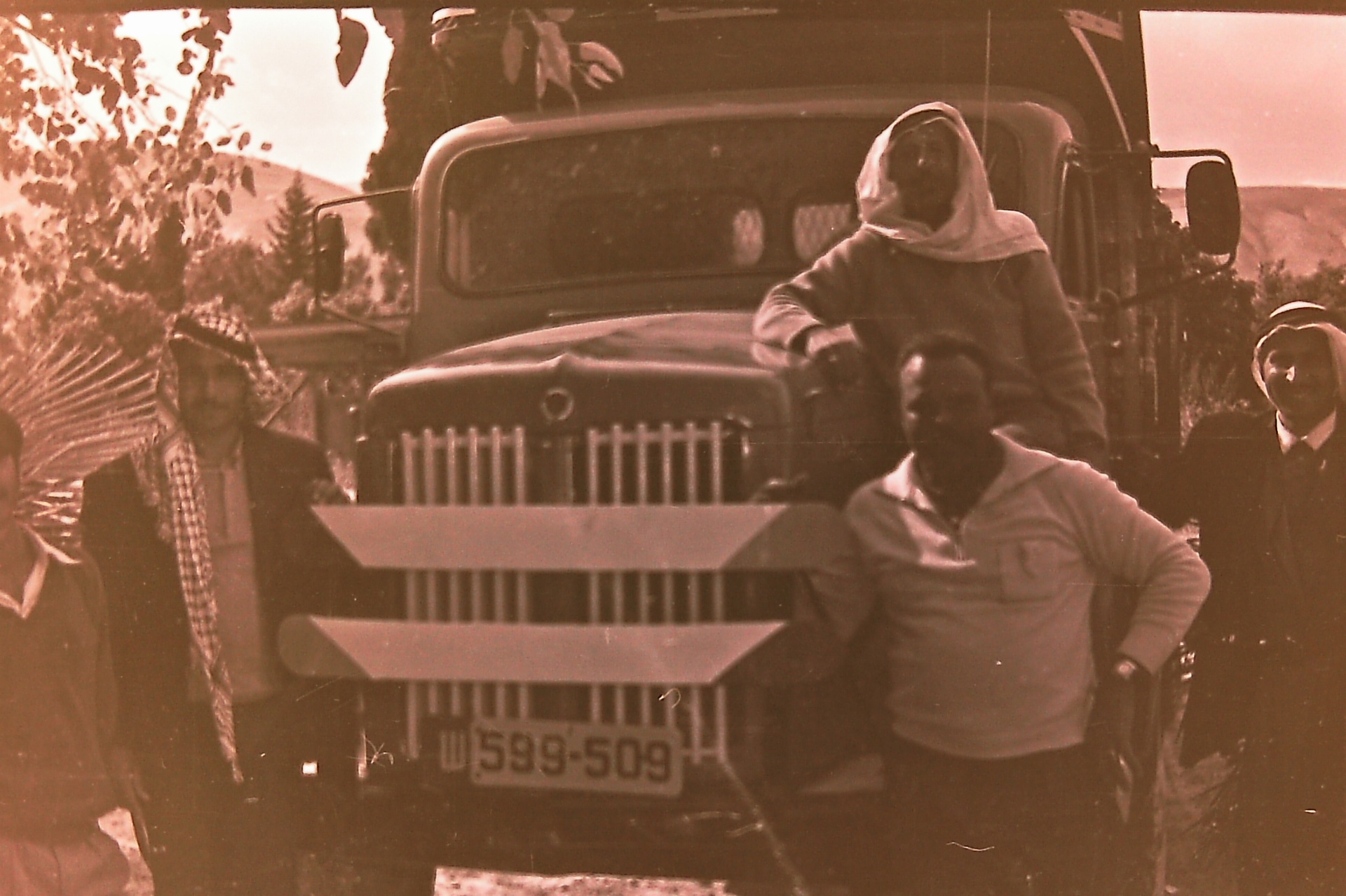
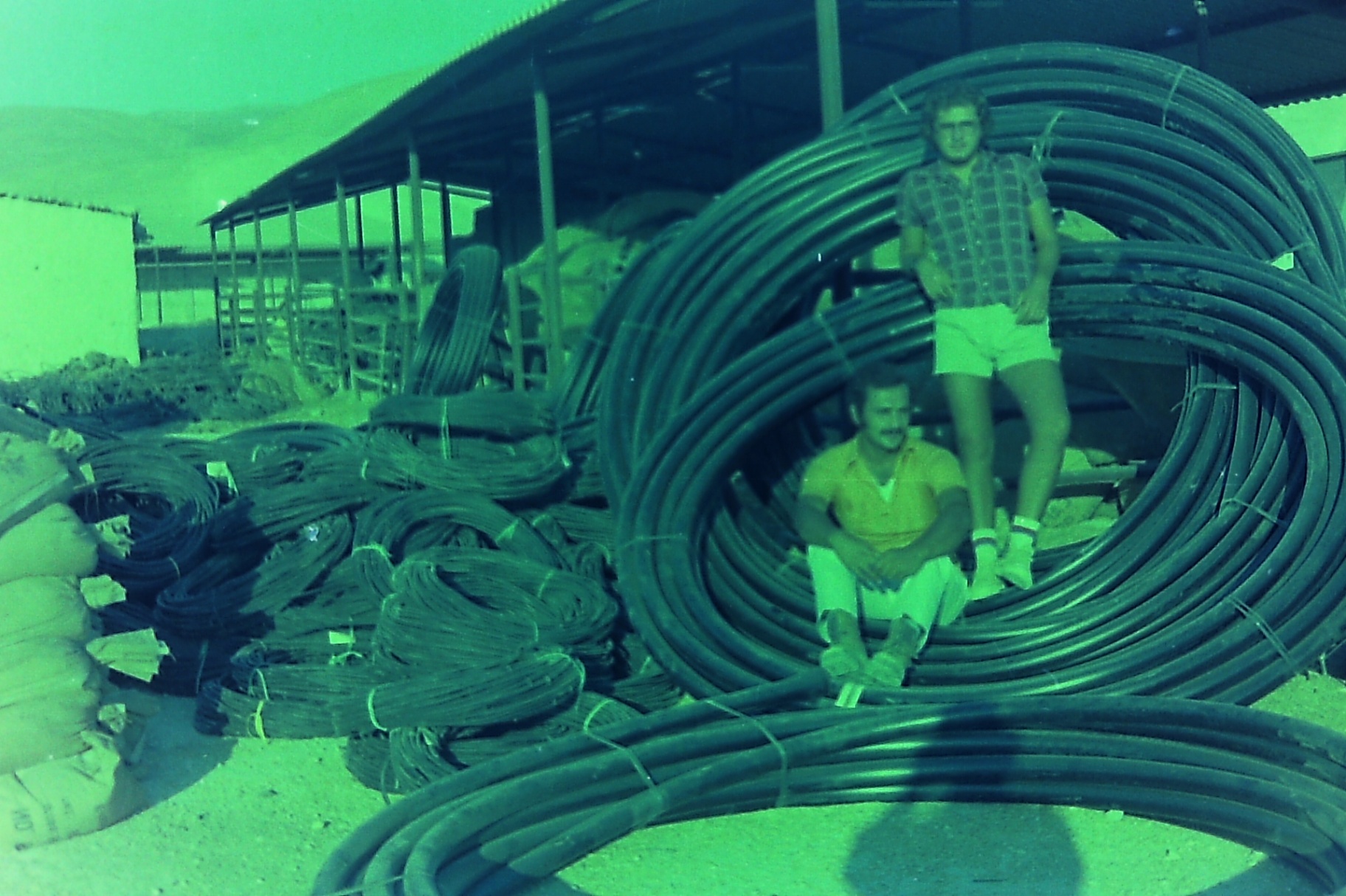
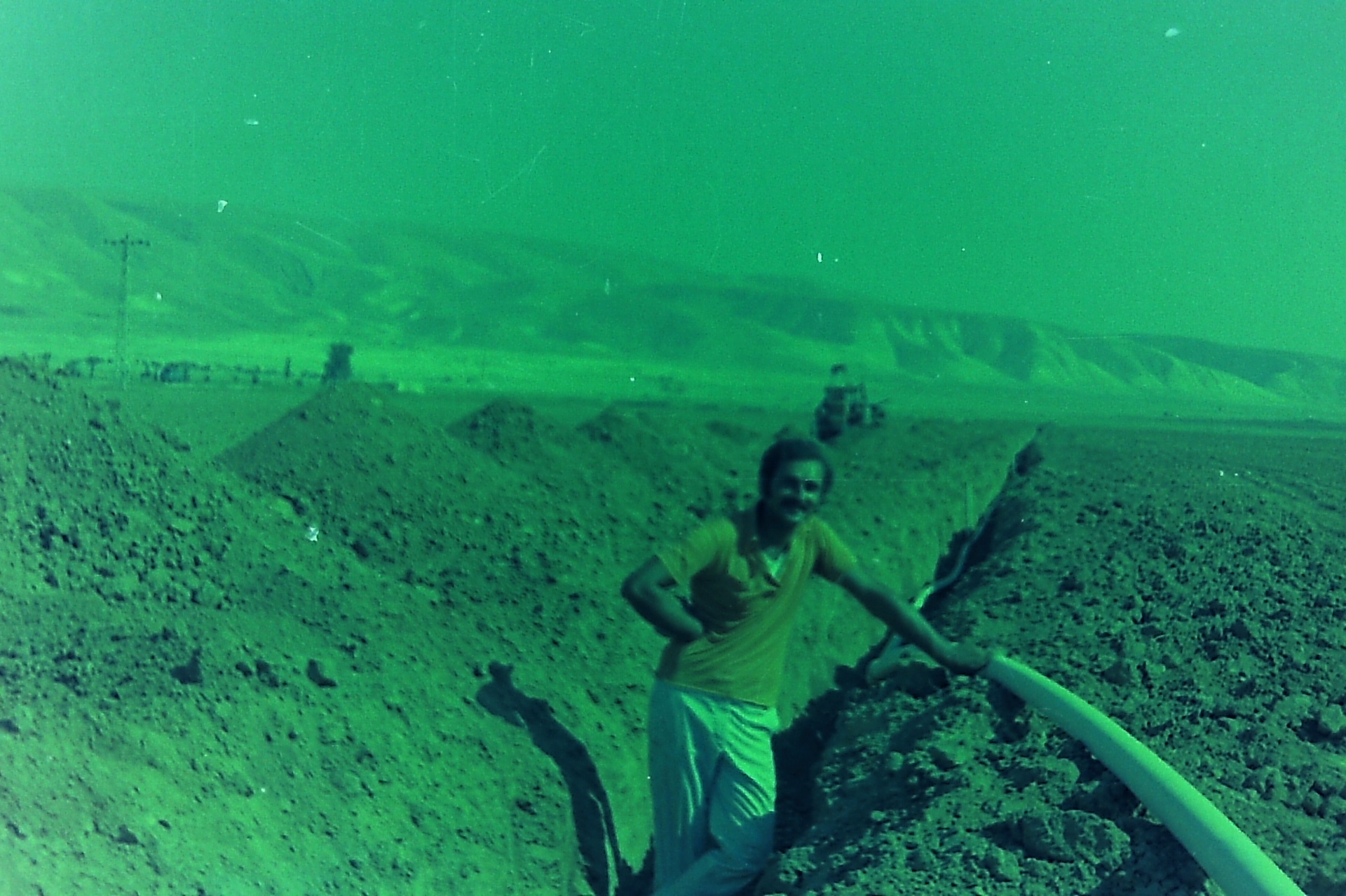
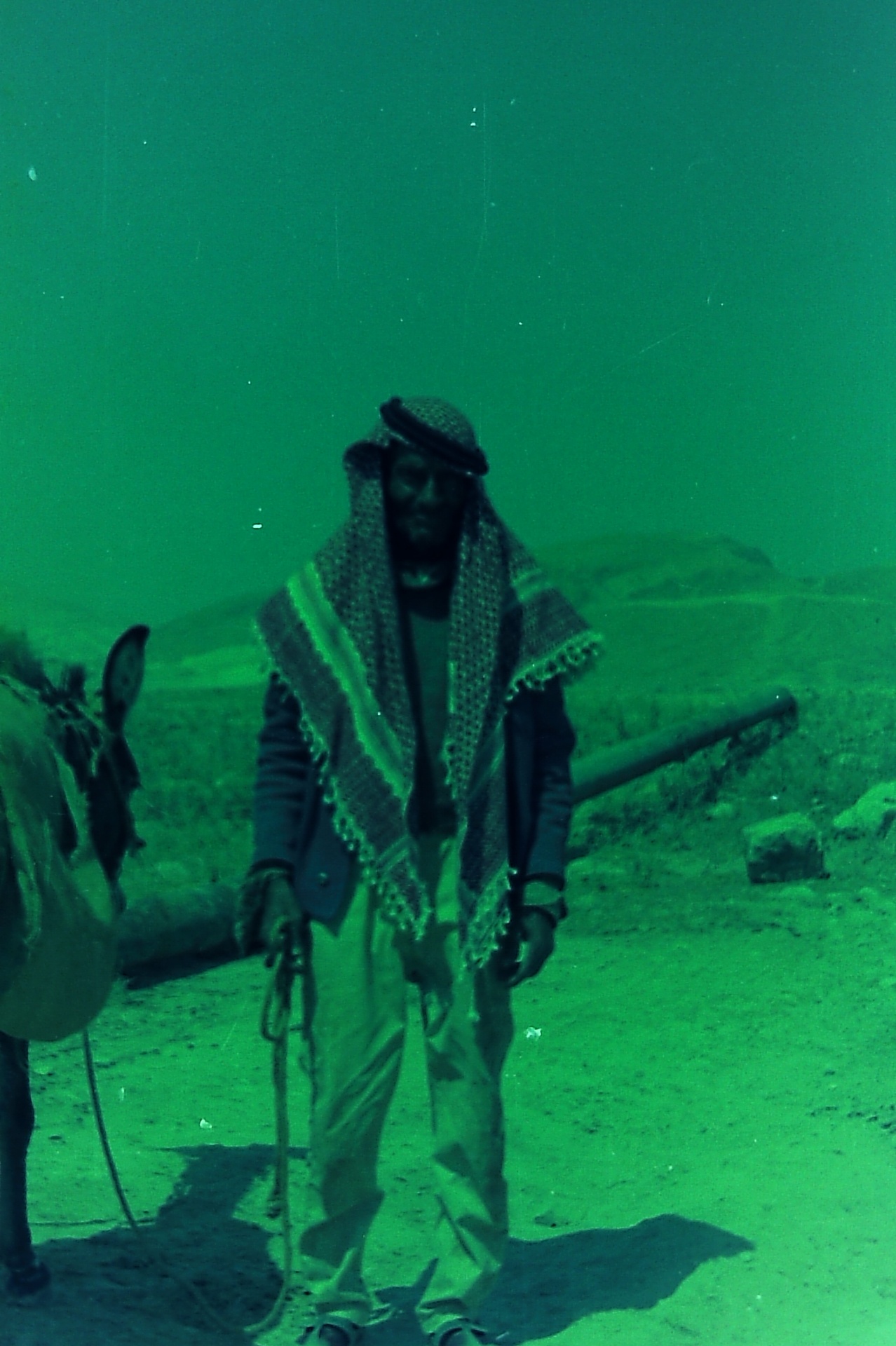
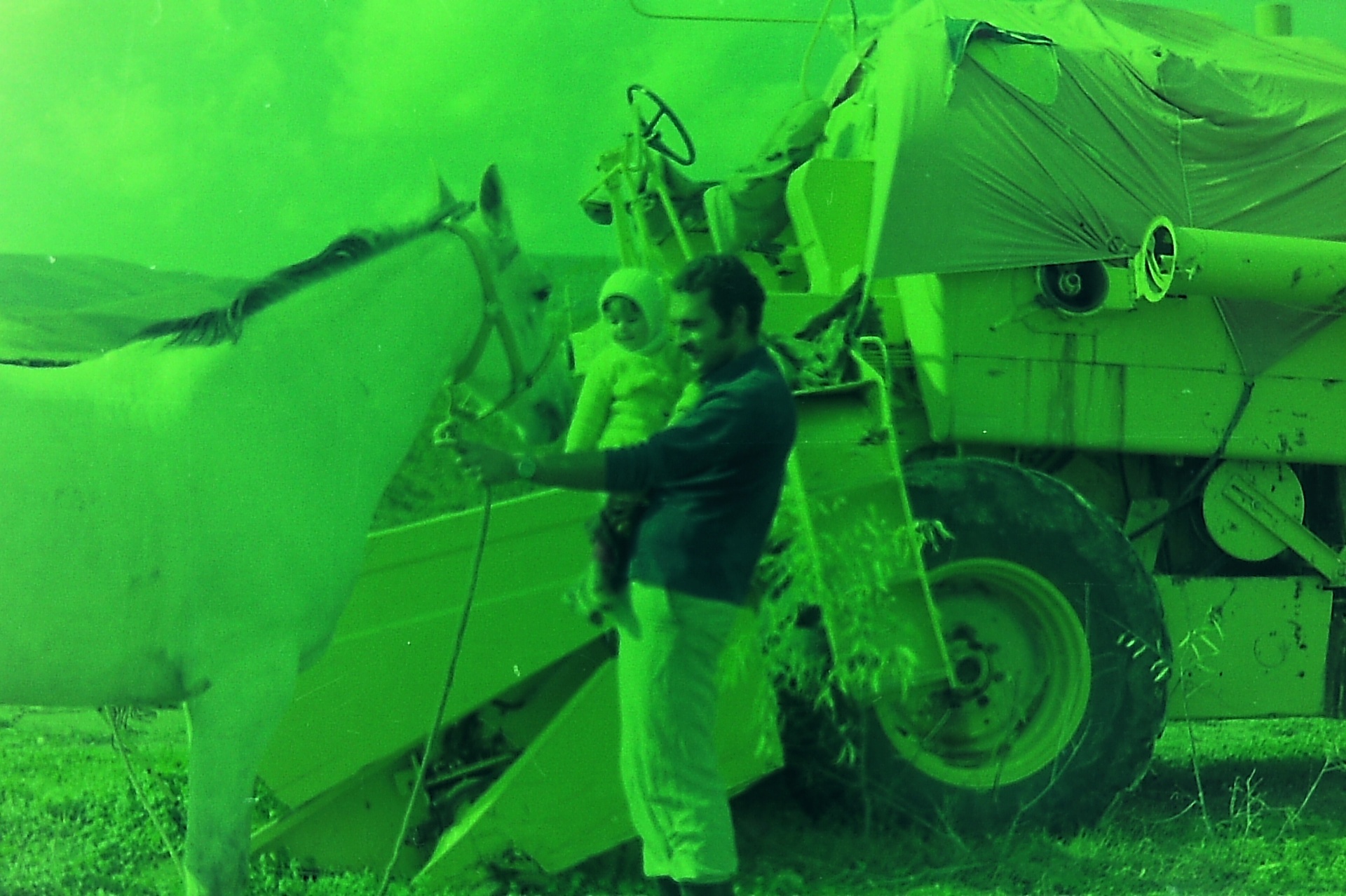
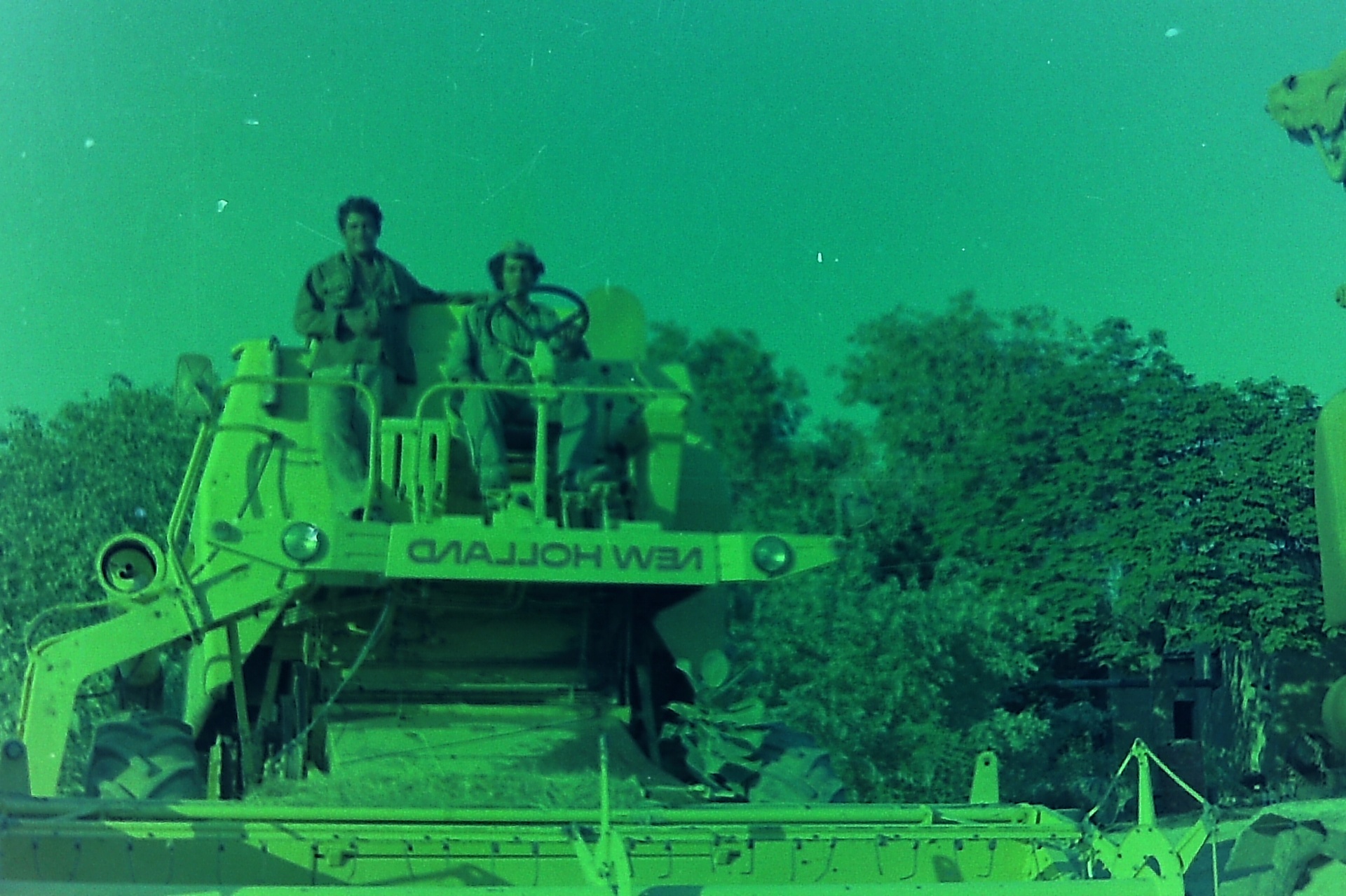
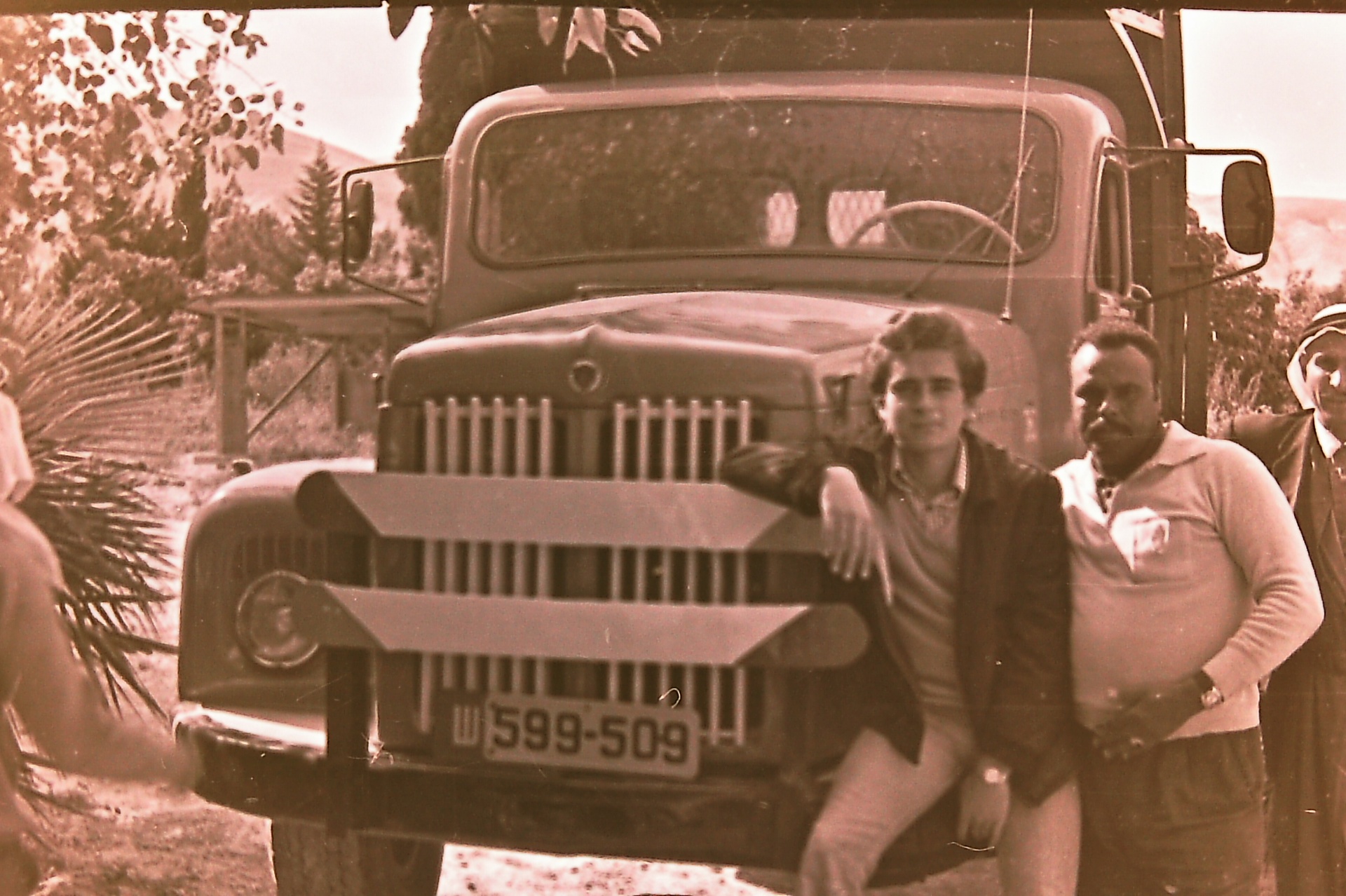
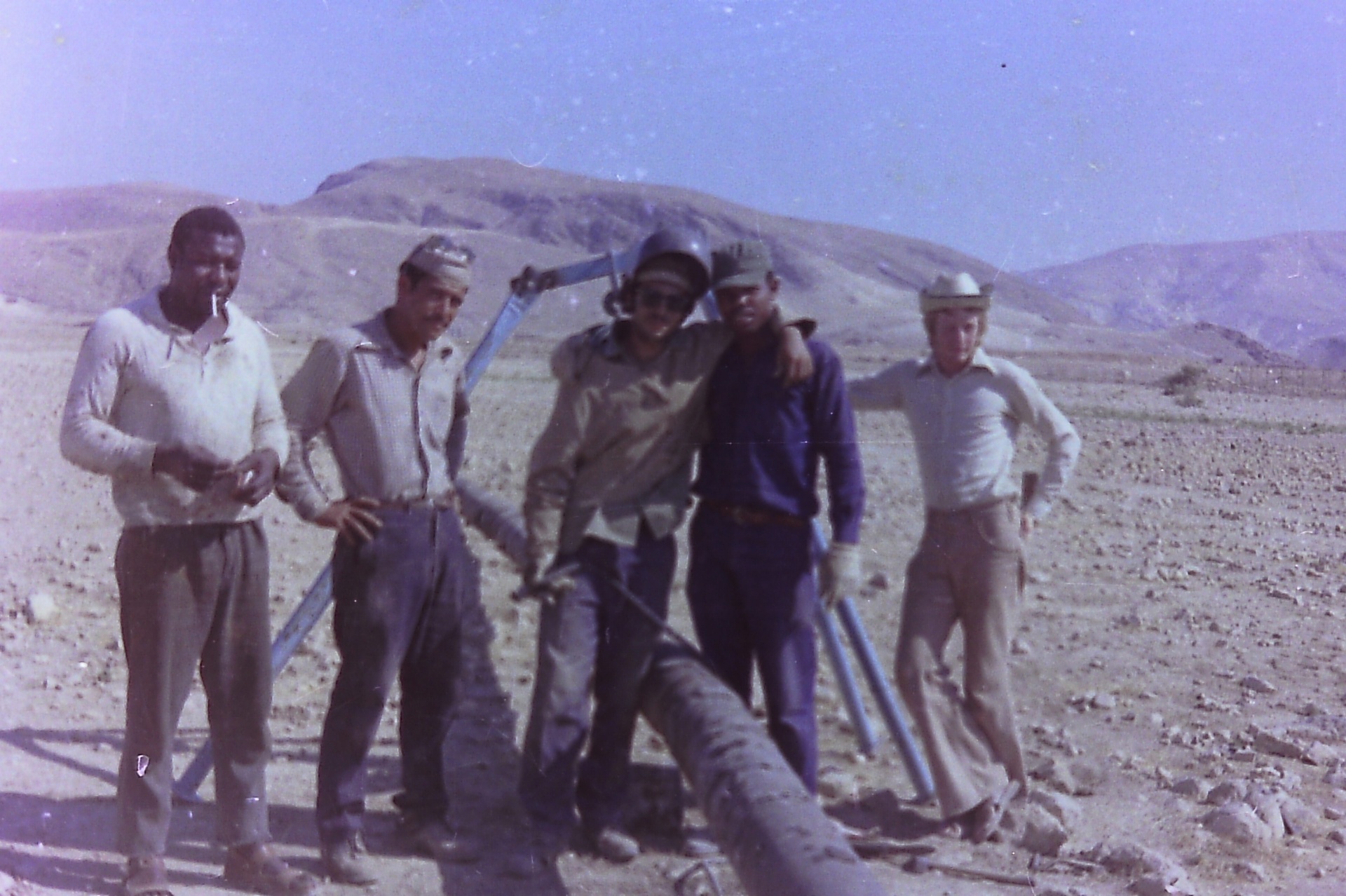
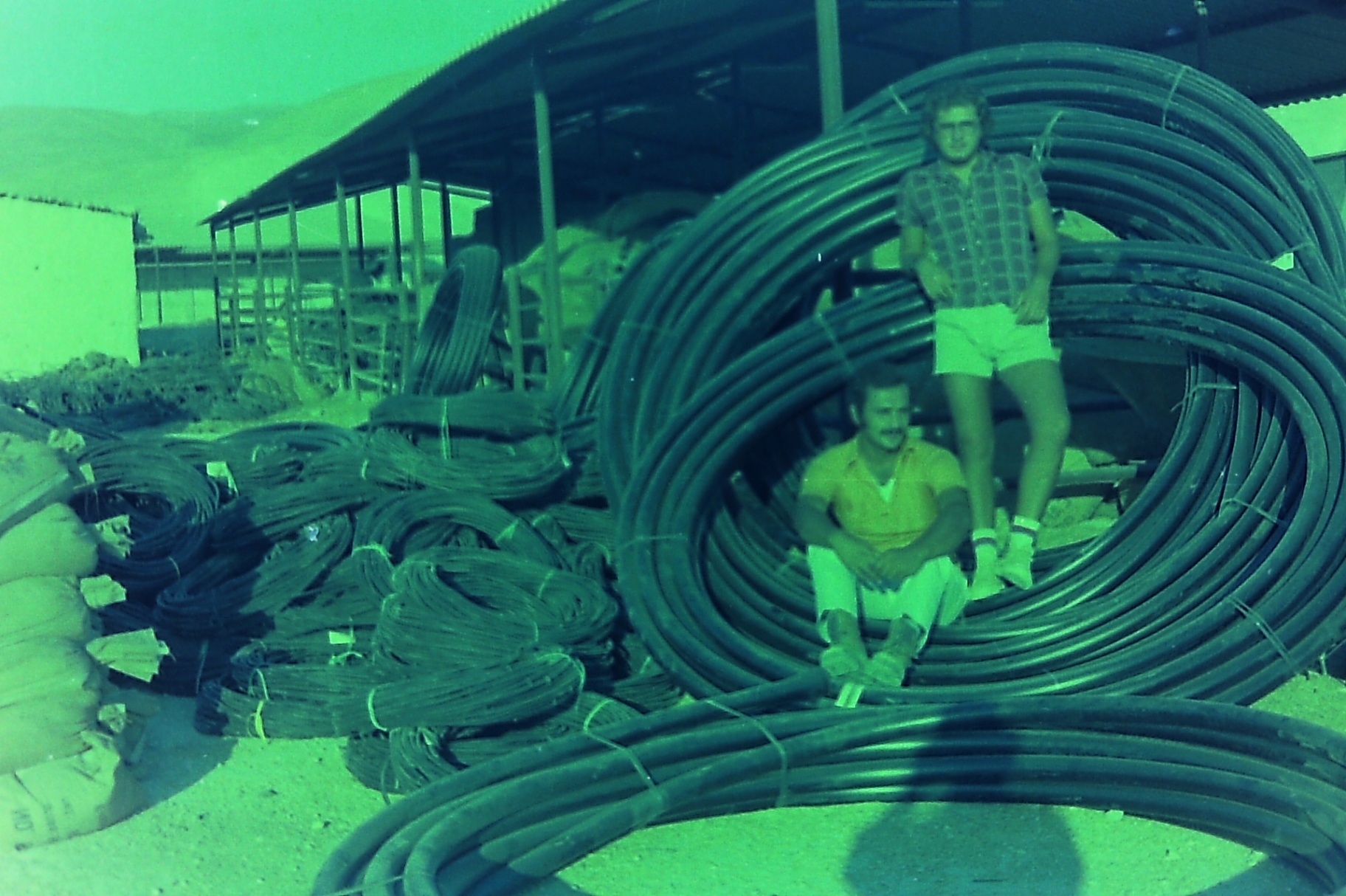
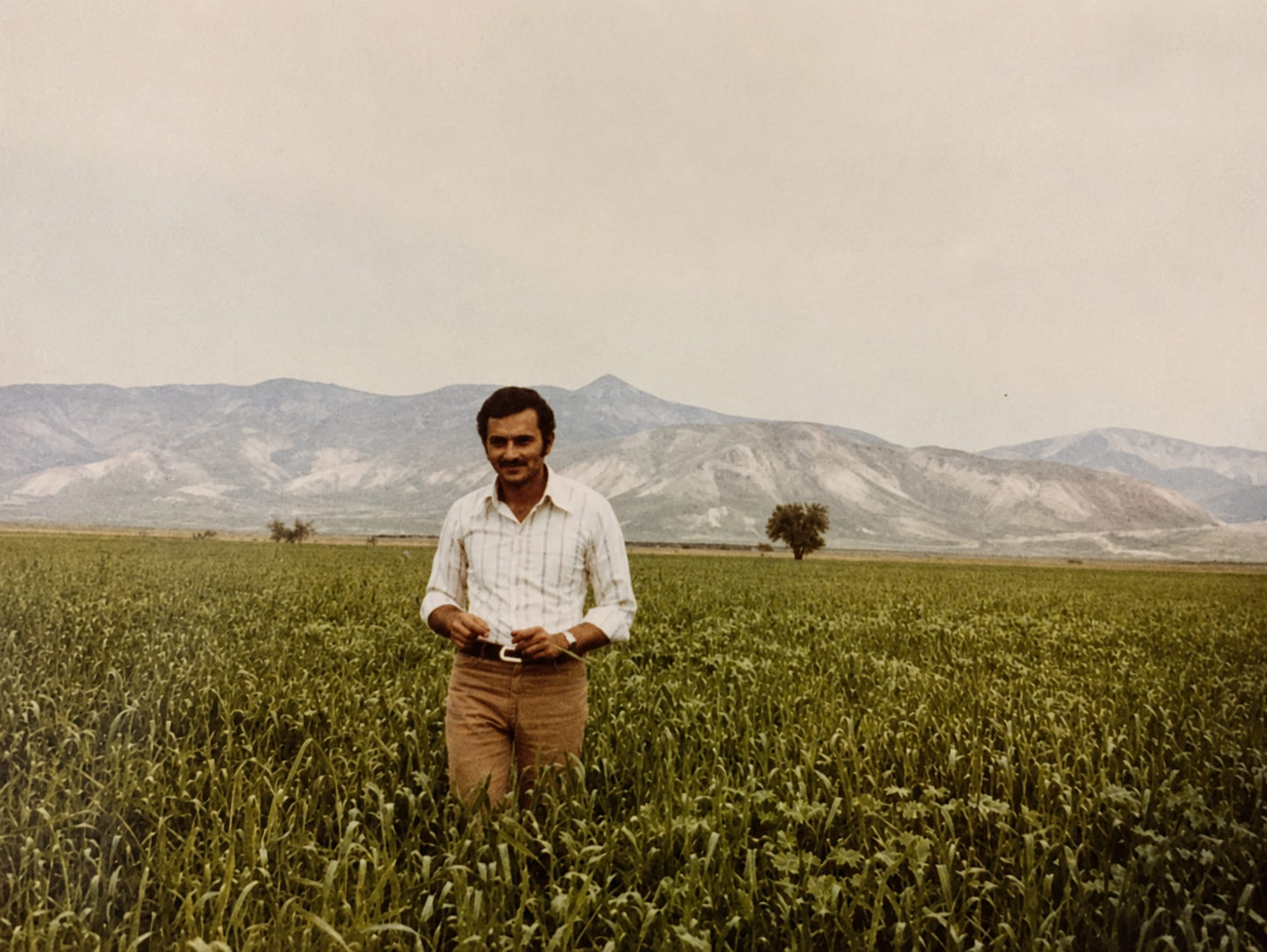
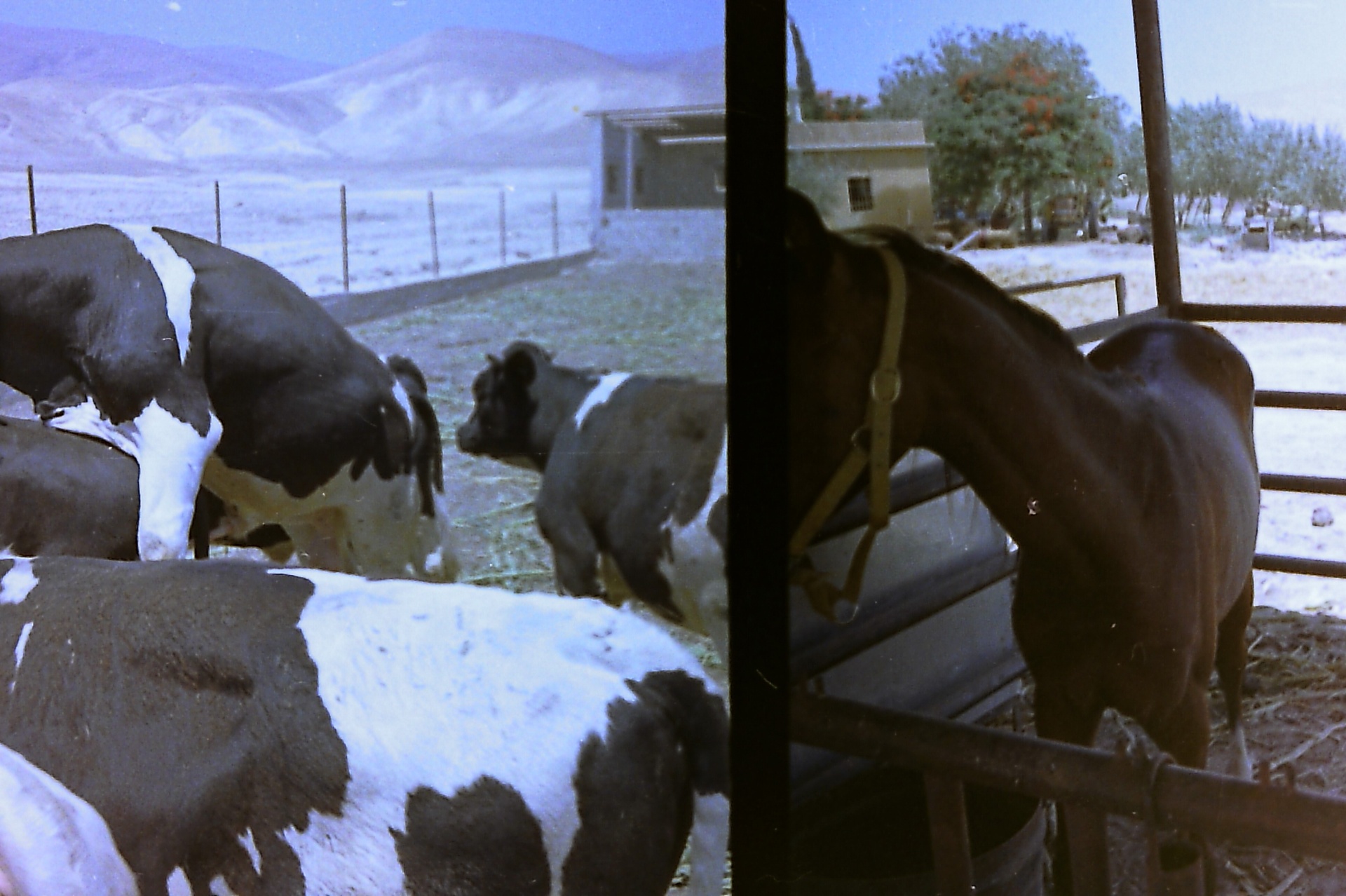
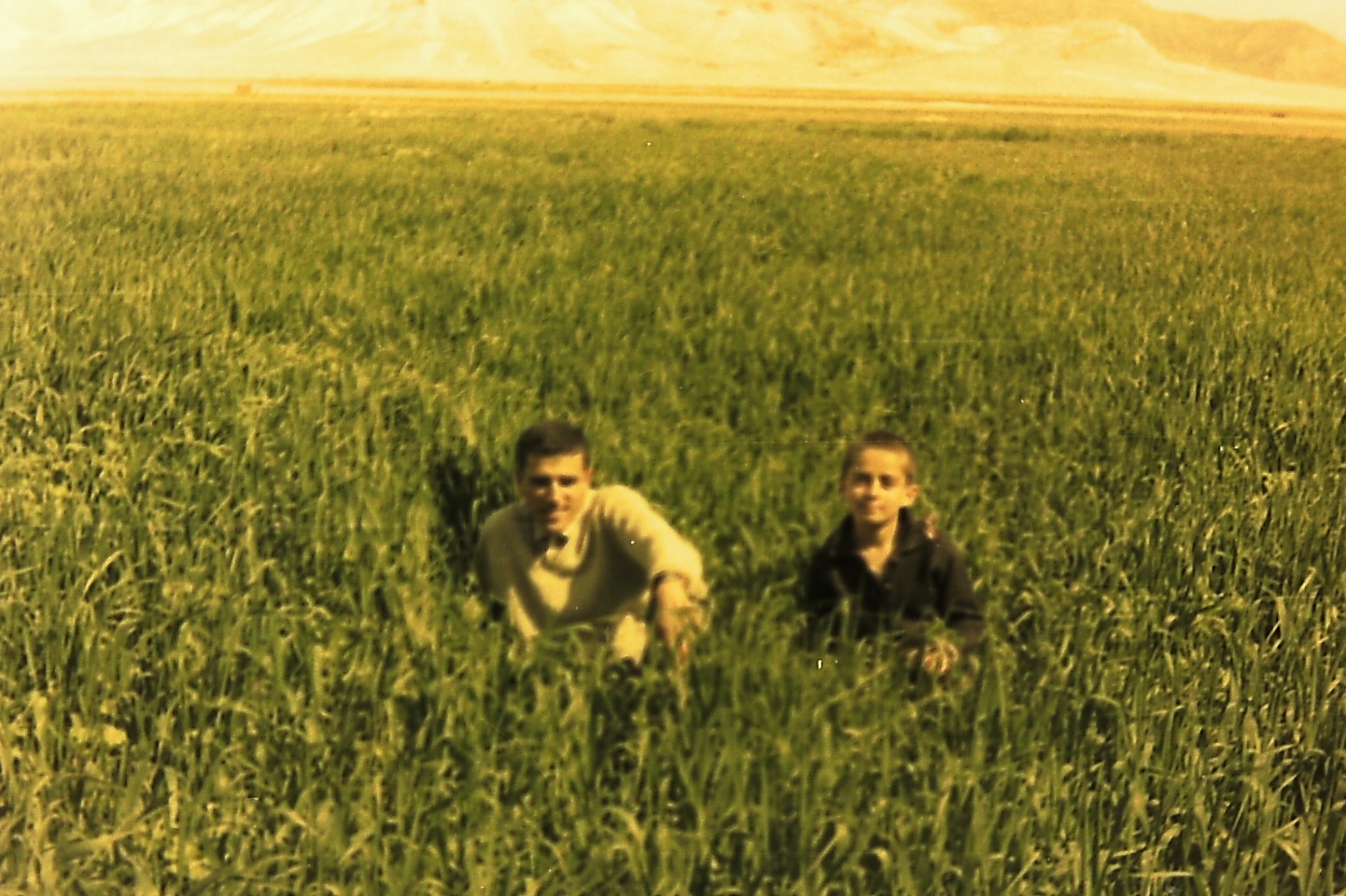
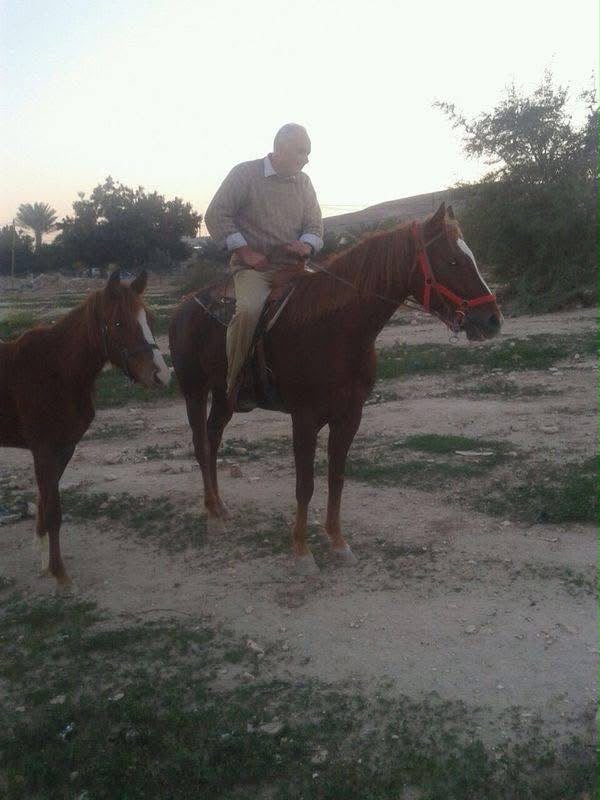
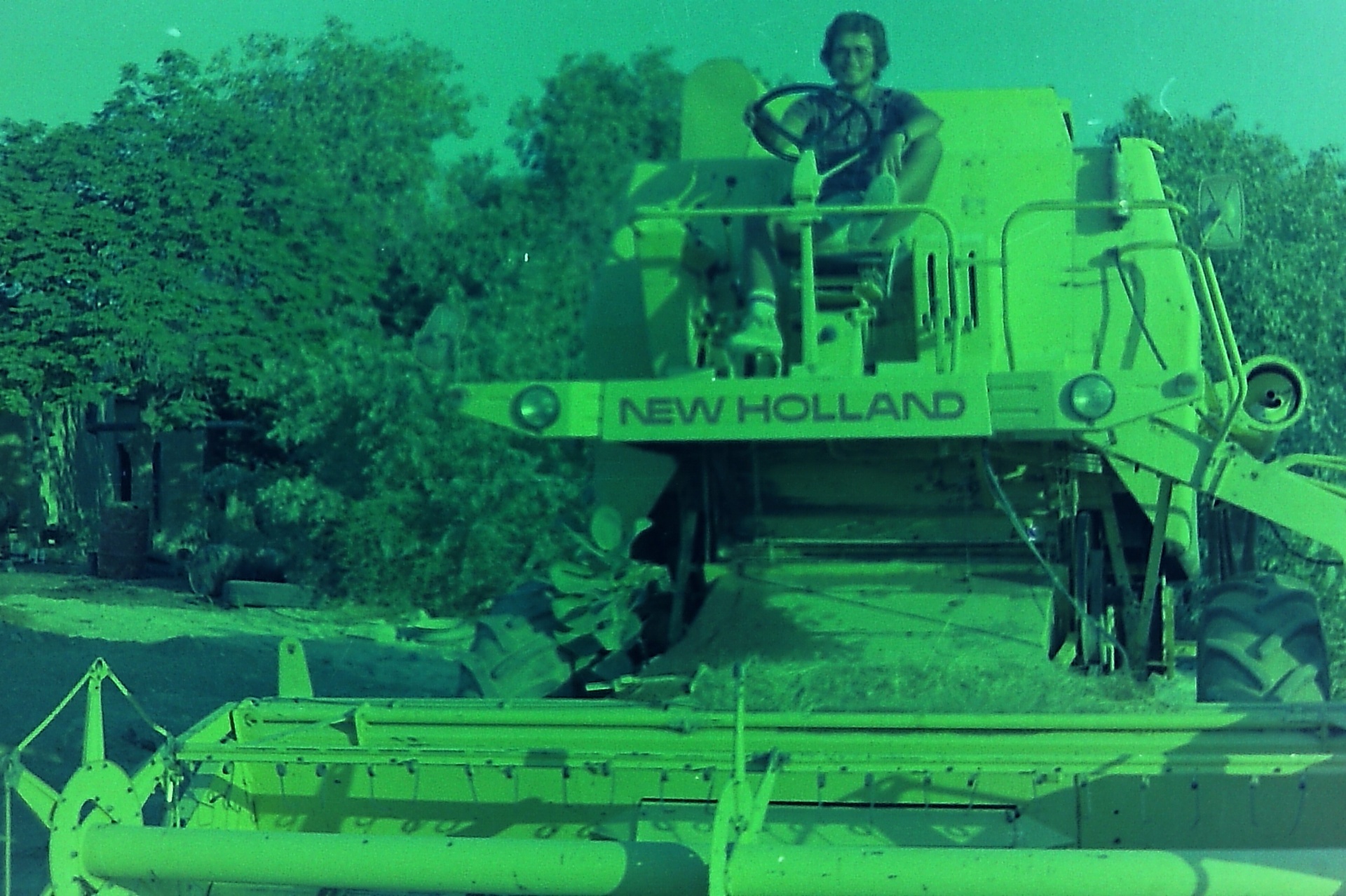
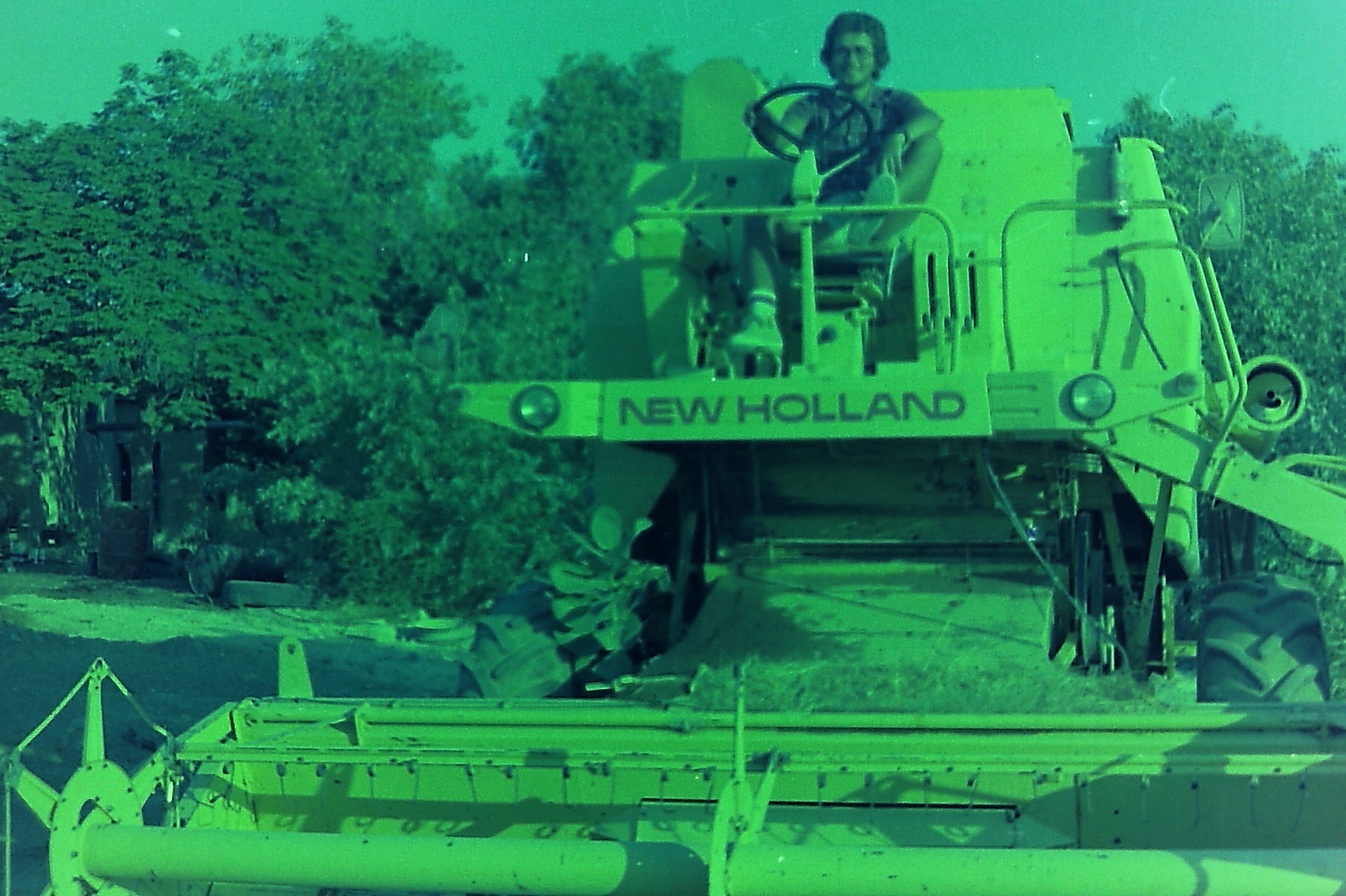
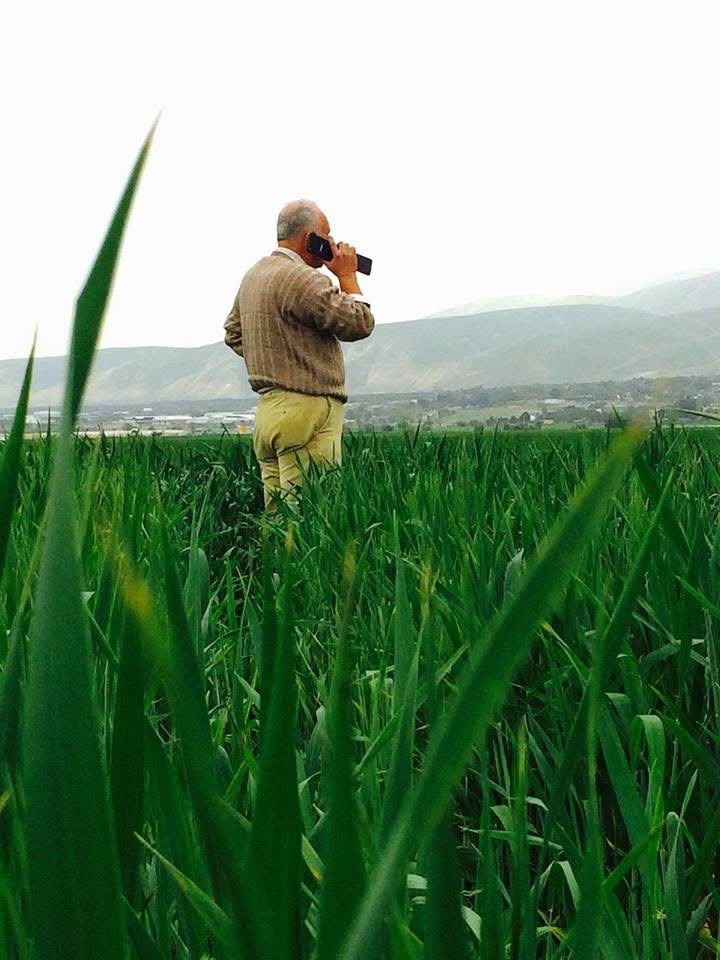
Portraits, memories, and the labour behind them — the family who gave Fasayel its soul, and the work of their hands that built it season by season.
What the Soil Gives Back
The land repays the patient.
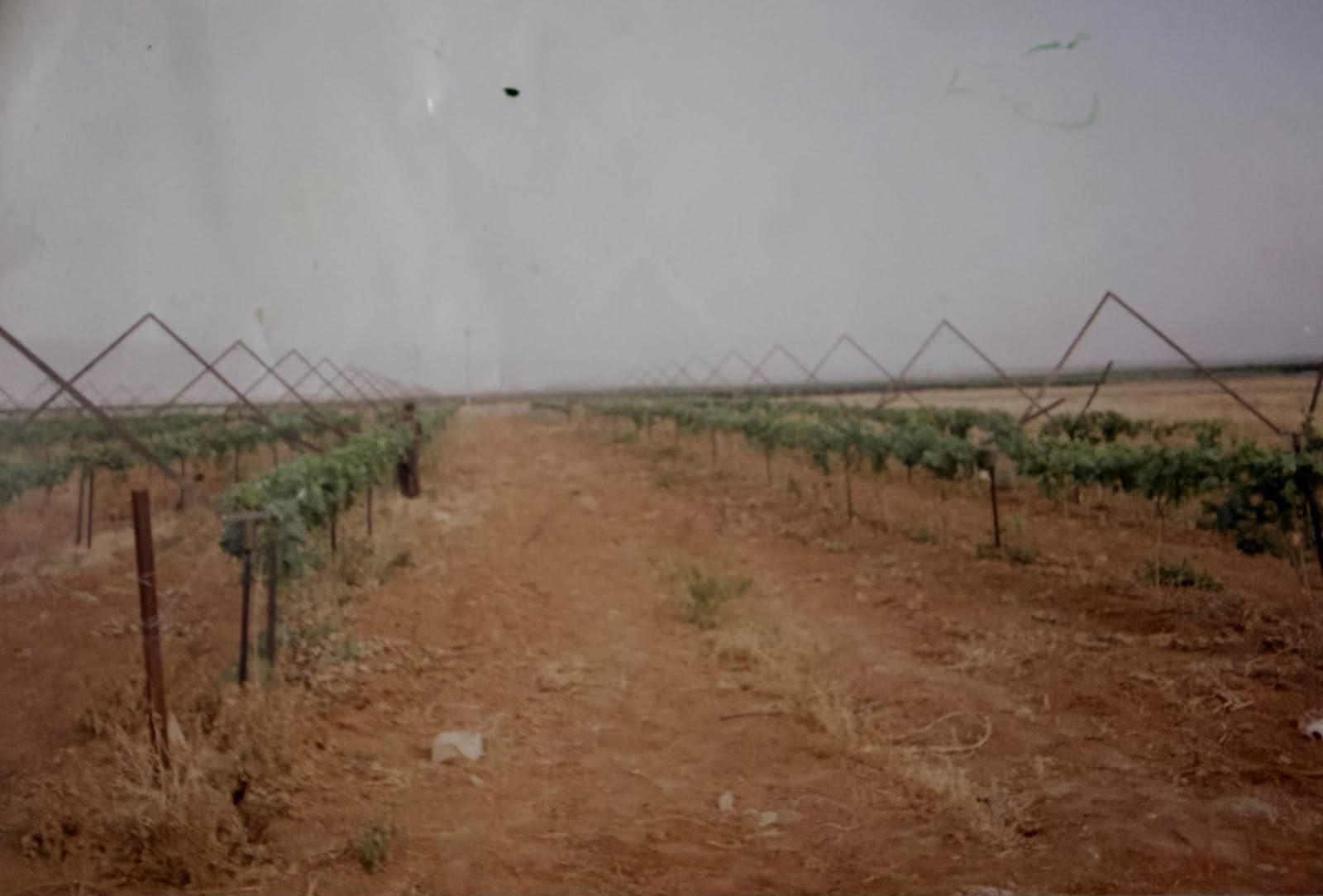
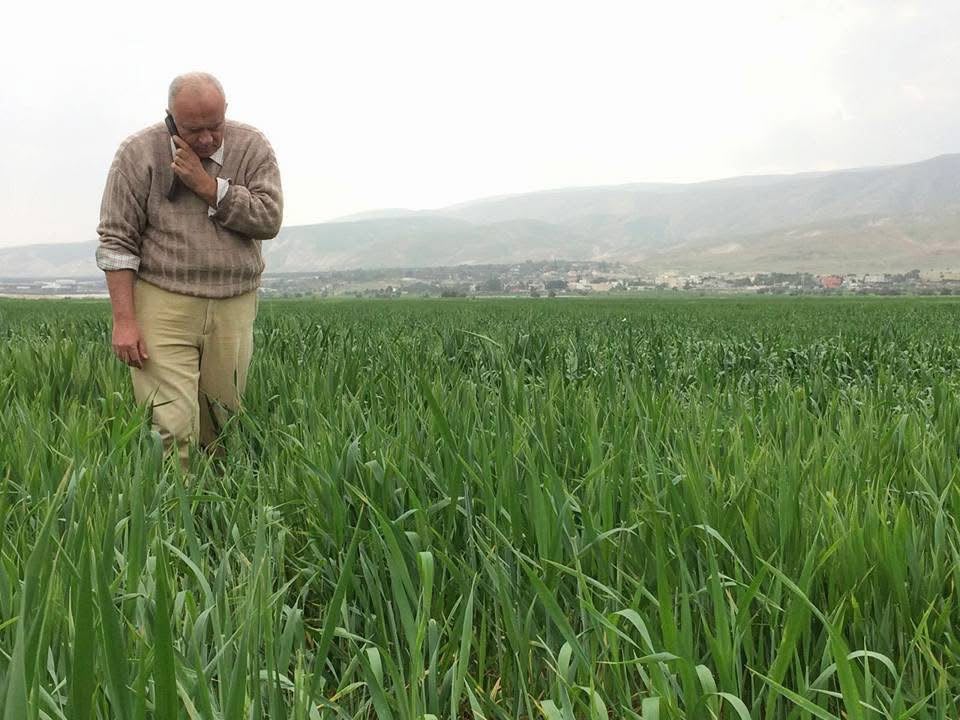
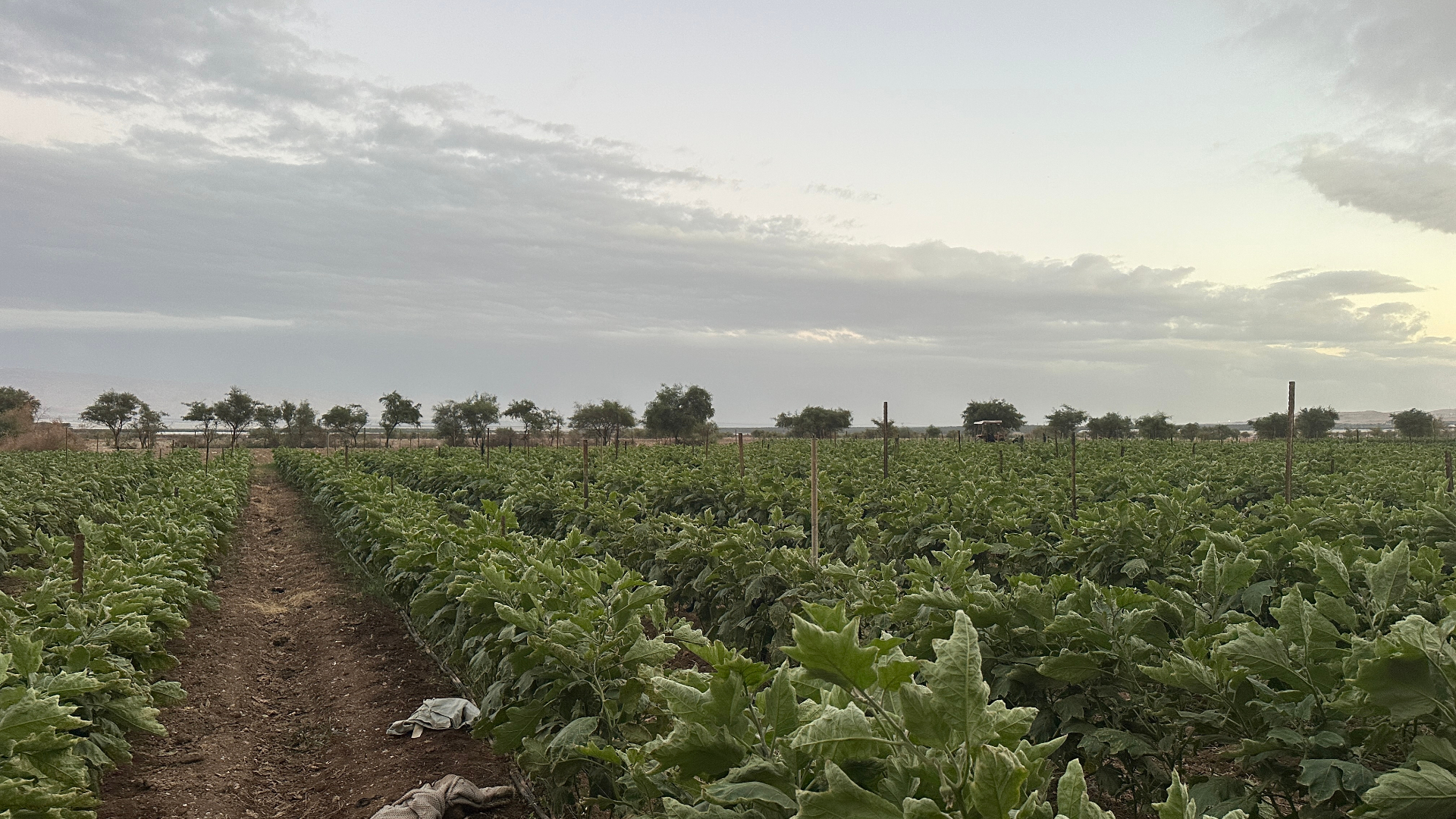
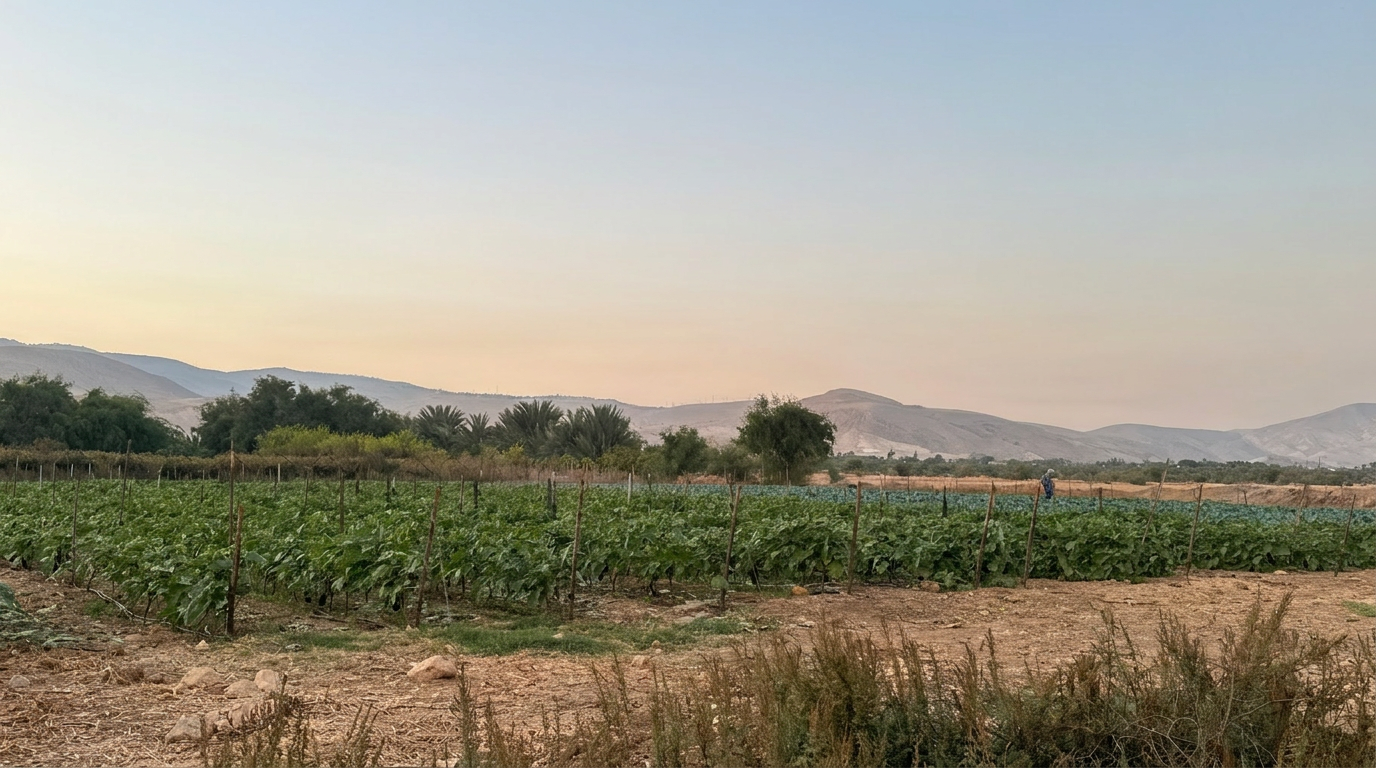
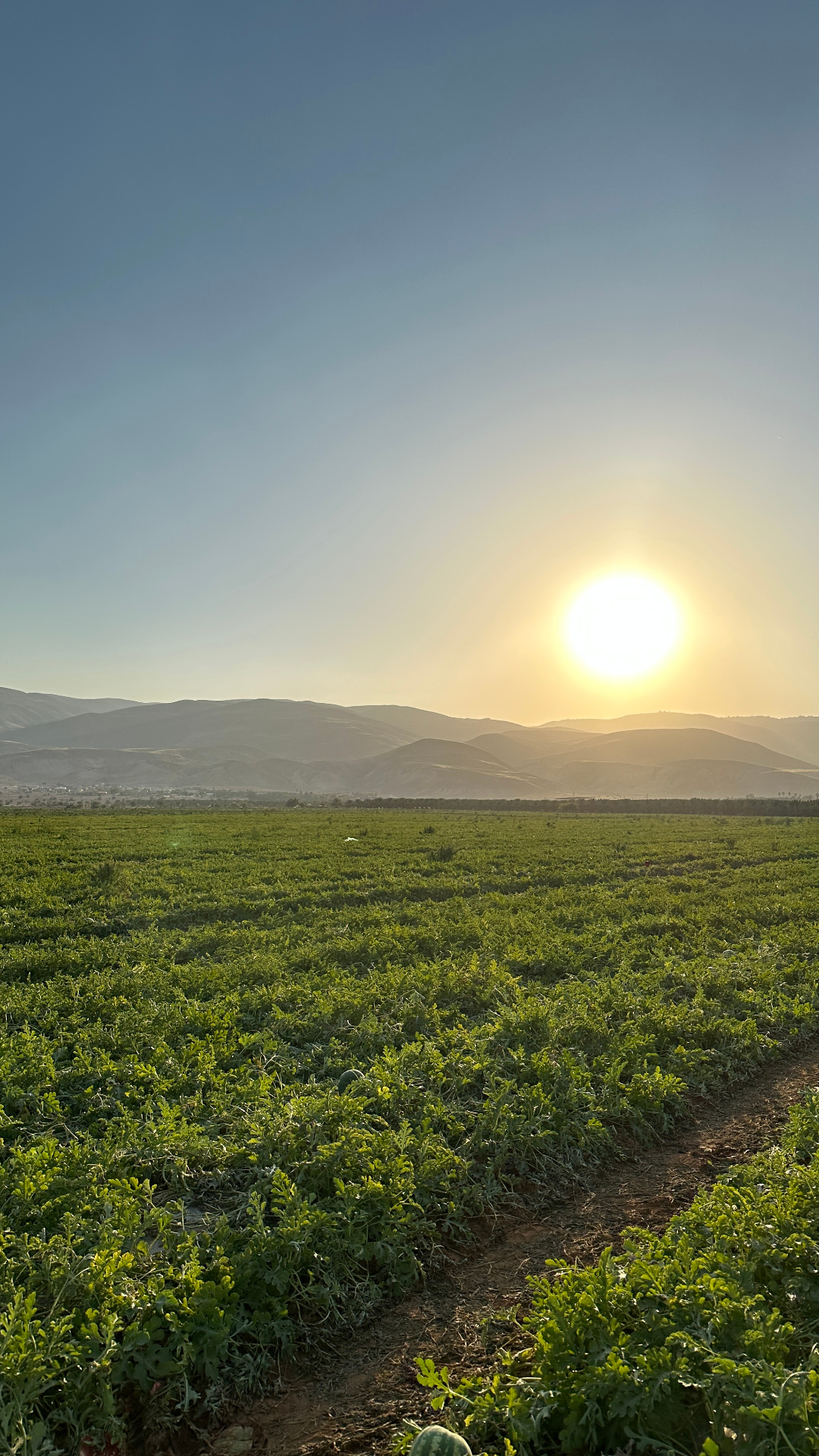
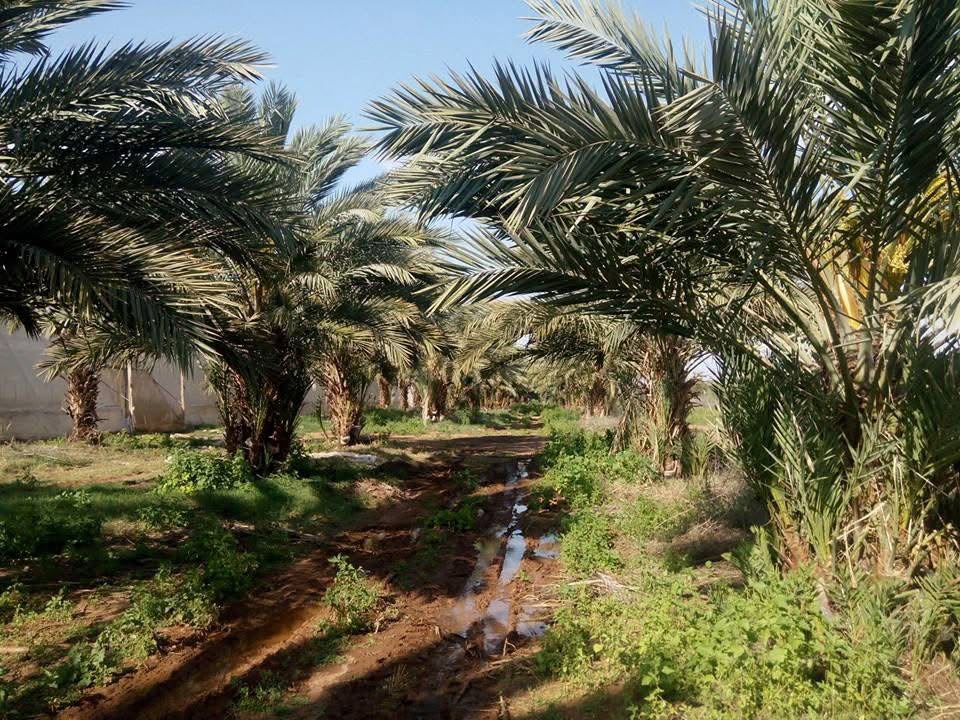
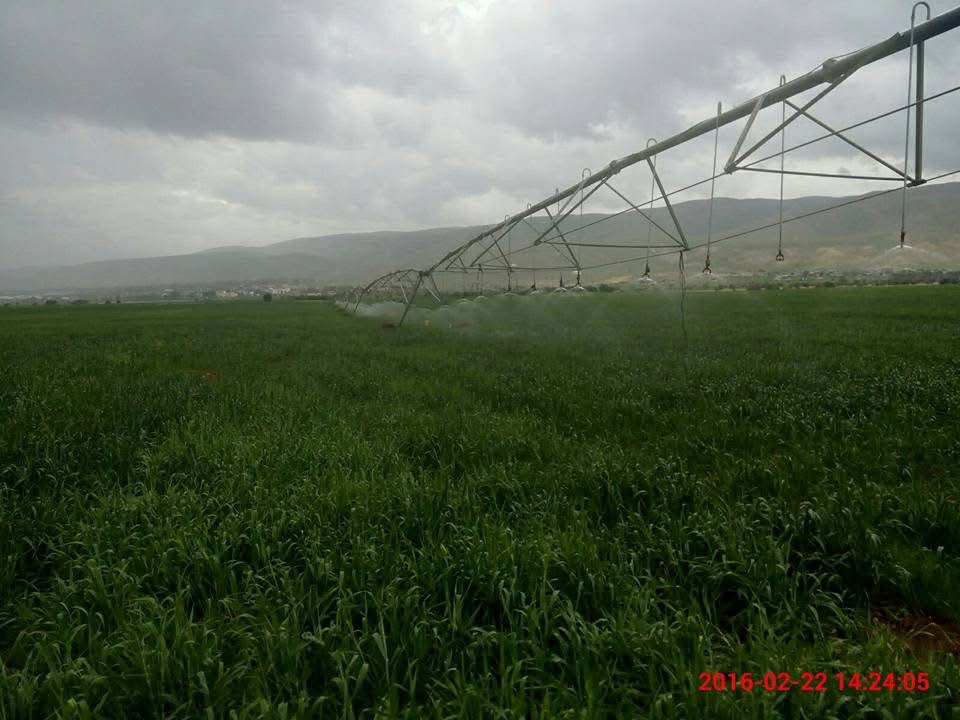
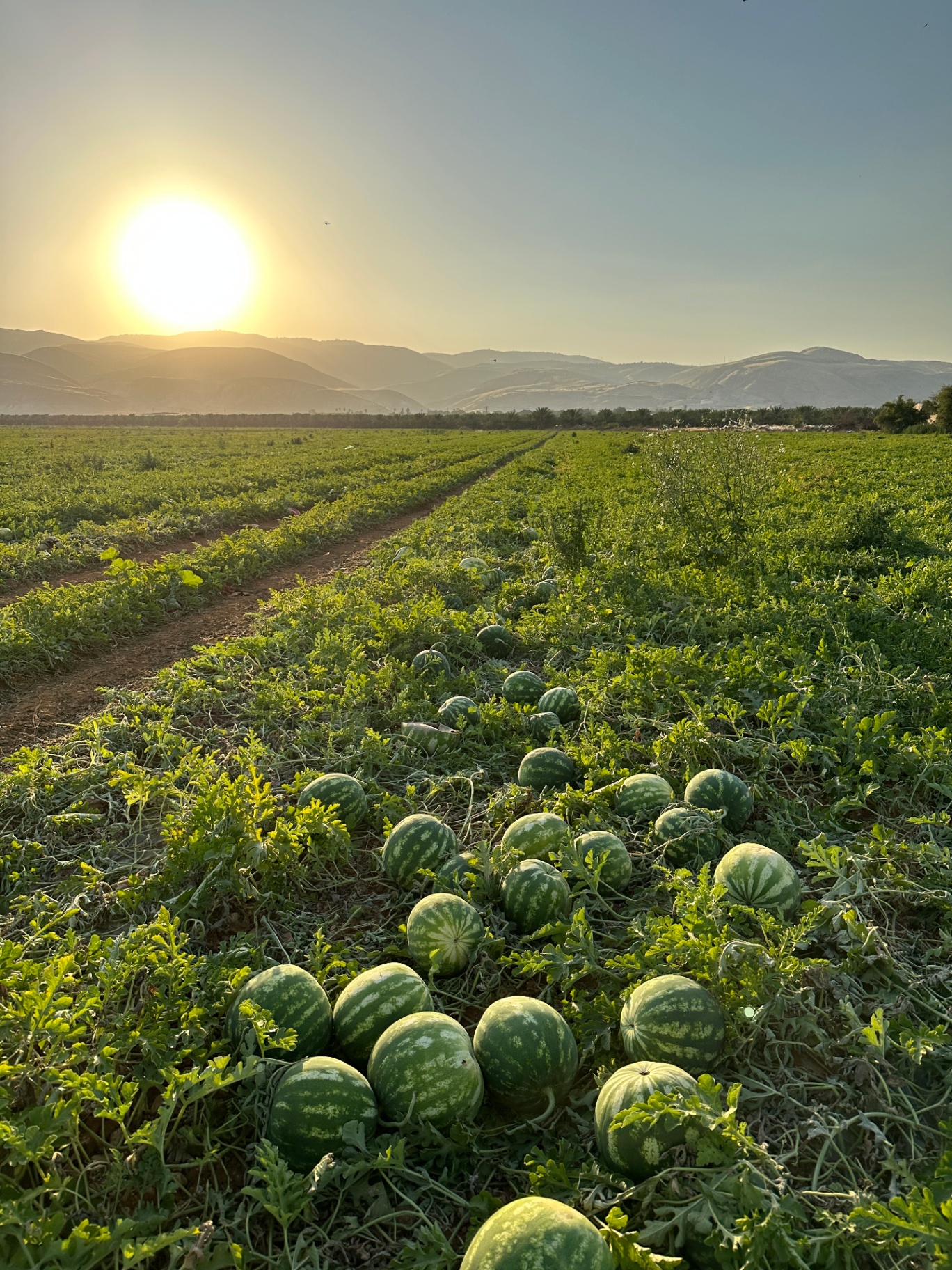
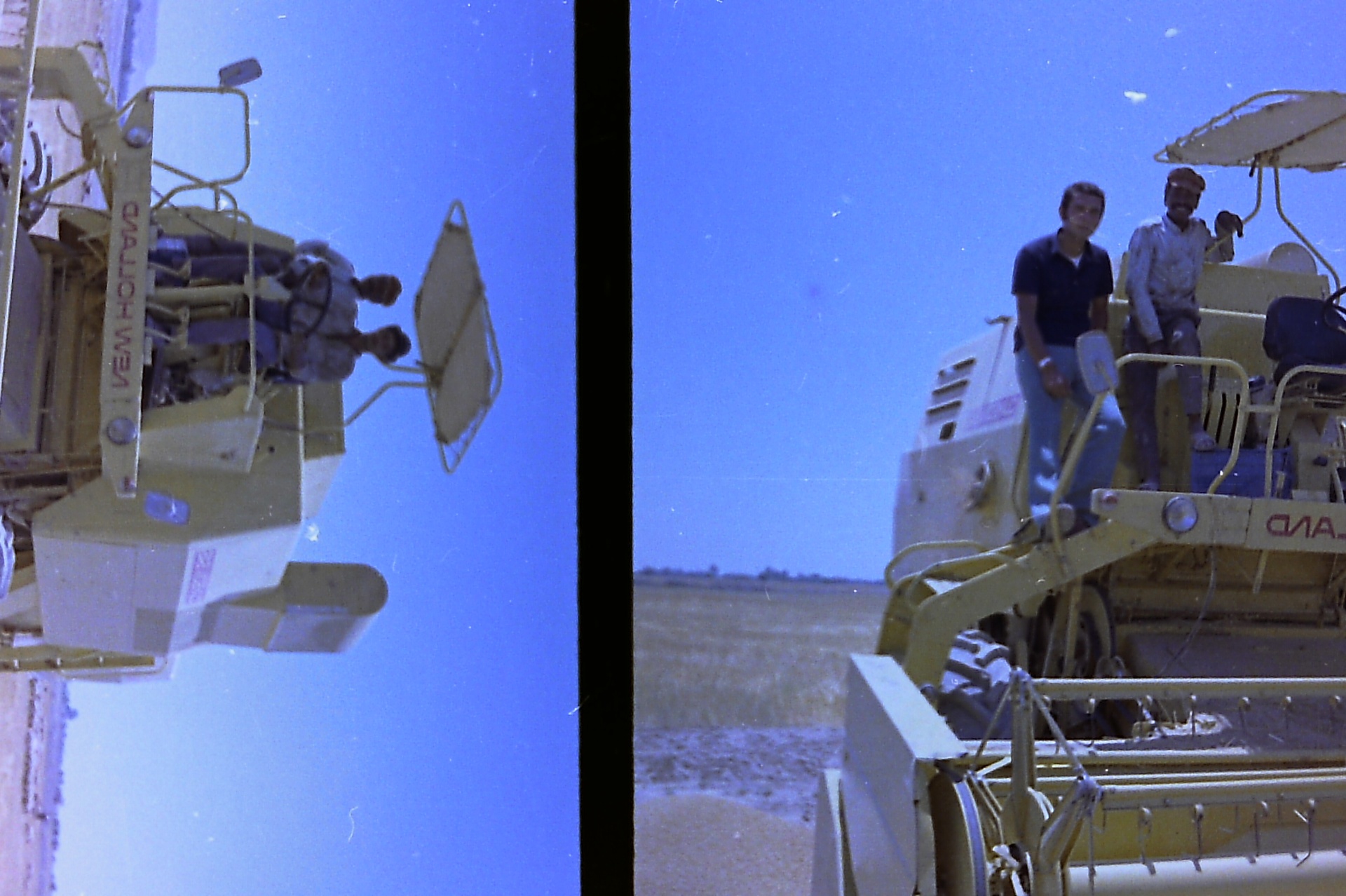
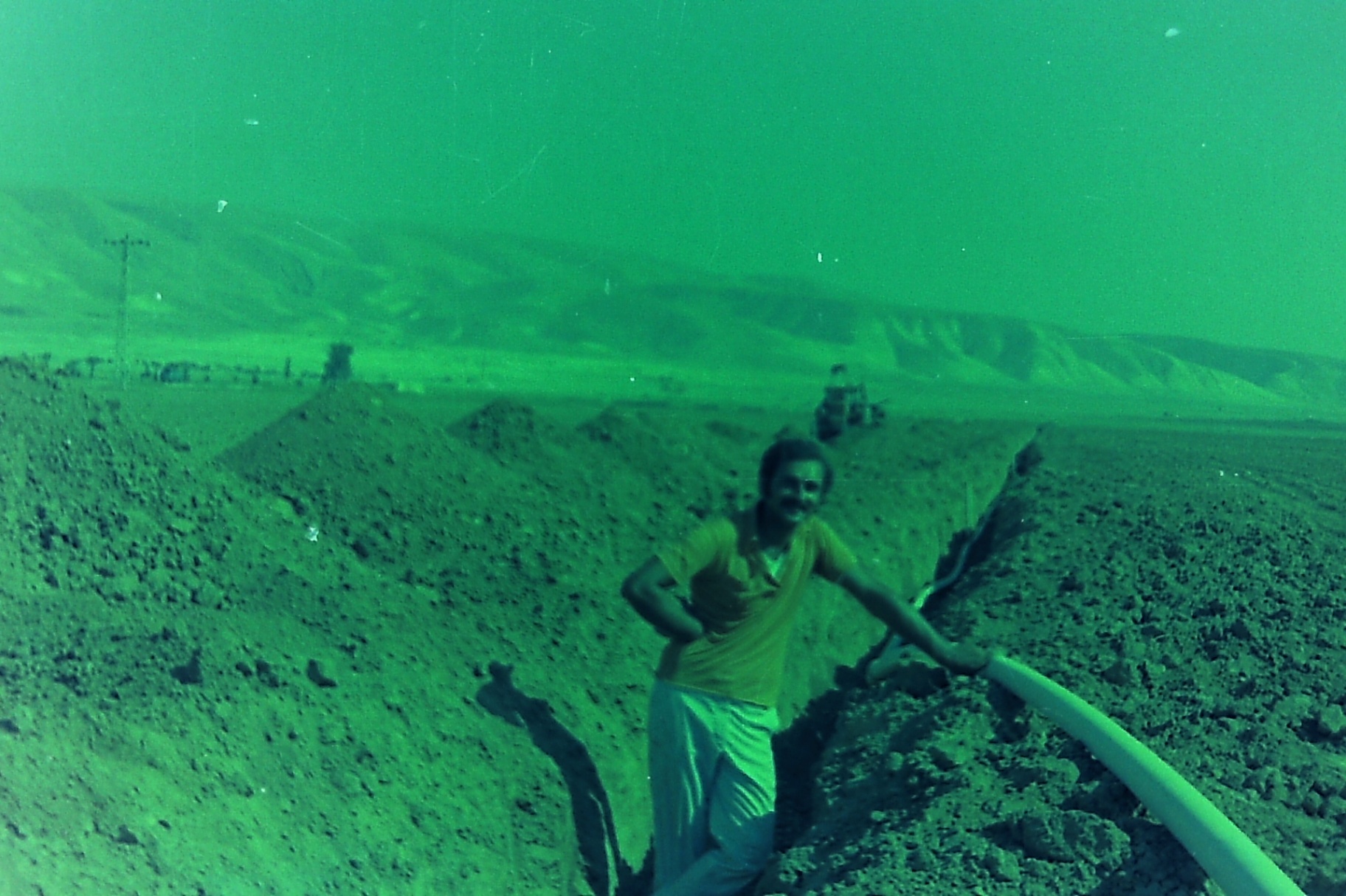
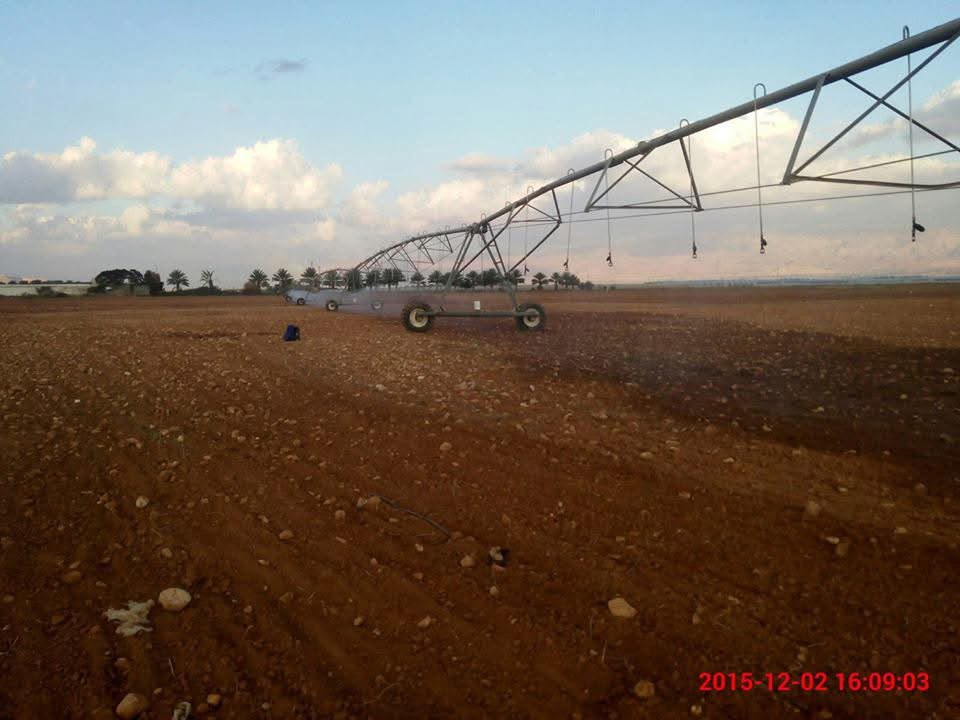
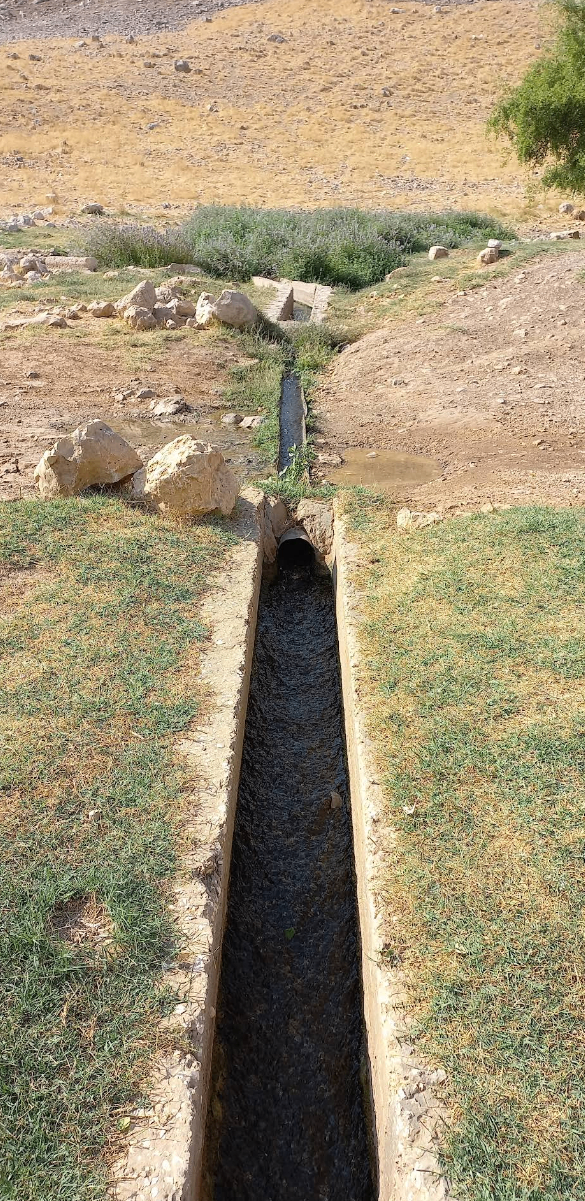
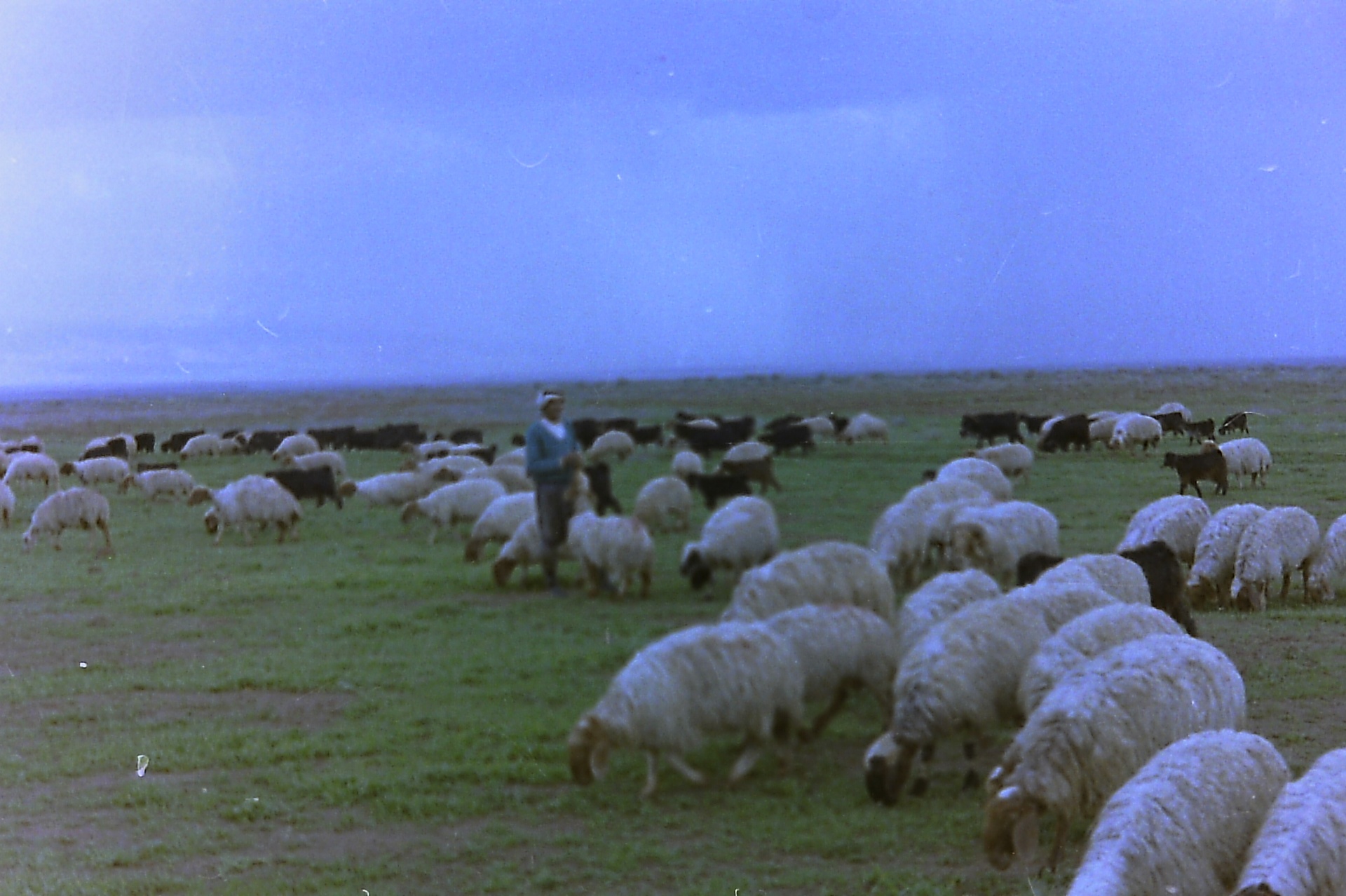
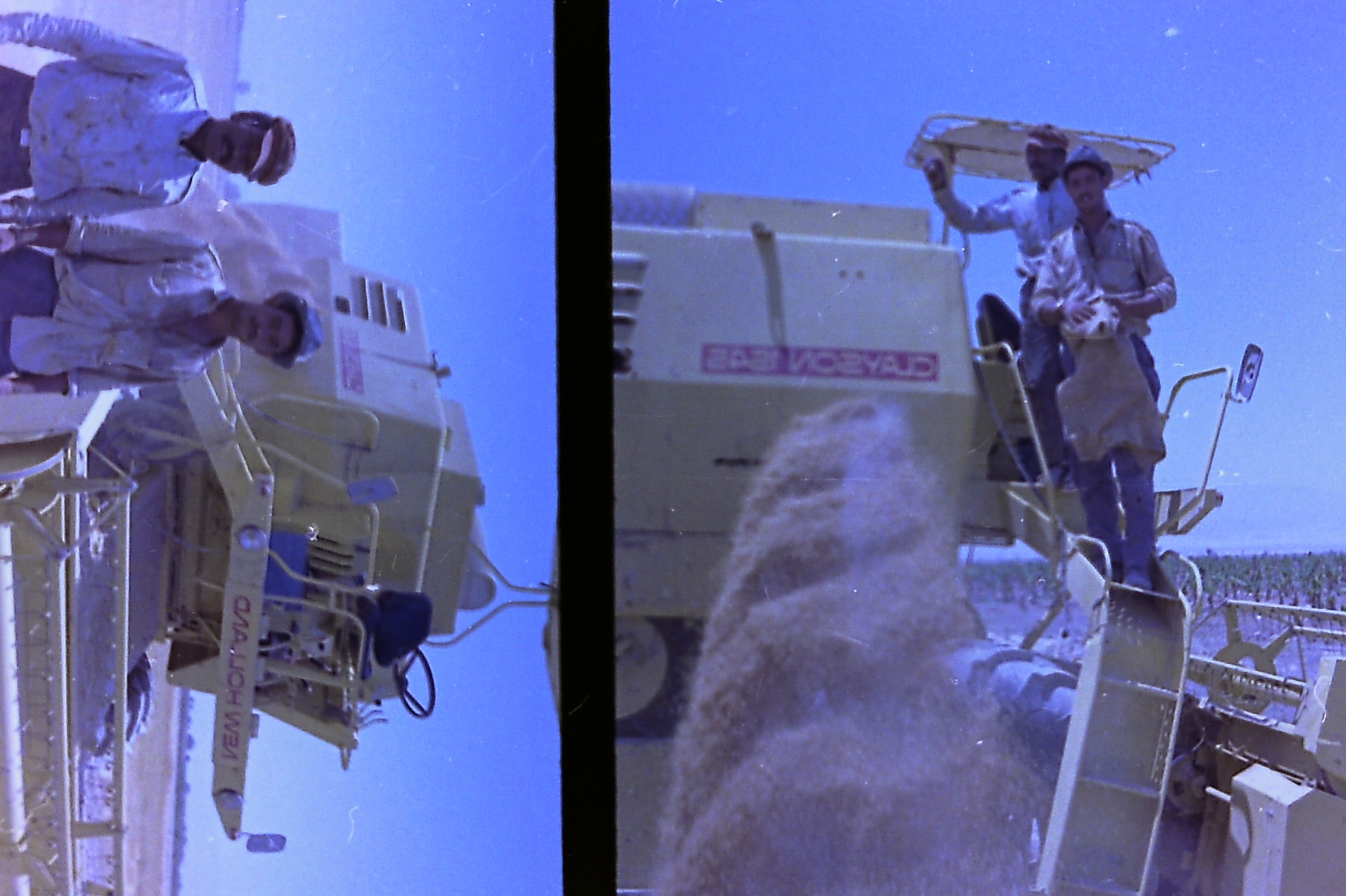
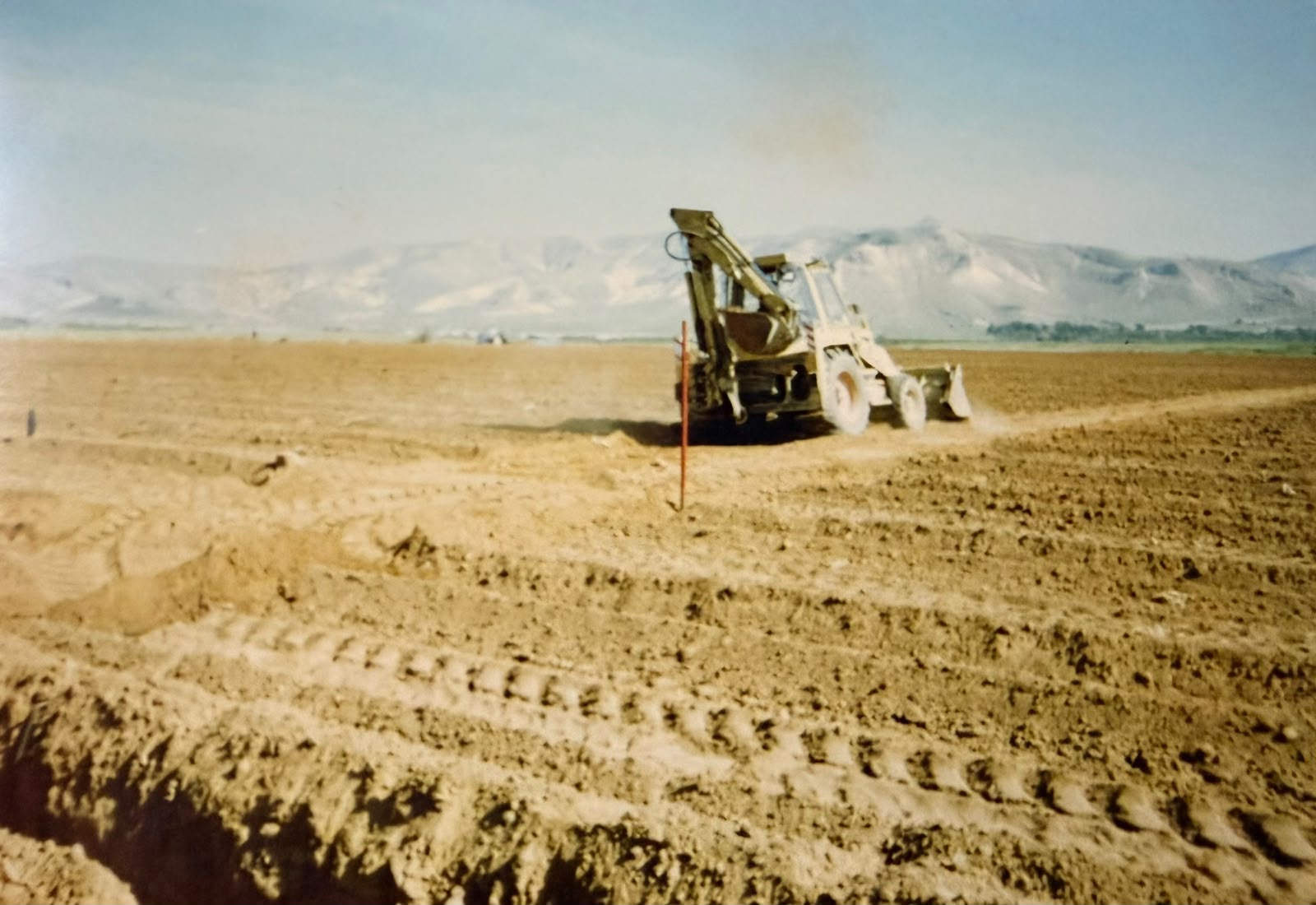
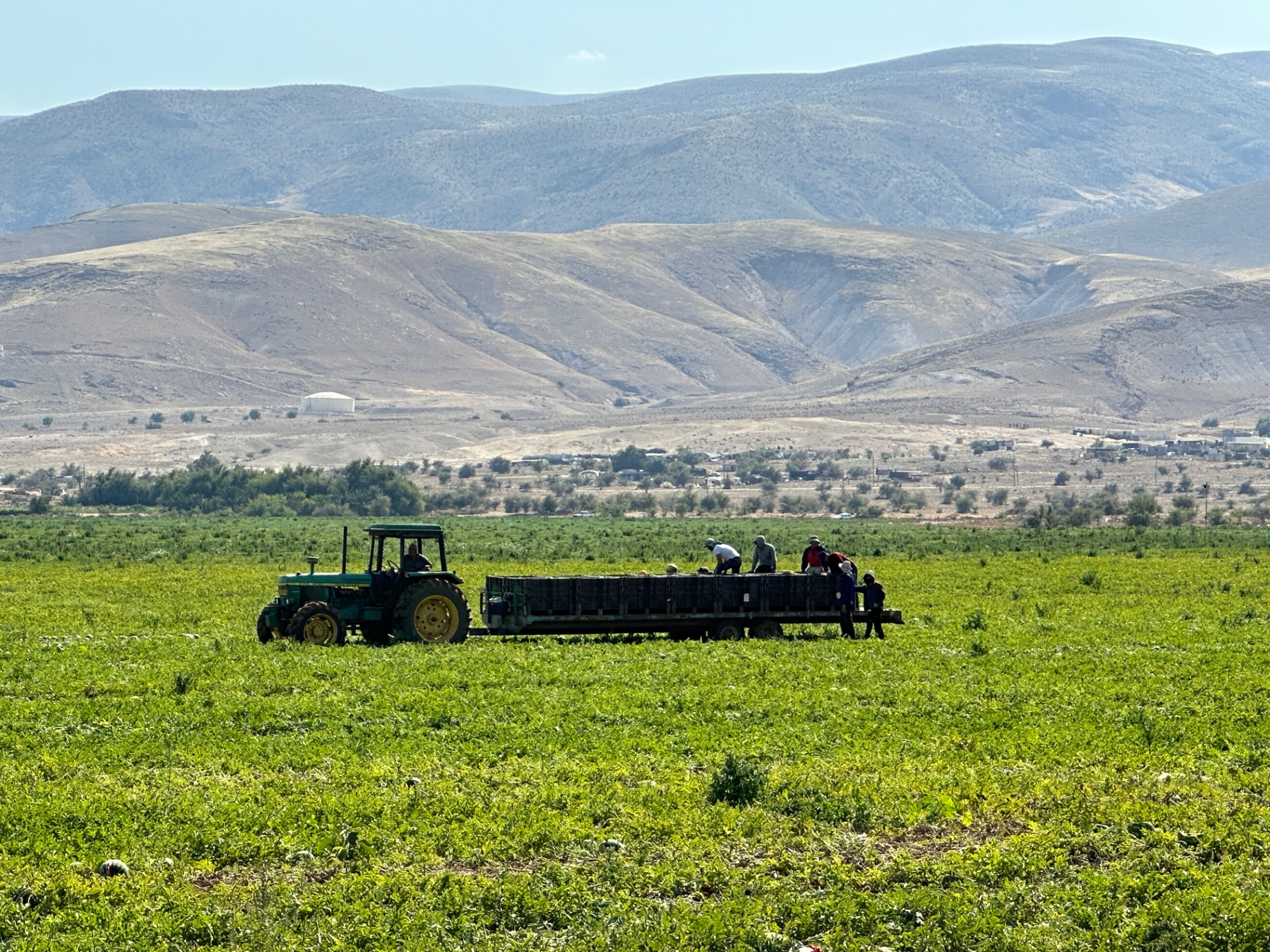
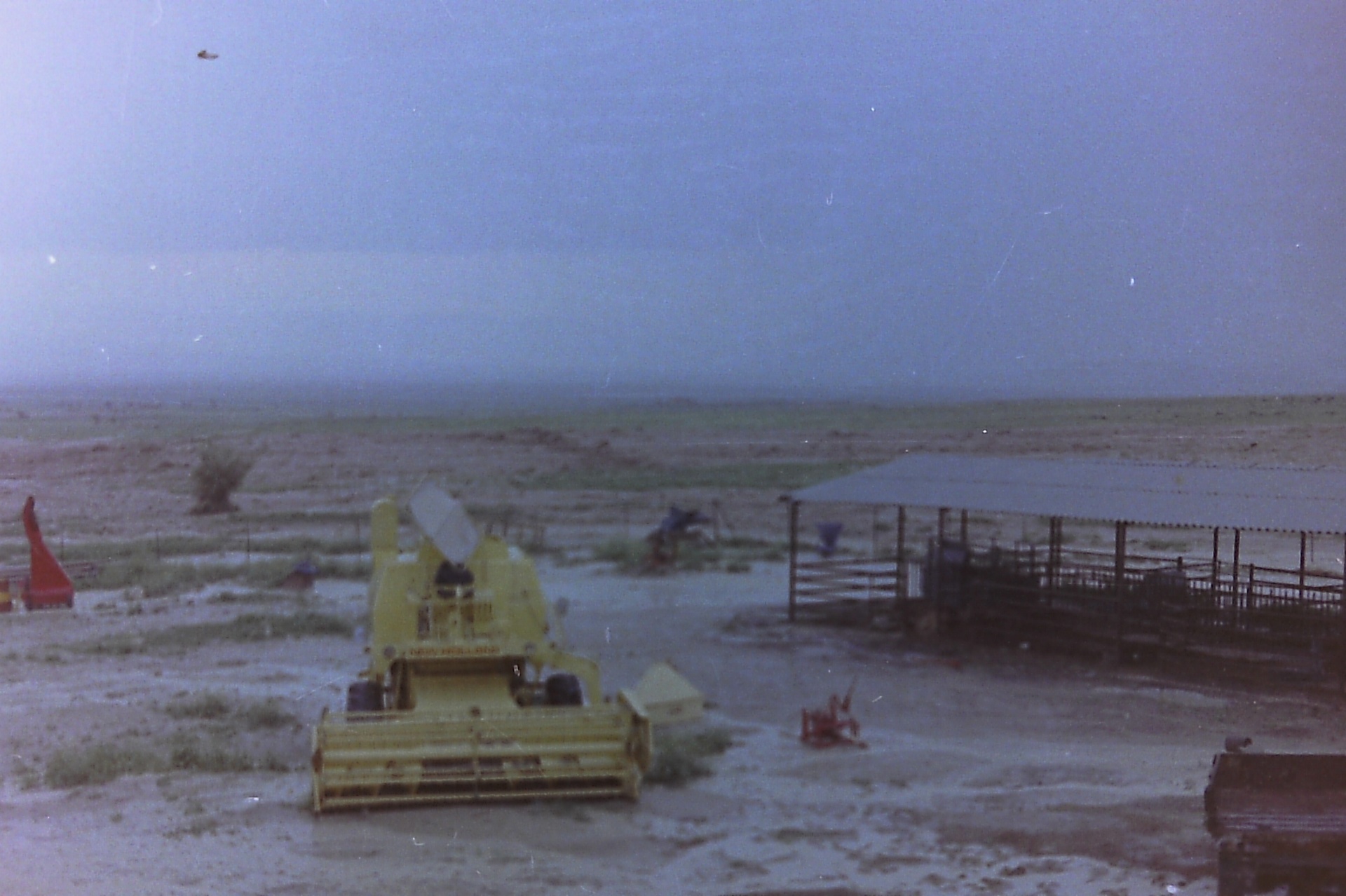
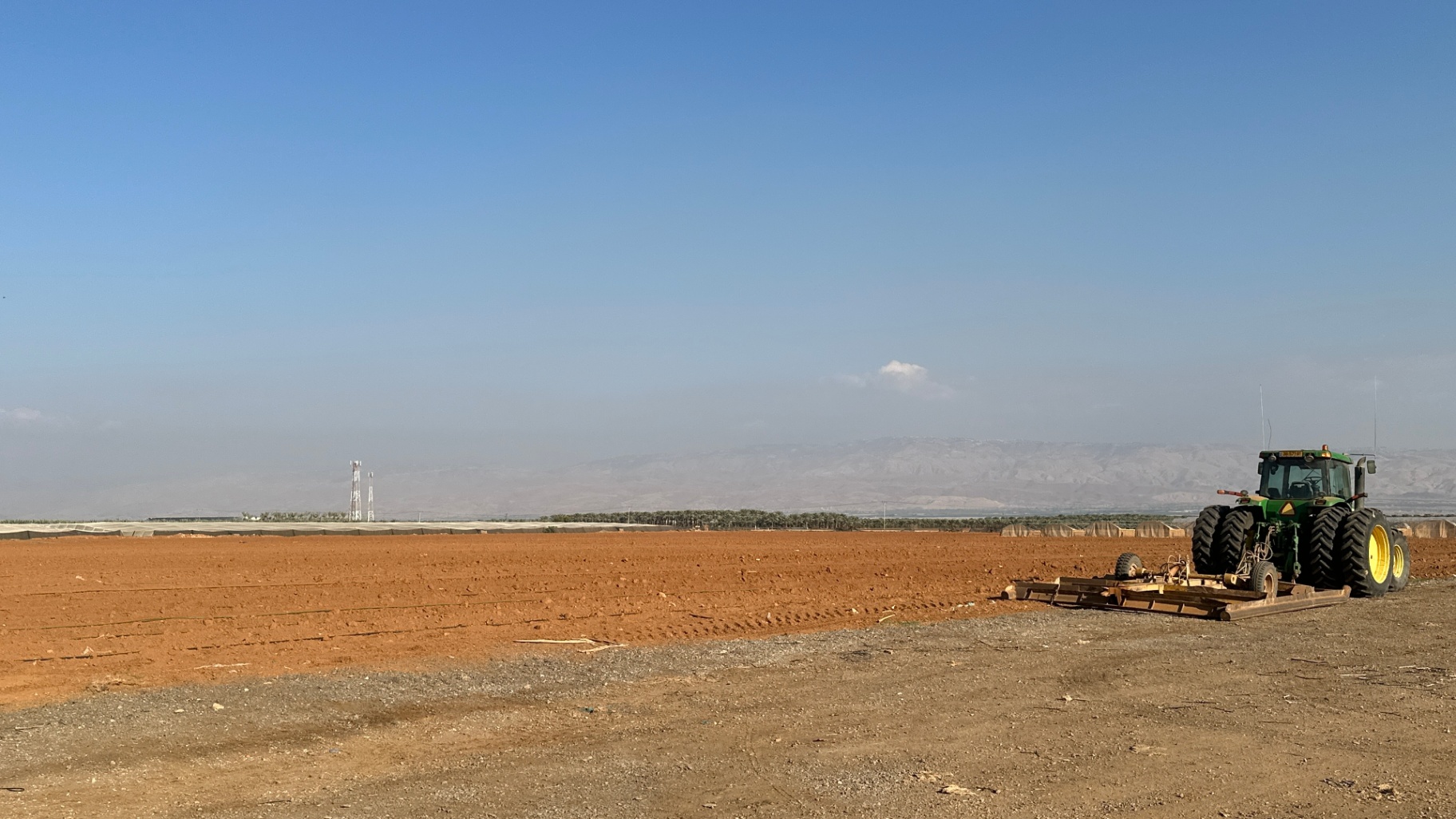
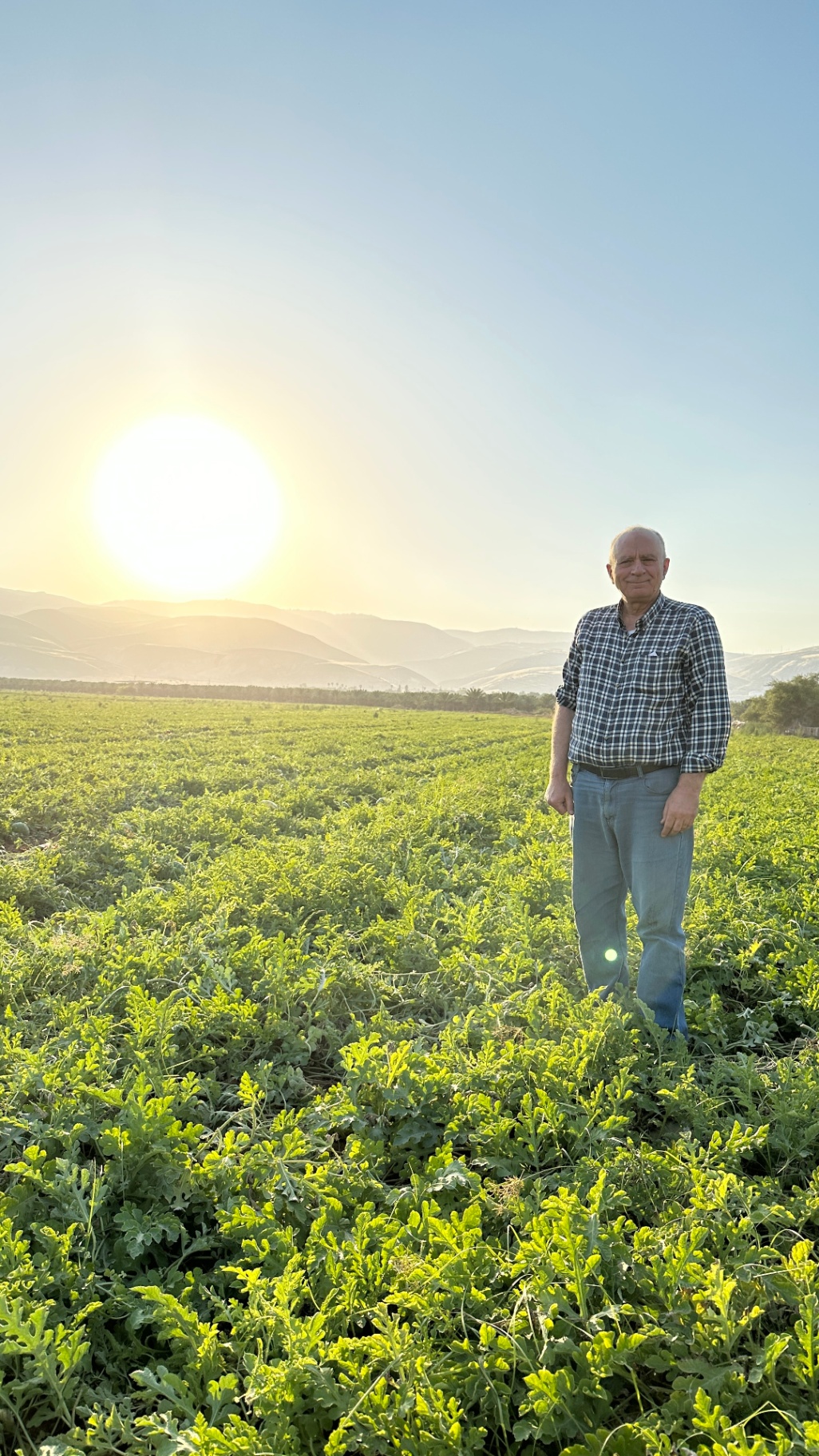
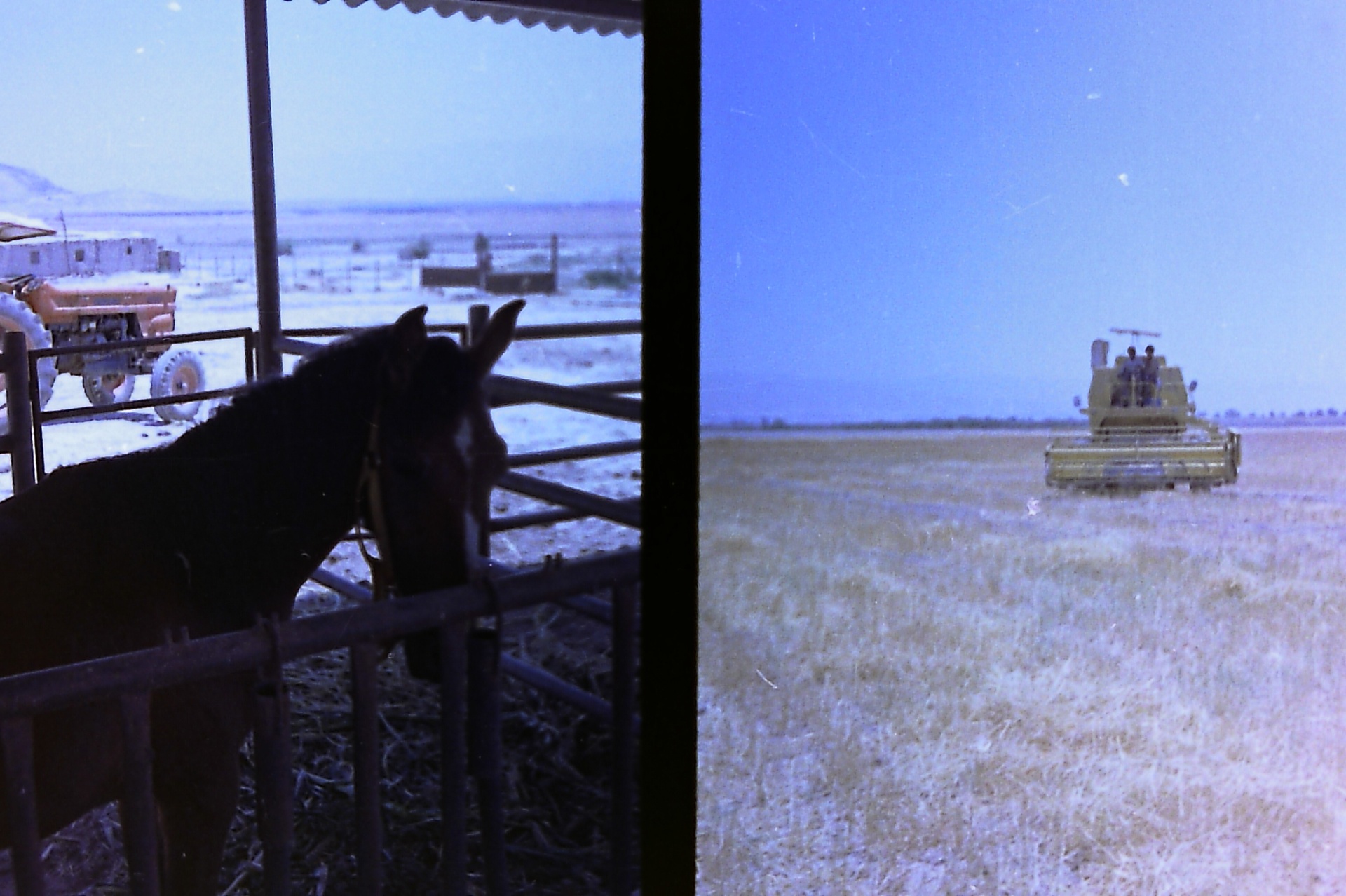
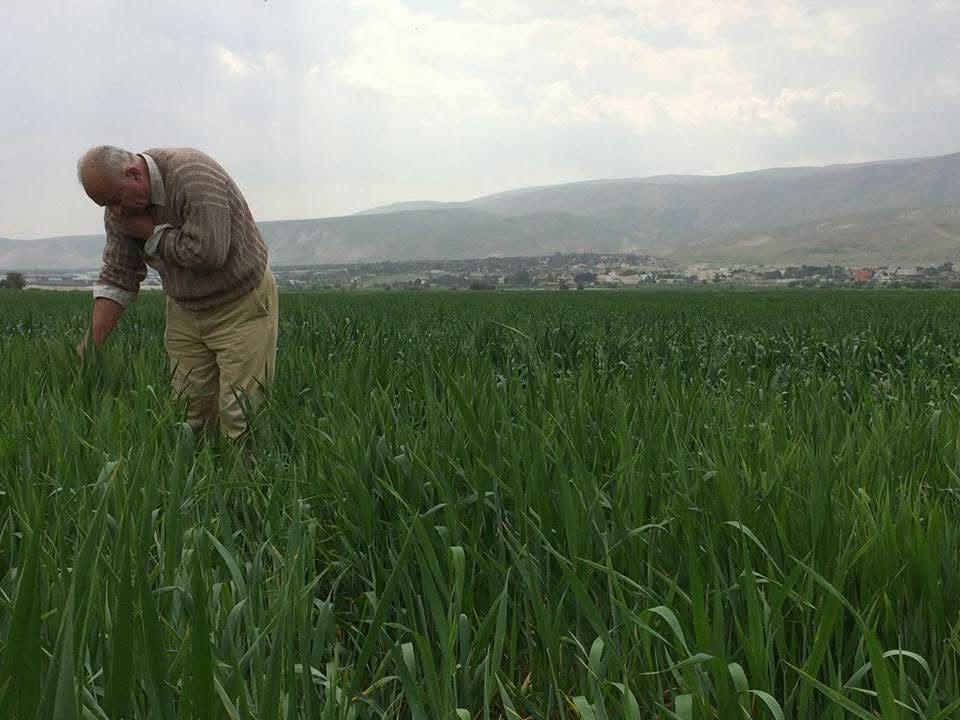
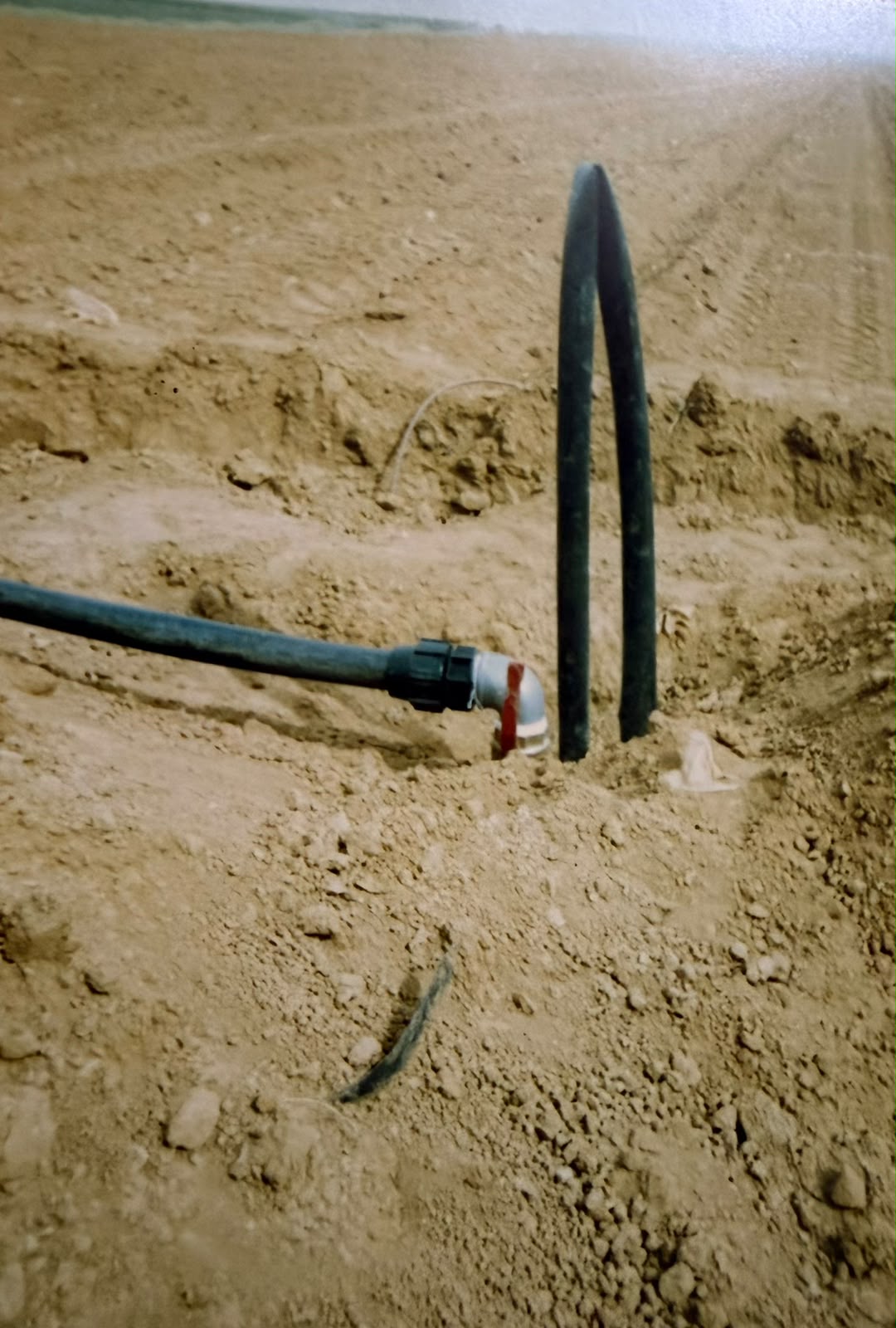
Watermelons, eggplants, greenhouse crops and open fields — what Fasayel produces today, under the same Jordan Valley sun.
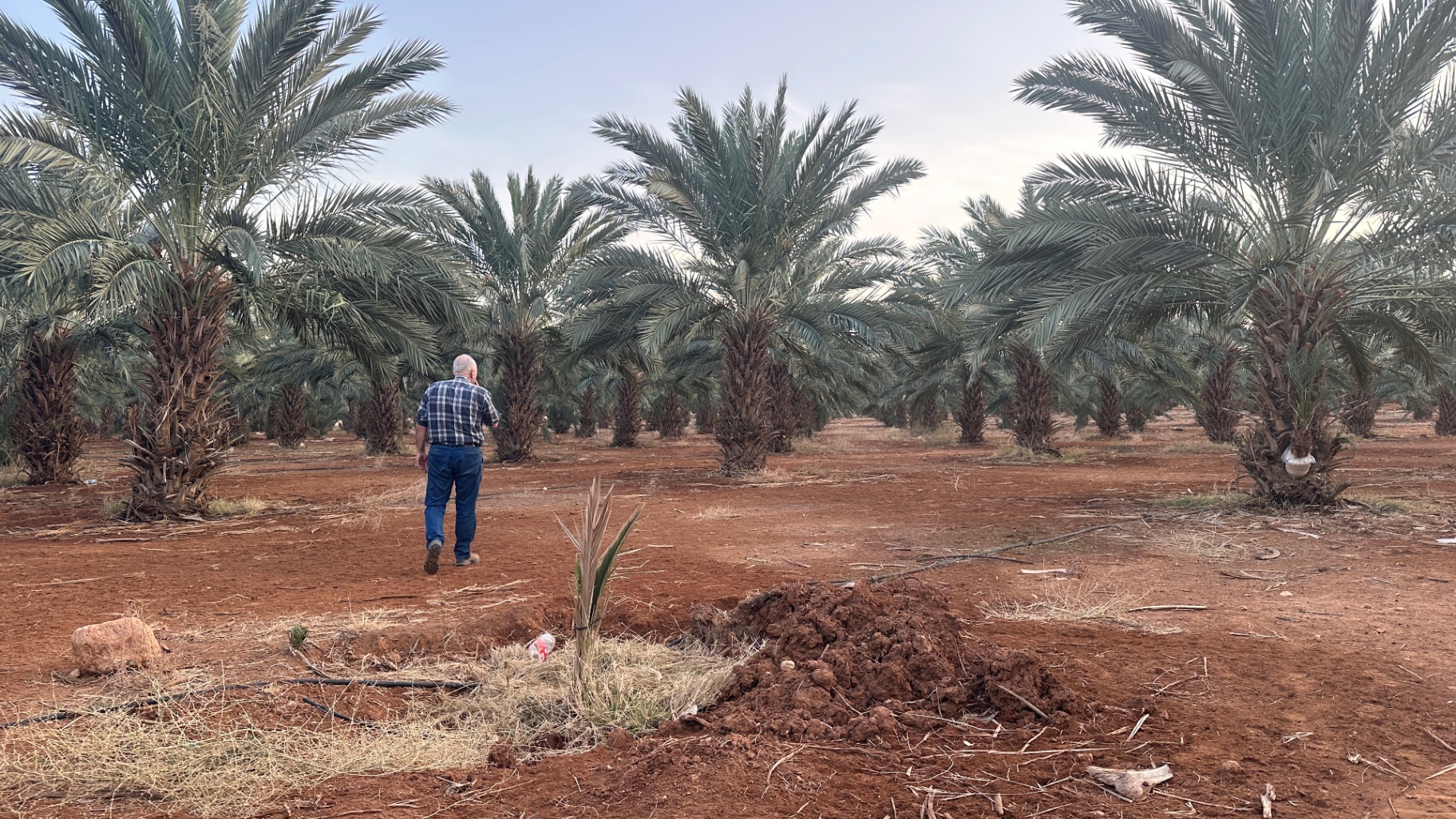
Three Thousand Palms
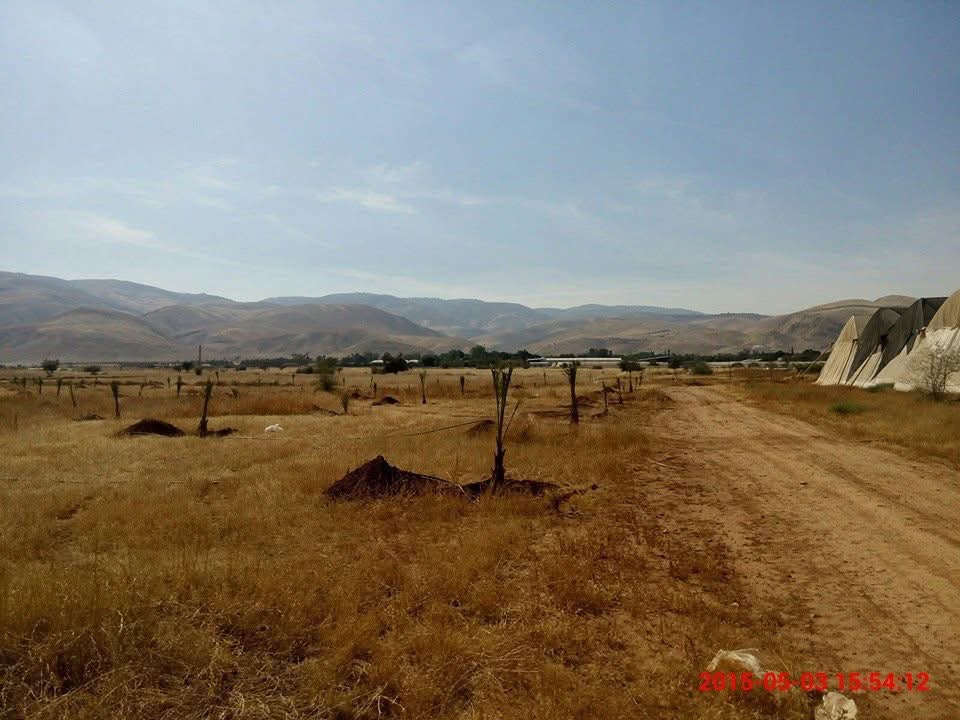
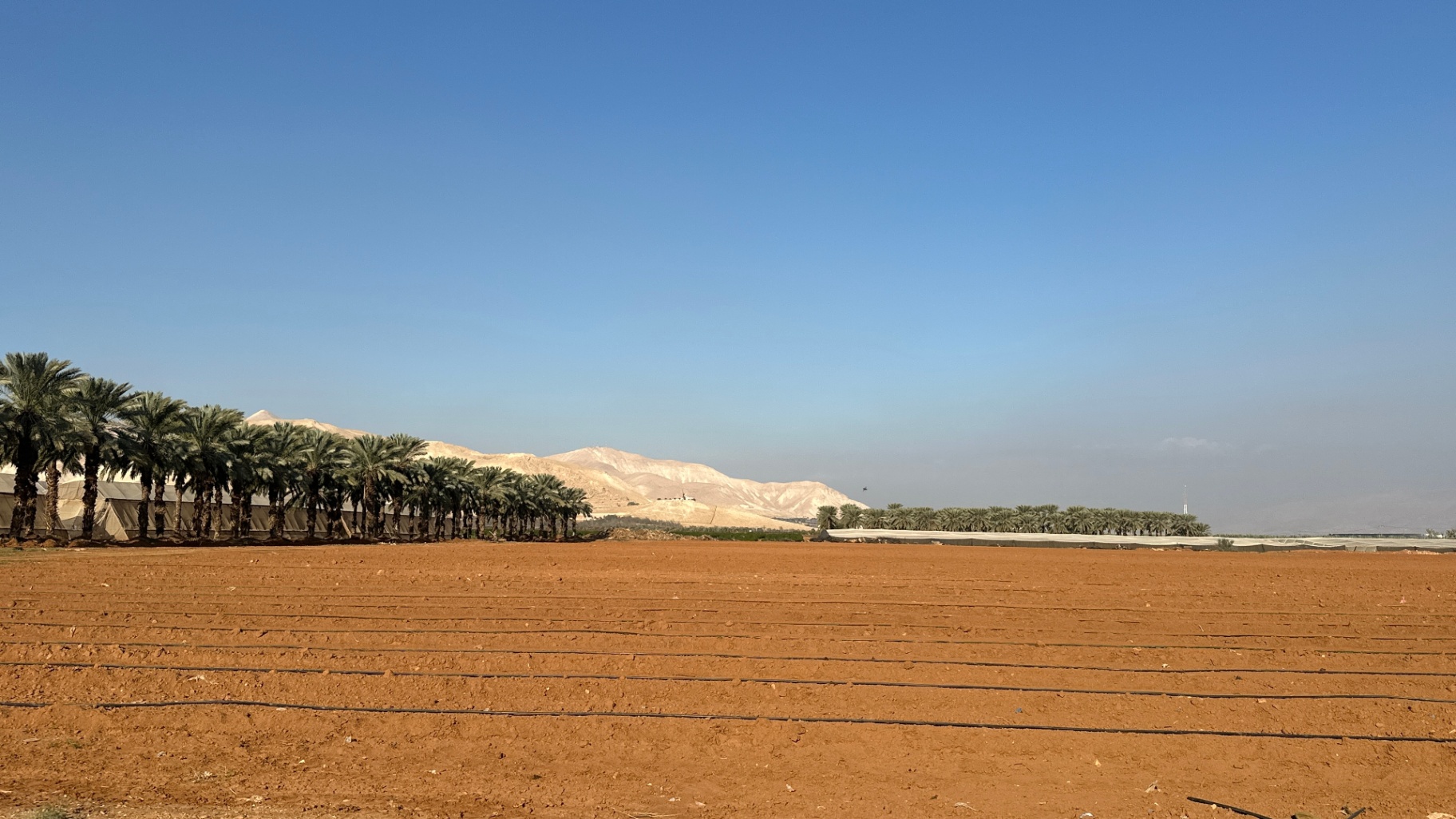
Planted in 2015. Still growing.
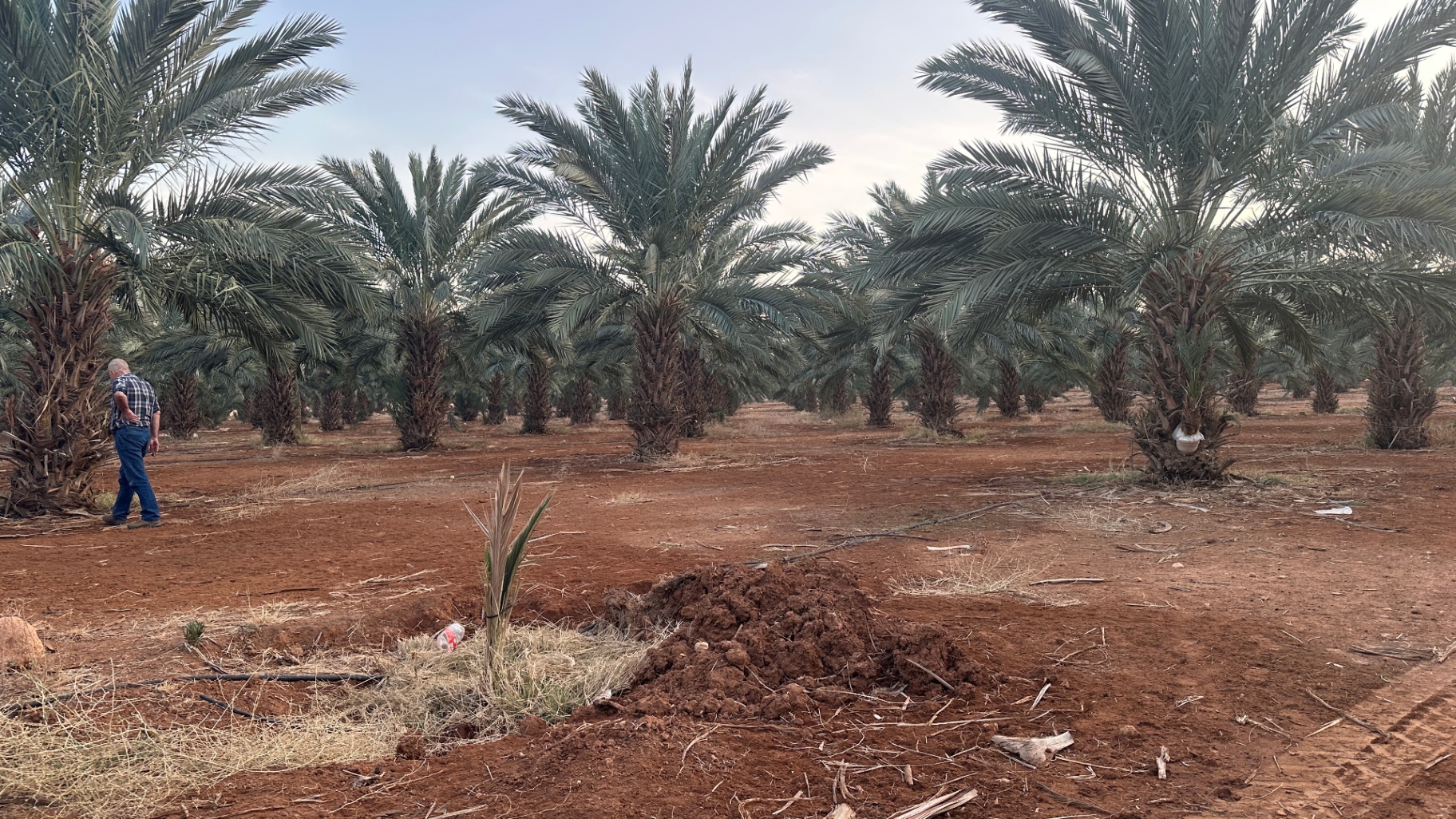
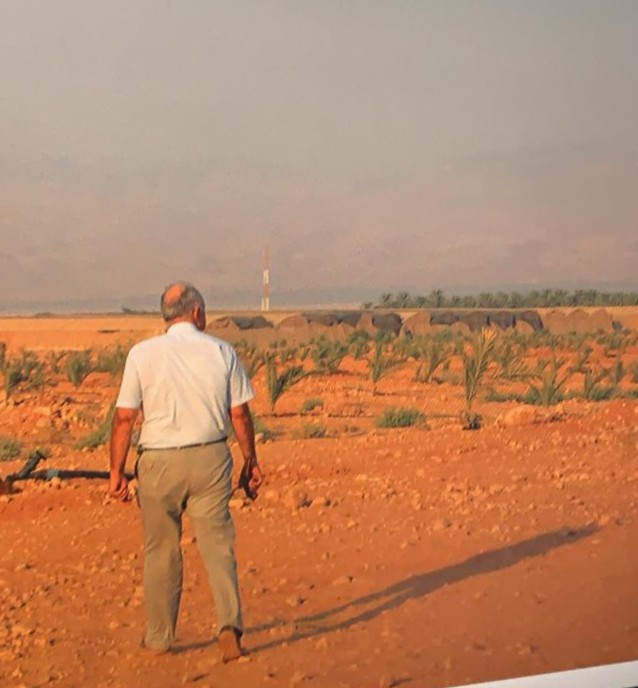
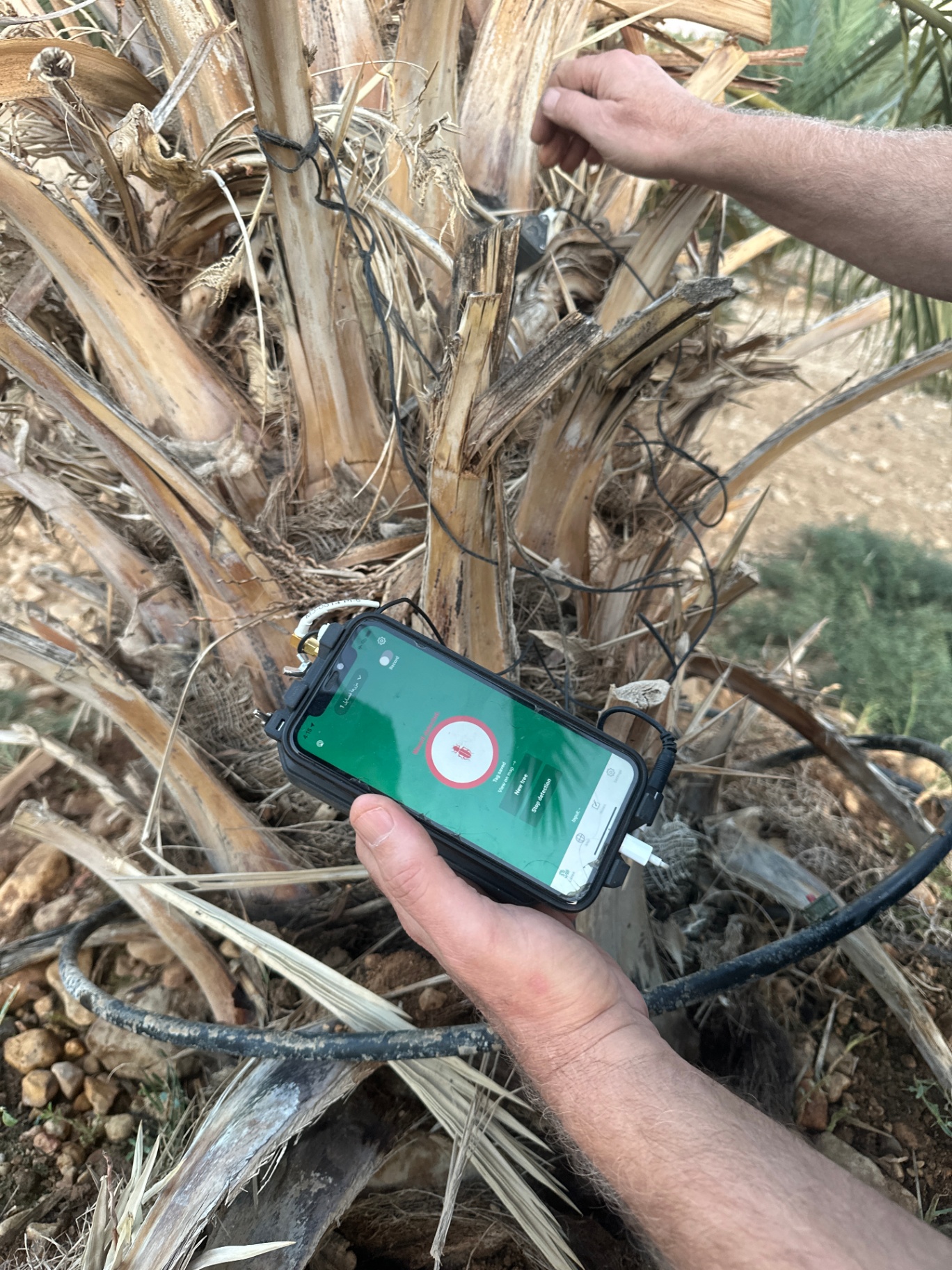
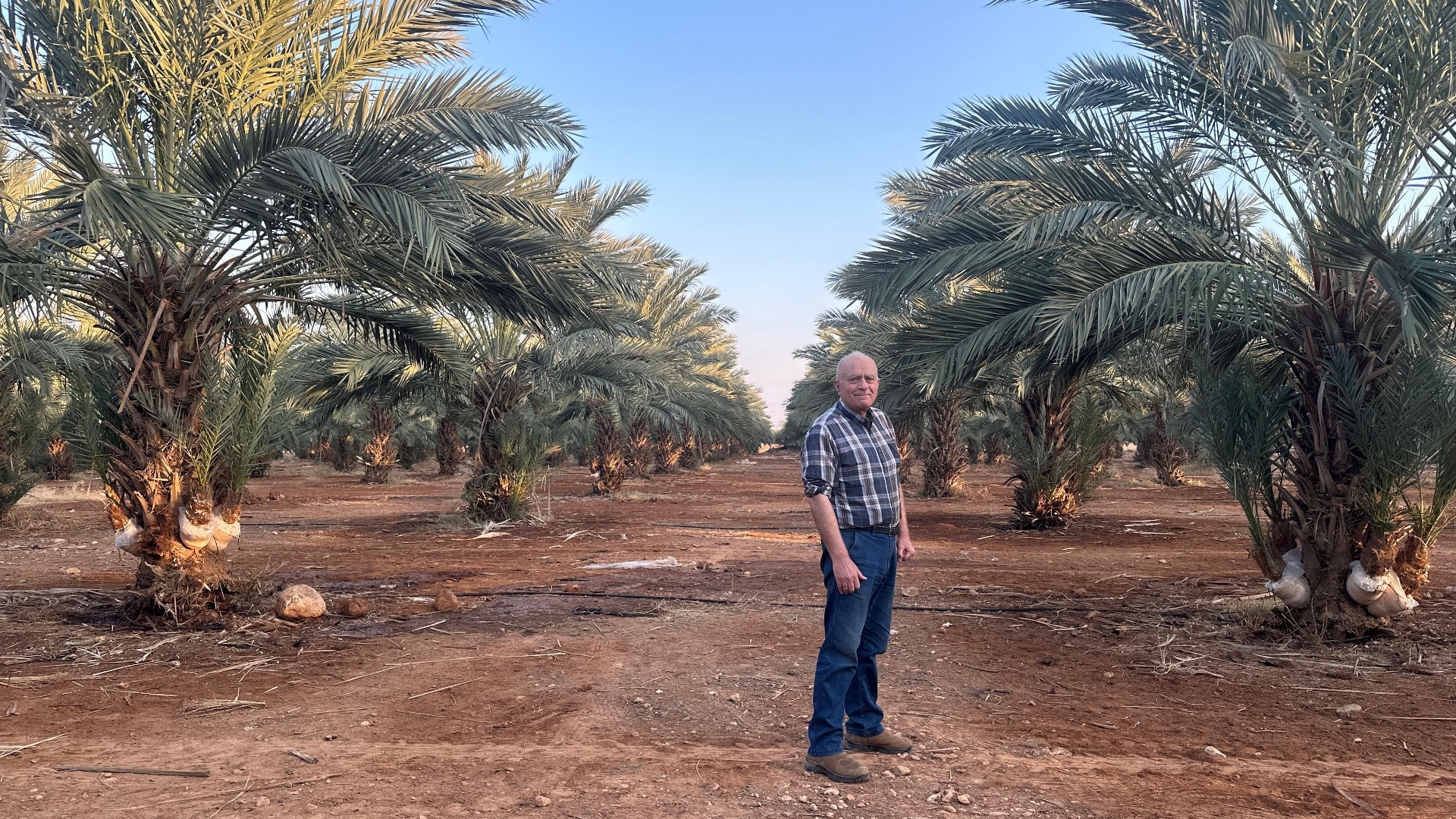
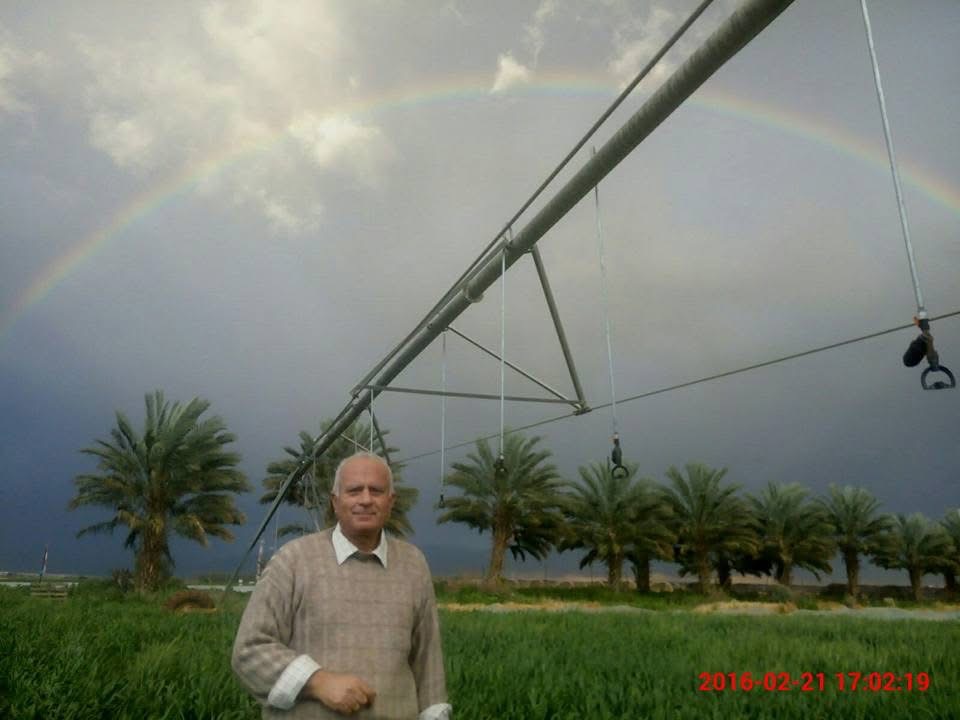
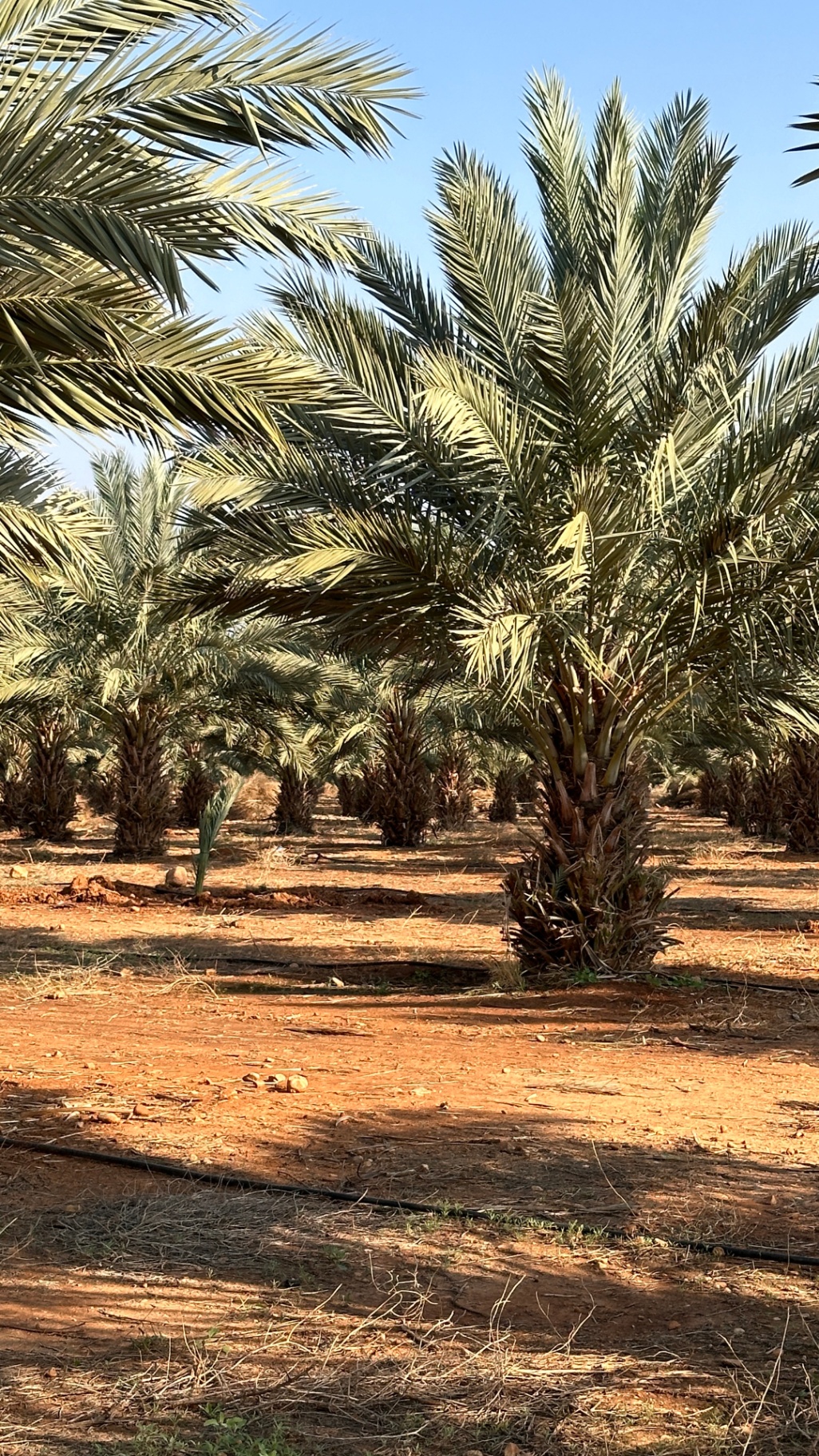
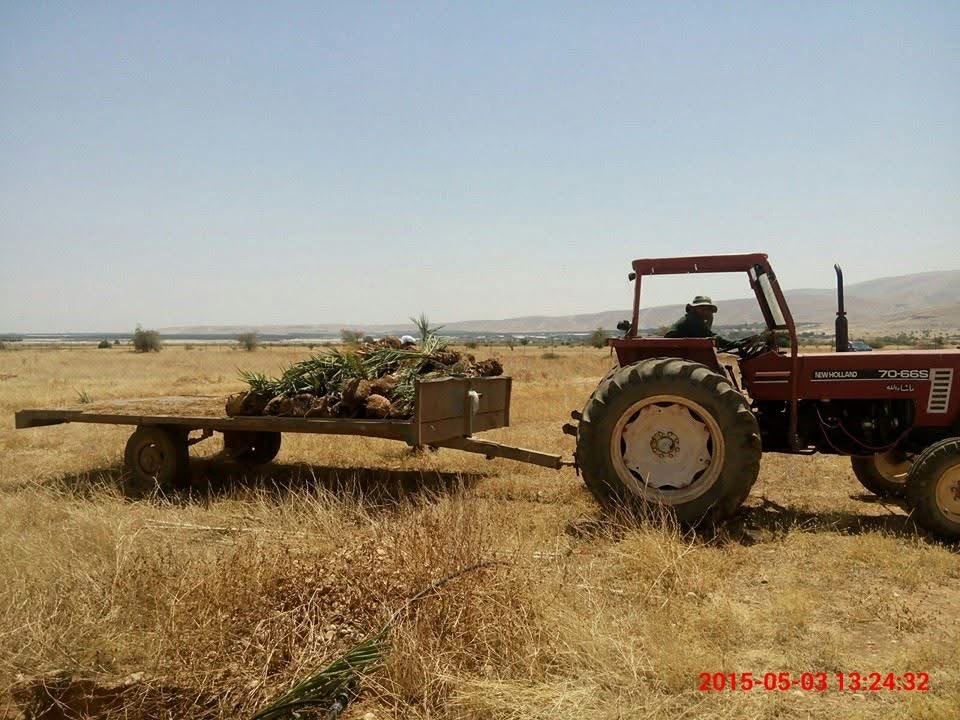
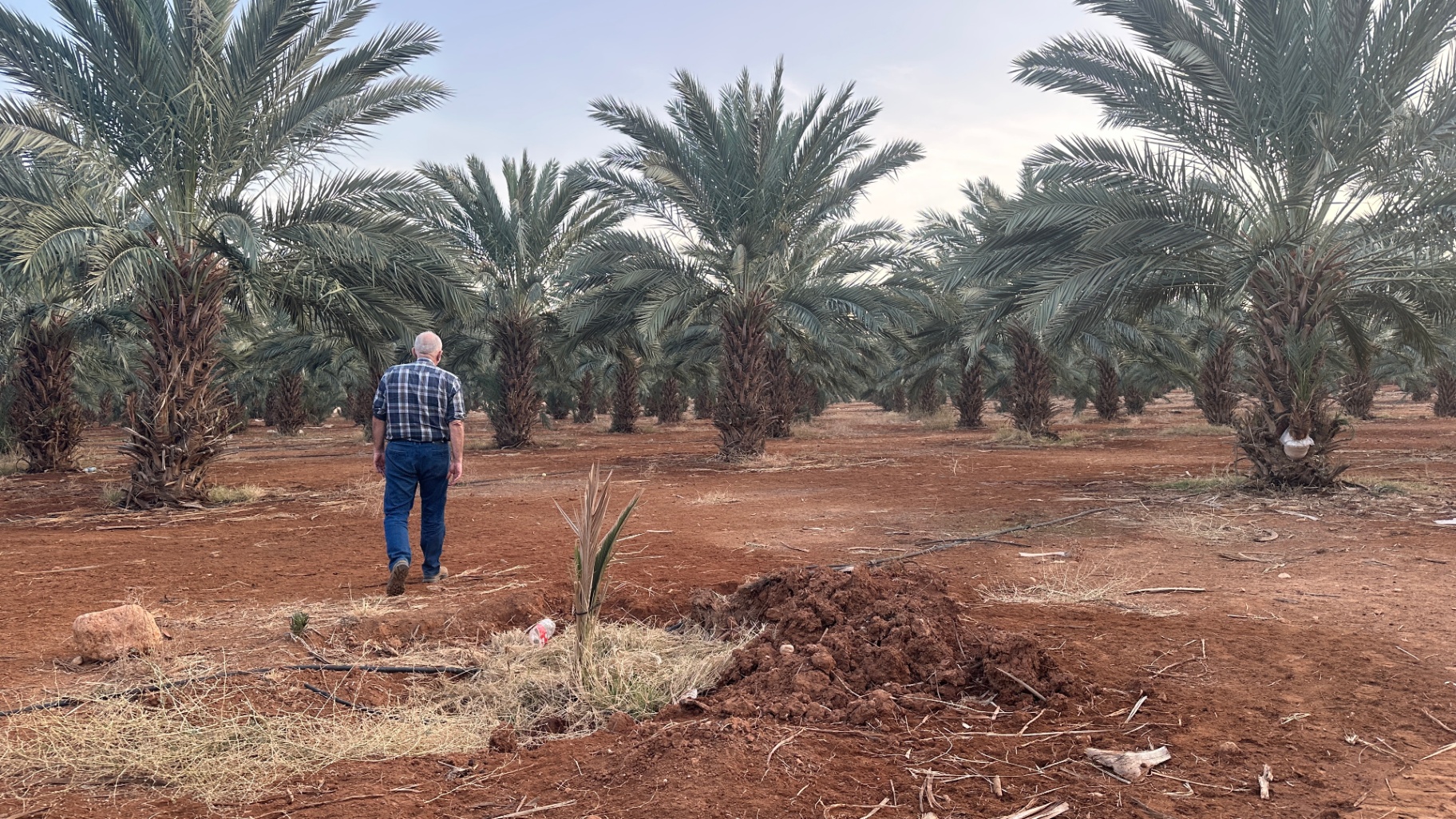
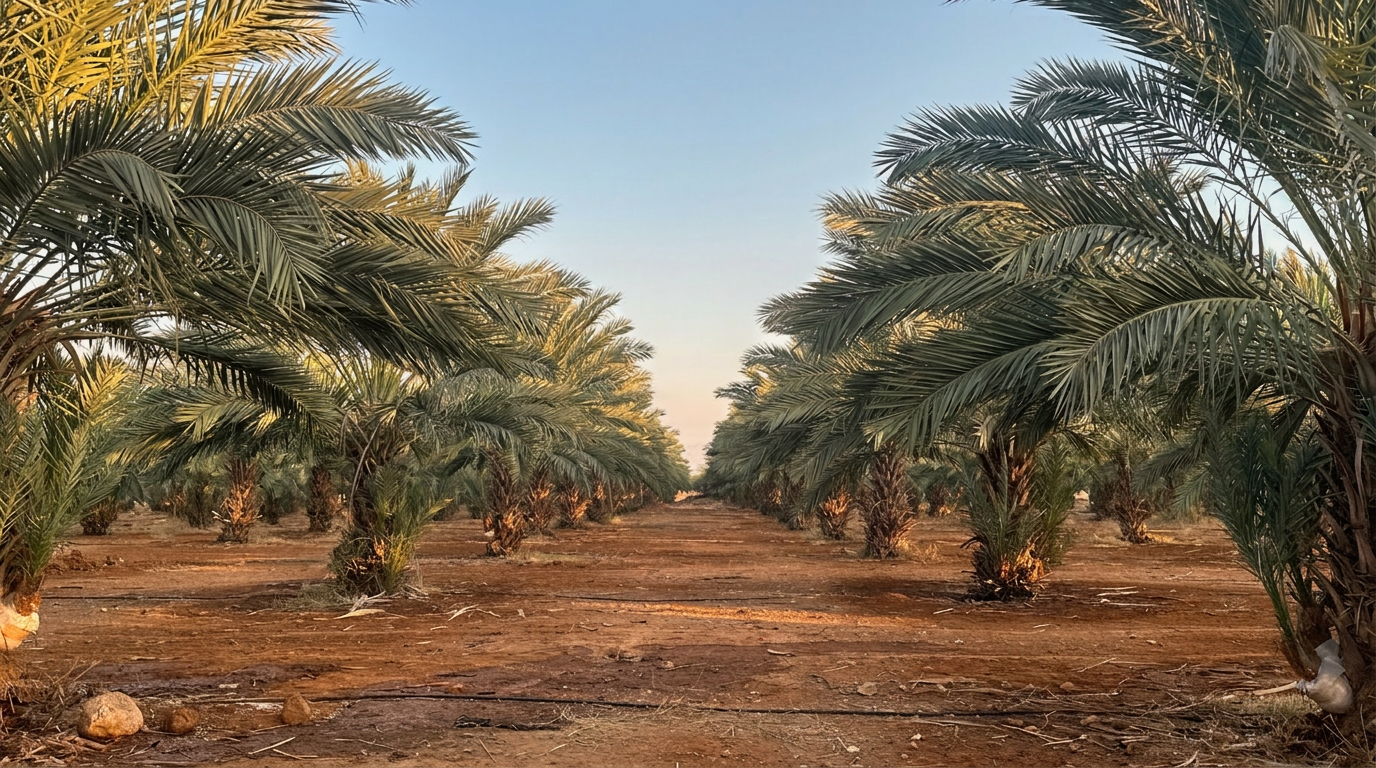
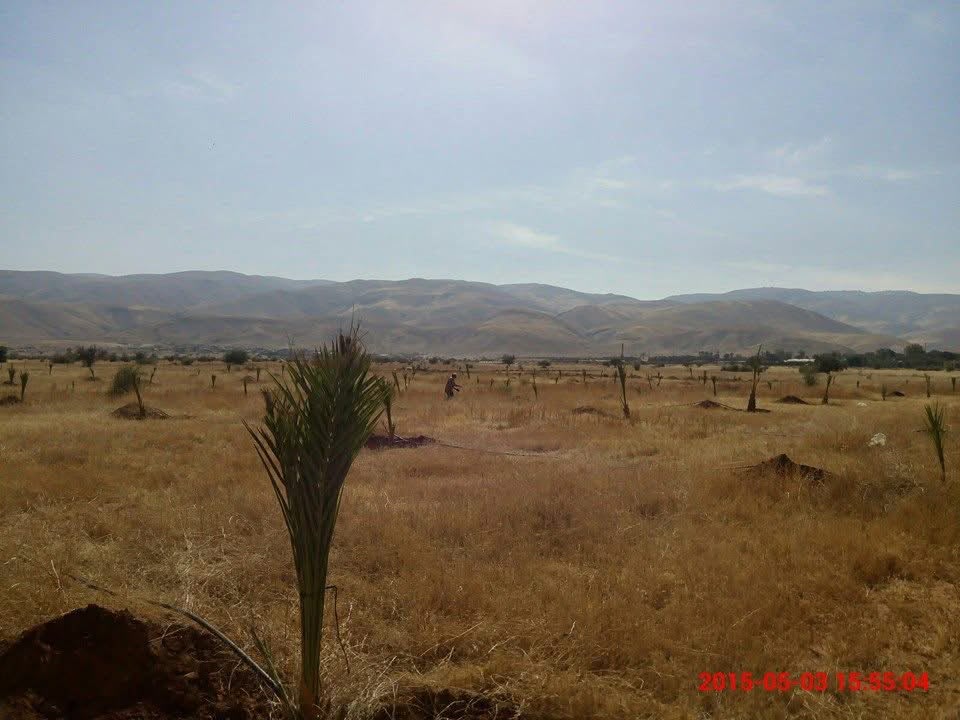
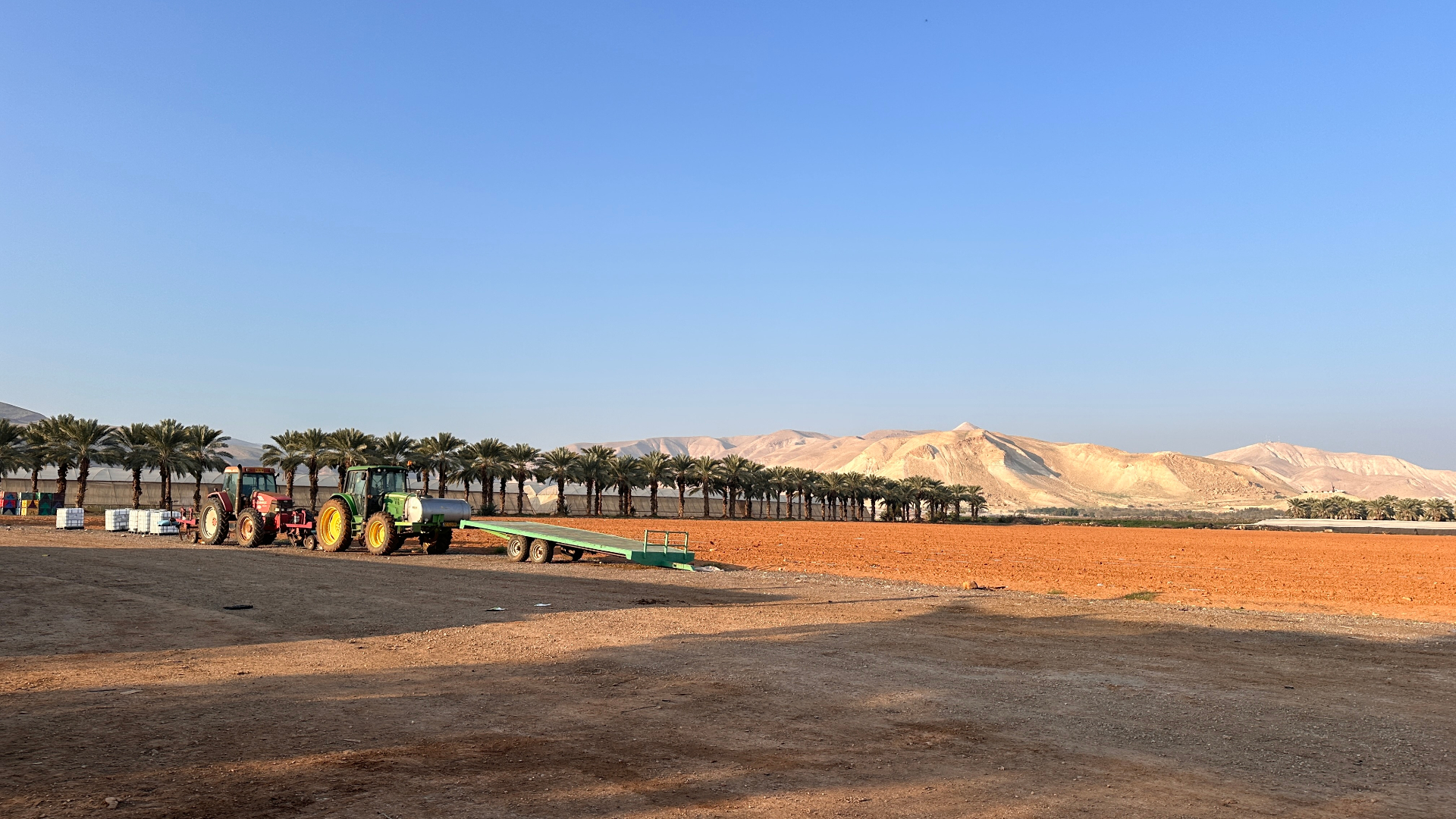
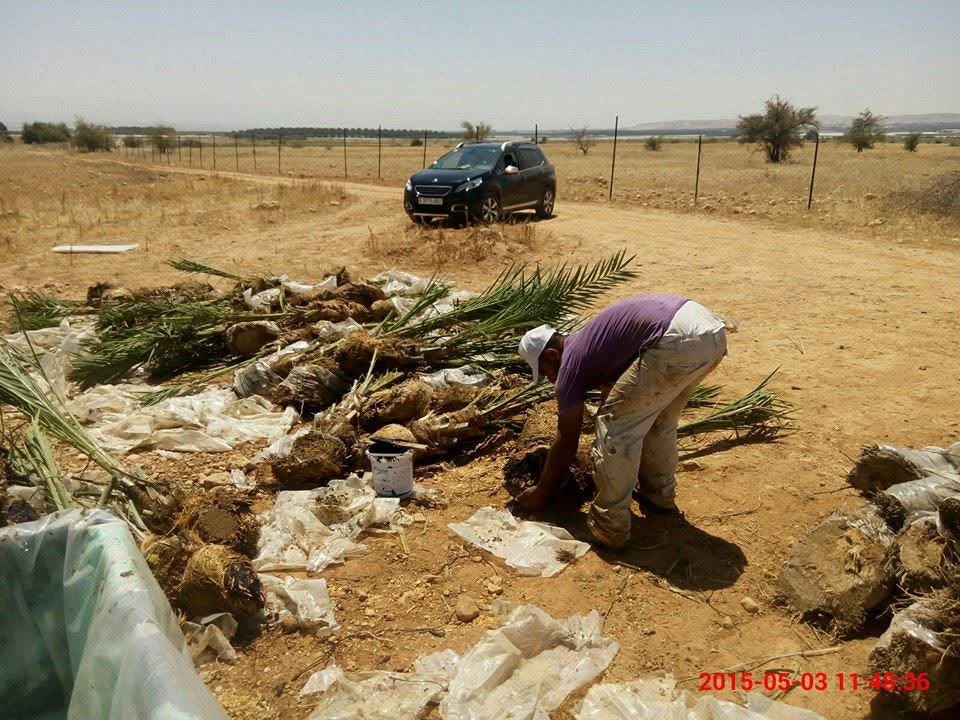
The Medjoul grove — from the first seedlings in the red soil to the mature orchard that produces over 200 tons of dates each September. A living field, still expanding — each mature palm gives rise to new offshoots, raised in the farm's own nursery and replanted across the land.
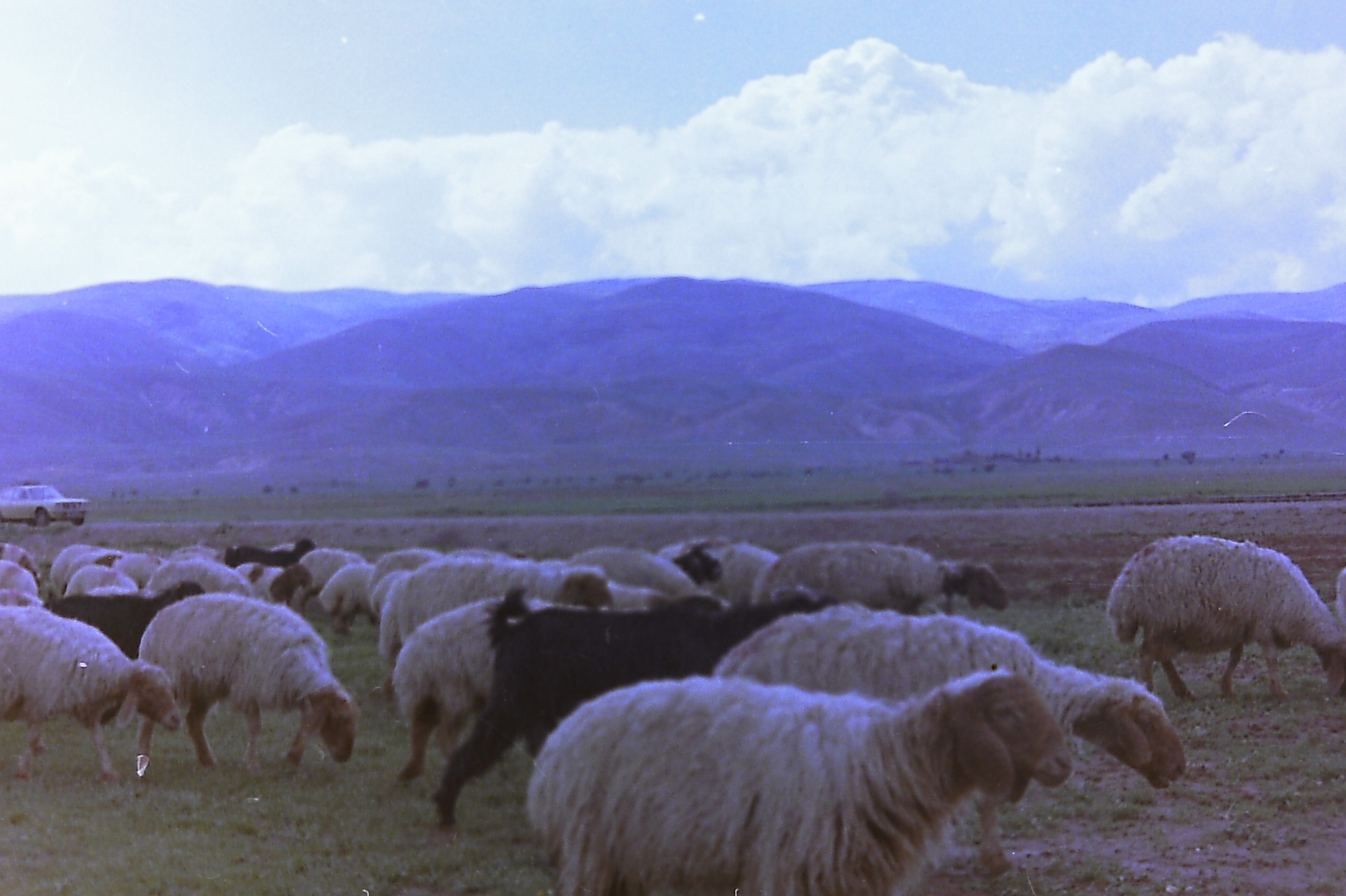
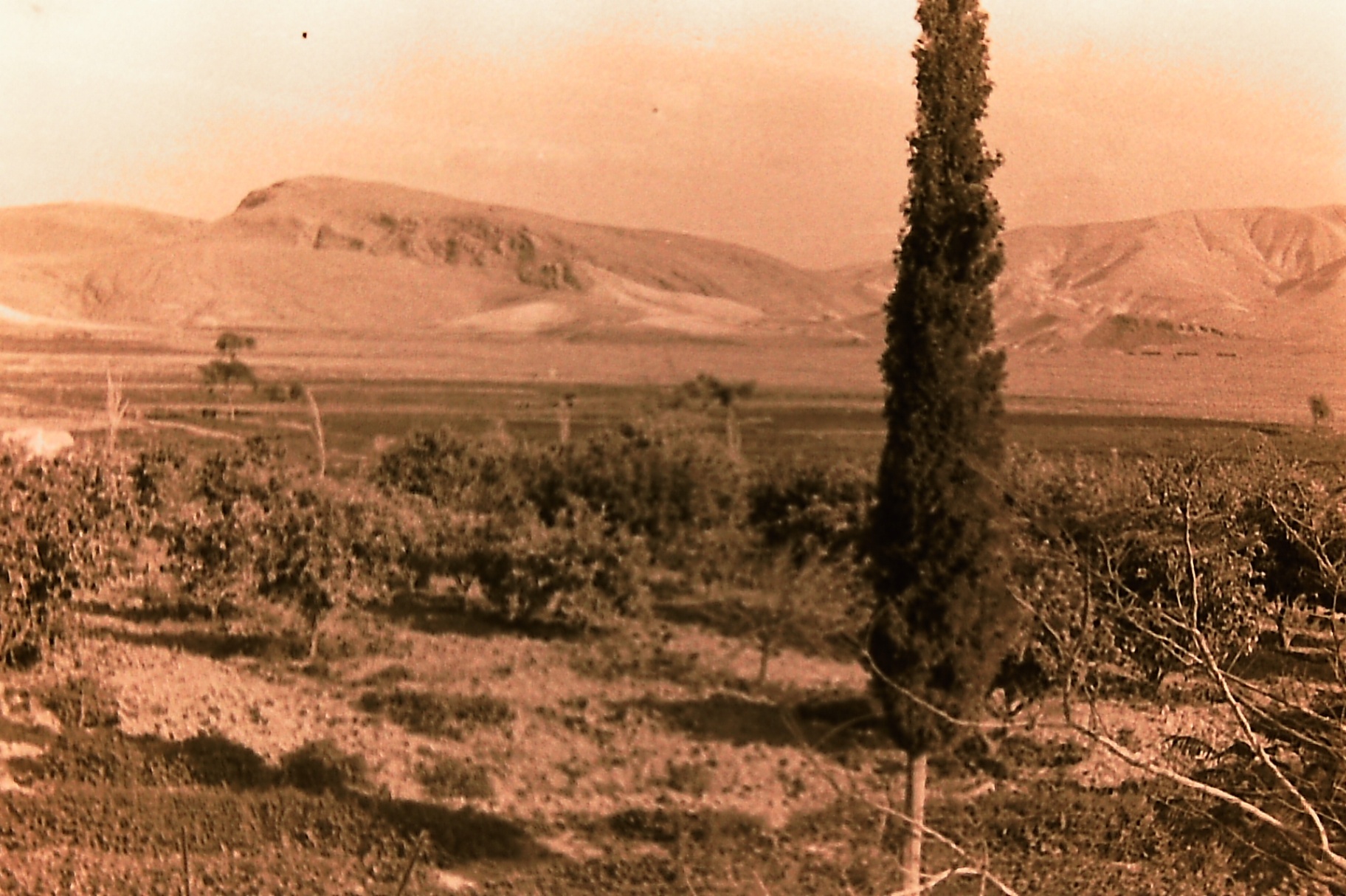
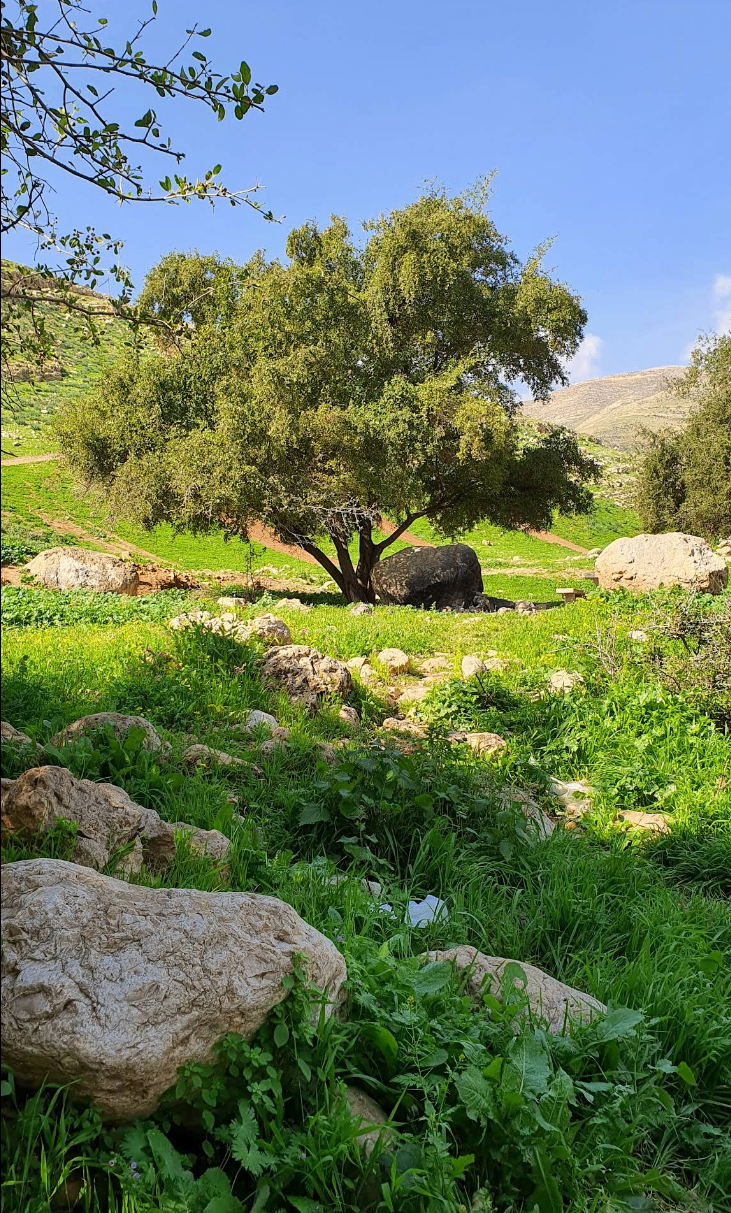
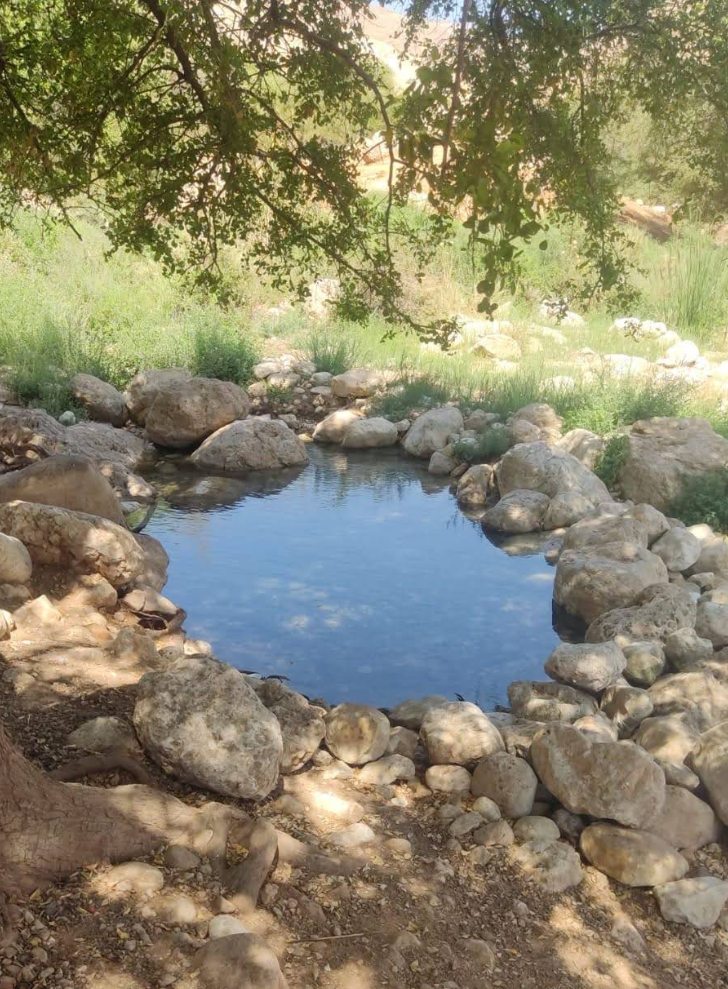
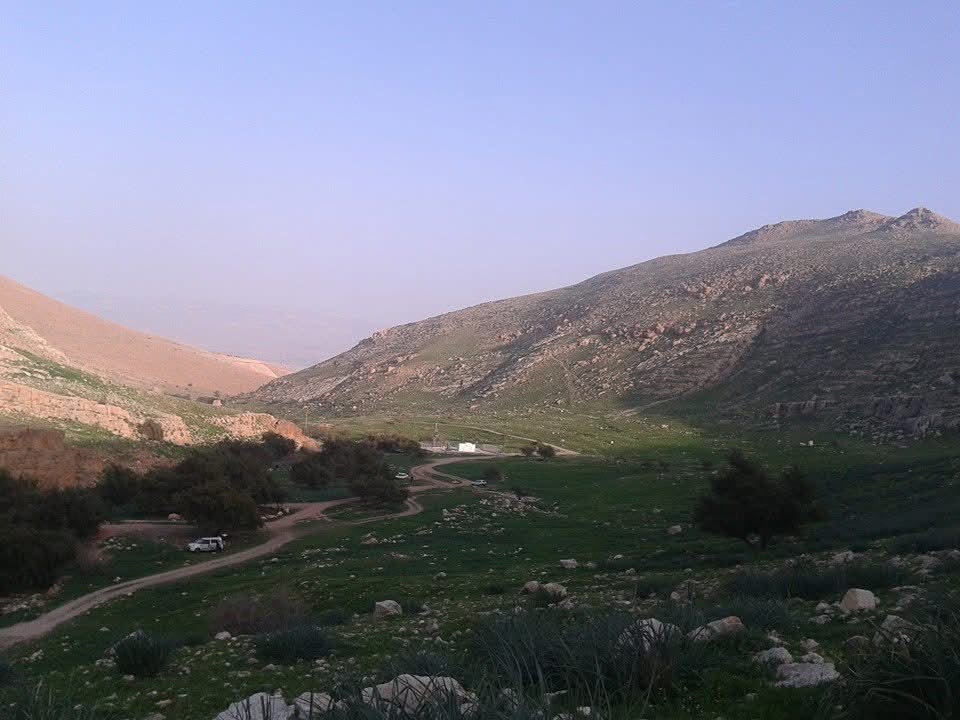
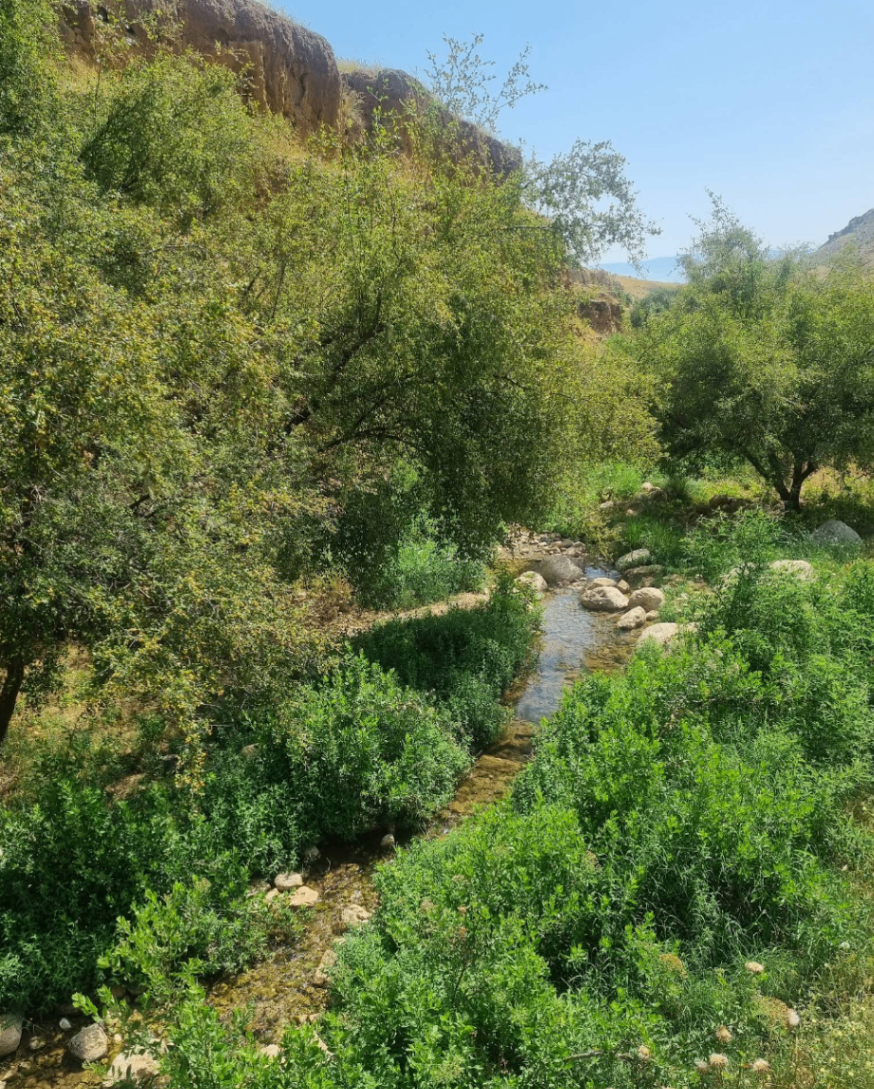
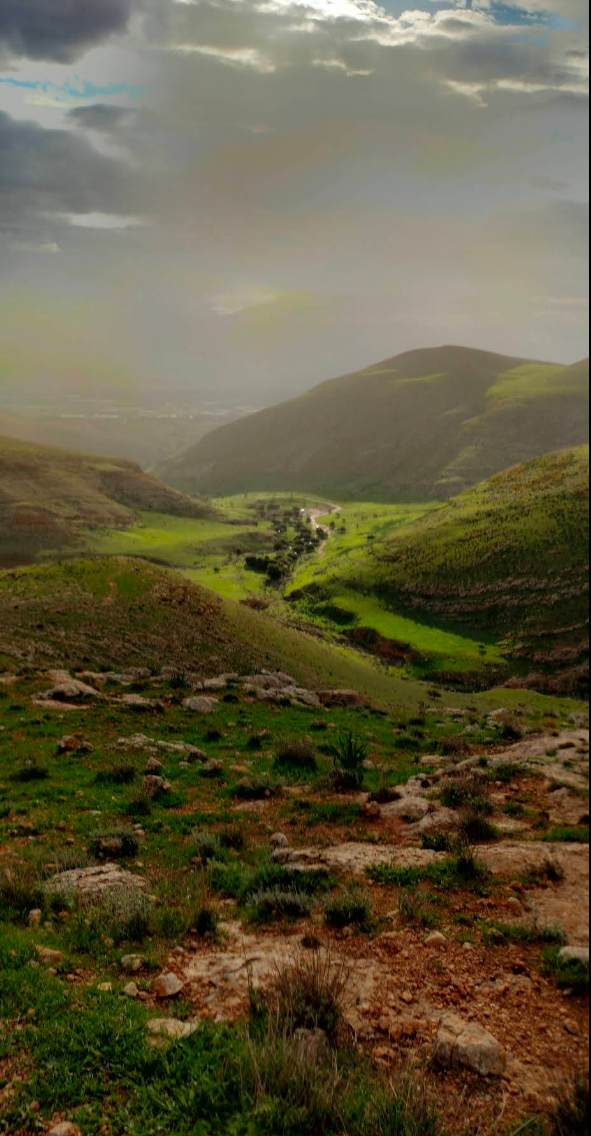
The Valley That Raised Us
One valley. One century.
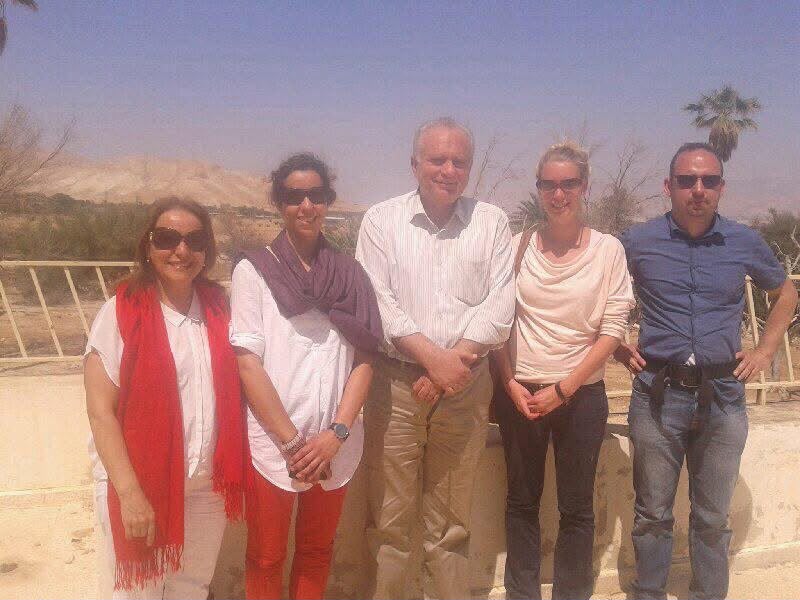
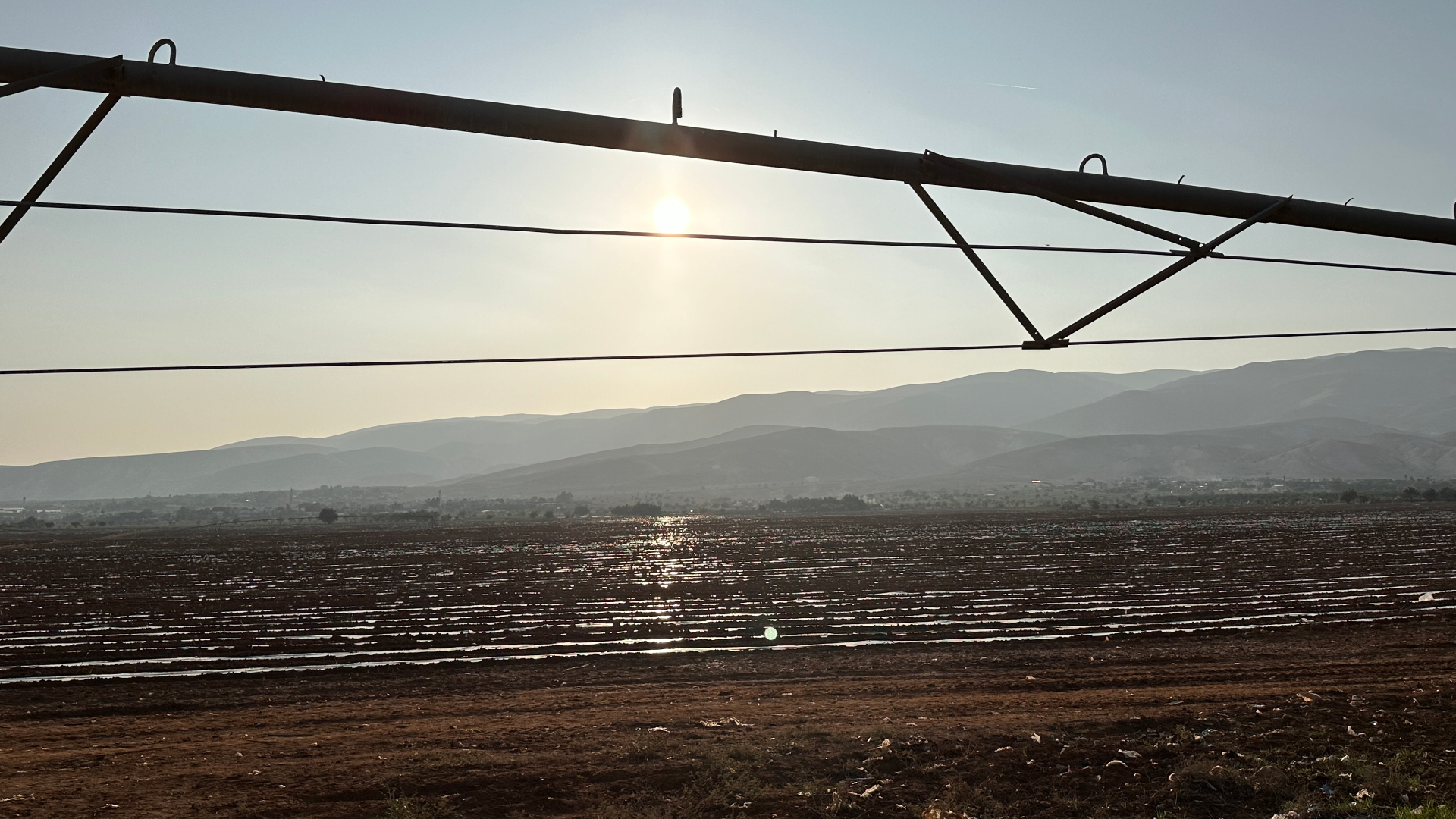
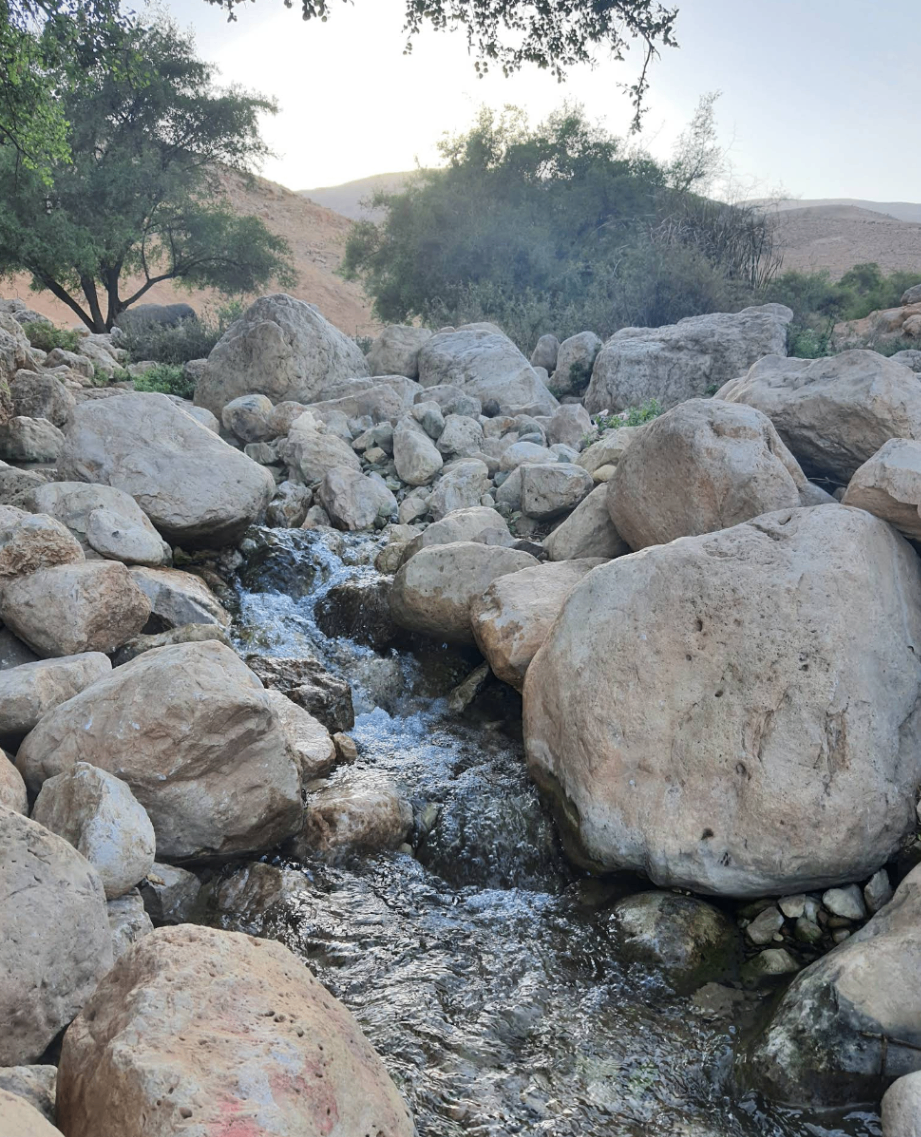
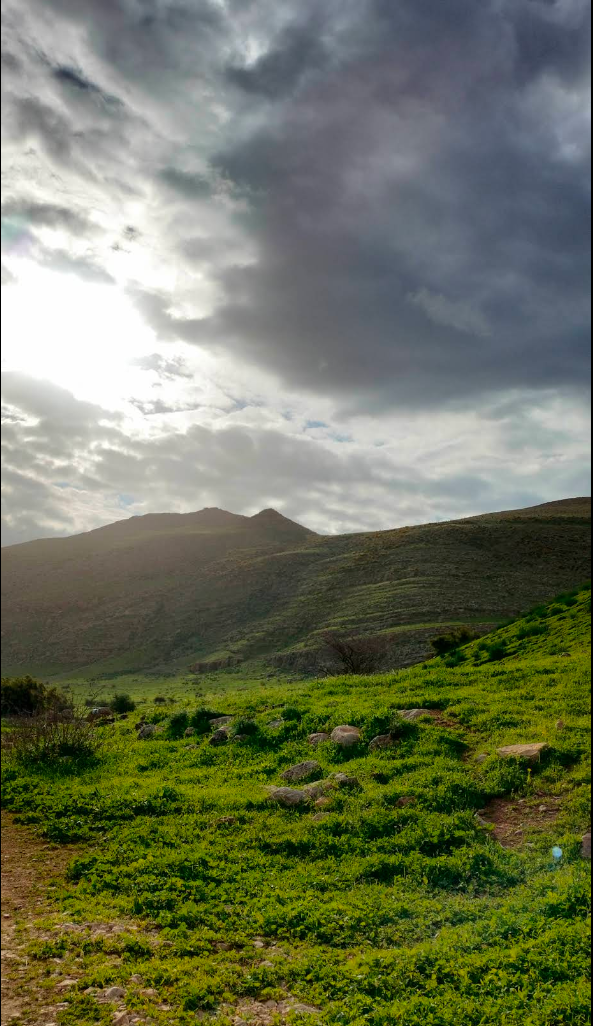
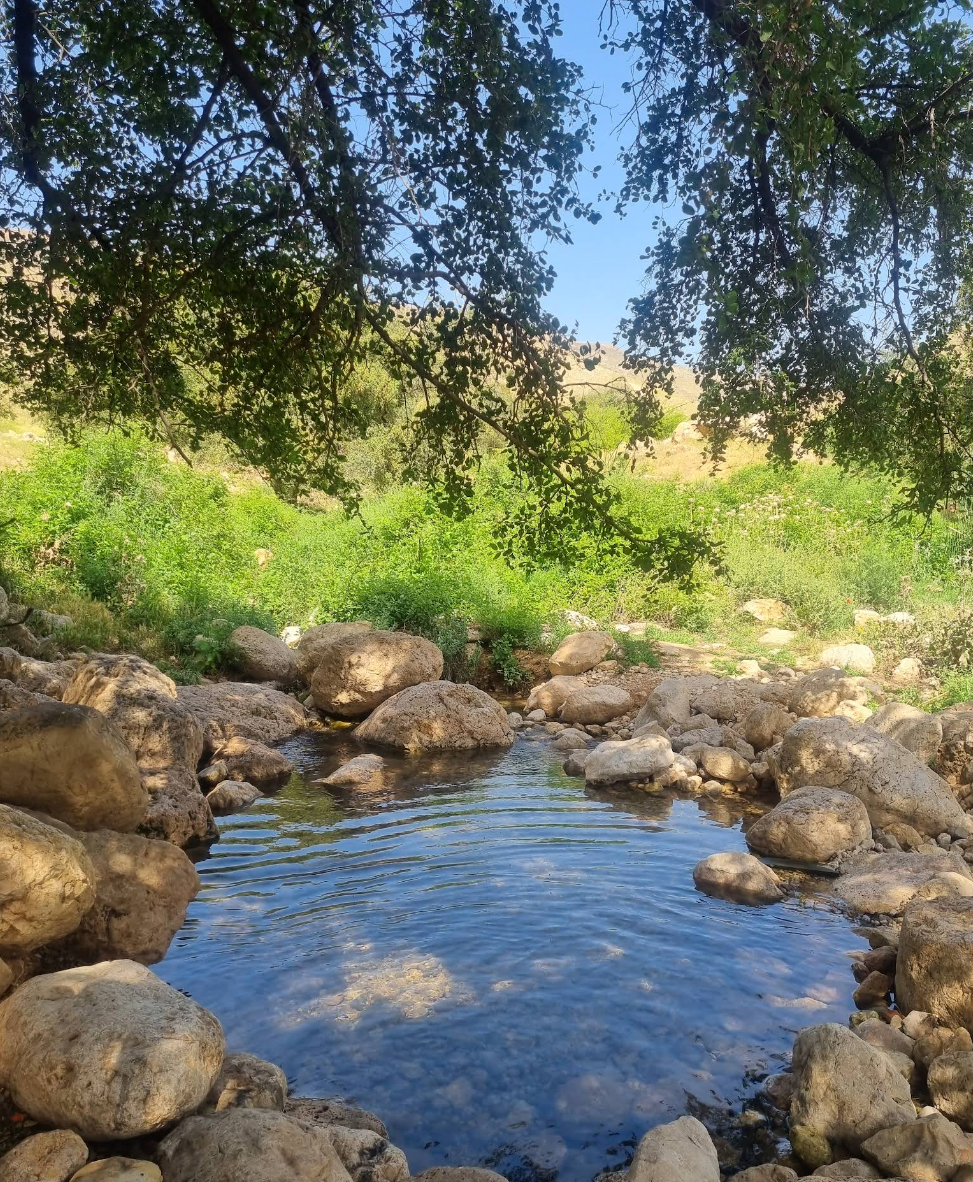
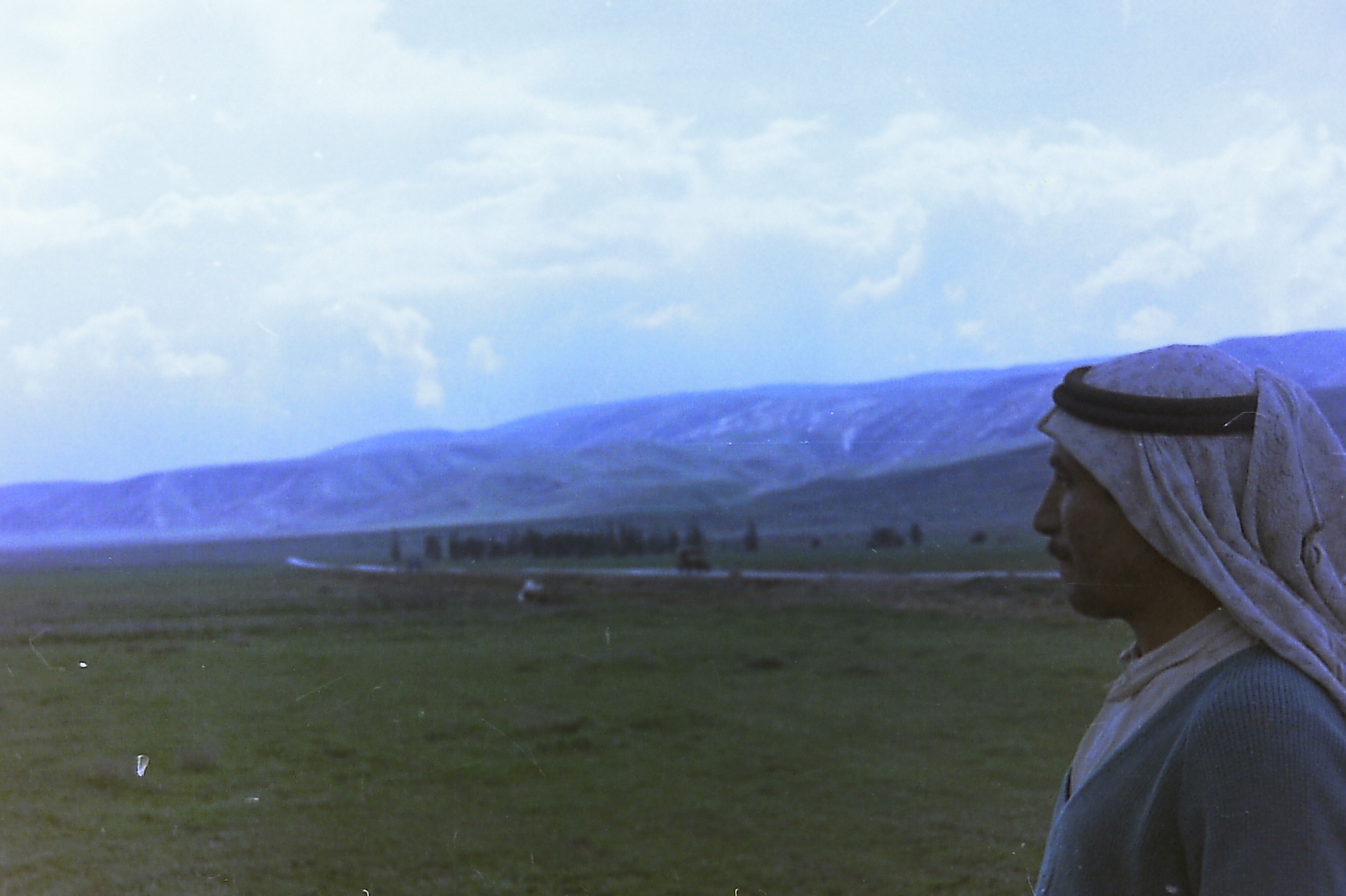
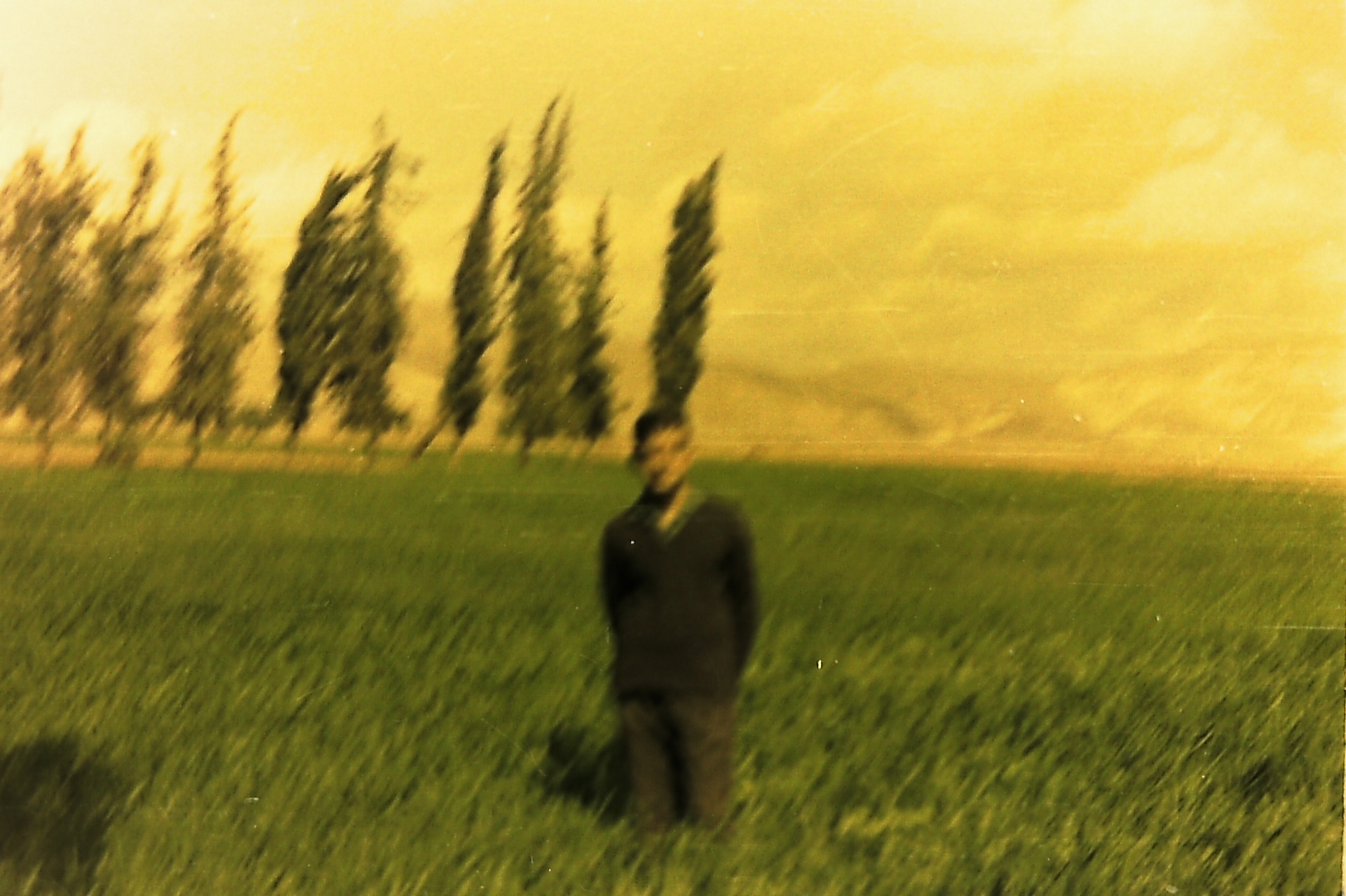
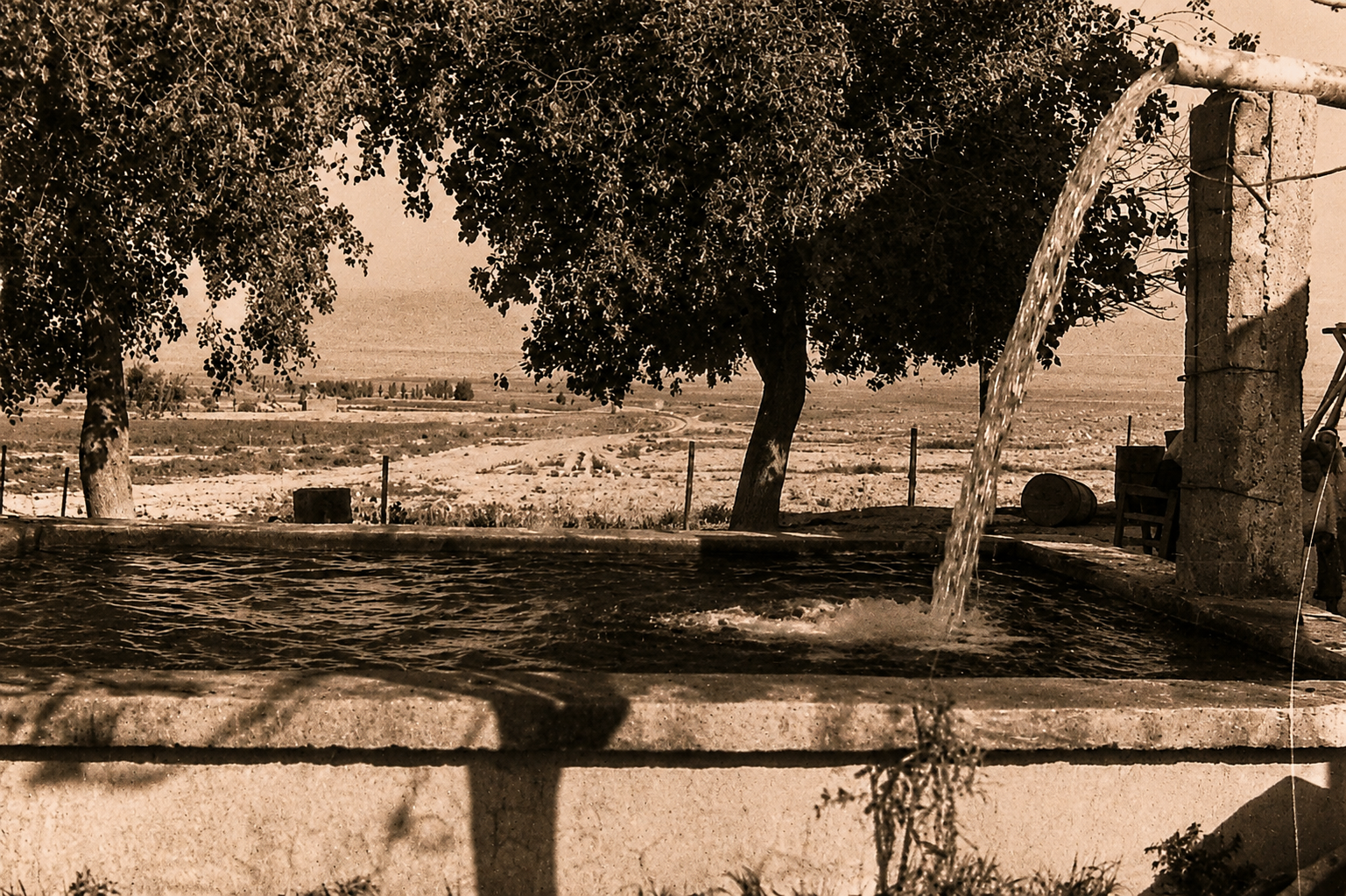
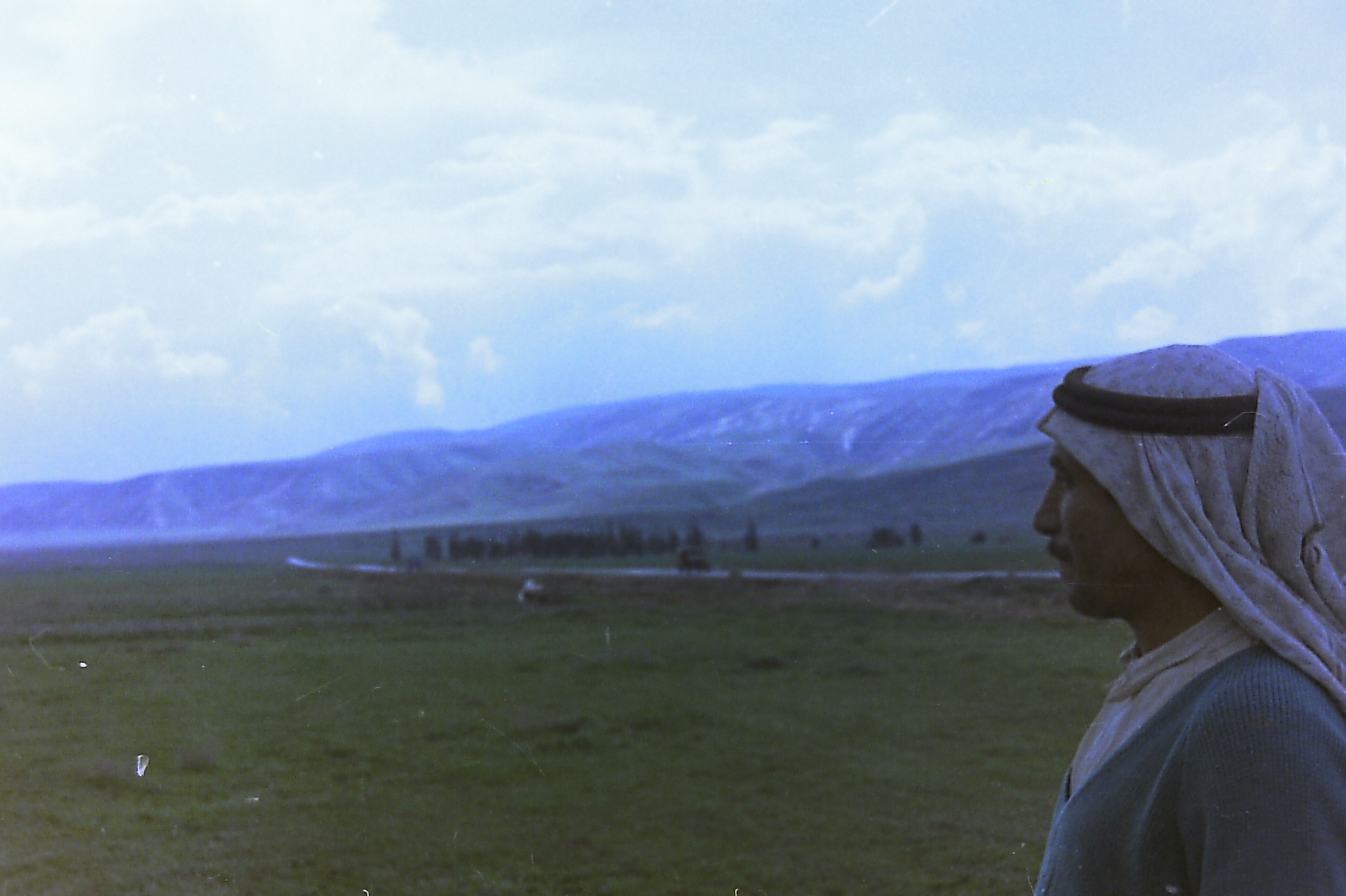
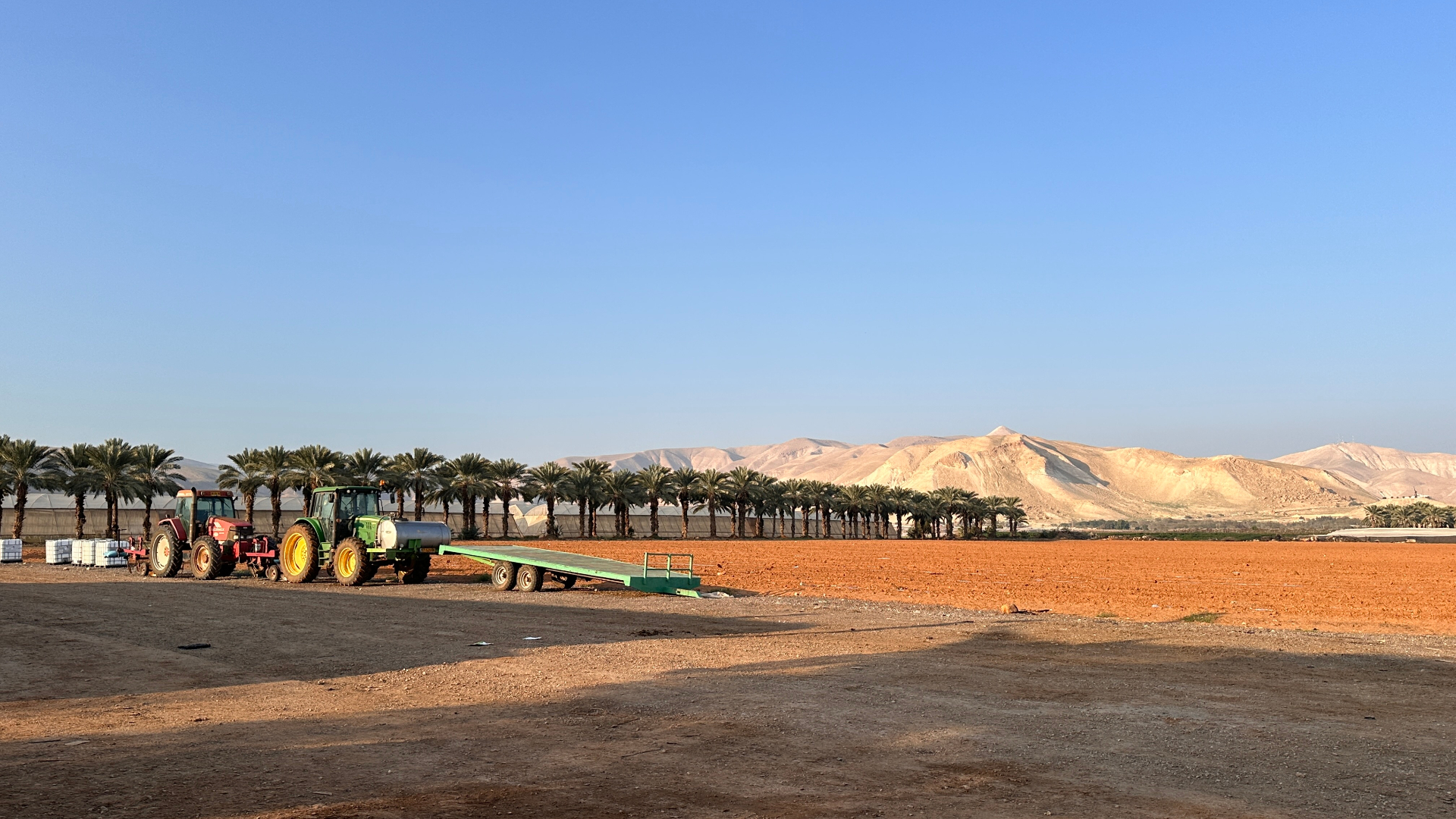
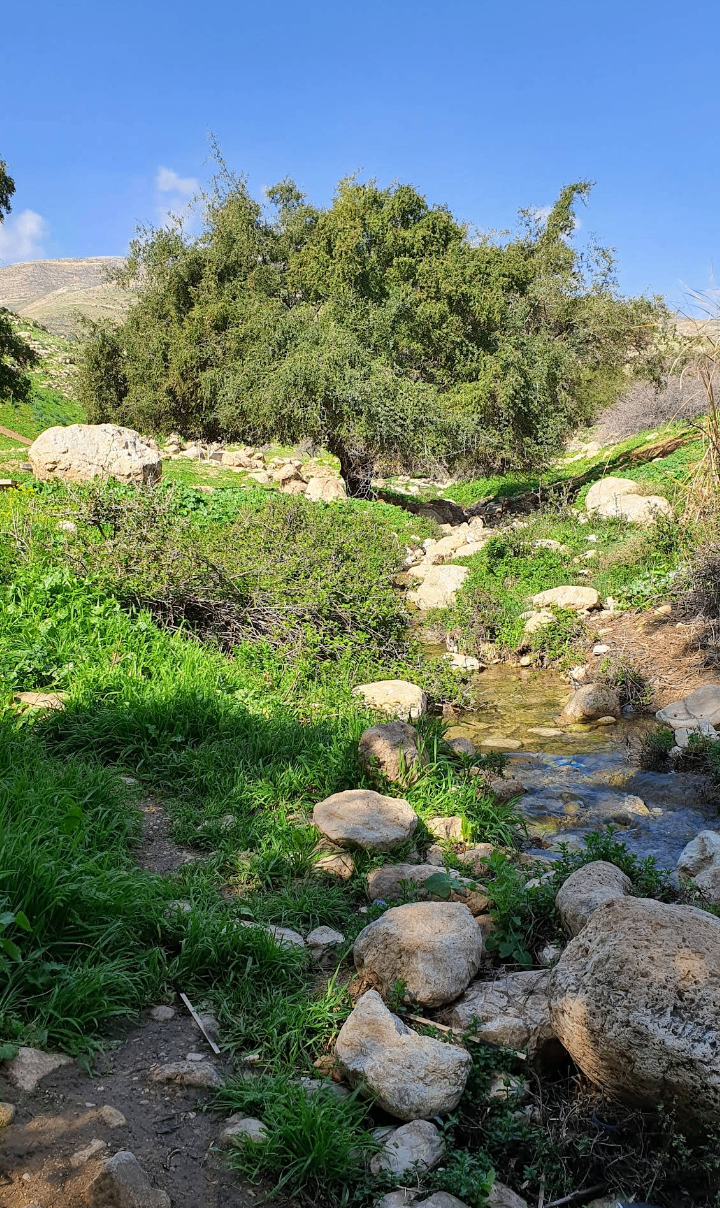
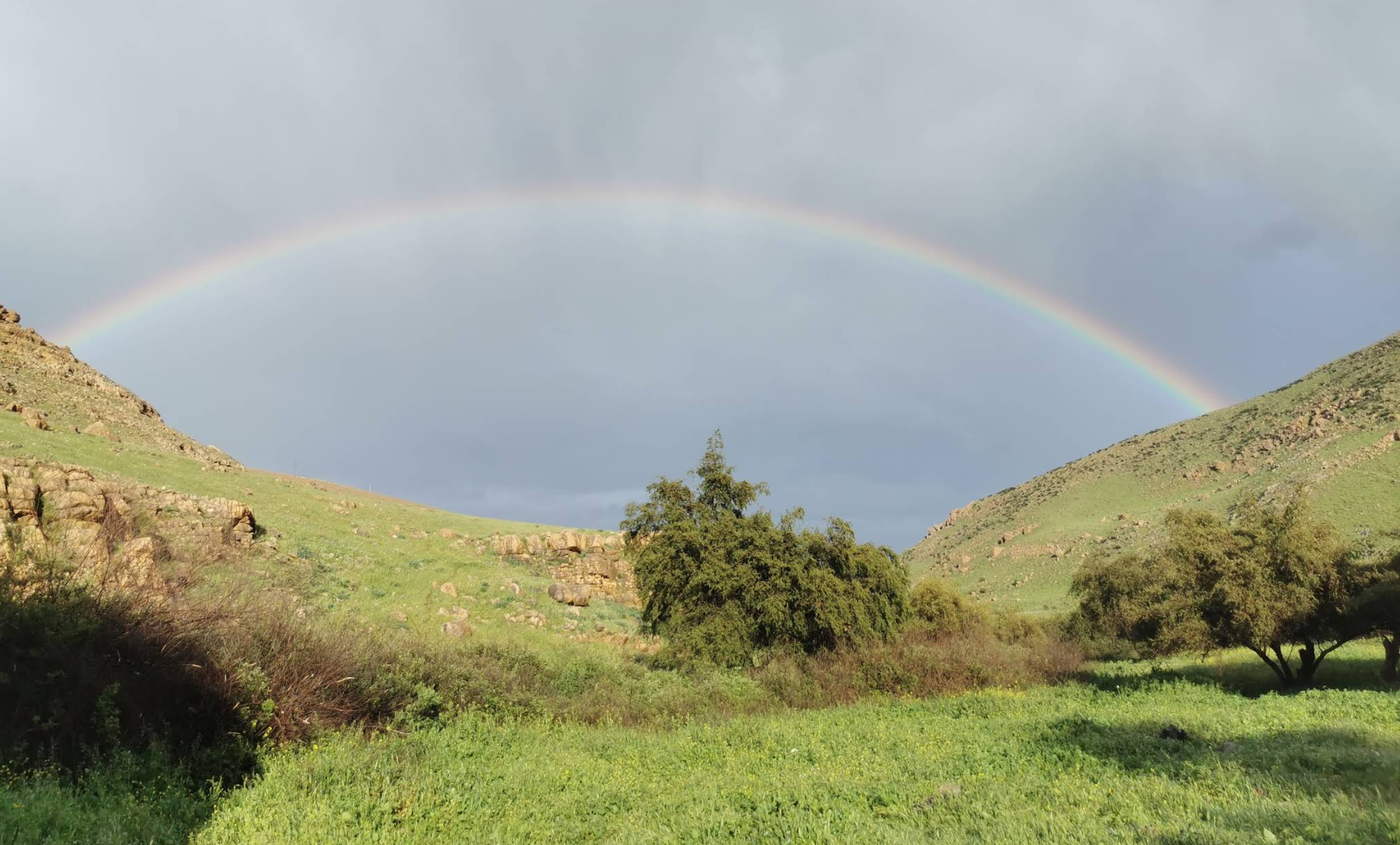
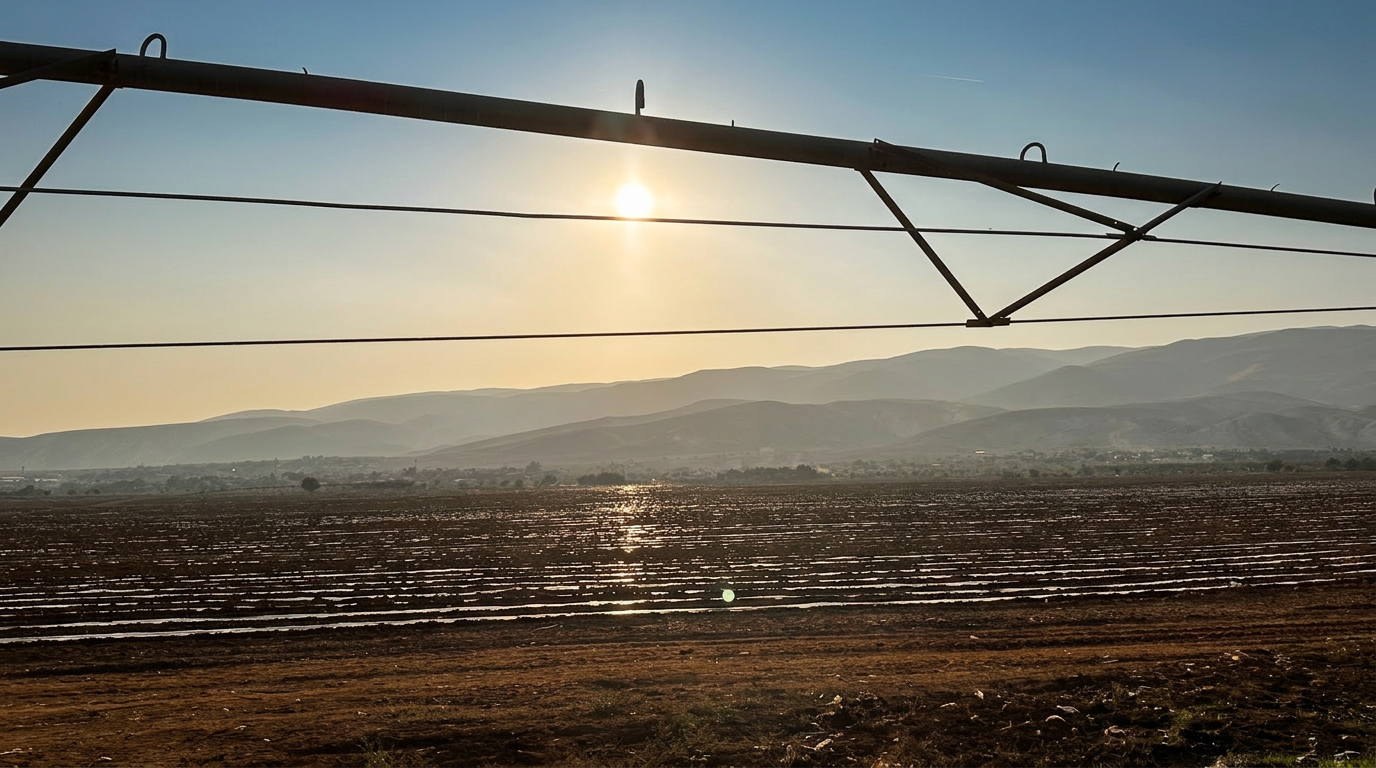
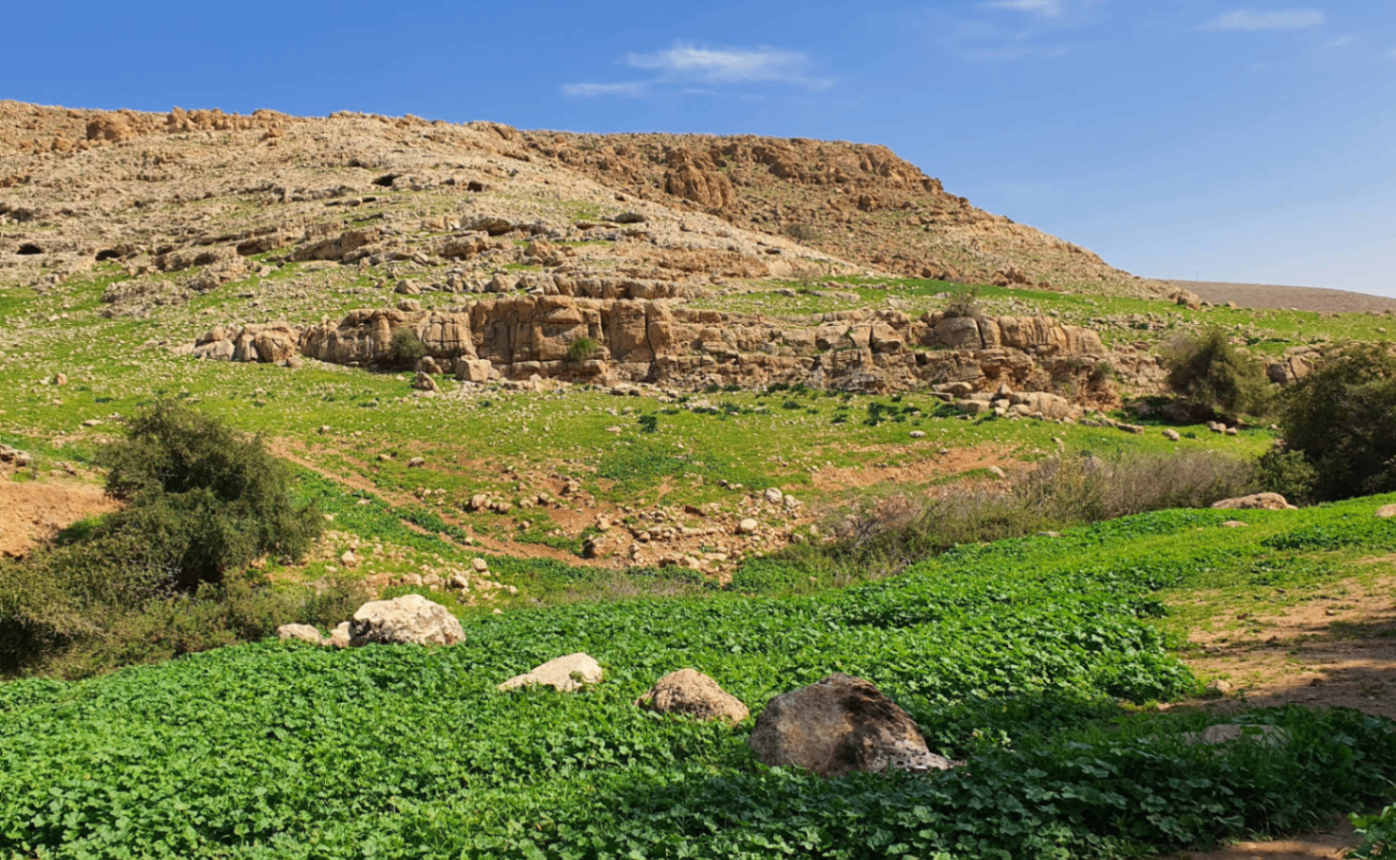
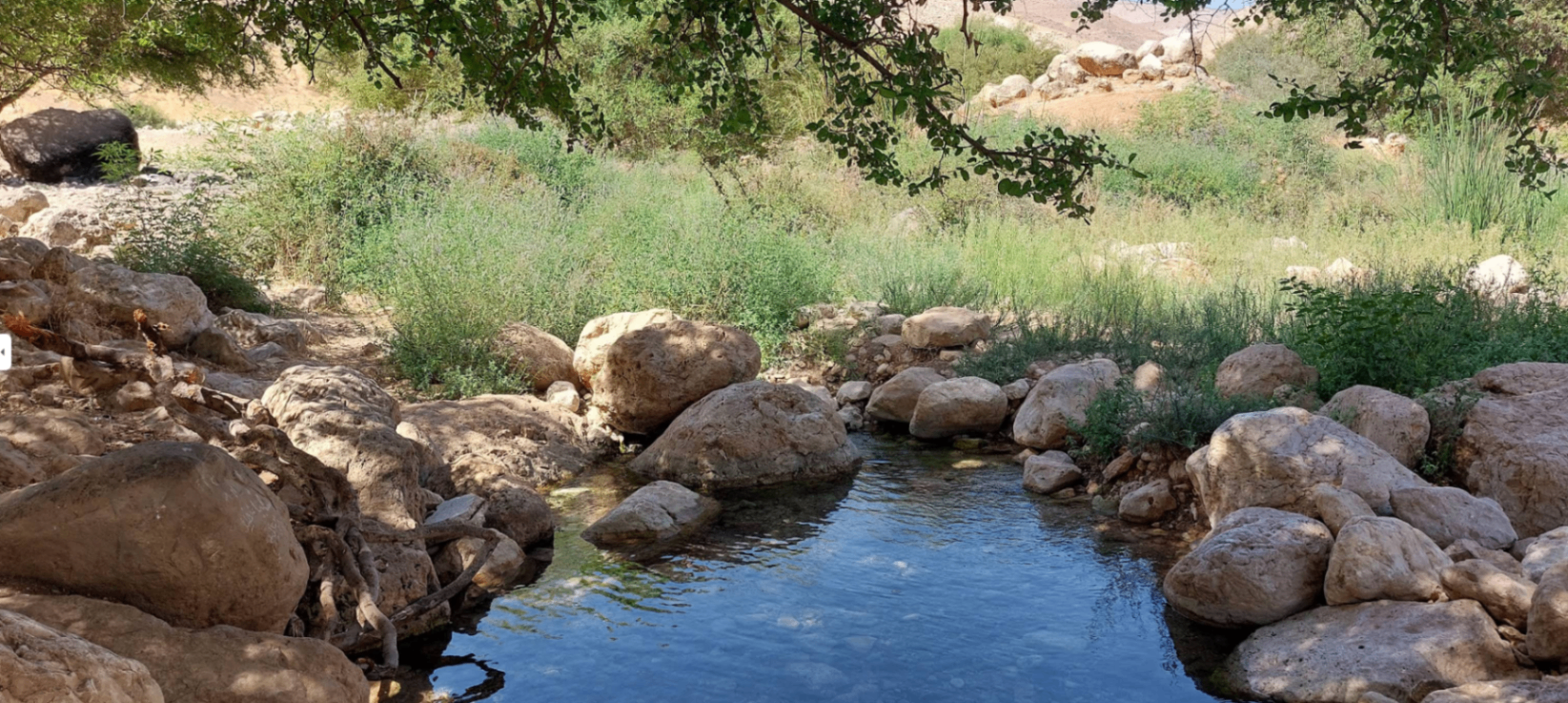
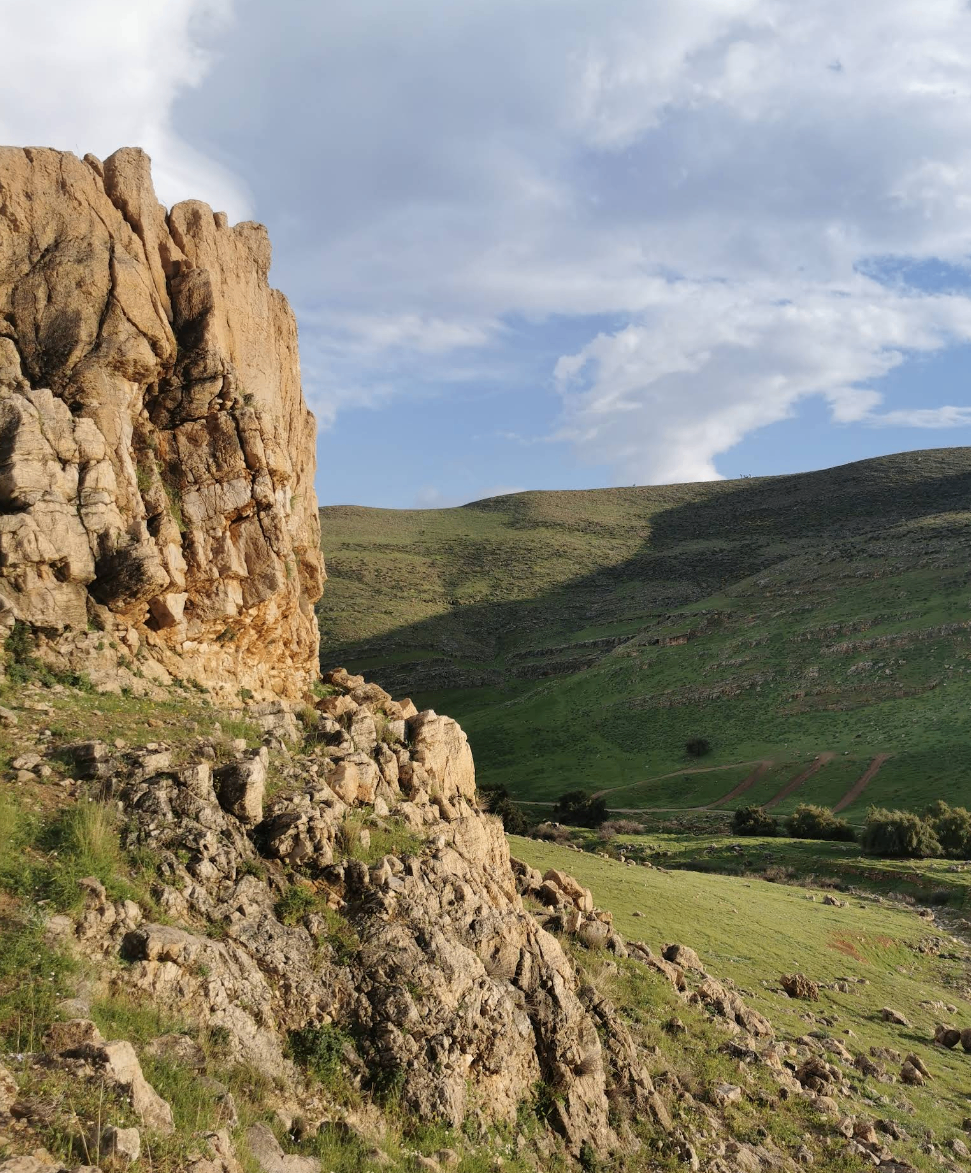
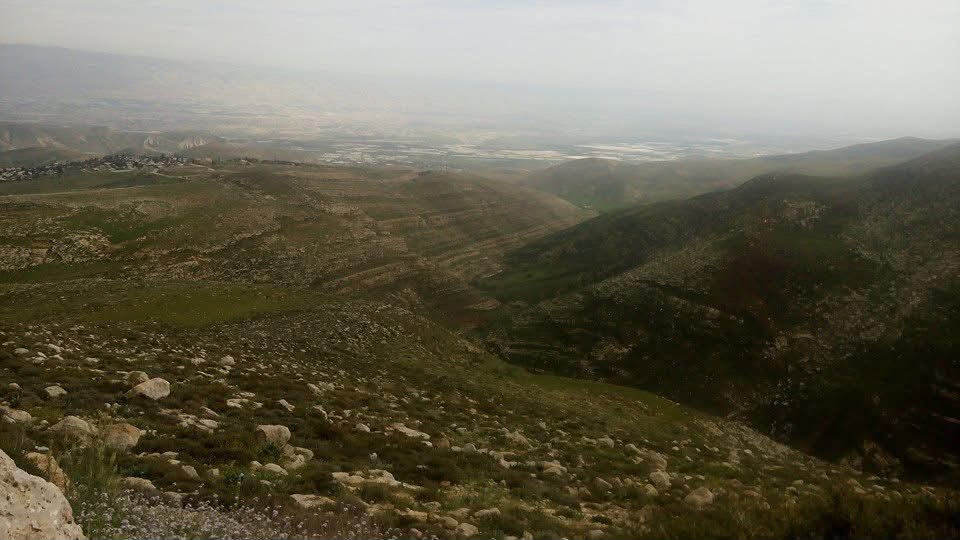
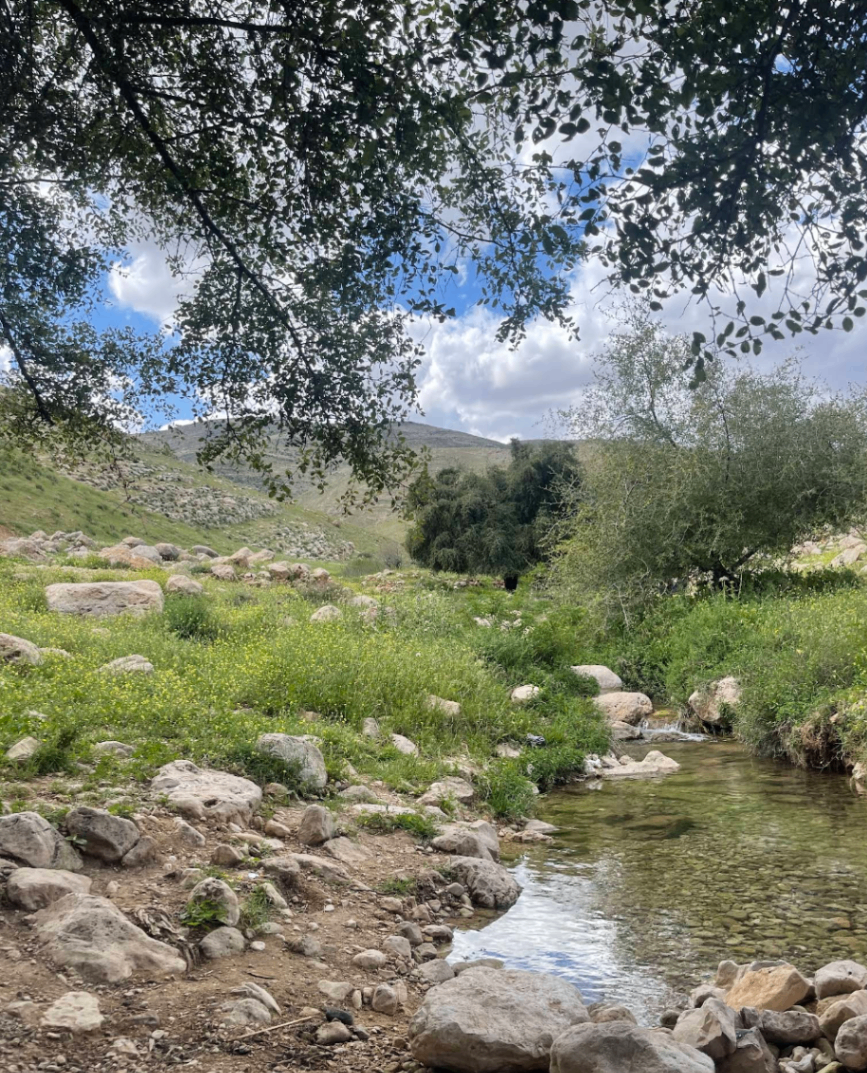
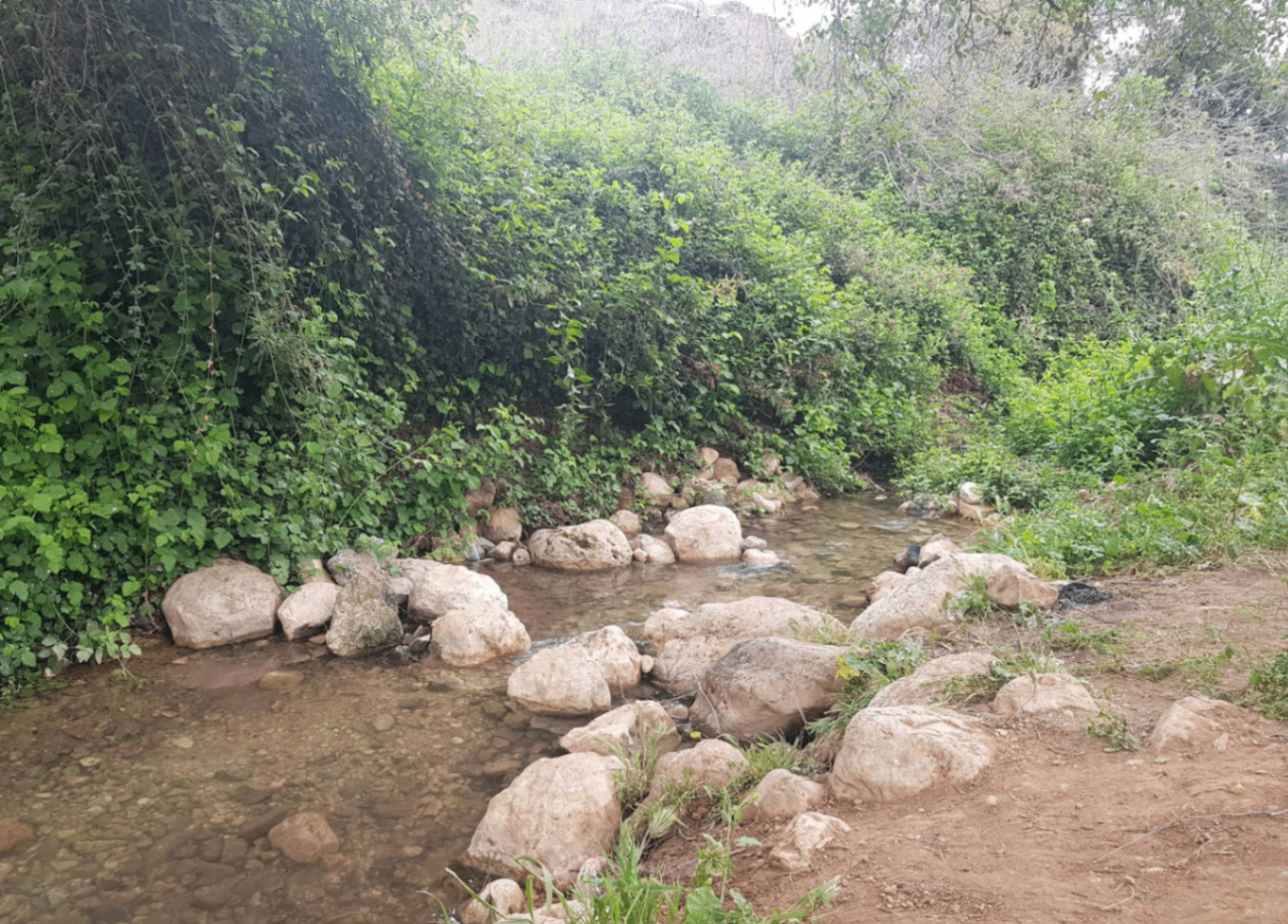
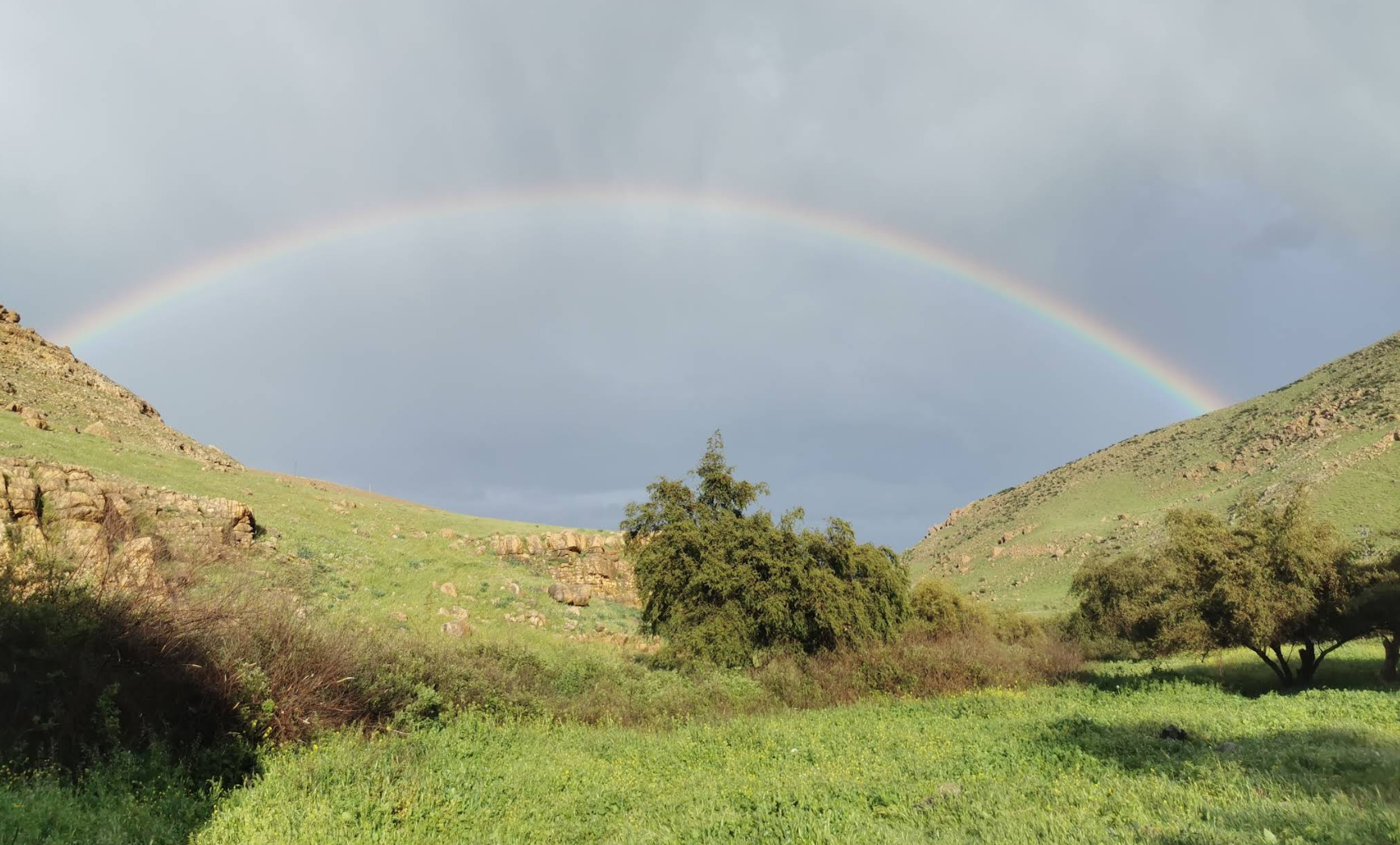
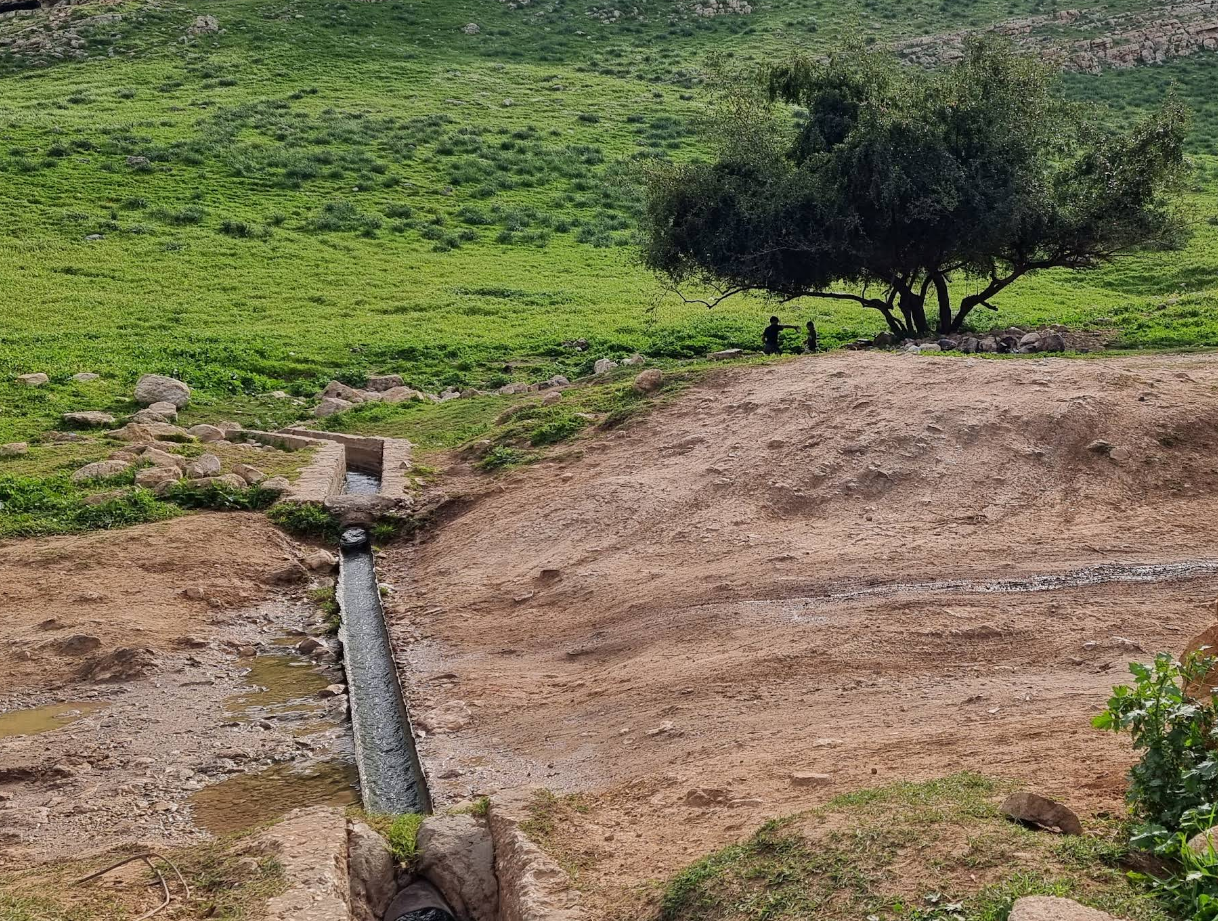
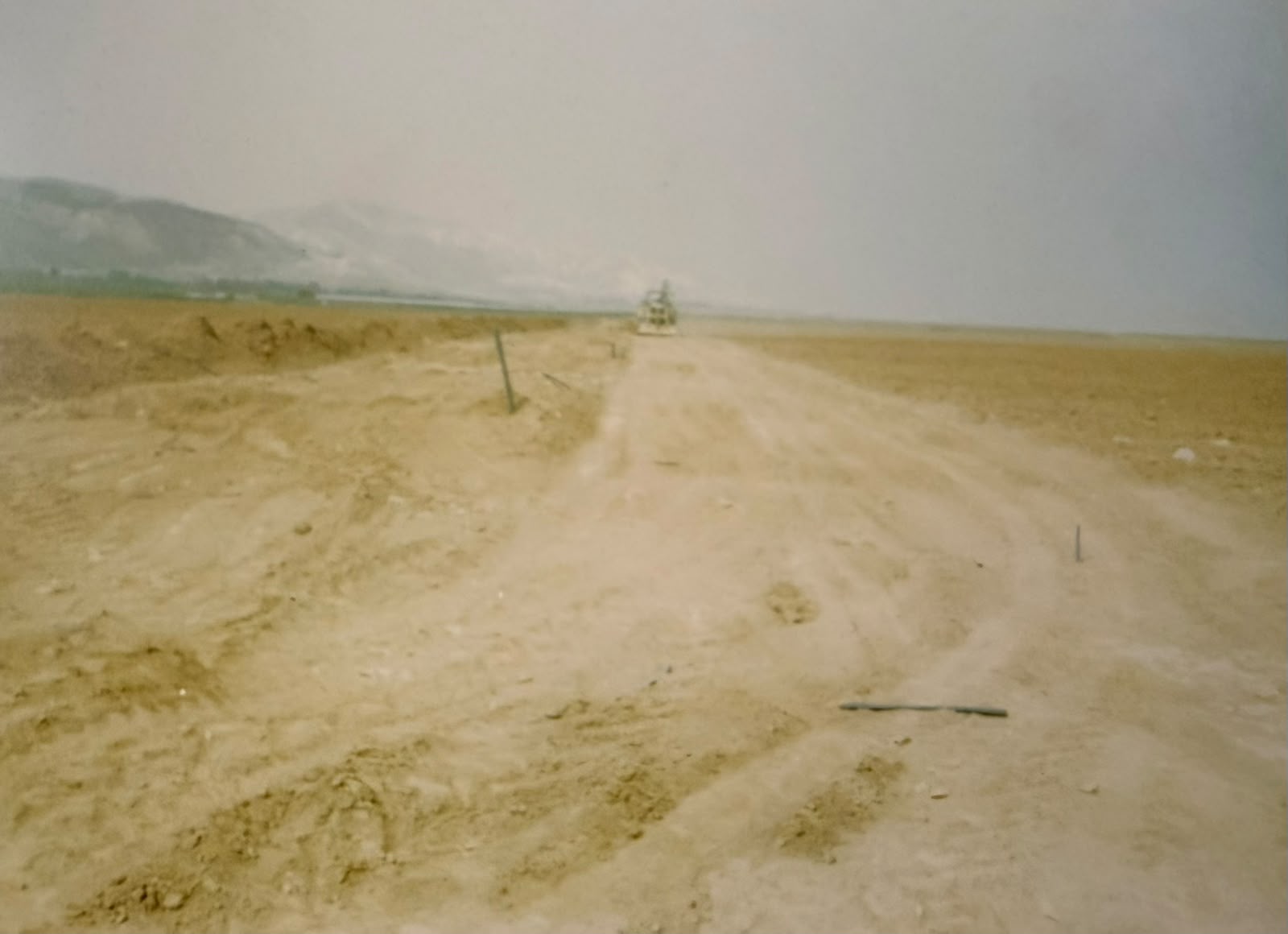
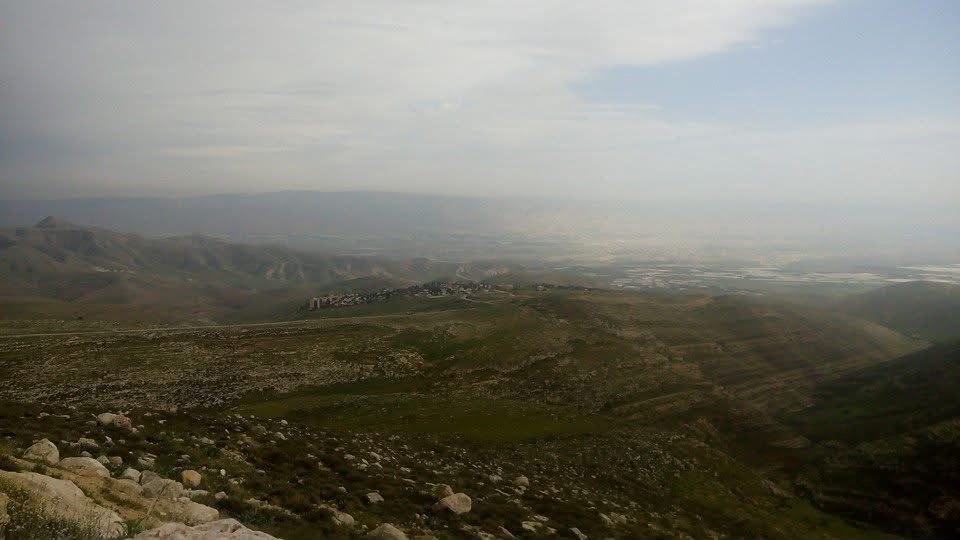
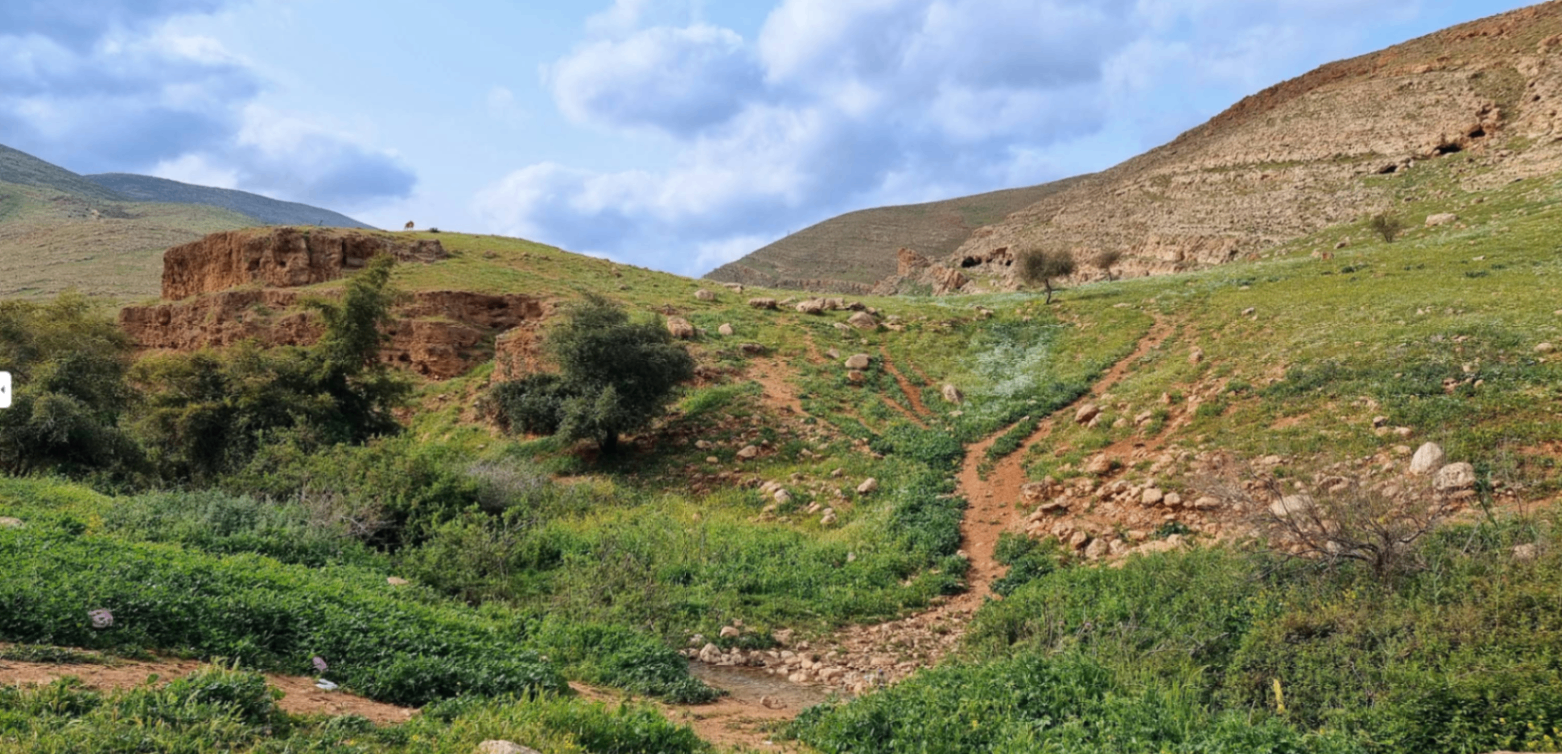
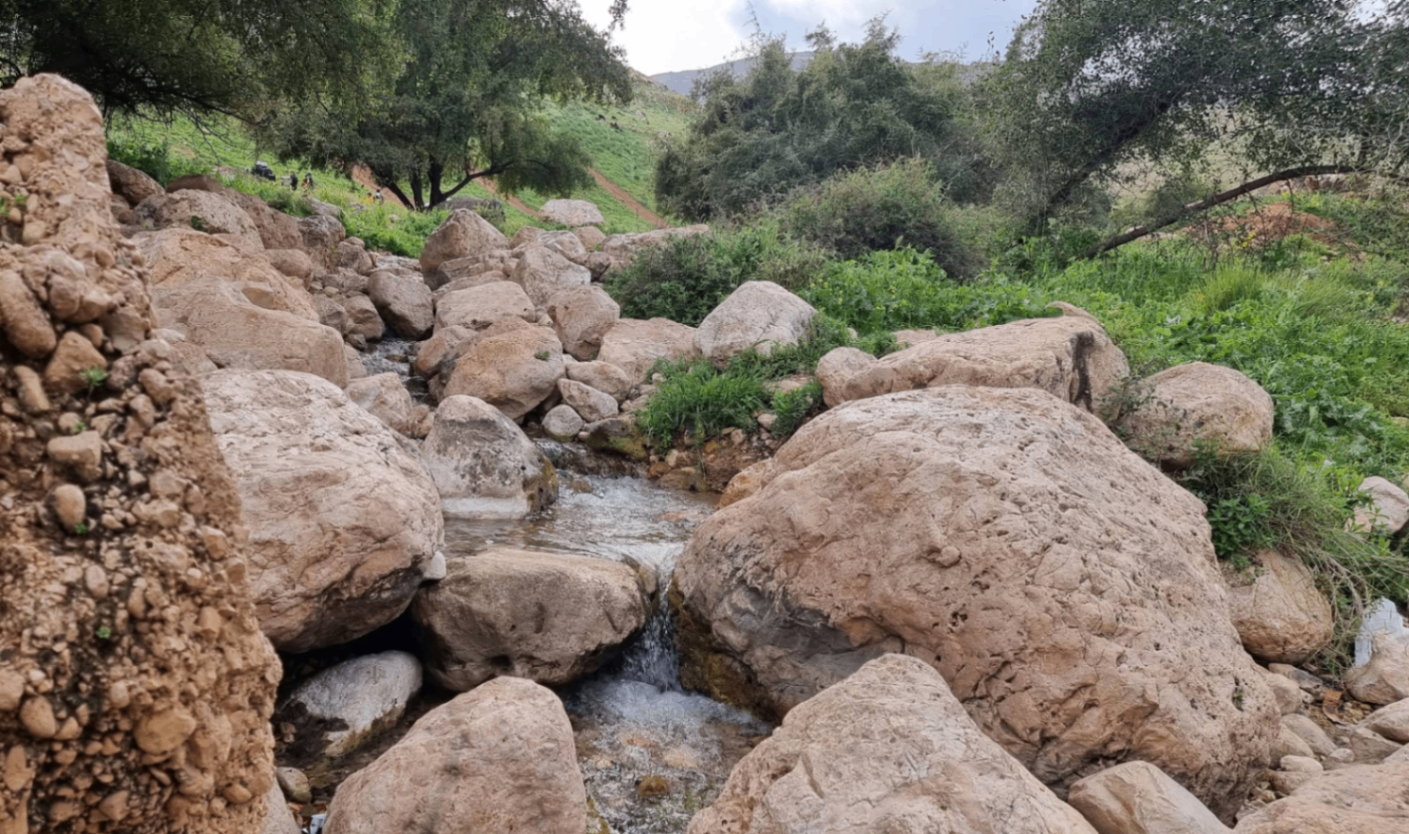
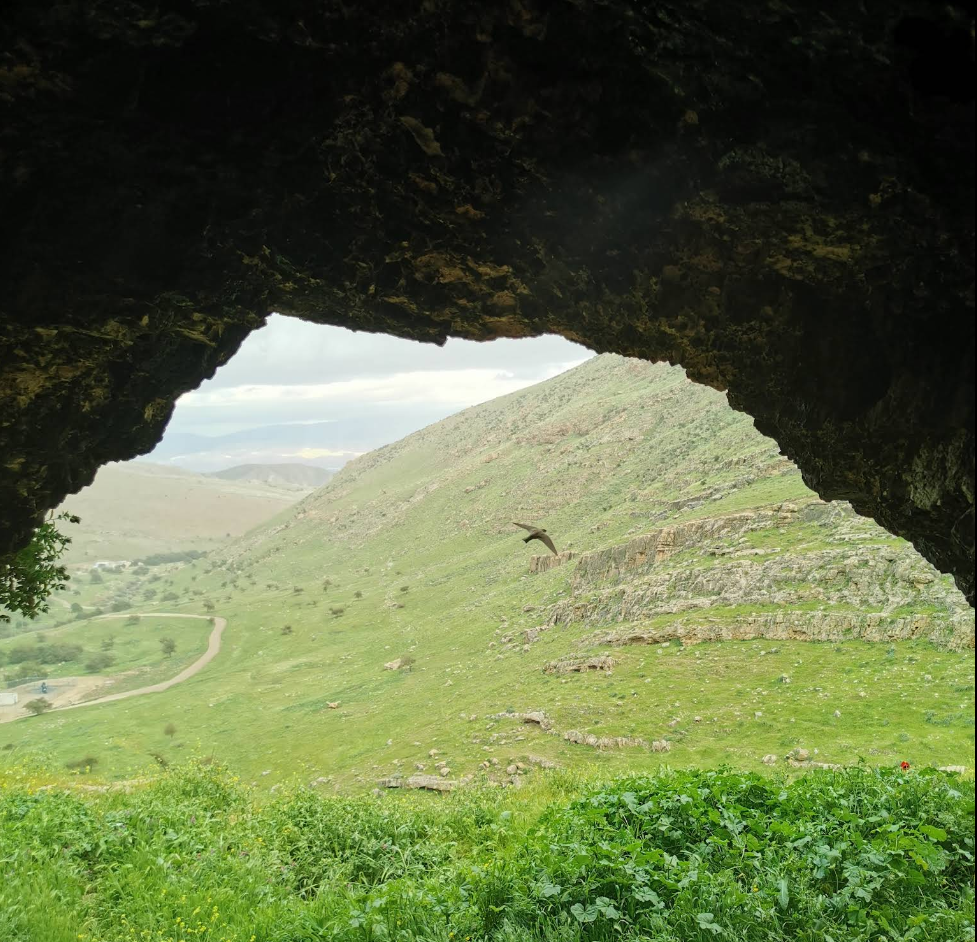
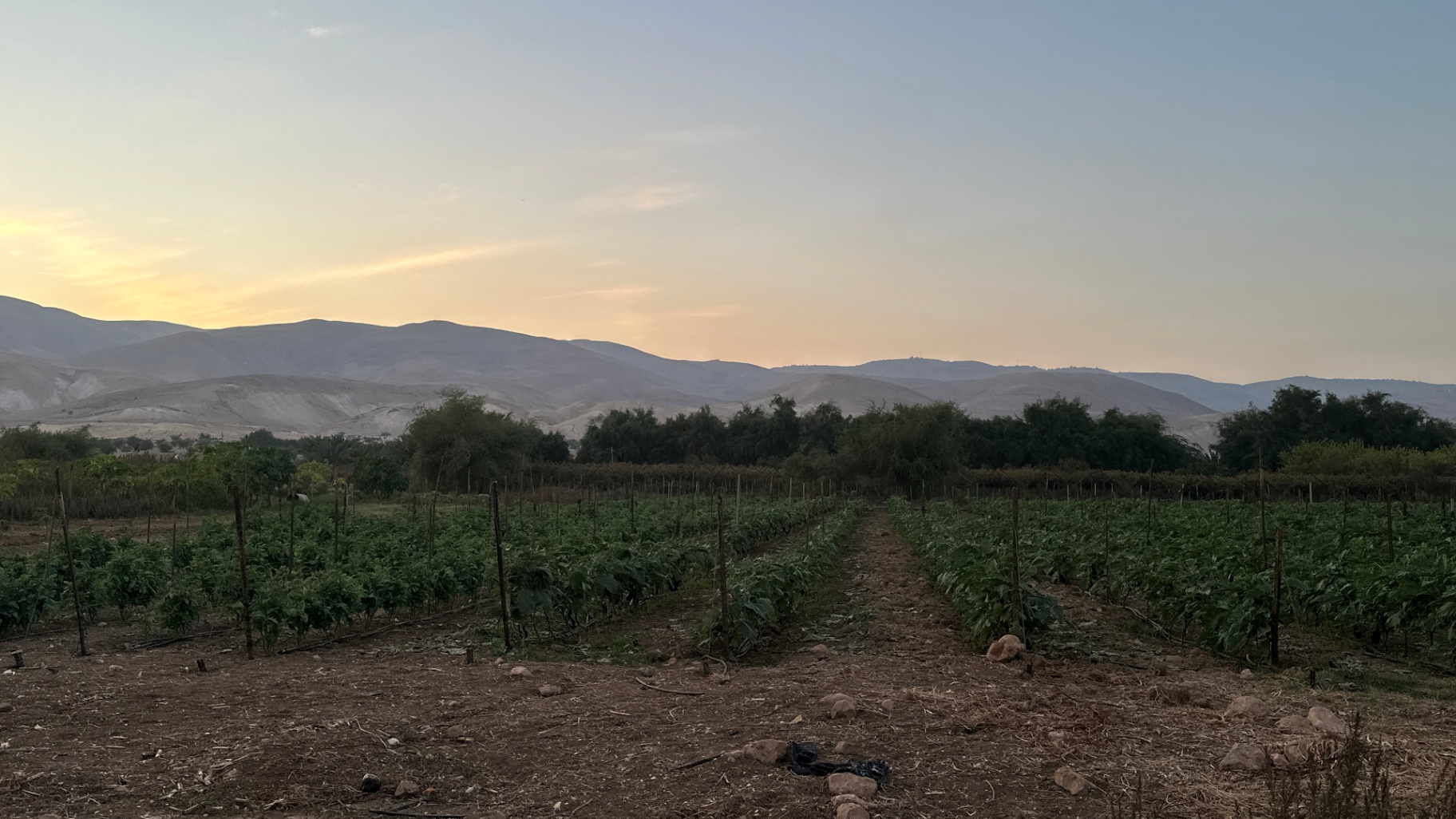
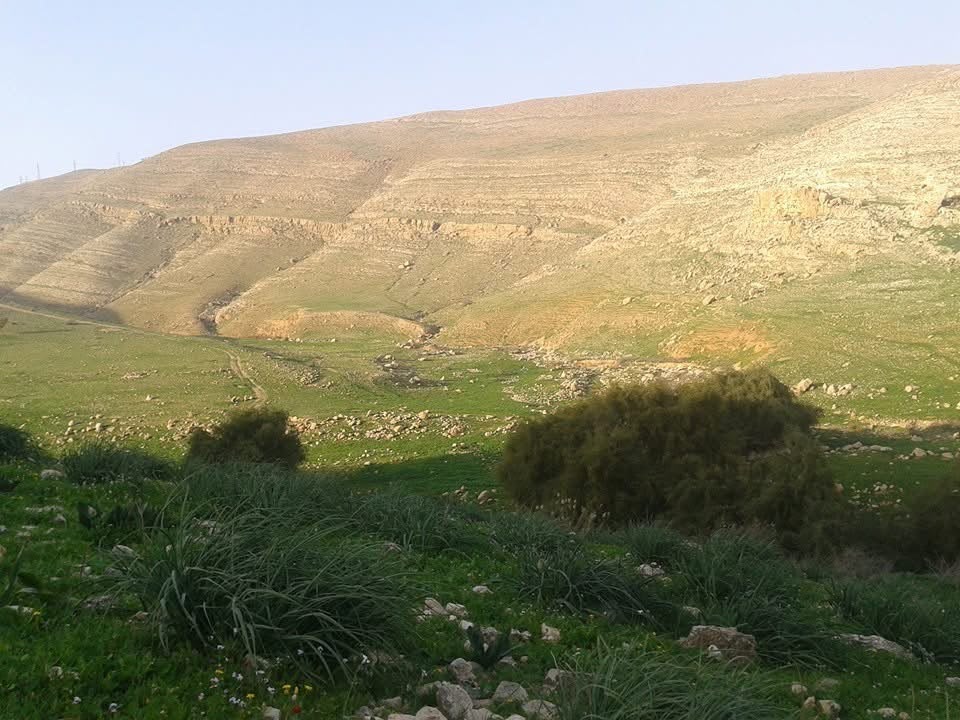
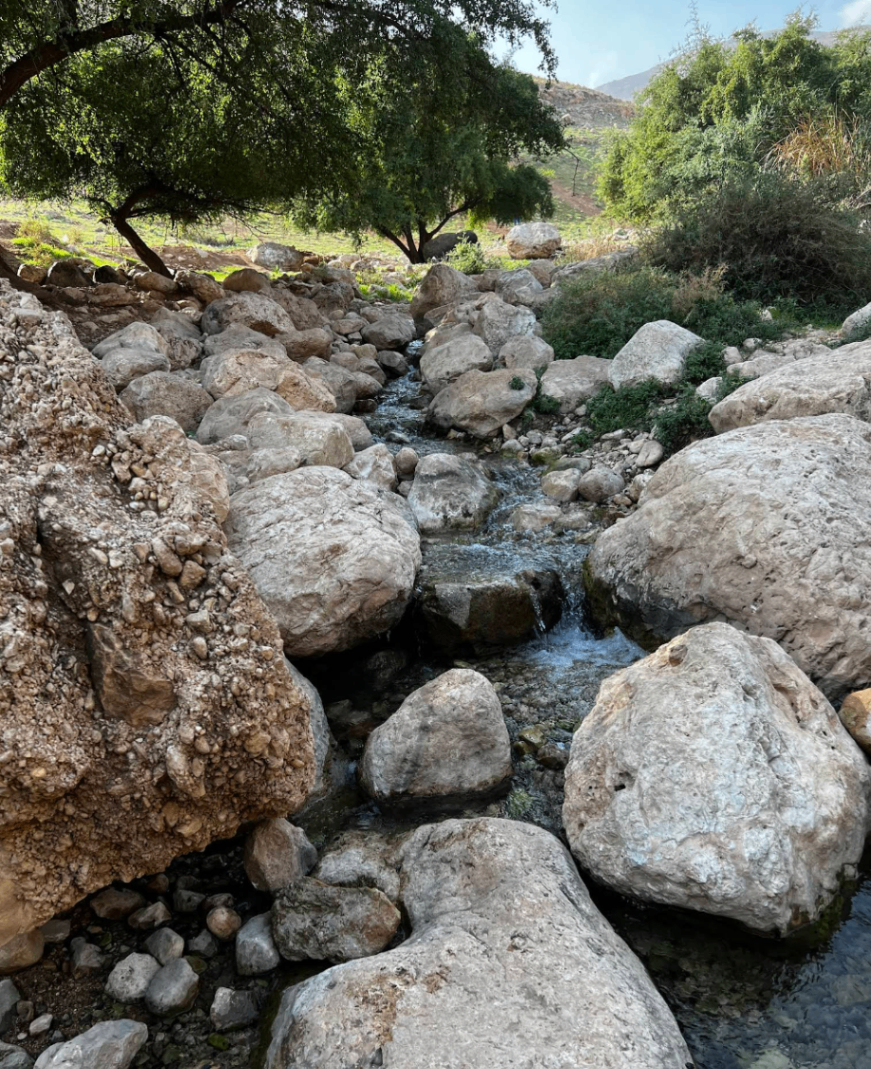
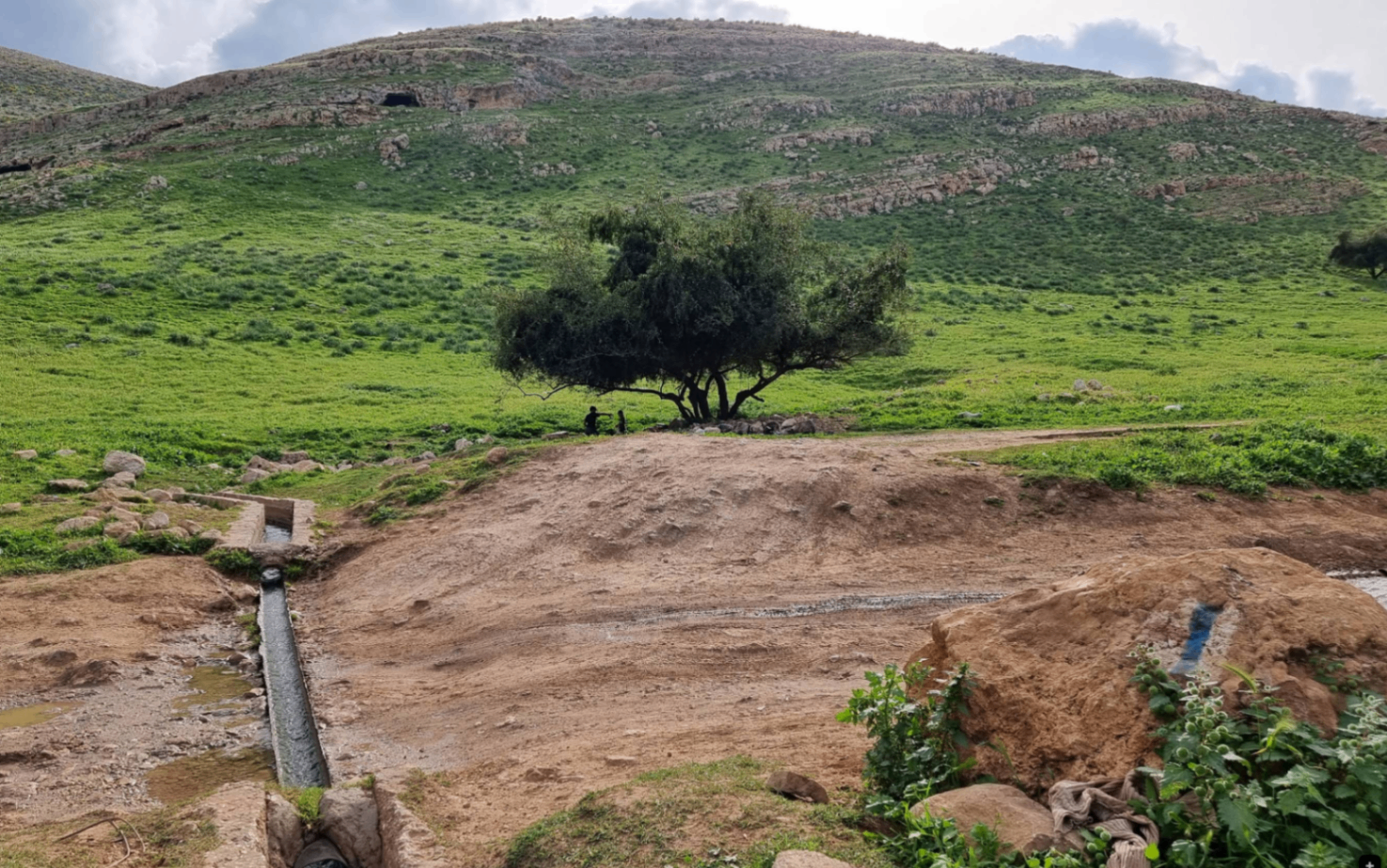
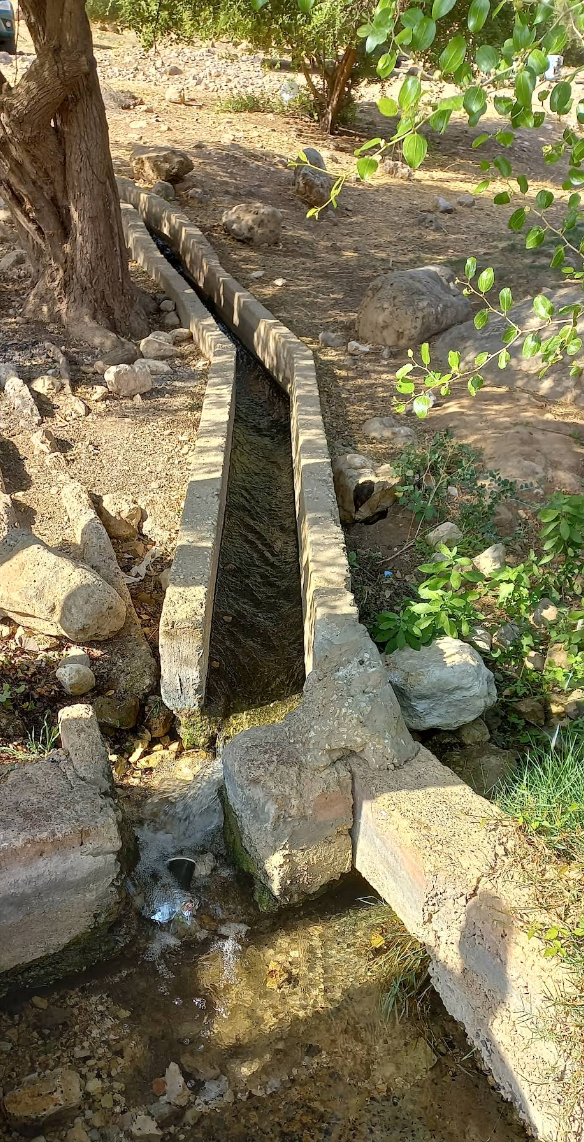
The land itself — hills, sky, spring and soil. The horizon Fasayel has worked under since 1890.
Read the story behind the archive.
One family · One valley · Four generations