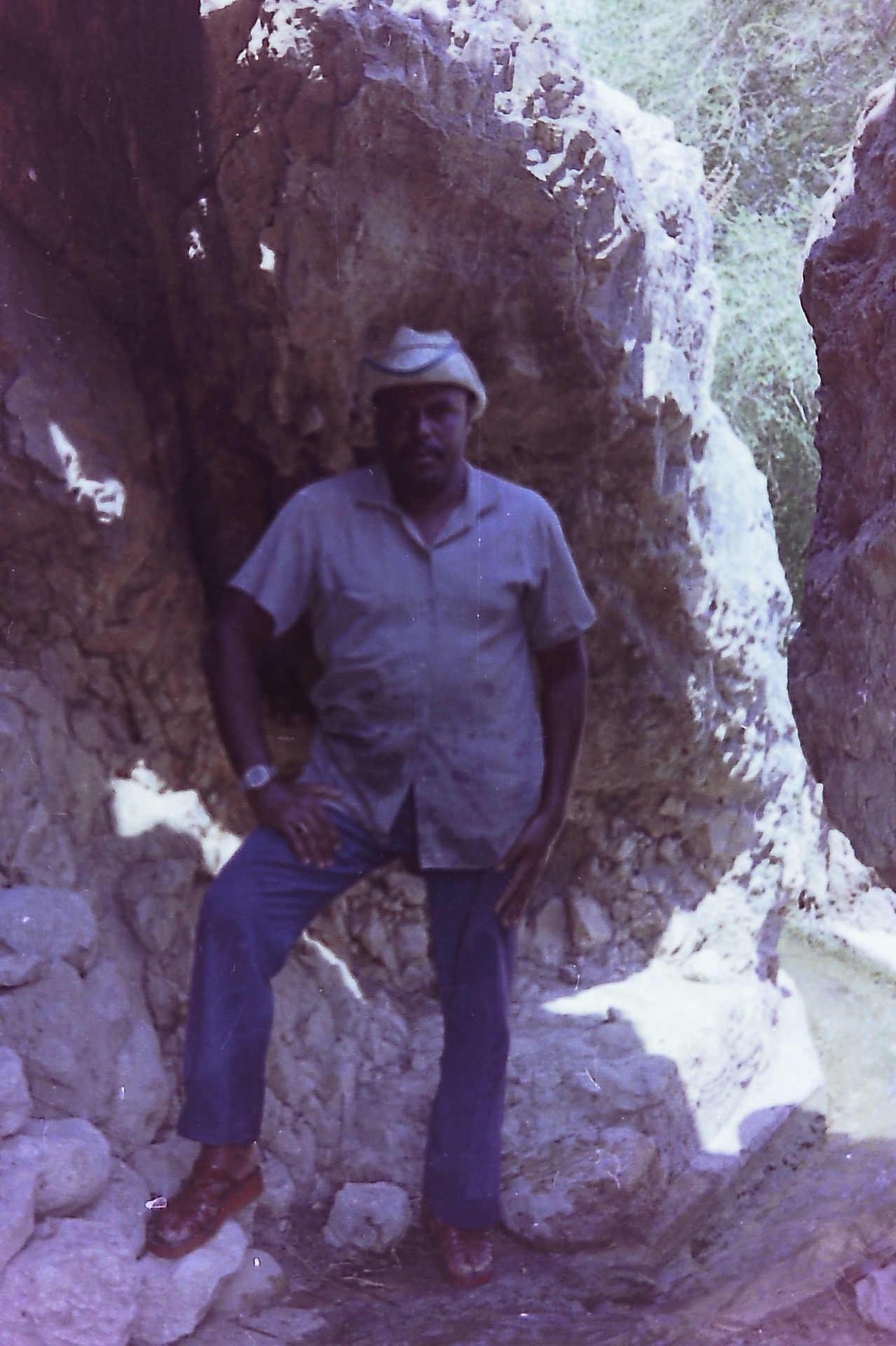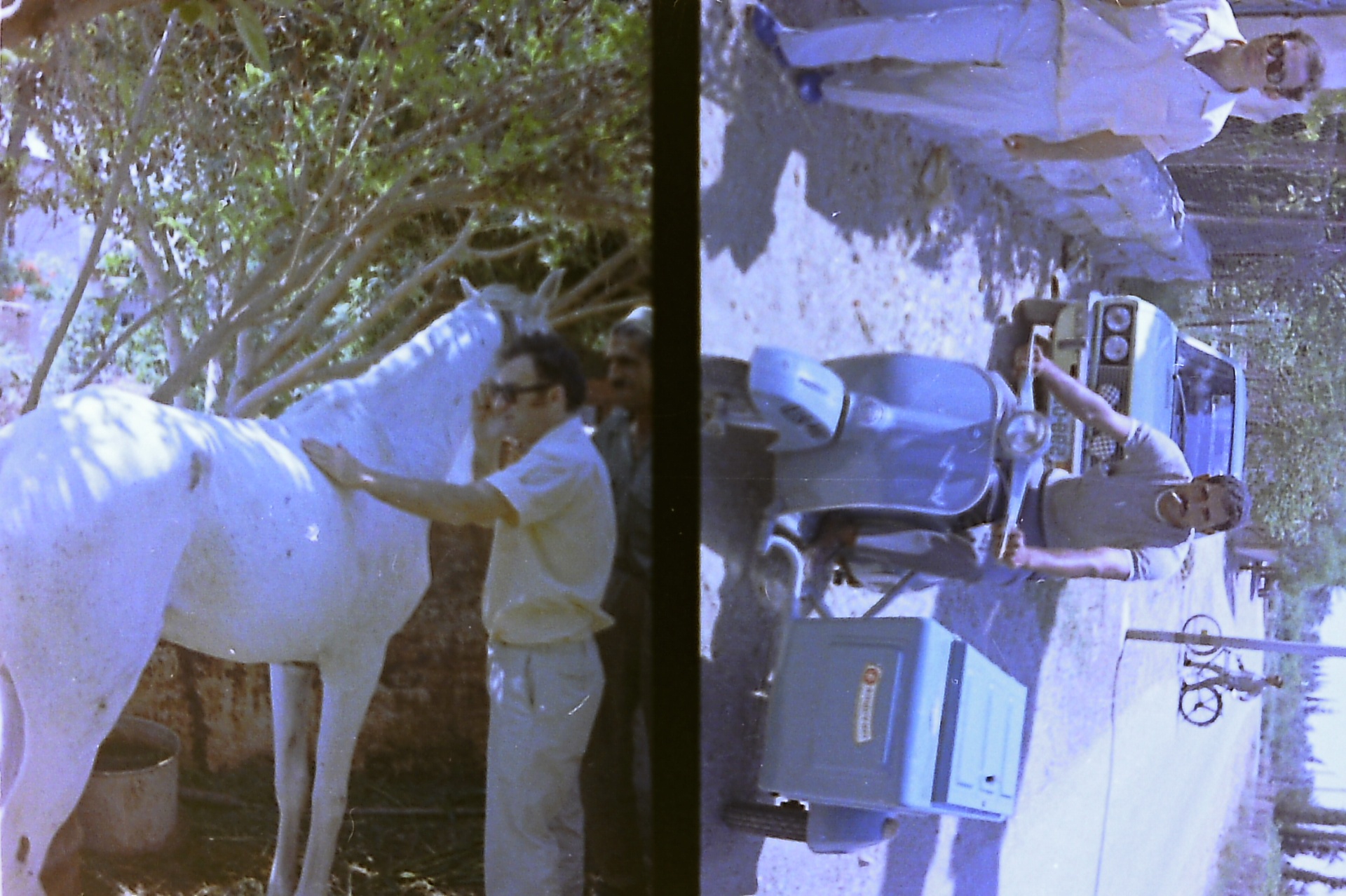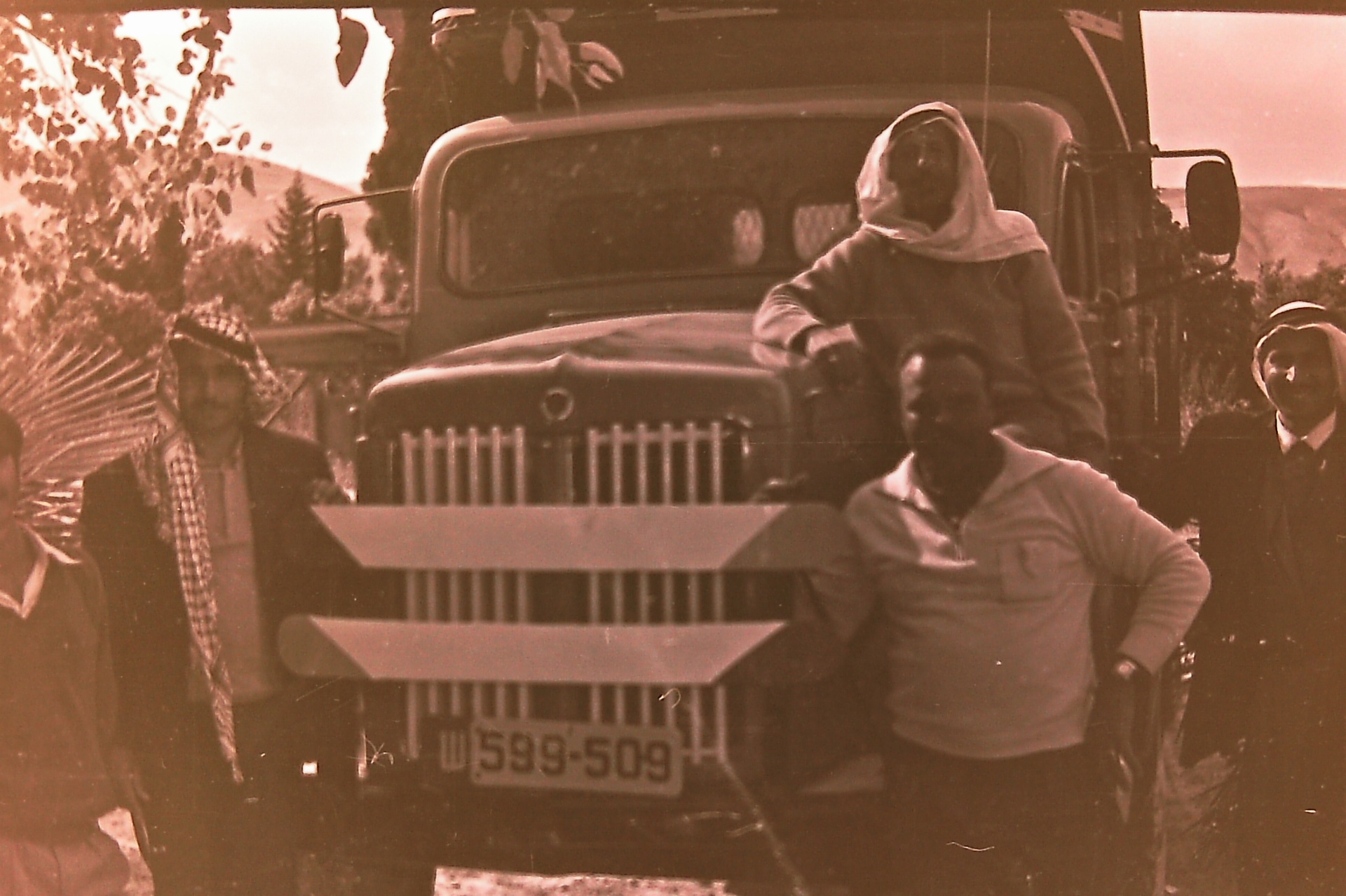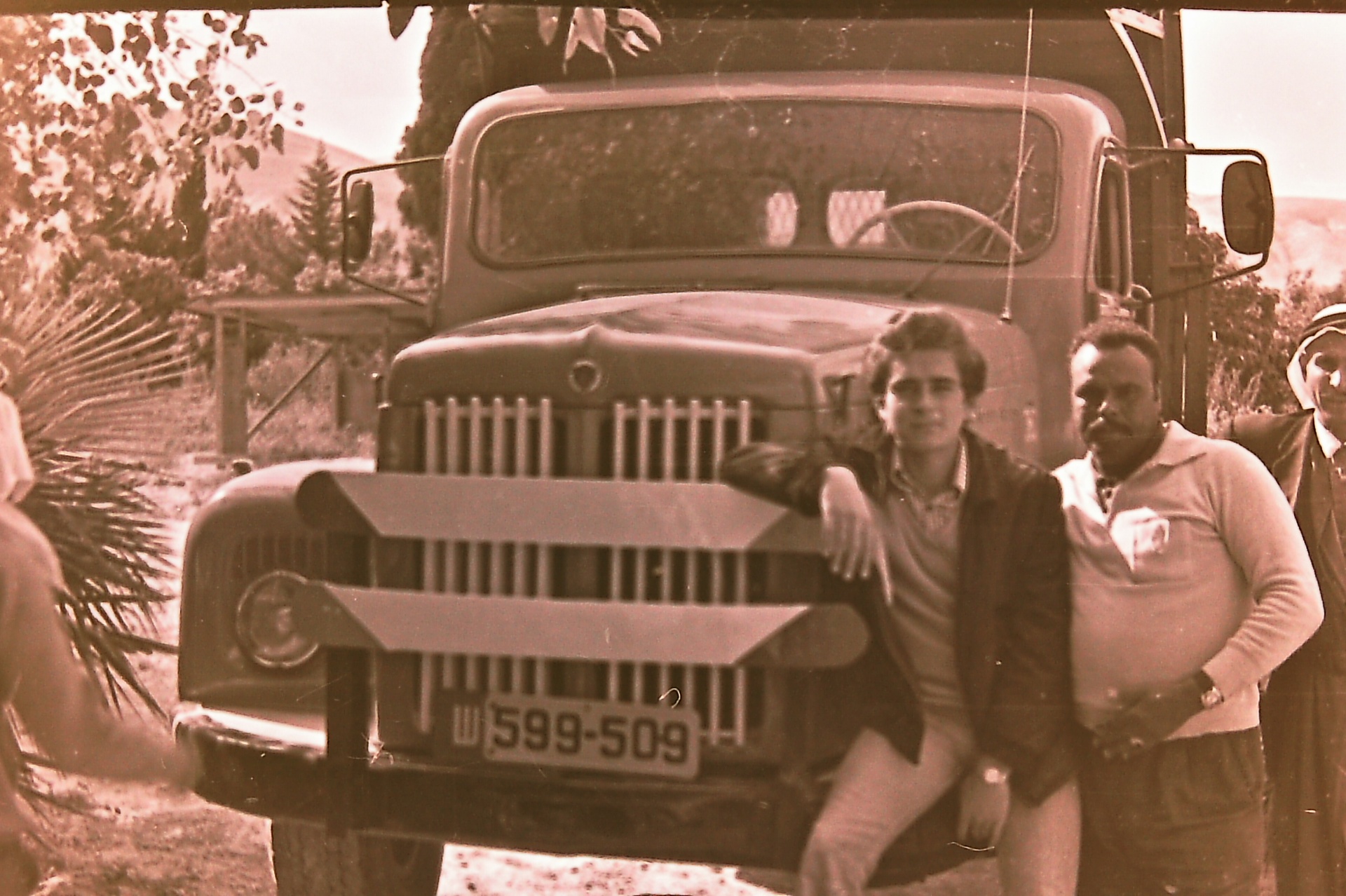
Our Story — Since 1890

Four generations on the same land.

Welcome to Fasayel Farms

A Palestinian family farm,
rooted in Fasayel.

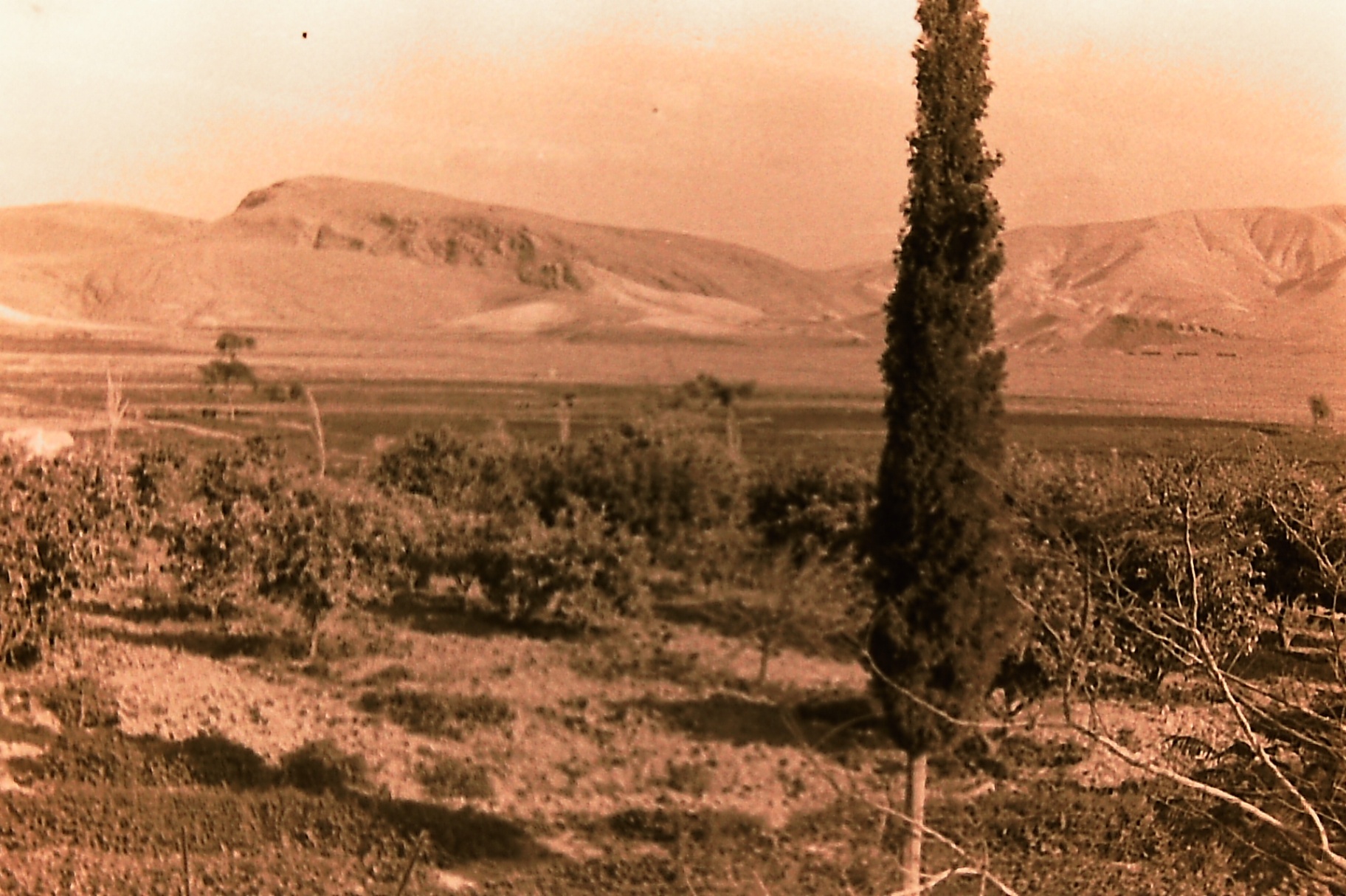
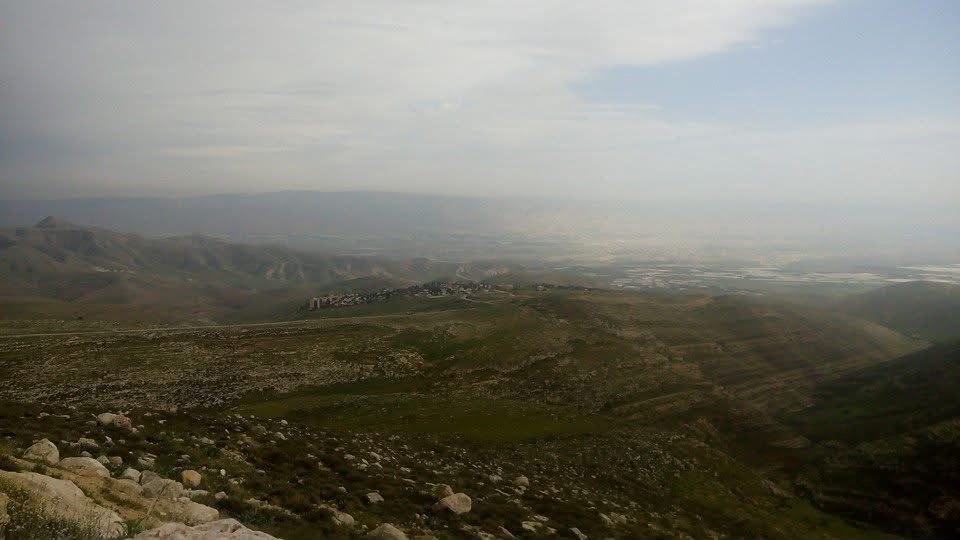
For more than 130 years, the Al-Nimer family has cultivated the land of Fasayel in the Jordan Valley. What began in the 1890s with Qasem Al-Nimer's water-powered grain mill at Ras Al-Ein has grown into one of the region's longest-standing family agricultural holdings.

Across four generations, the farm has steadily evolved in scale, knowledge, and reach. Each generation built upon the work of the last, expanding cultivation, improving production, and strengthening the farm's role in supporting local communities and supplying markets beyond Palestine.

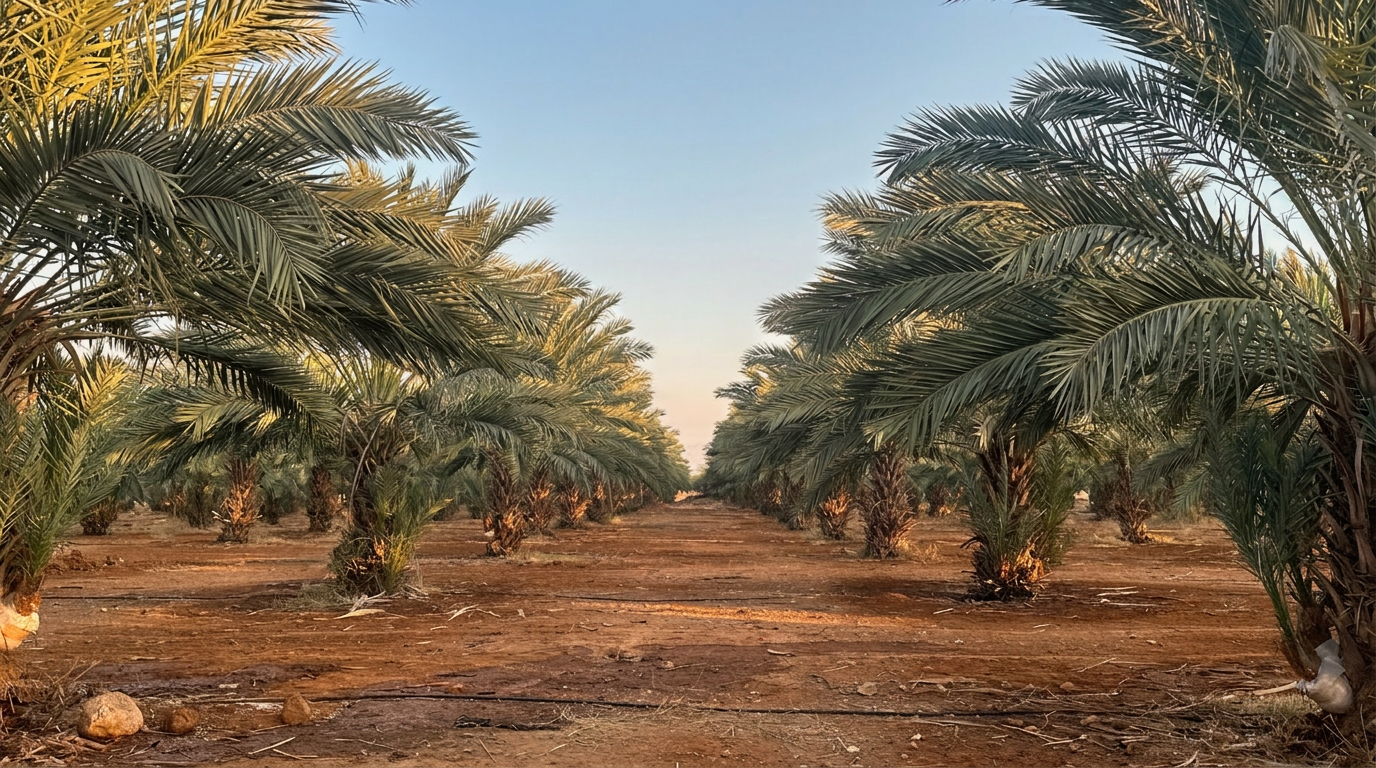
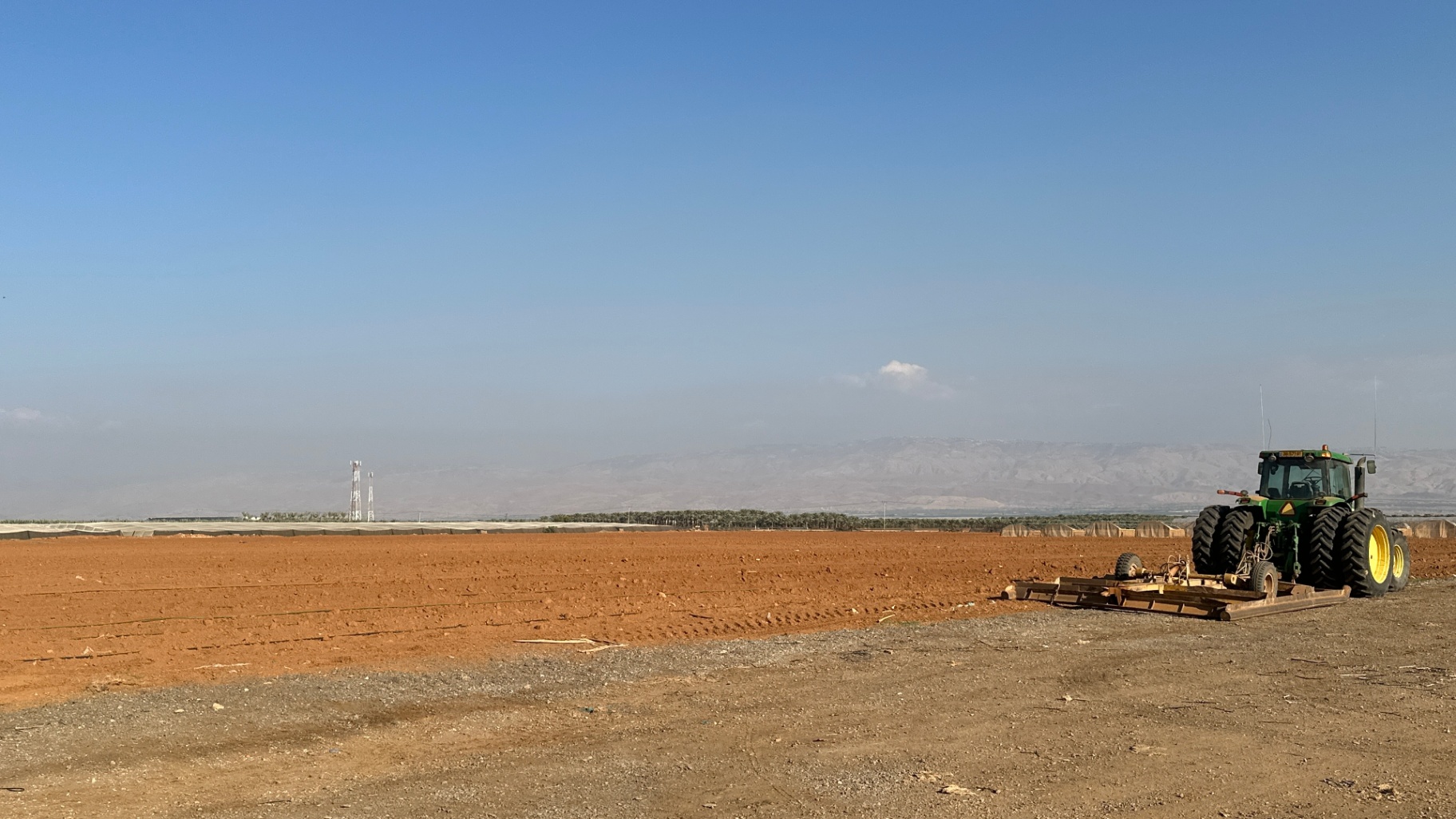
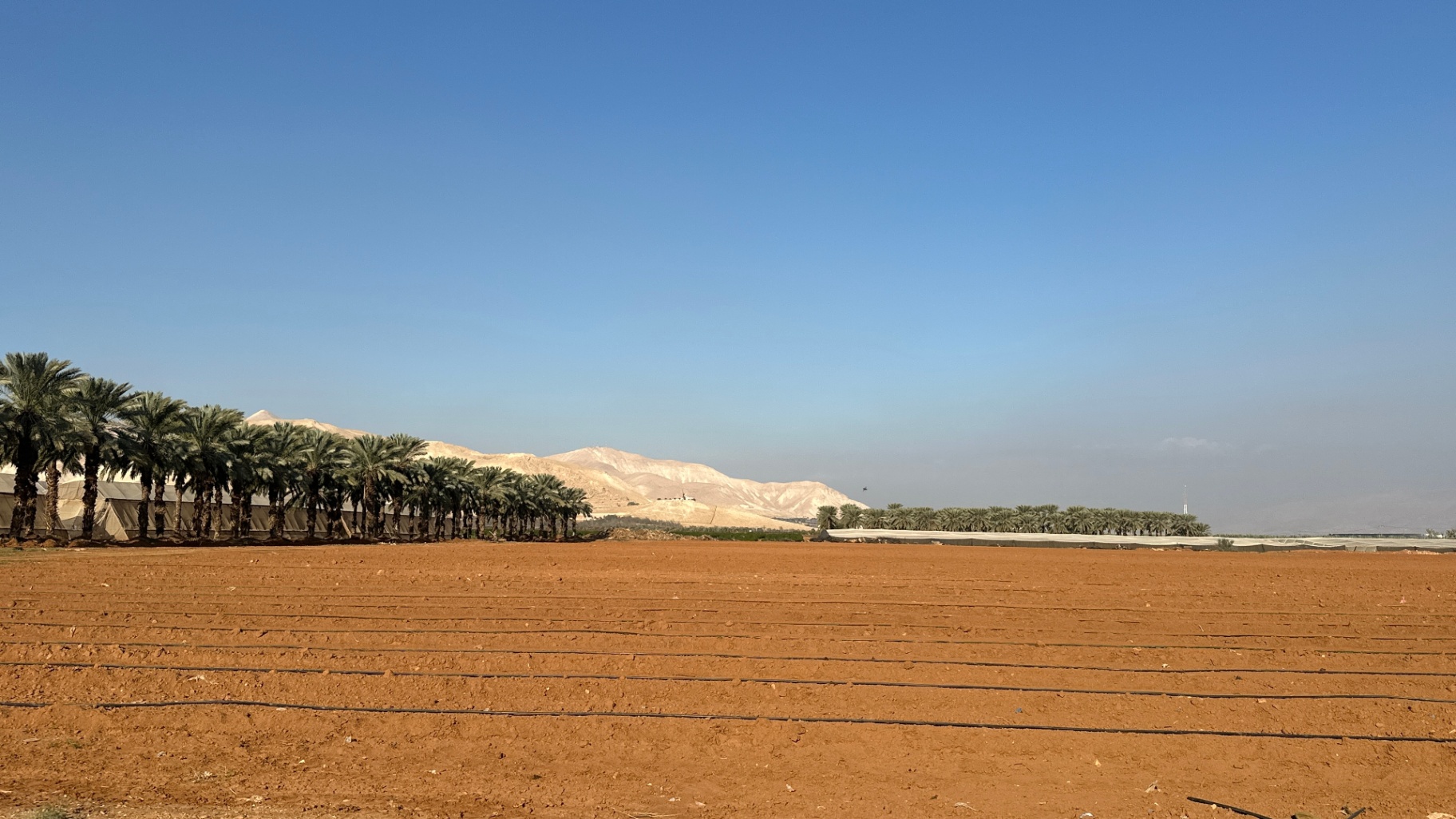
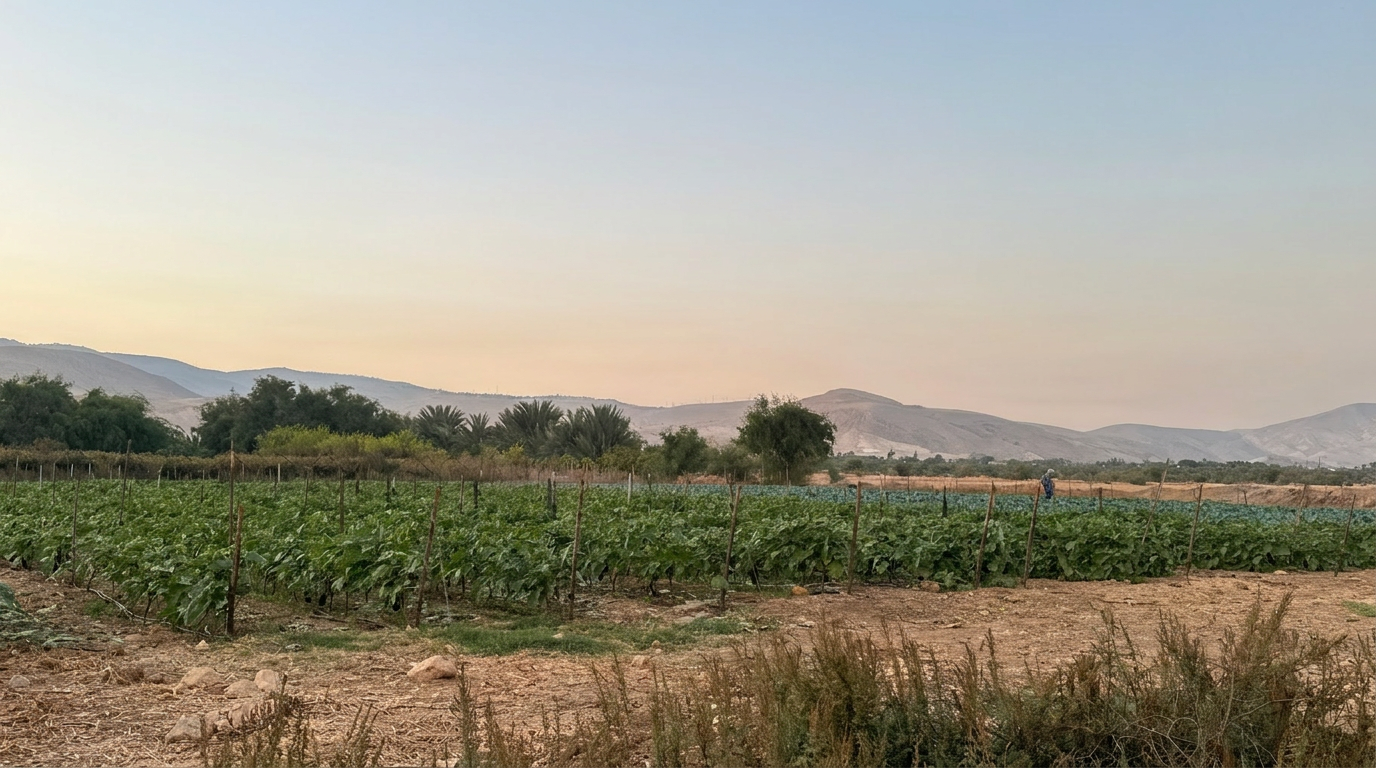
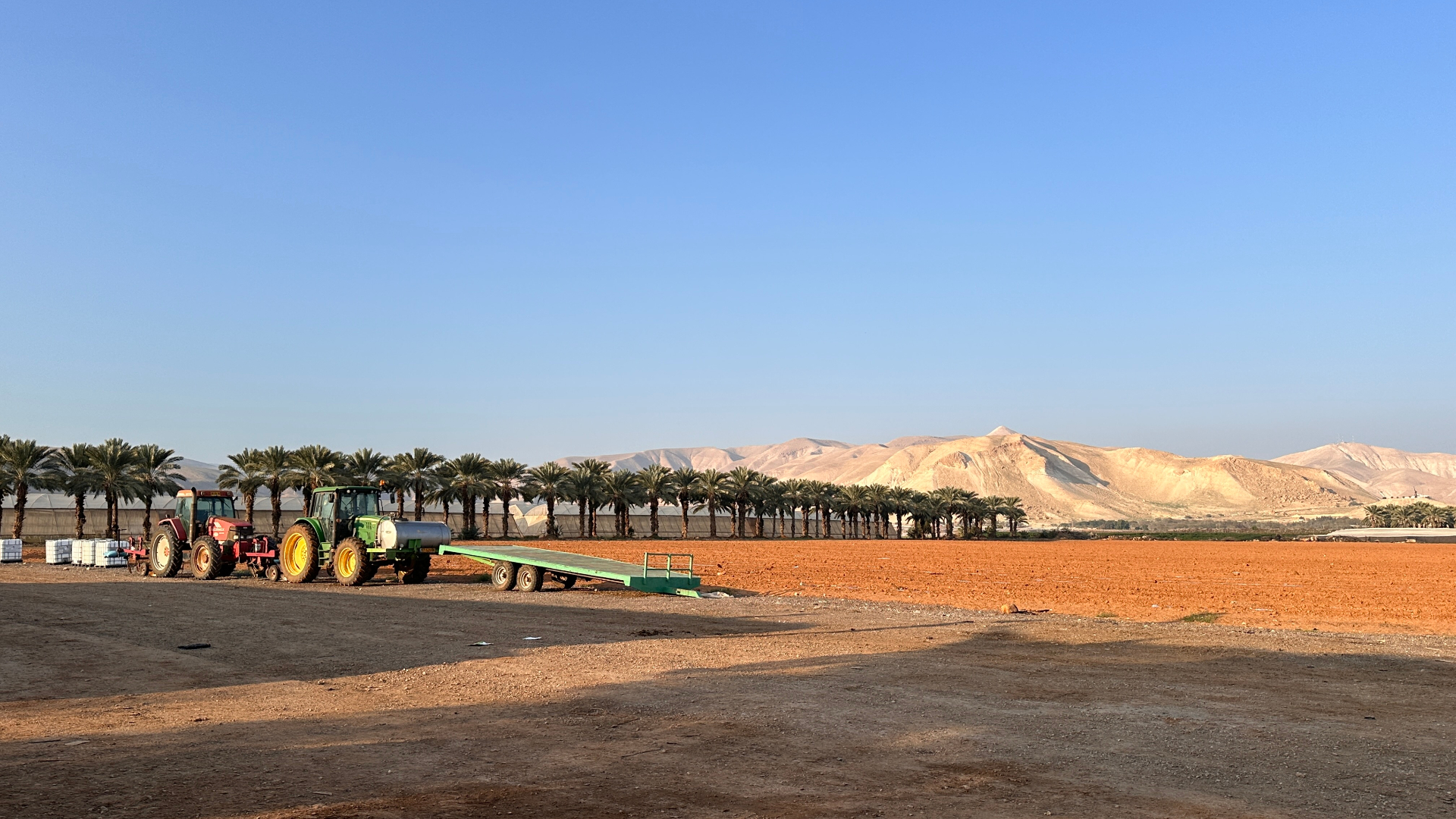
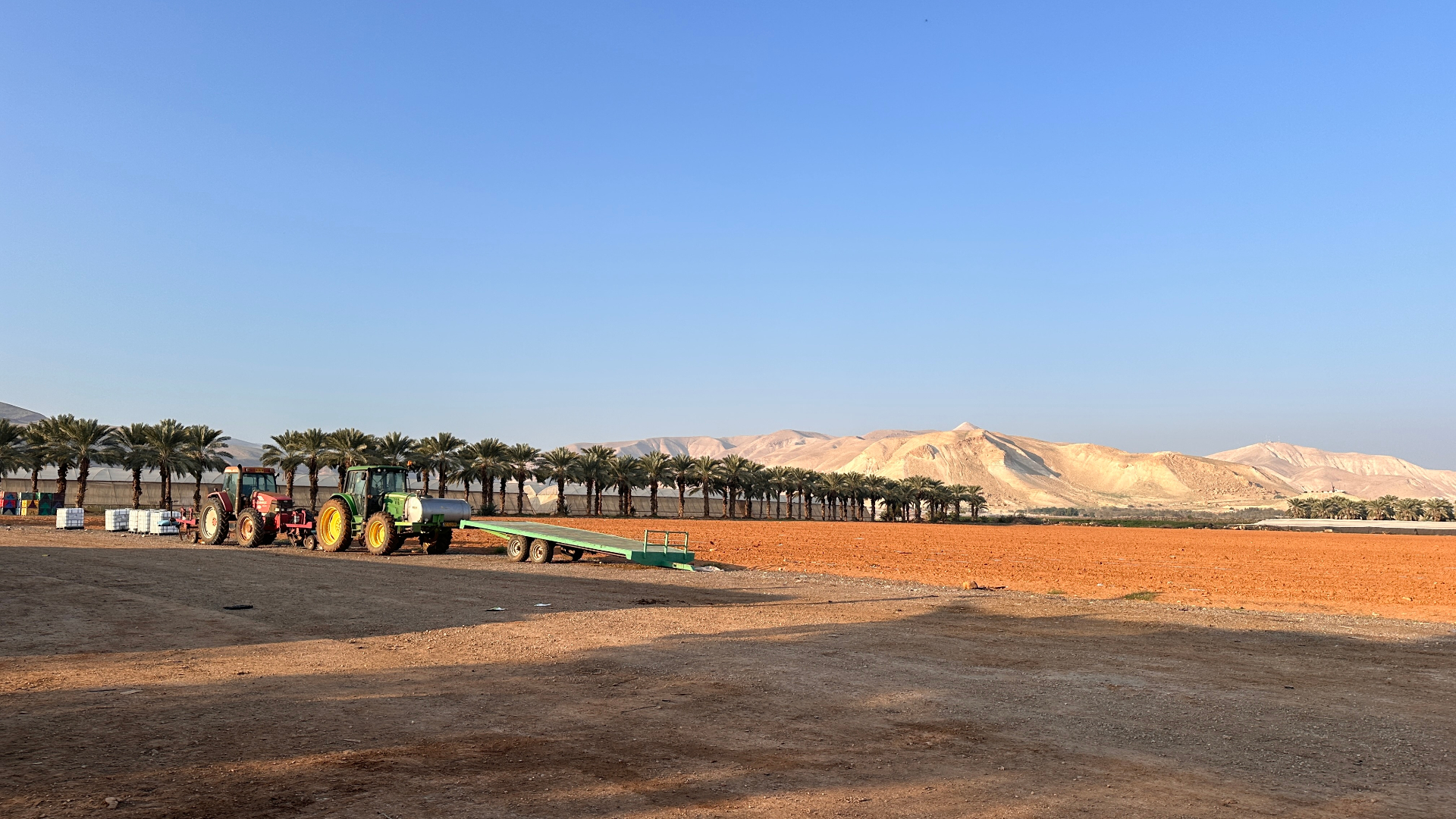
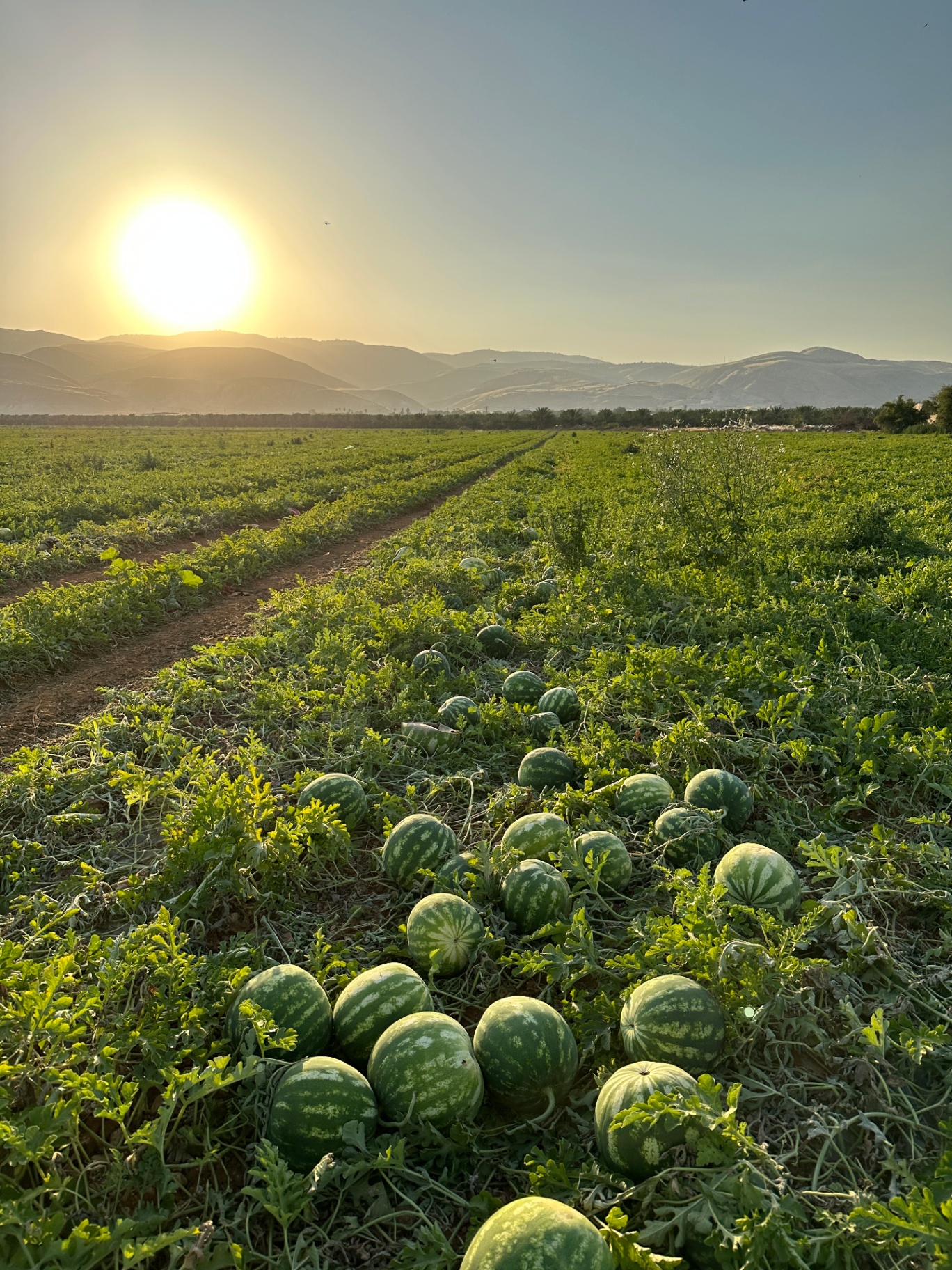
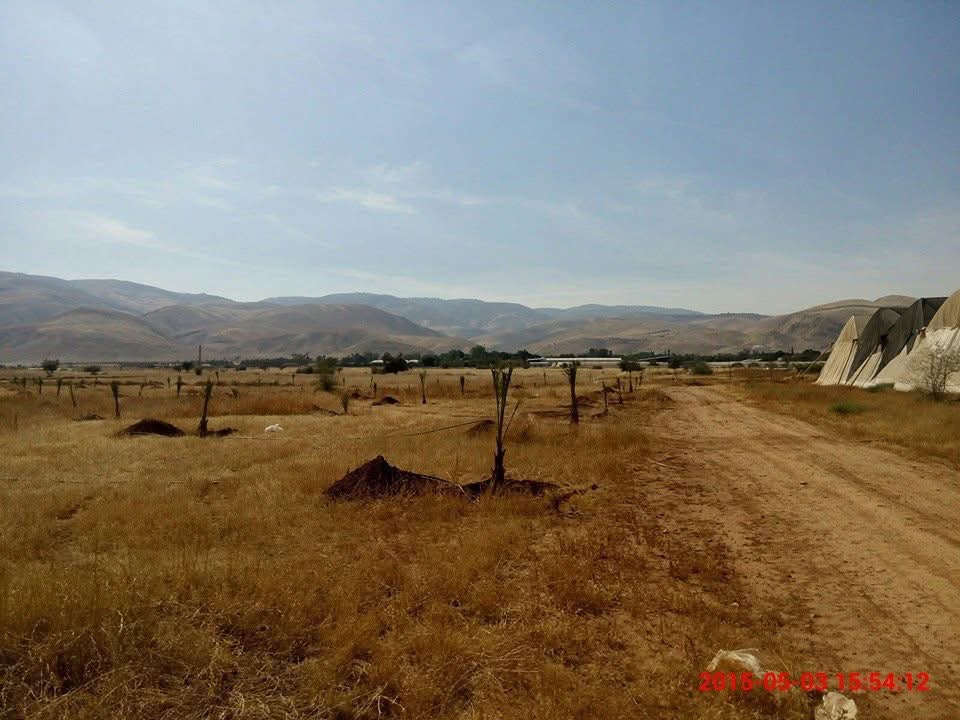
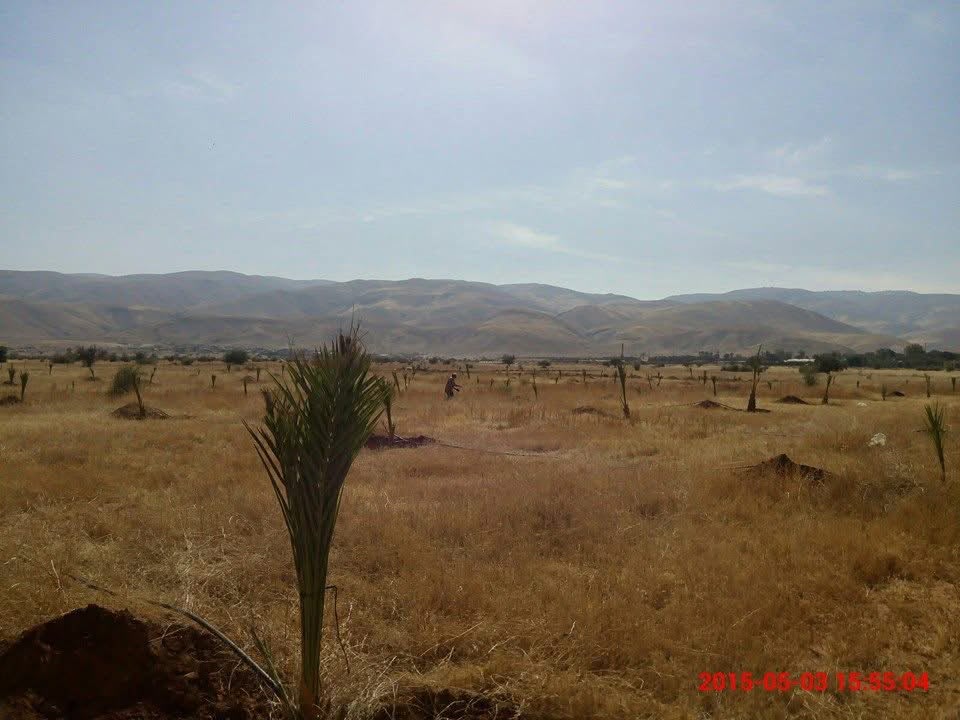
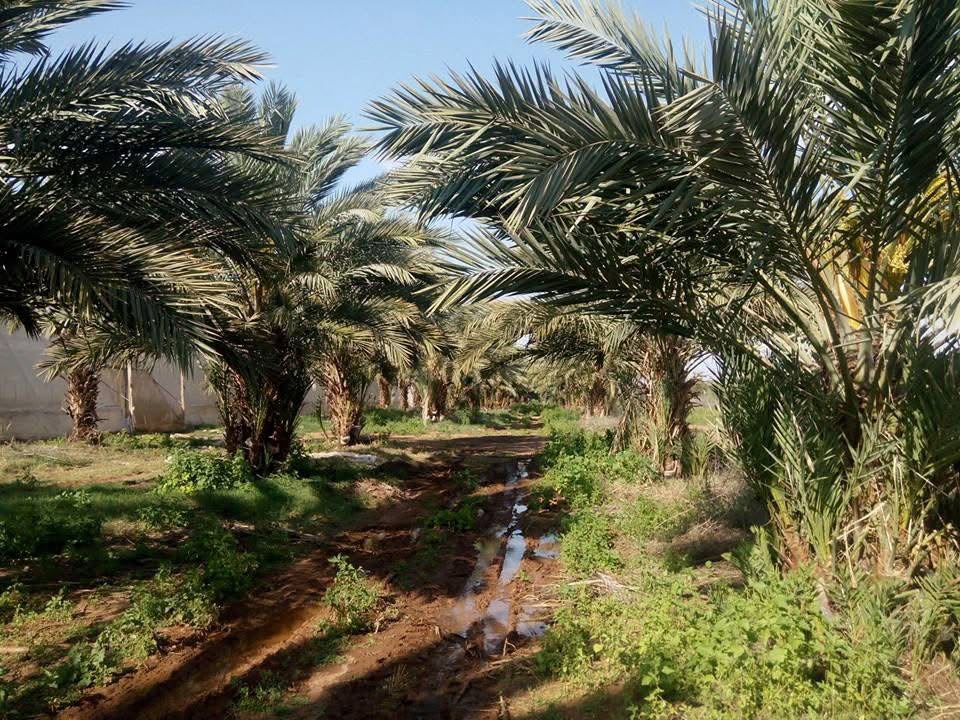
Today, Fasayel Farms encompasses more than 2,800+ family-owned dunums, with over 830 dunums actively cultivated. More than 3,150+ Medjoul palm trees, more than 4 dunums of vineyards, 500 dunums of watermelon fields, and 18 greenhouses thrive through a combination of modern irrigation systems and generations of agricultural expertise.

More than a farm, Fasayel is a legacy of stewardship — rooted in the same land, guided by the same family, and committed to producing exceptional food for Palestine and the world.

HeritagePatienceStewardship
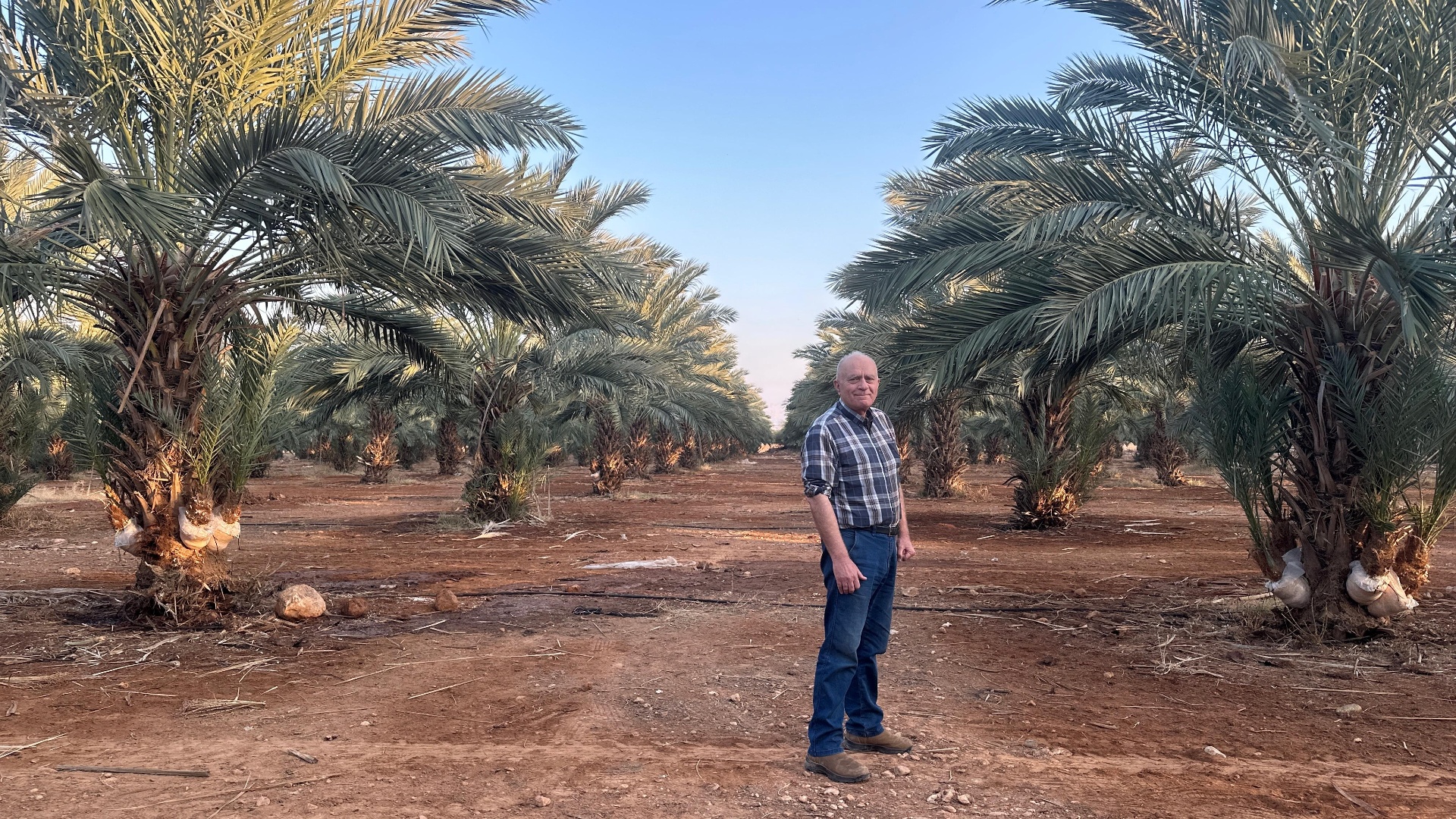
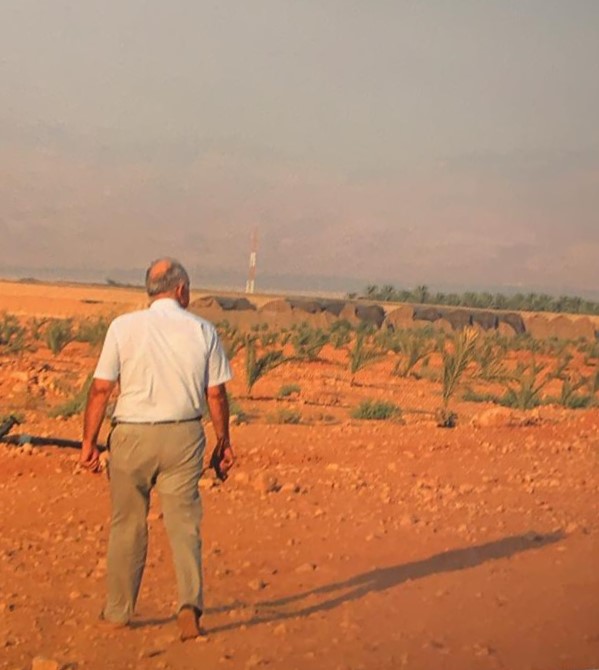
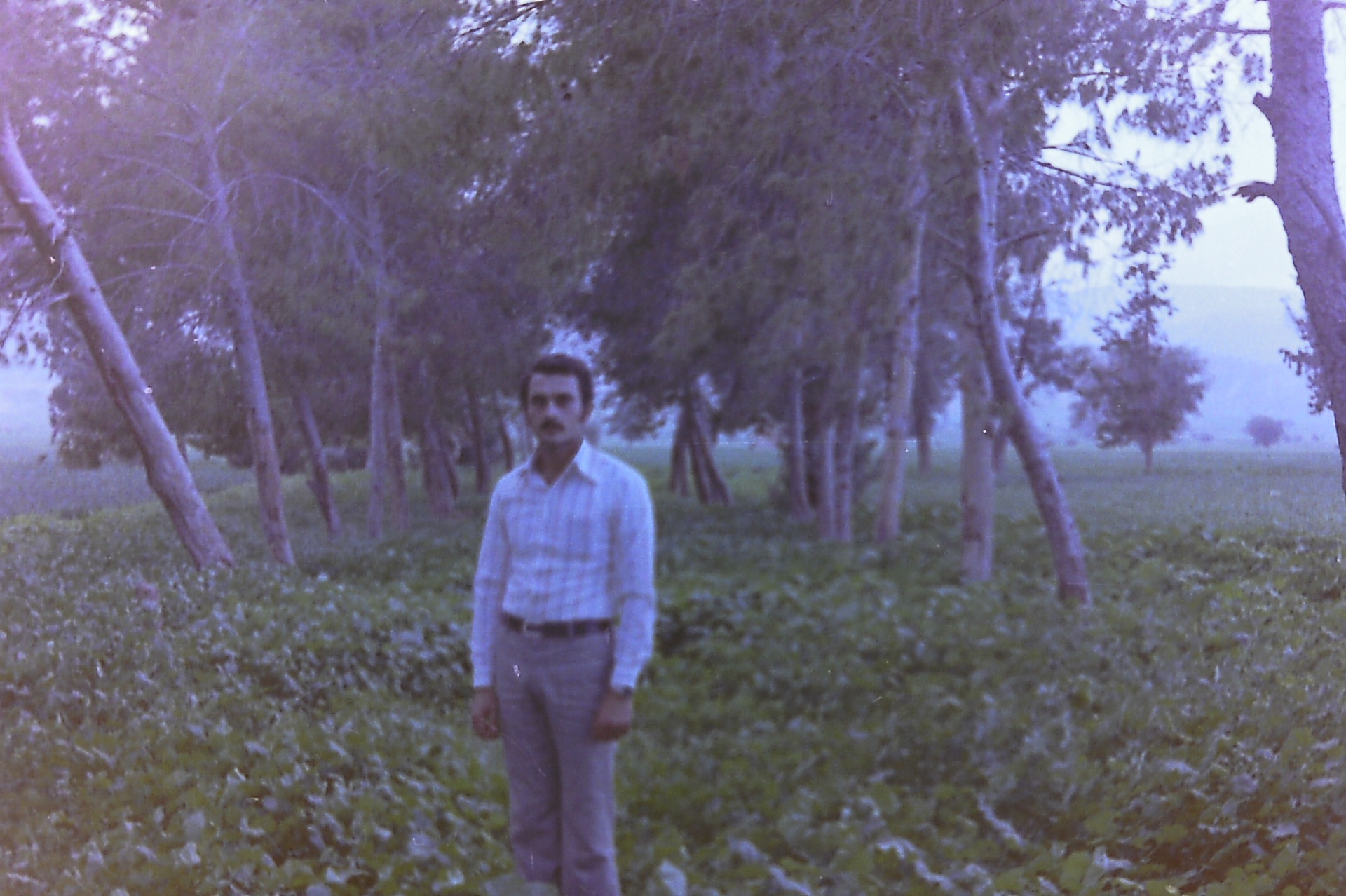
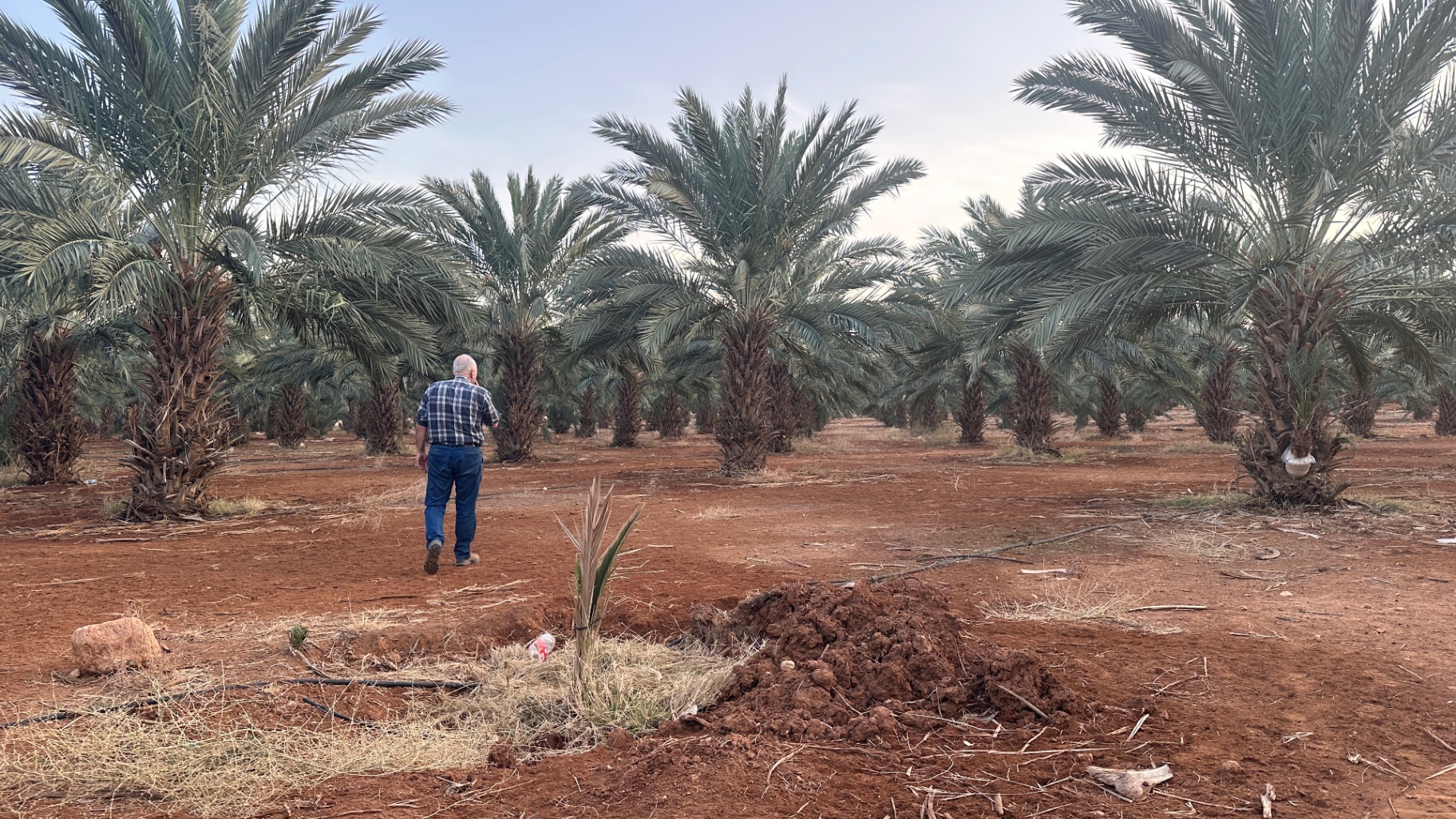
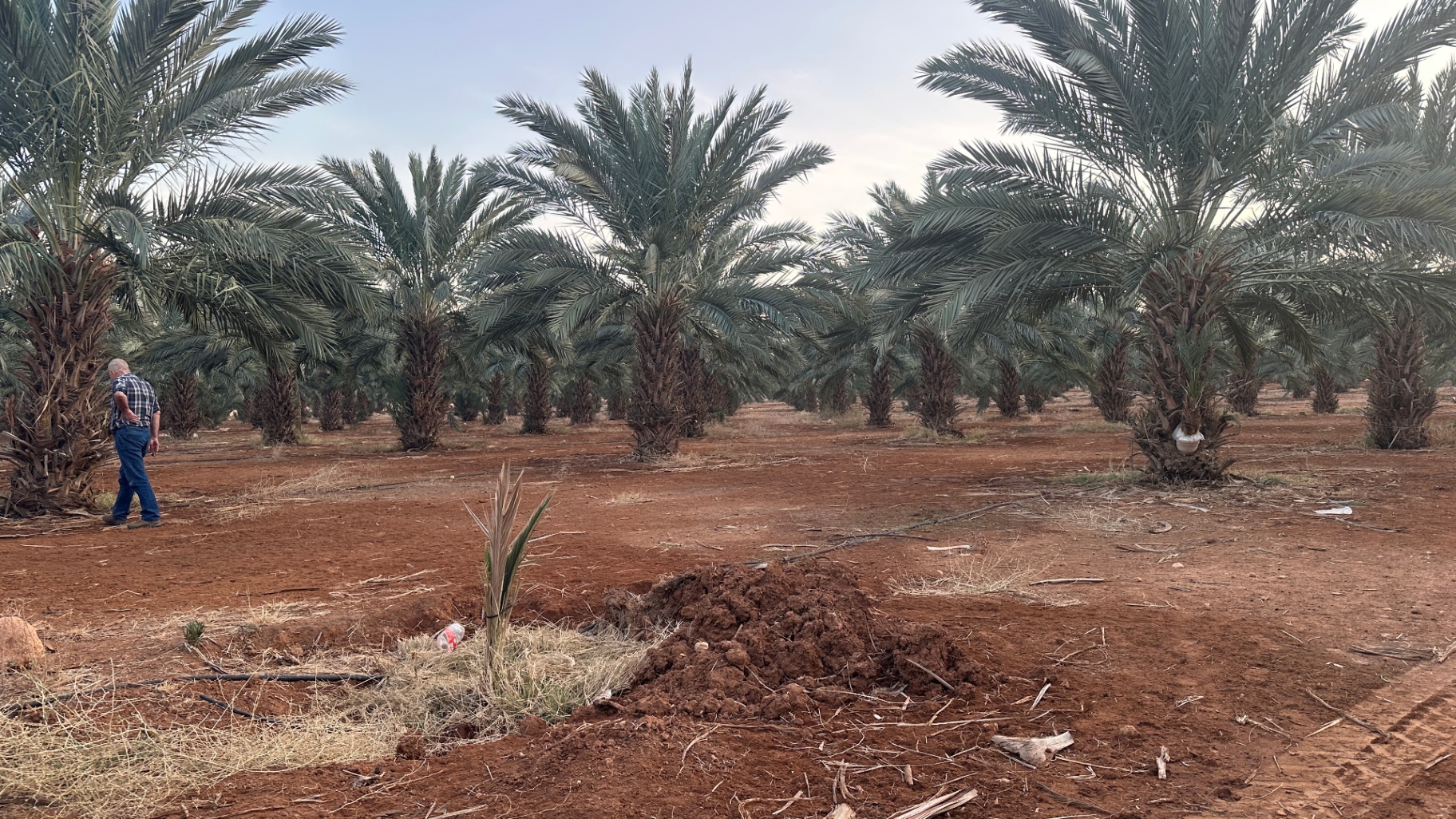
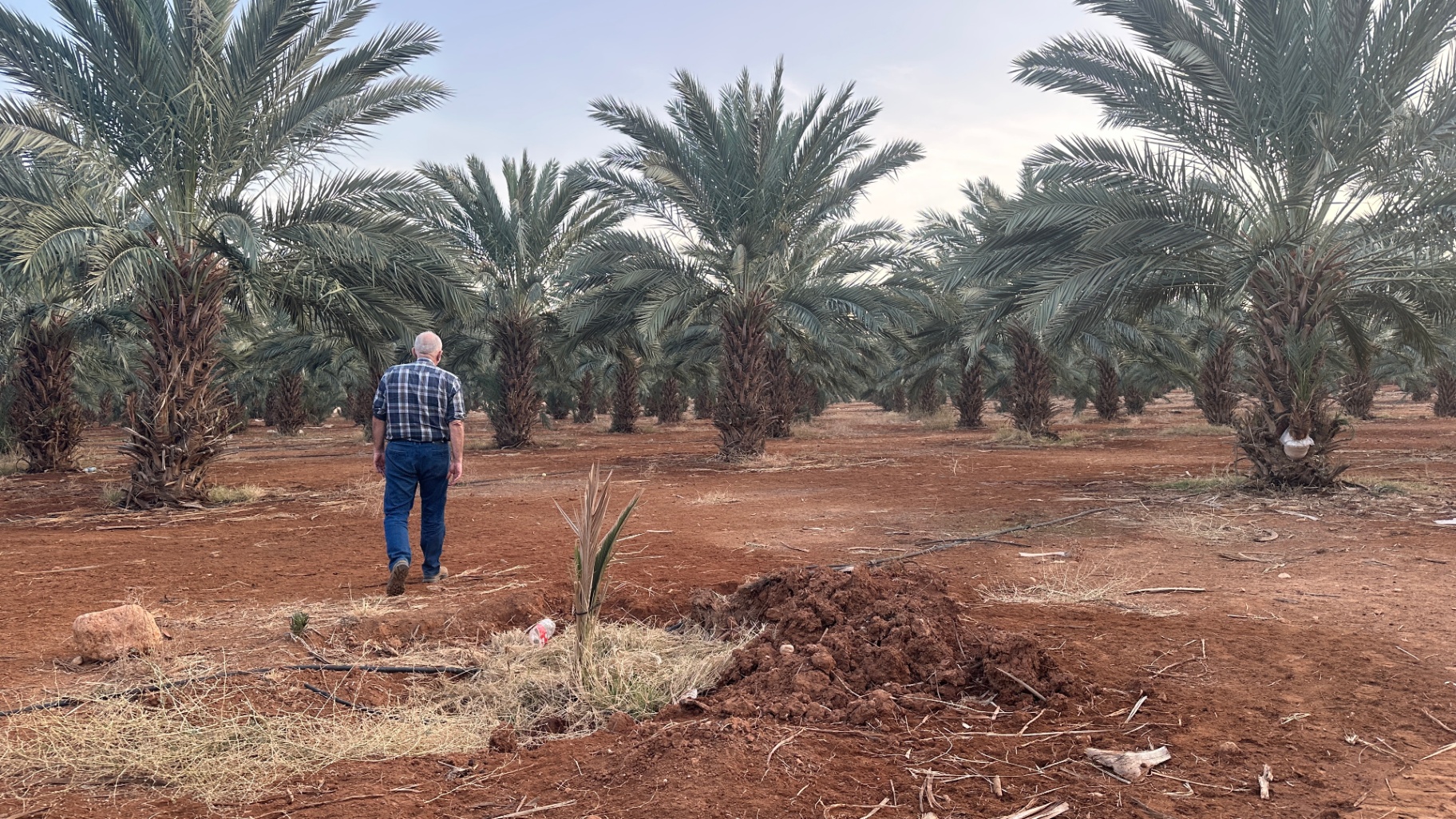
Saad Al-Nimer walking through the Medjoul date orchard at dusk — Fasayel, today
1890
Four generations on the same Palestinian soil
The Family Tree

The Hands That Built Fasayel

Every name below has spent a whole lifetime working the same Palestinian soil.

First Generation — 19th Century
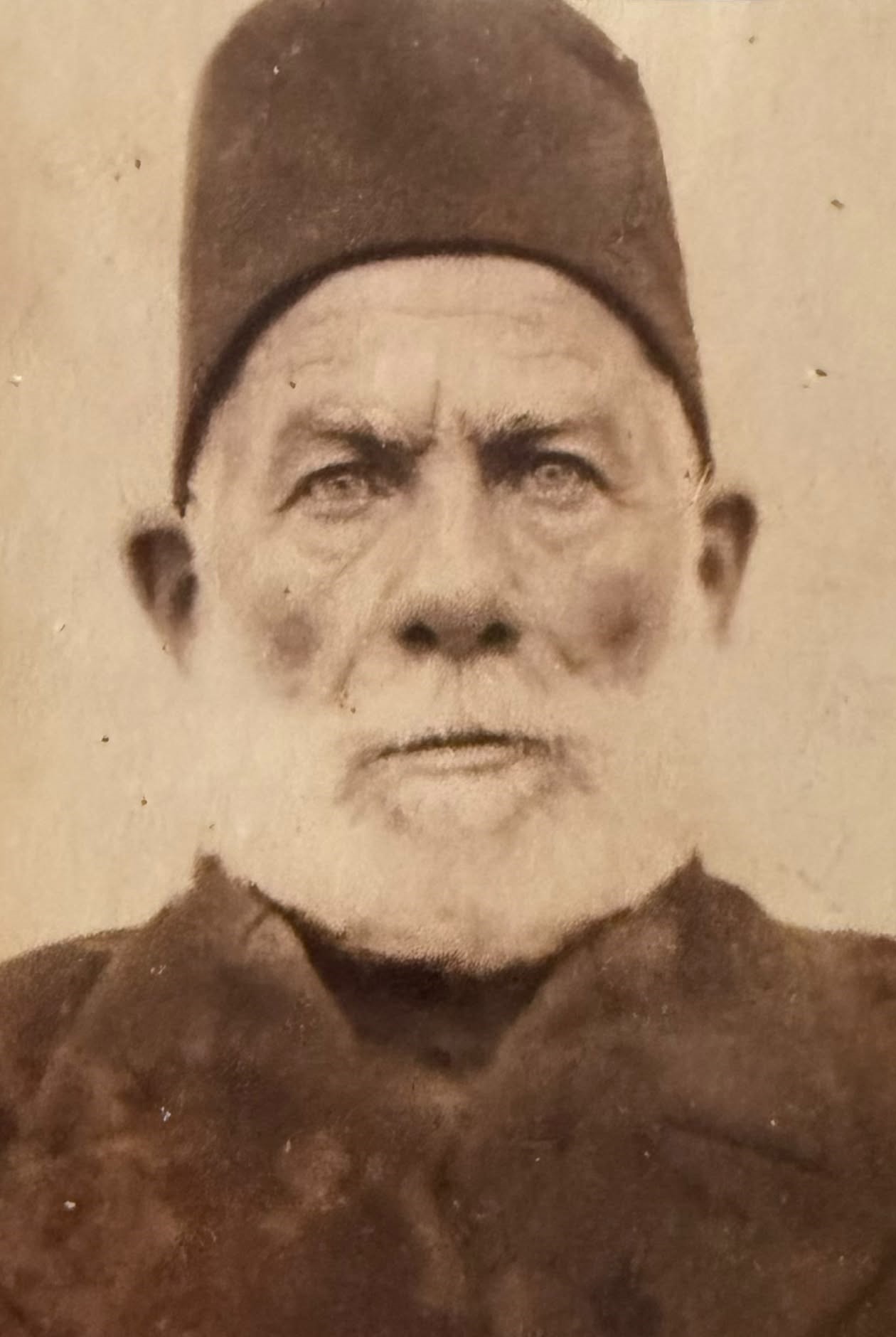
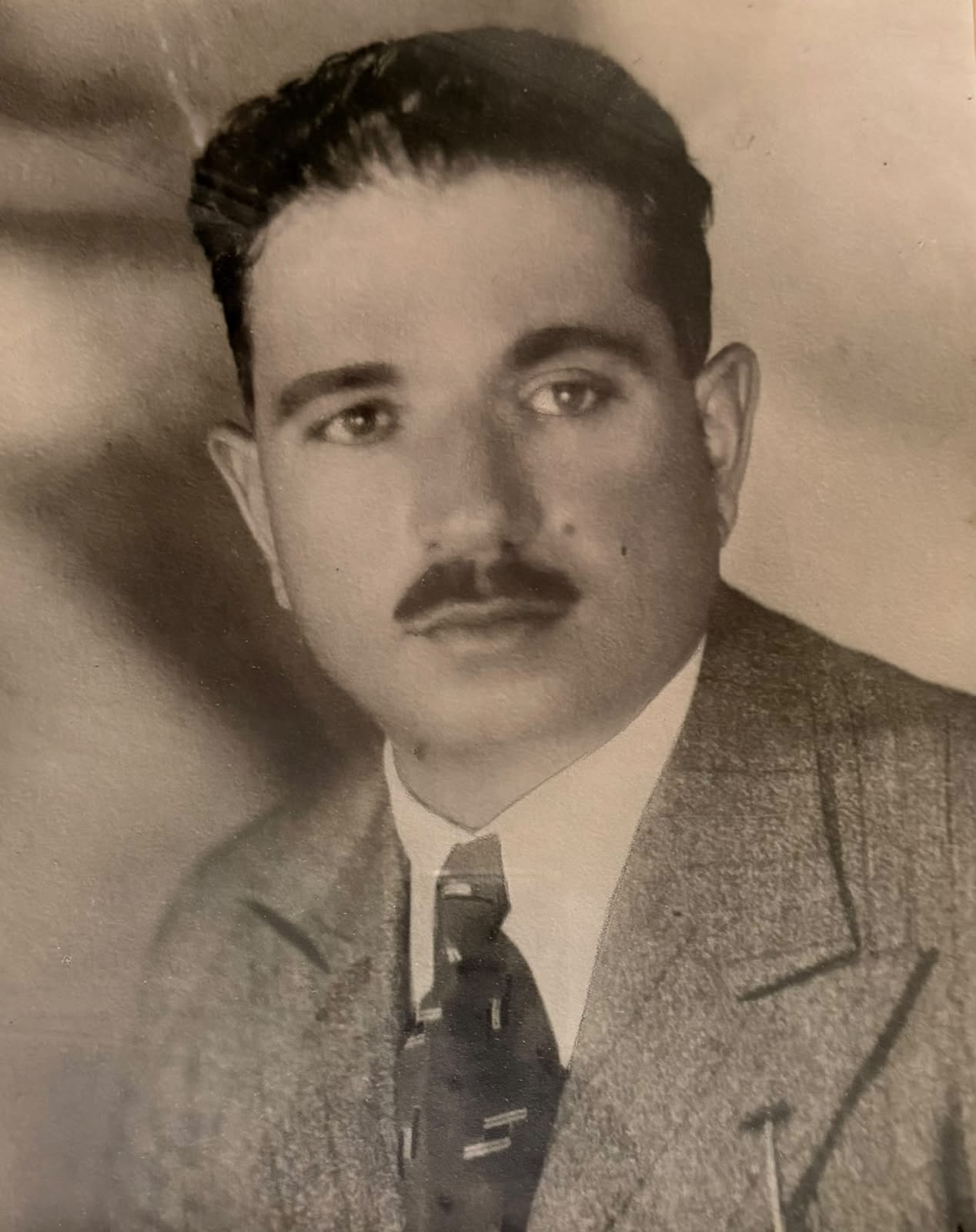
Portrait of Qasem Al-Nimer — Al-Nimer family, Fasayel Farms, Jordan Valley, Palestine

Qasem Al-Nimer

Qasem Al-Nimer laid the foundations of a family legacy at Ras Al-Ein, beginning a story of cultivation, perseverance, and stewardship that continues more than a century later.

Second Generation — Early 20th Century
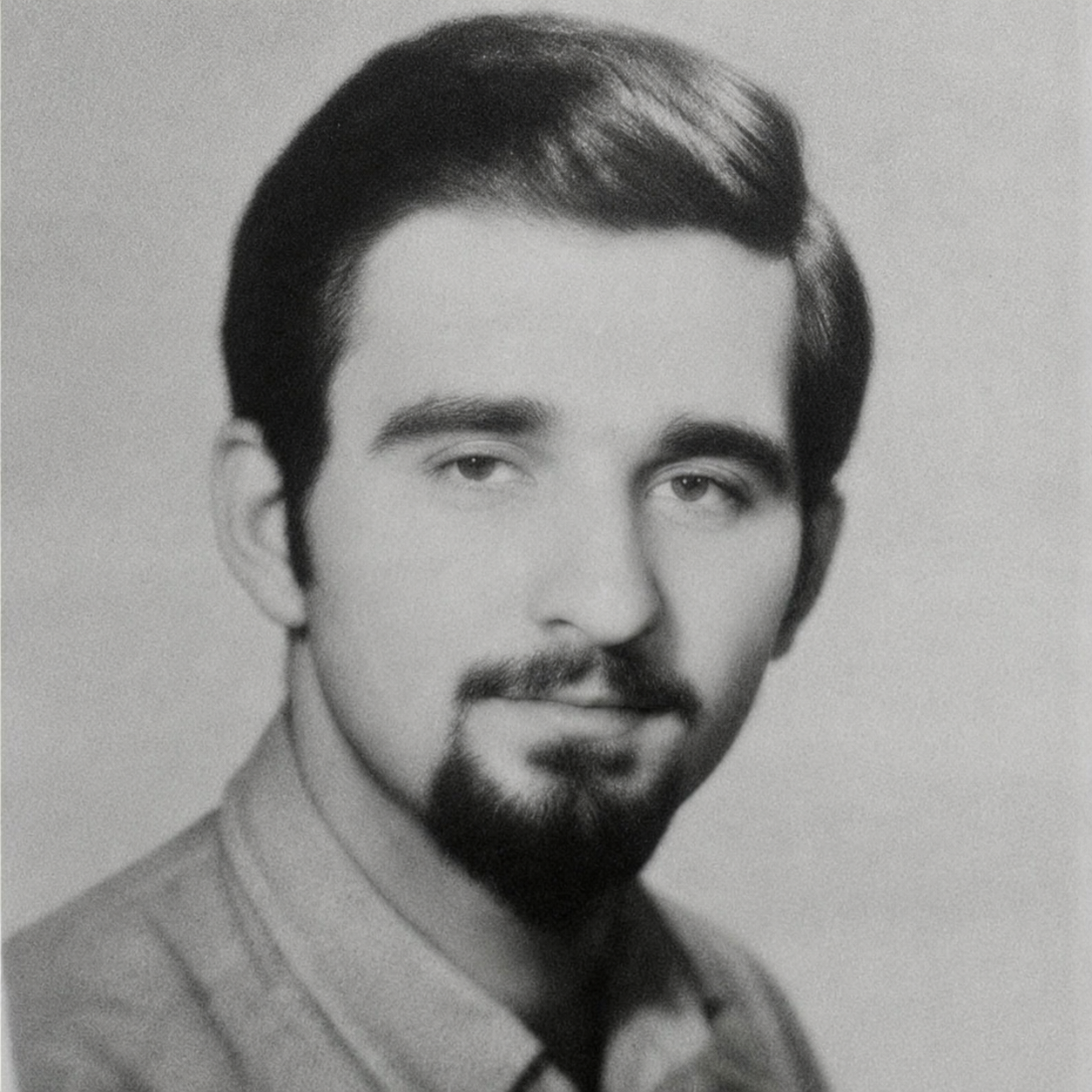
Portrait of Fahmi Al-Nimer — Al-Nimer family, Fasayel Farms, Jordan Valley, Palestine

Fahmi Al-Nimer

With vision and determination, he transformed the farm's potential through the development of a deep central well, laying the foundation for a new era of growth. Under his stewardship, the family's produce reached markets beyond Palestine, while his commitment to public service led him to serve on the Nablus City Council.

Third Generation — Today
Portrait of Silham Al-Nimer — Al-Nimer family, Fasayel Farms, Jordan Valley, Palestine

Silham Al-Nimer

Strengthened the farm's foundations through lasting partnerships and careful stewardship, while introducing greenhouse farming as a defining chapter in its continued agricultural legacy.

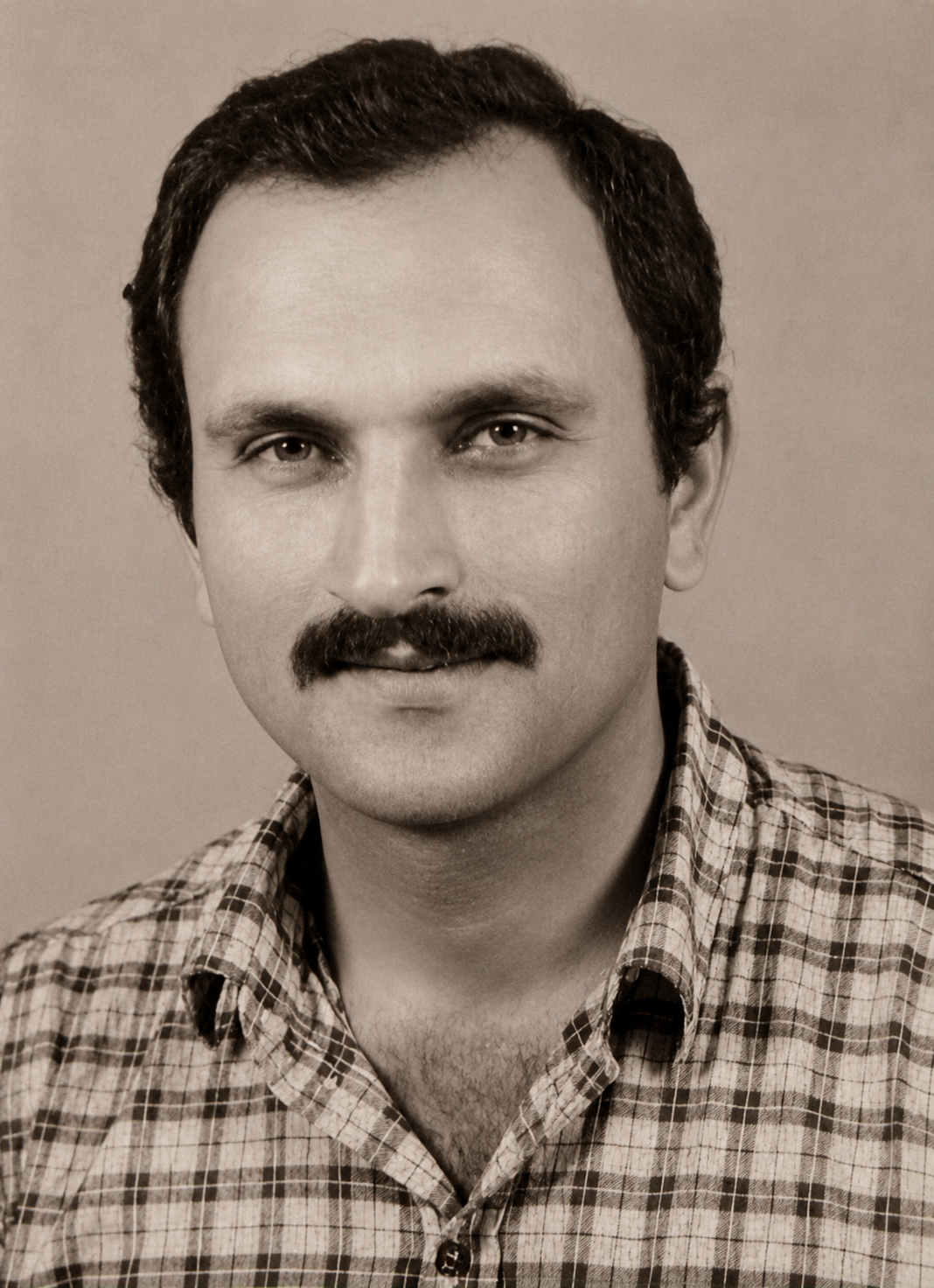
Portrait of Samsam Al-Nimer — Al-Nimer family, Fasayel Farms, Jordan Valley, Palestine

Samsam Al-Nimer

Restored the ancient Roman Pool and, together with his younger brother Saad, pioneered the underground water network that carried the farm into a new era of agricultural growth.

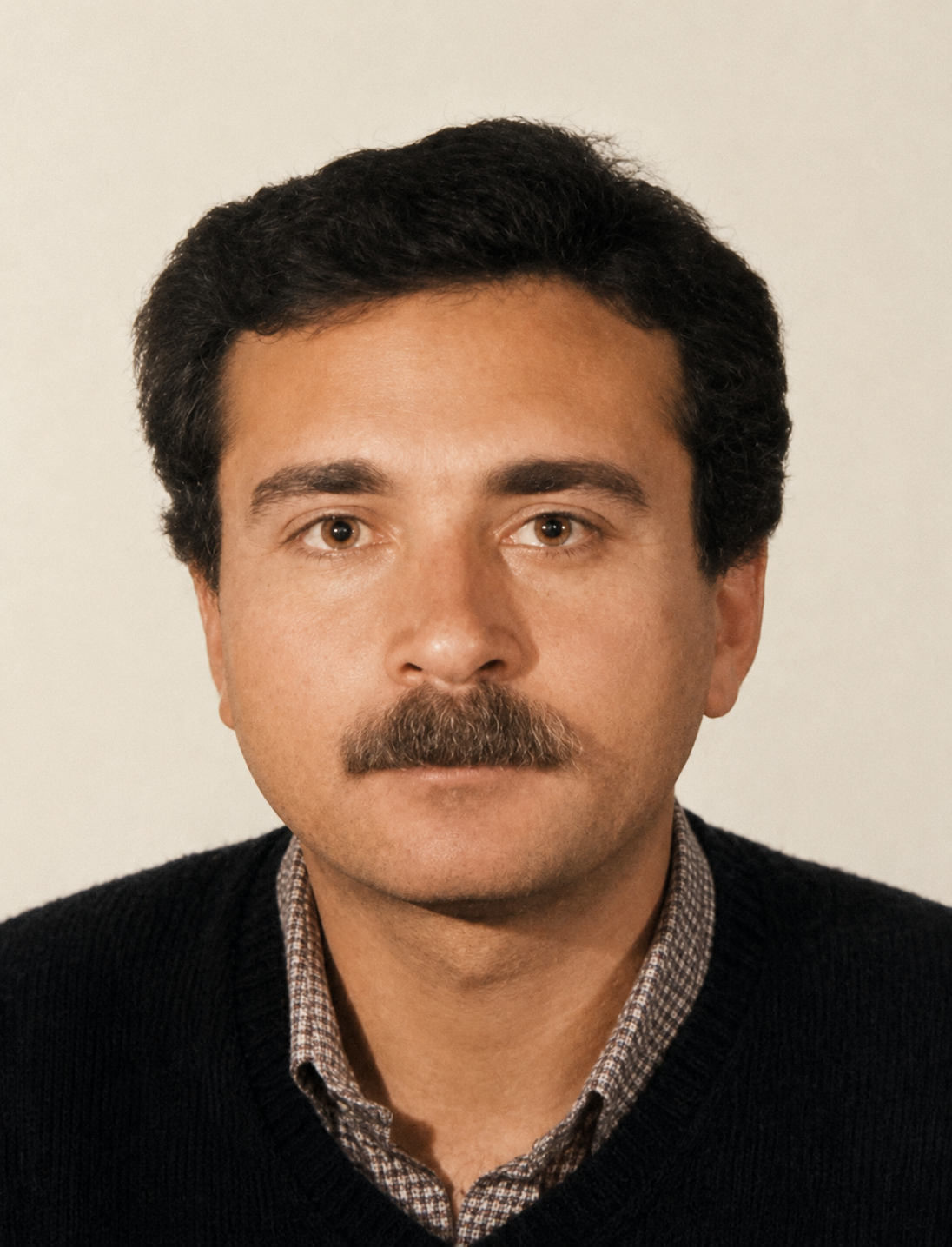
Portrait of Saad Al-Nimer — Al-Nimer family, Fasayel Farms, Jordan Valley, Palestine

Saad Al-Nimer

Since the 1990s, built the farm's grape vineyards through years of dedication and hands-on work. Expanded its legacy with the 3,150+ Medjoul palm orchard, watermelon cultivation, improved greenhouses, the revival of the central well in 2016, and center-pivot wheat farming.

↓ Now meet the story behind the names ↓
A LEGACY IN FOUR CHAPTERS

From first waters, to present day.

From the first waters of Ras Al-Ein to the groves of today, one family, one land, one story still unfolding.

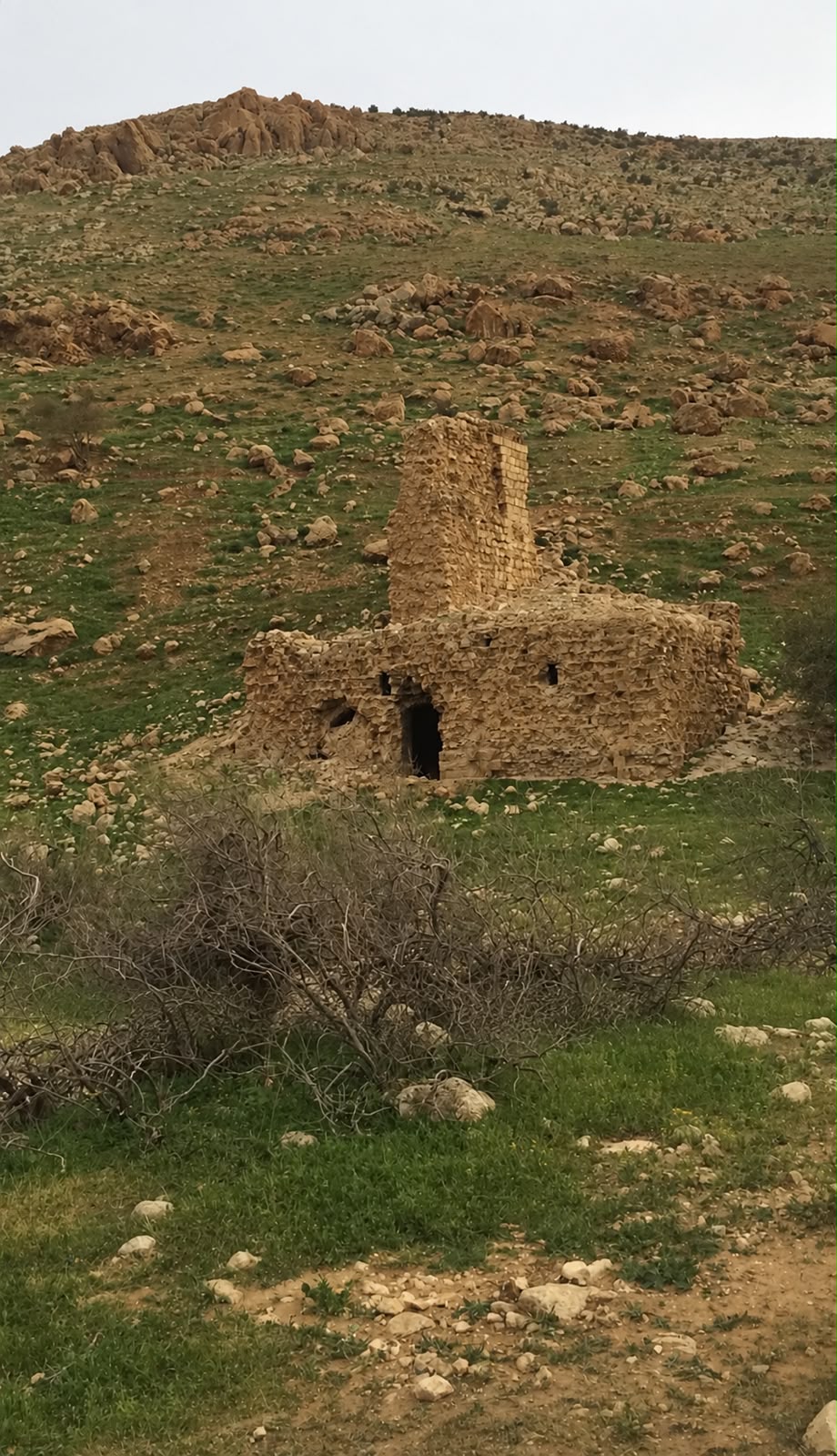
Qasem Al-Nimer's 150-year-old stone wheat mill at Ras Al-Ein, still standing on the hillside above Fasayel.
IChapter One · The Beginning

Qasem Al-Nimer — Where the Story Began

Before there was a farm, there was water and a vision. Qasem Al-Nimer is the man who first tied the family's name to this valley. At Ras Al-Ein — the spring known locally as Fasayel Spring — he cut the channels and raised the stone aqueducts that carried its water down through the wadi, and built the water-powered wheat mill that turned by the strength of that flow. Out of one spring he made a working landscape: water for the fields, flour for the houses, and the first reason for people to settle and farm this stretch of the Jordan Valley.
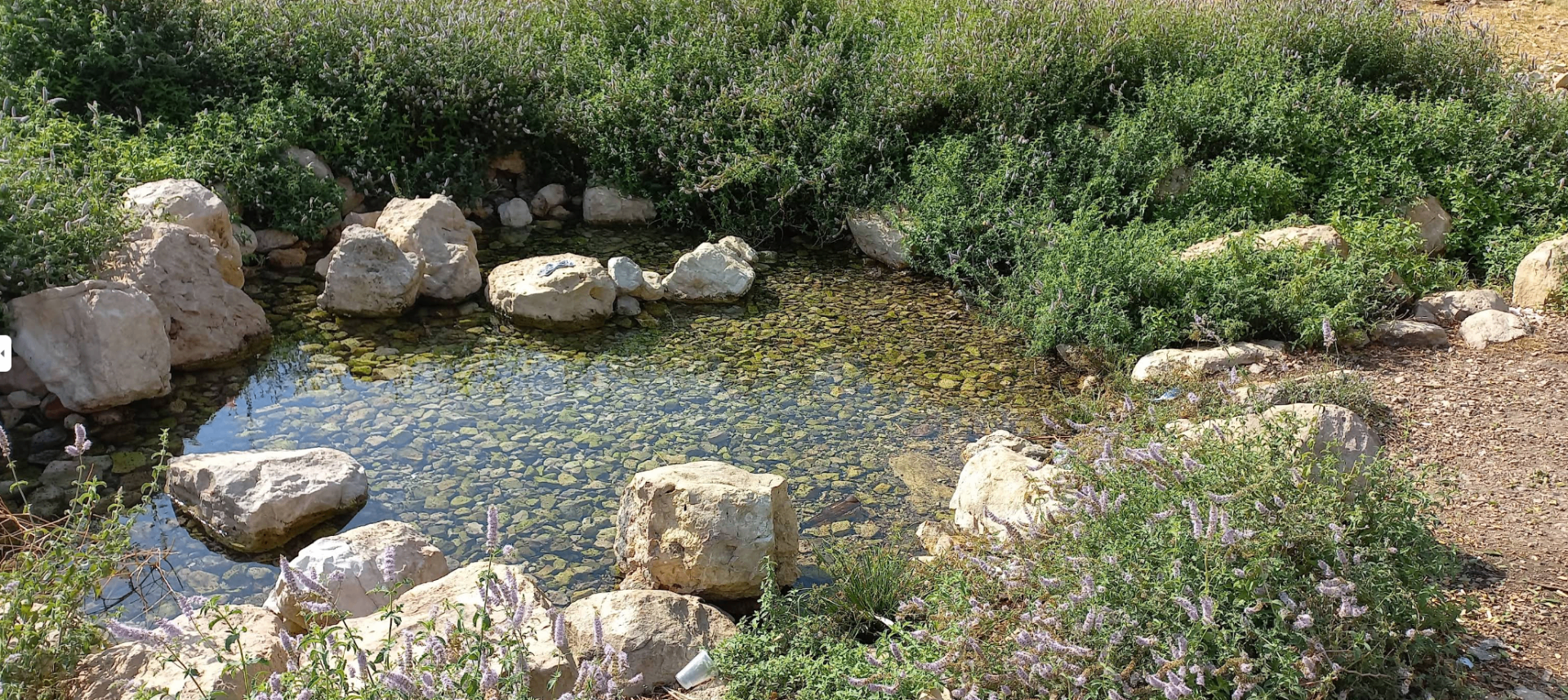
Fasayel Spring
Ras Al-Ein

Fasayel Spring

The source — the spring from which everything began to flow.
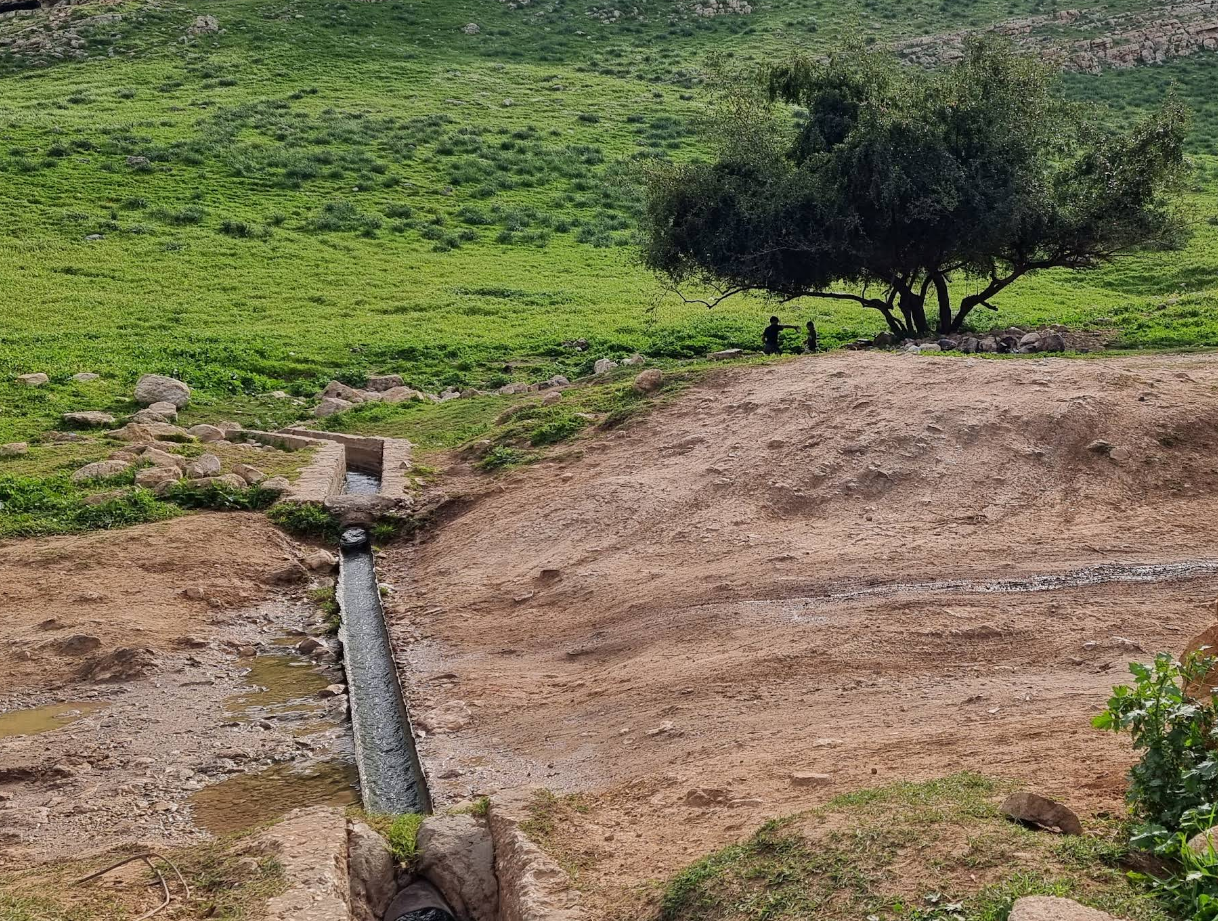
Hand-cut Channels
WATER CHANNELS

Hand-cut Channels

Water carried by stone and gravity passing down into the valley, the path still exists today.
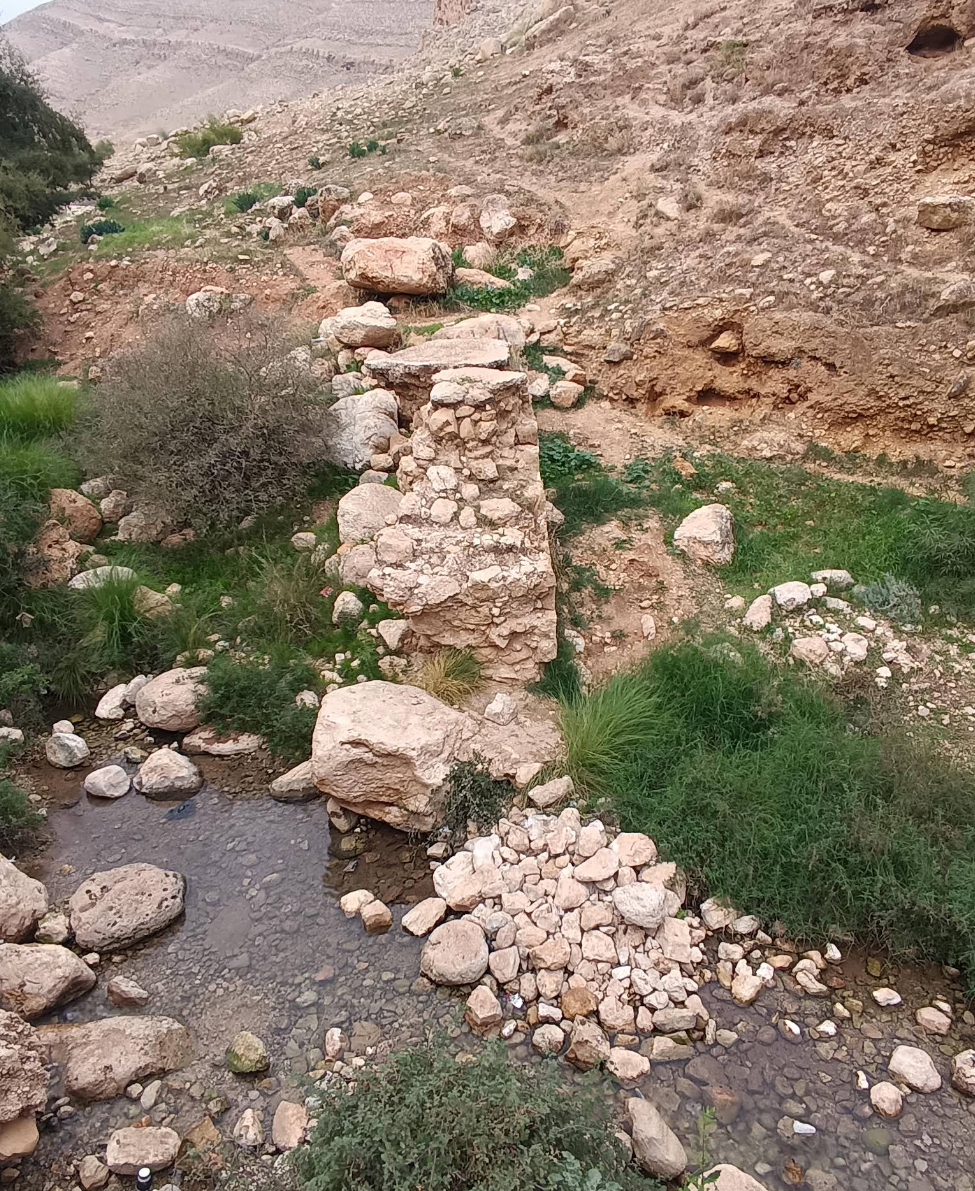
Water Aqueducts
AQUEDUCTS

Water Aqueducts

Stone aqueducts that carried the spring's flow across the Lands, it's ruins still remain today.

Water-powered Wheat Mill
The Mill

Water-powered Wheat Mill

Where water turned the wheel, and stone carried the years.
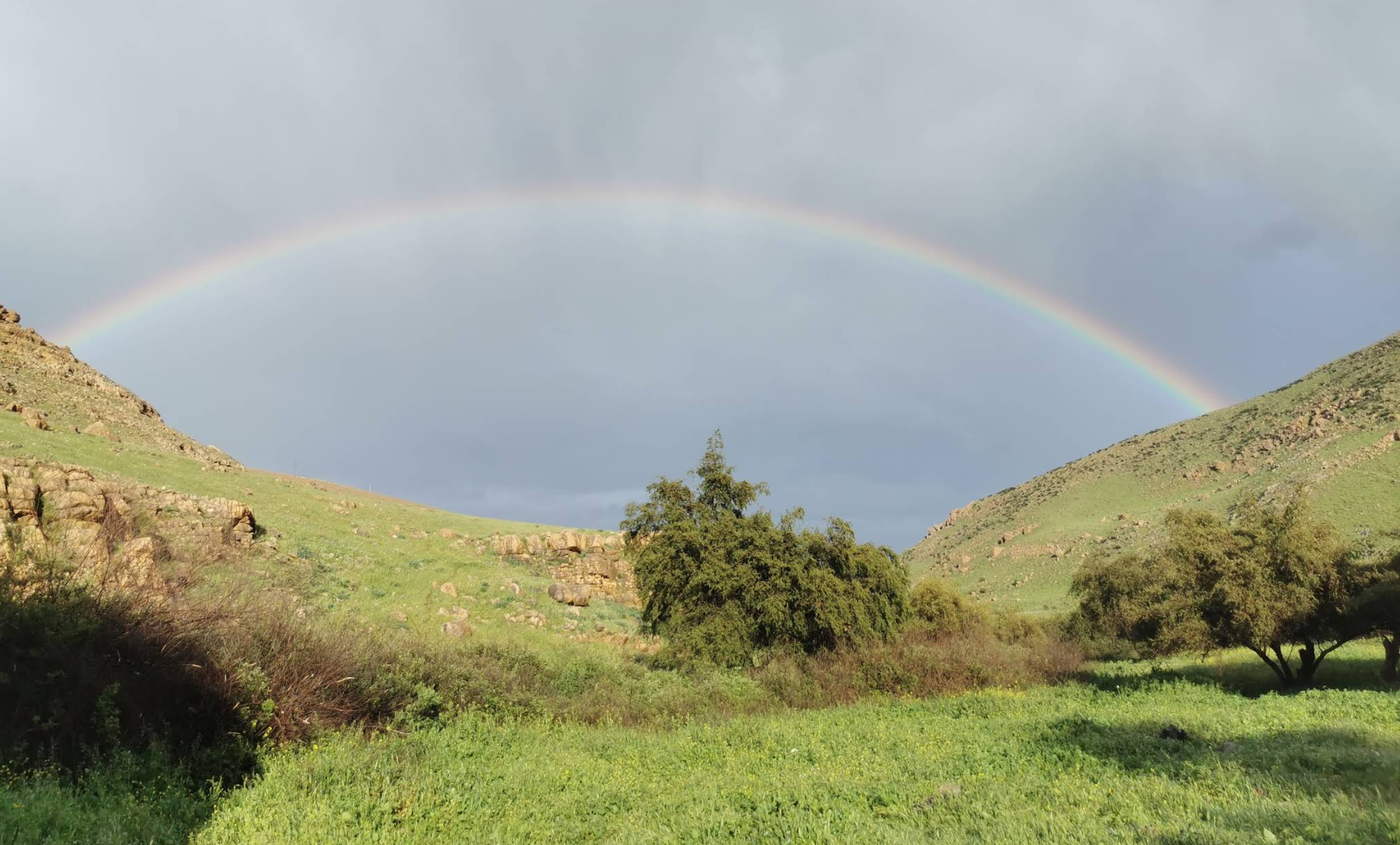
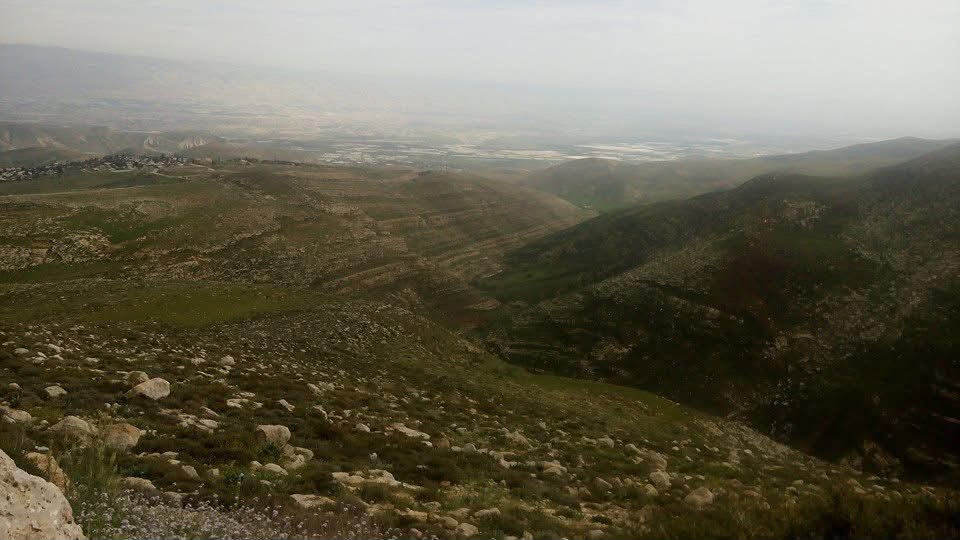
Fasayel's Valley
The Valley

Fasayel's Valley

From a single spring, a place where farming could take root.
Portrait of Fahmi Al-Nimer — second generation of the Al-Nimer family.
IICHAPTER TWO · OPENING NEW ROADS

Fahmi Al-Nimer — Opening the Way for Fasayel's Next Era.

What Qasem founded, Fahmi grew into a working agricultural world. He widened cultivation across Fasayel, brought in farmers and workers, and turned a cluster of fields into a village that lived from the soil. He opened the first deep well of the area — a new, independent source of water that freed the farm from the limits of the spring alone — and built trade routes that carried Fasayel's wheat and produce well beyond Palestine, into Jordan, Syria and Lebanon. Farmer by day, Nablus city-council member by evening, he gave the foundation a shape that could endure: an economy, a community, and a future.

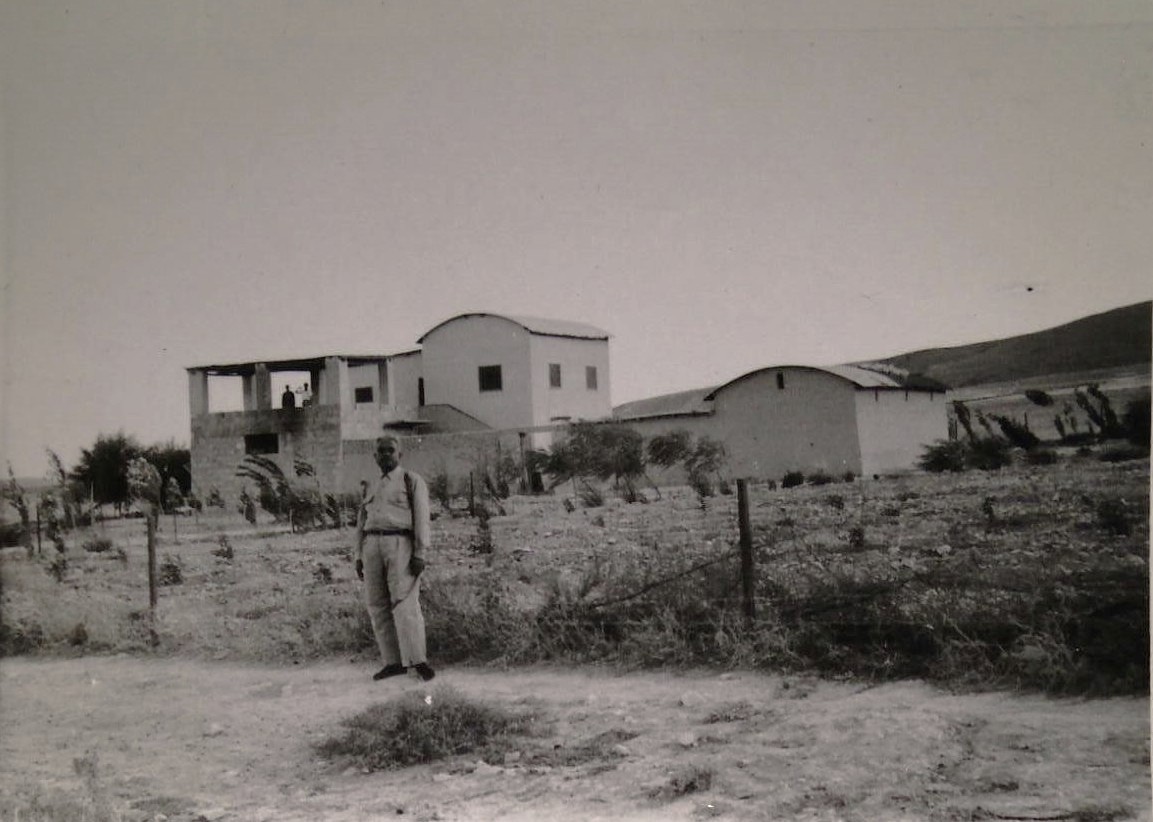
Fahmi's farmhouse
The House

Fahmi's farmhouse

The house he built on the farm — a home rooted in the land he cultivated.

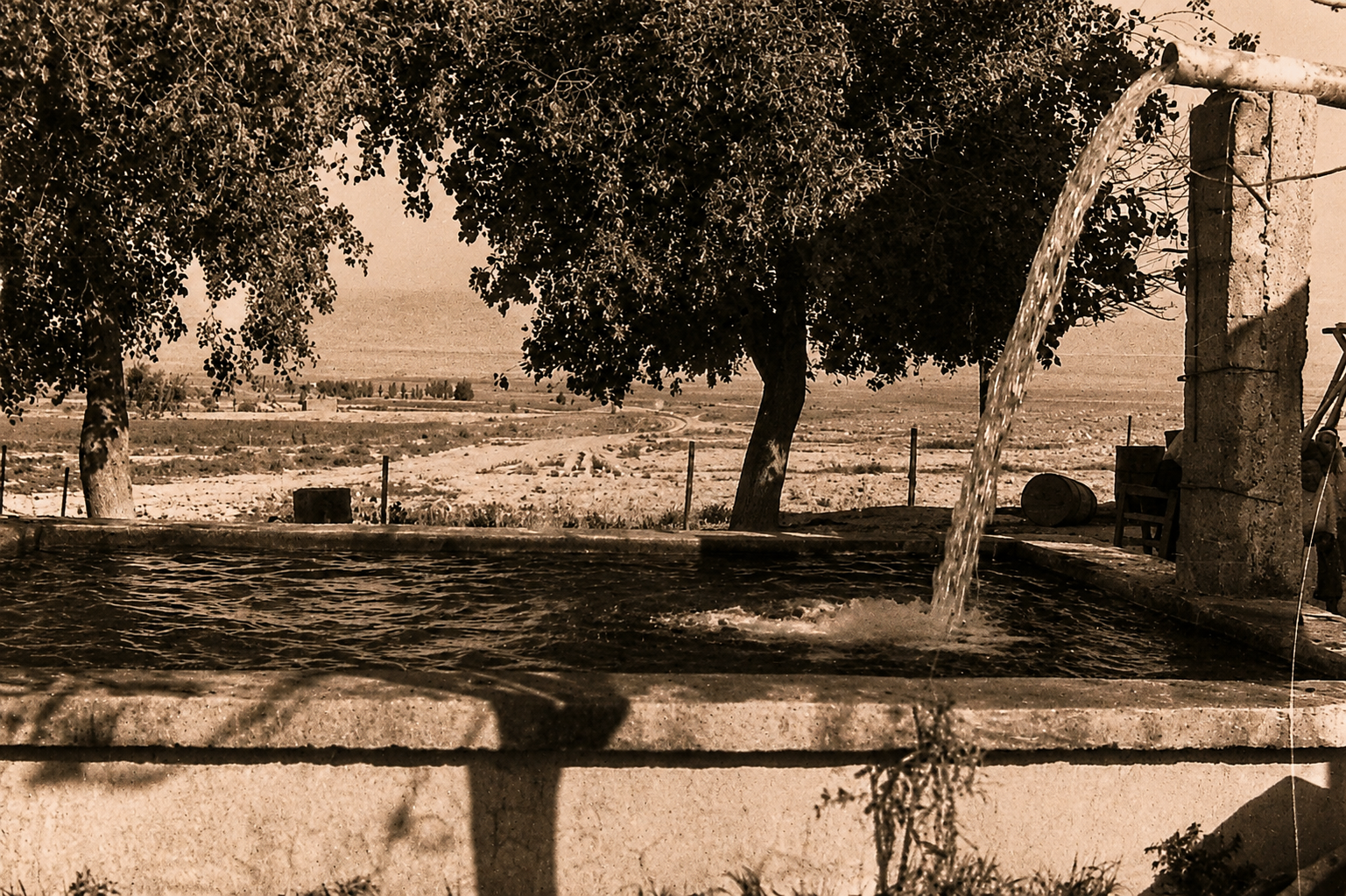
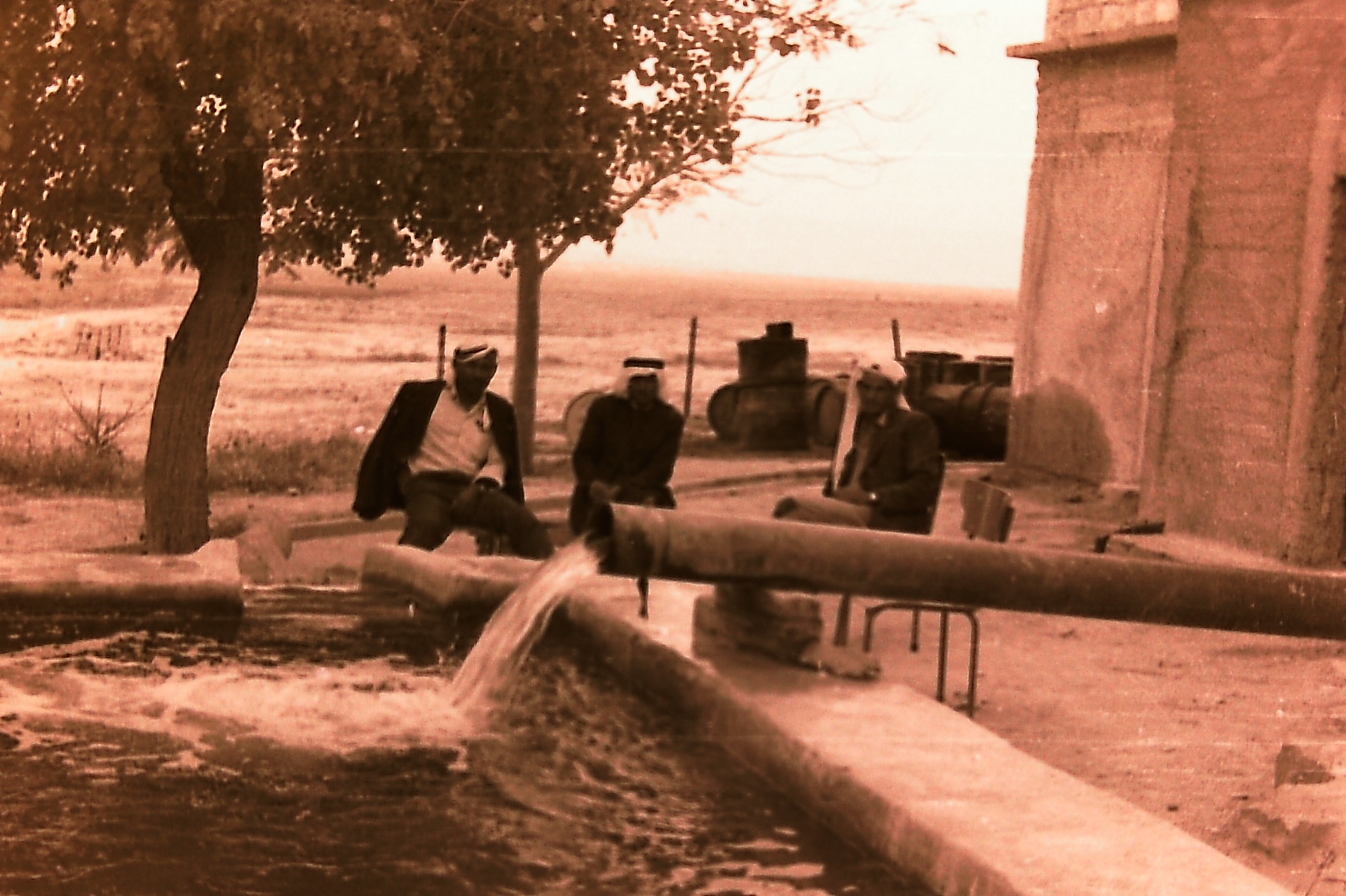
Fasayel's first deep well
The Well

Fasayel's first deep well

A new, independent source of water for the valley.

Workers & Farmers
Community

Workers & Farmers

Families settled around the fields — a village formed.

Wheat Fields
Wheat

Wheat Fields

Cultivation expanded under his hand, season after season.

Beyond Palestine
Trade

Beyond Palestine

Harvests carried to Jordan, Syria and Lebanon.

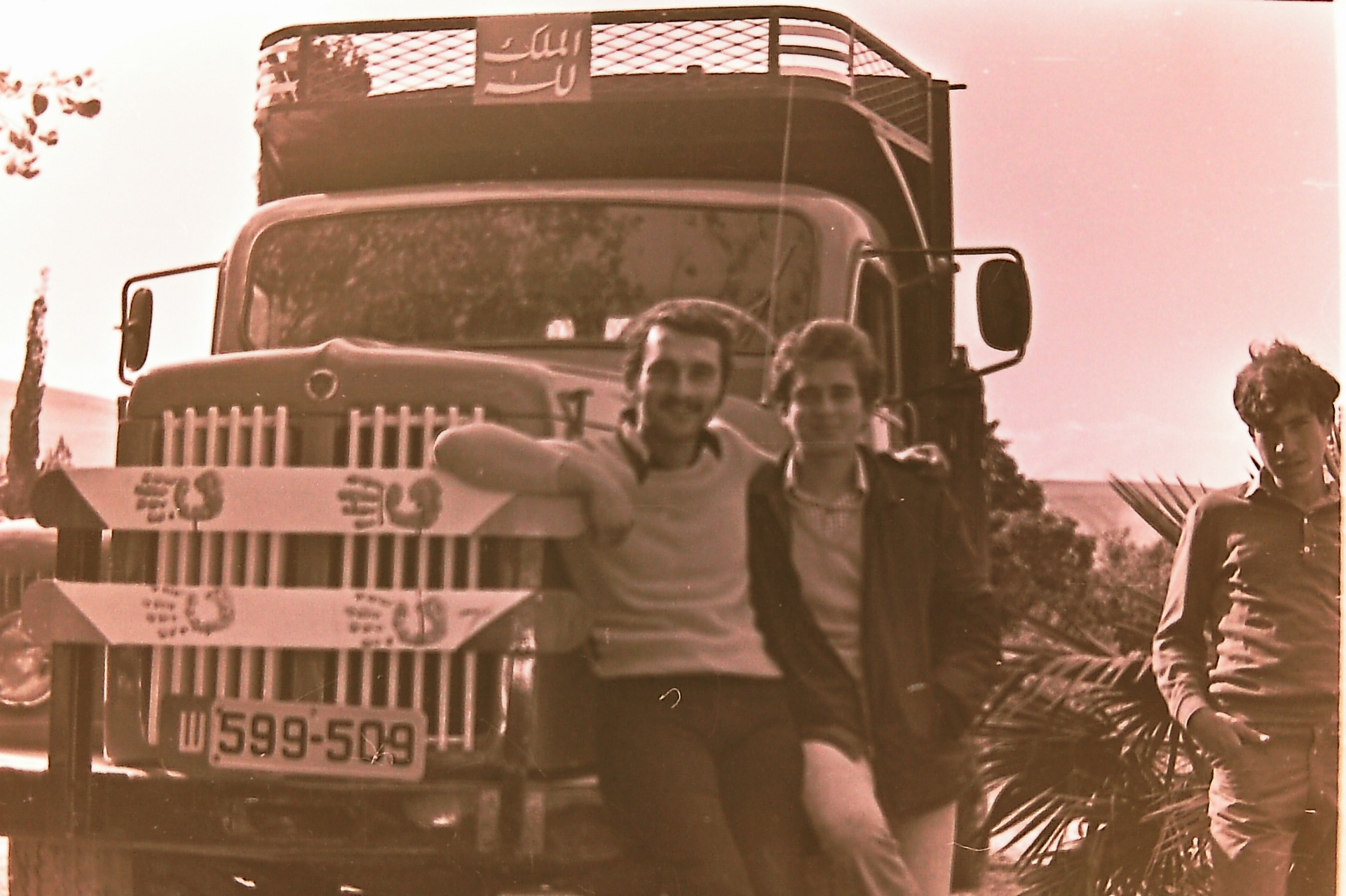
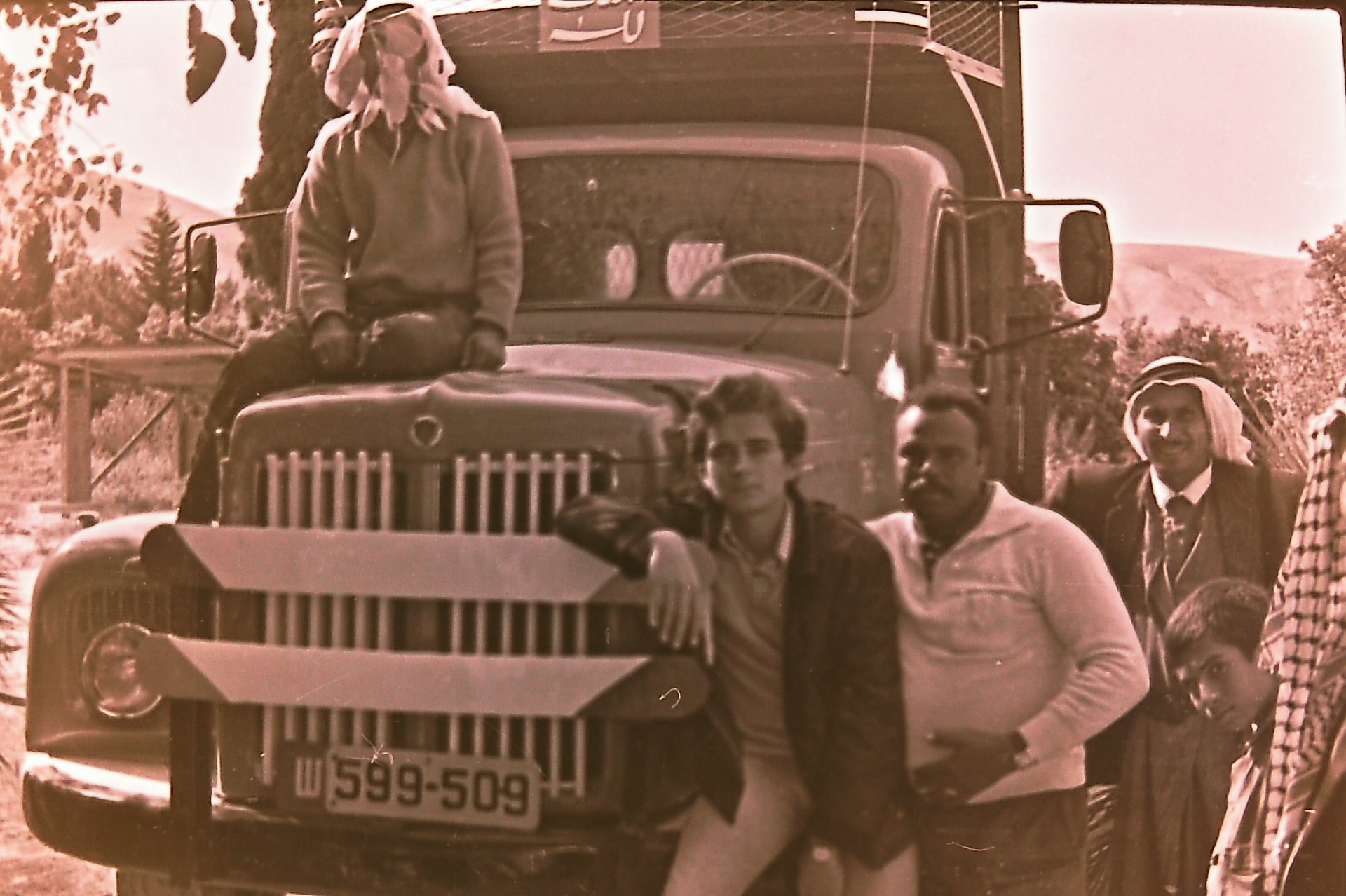
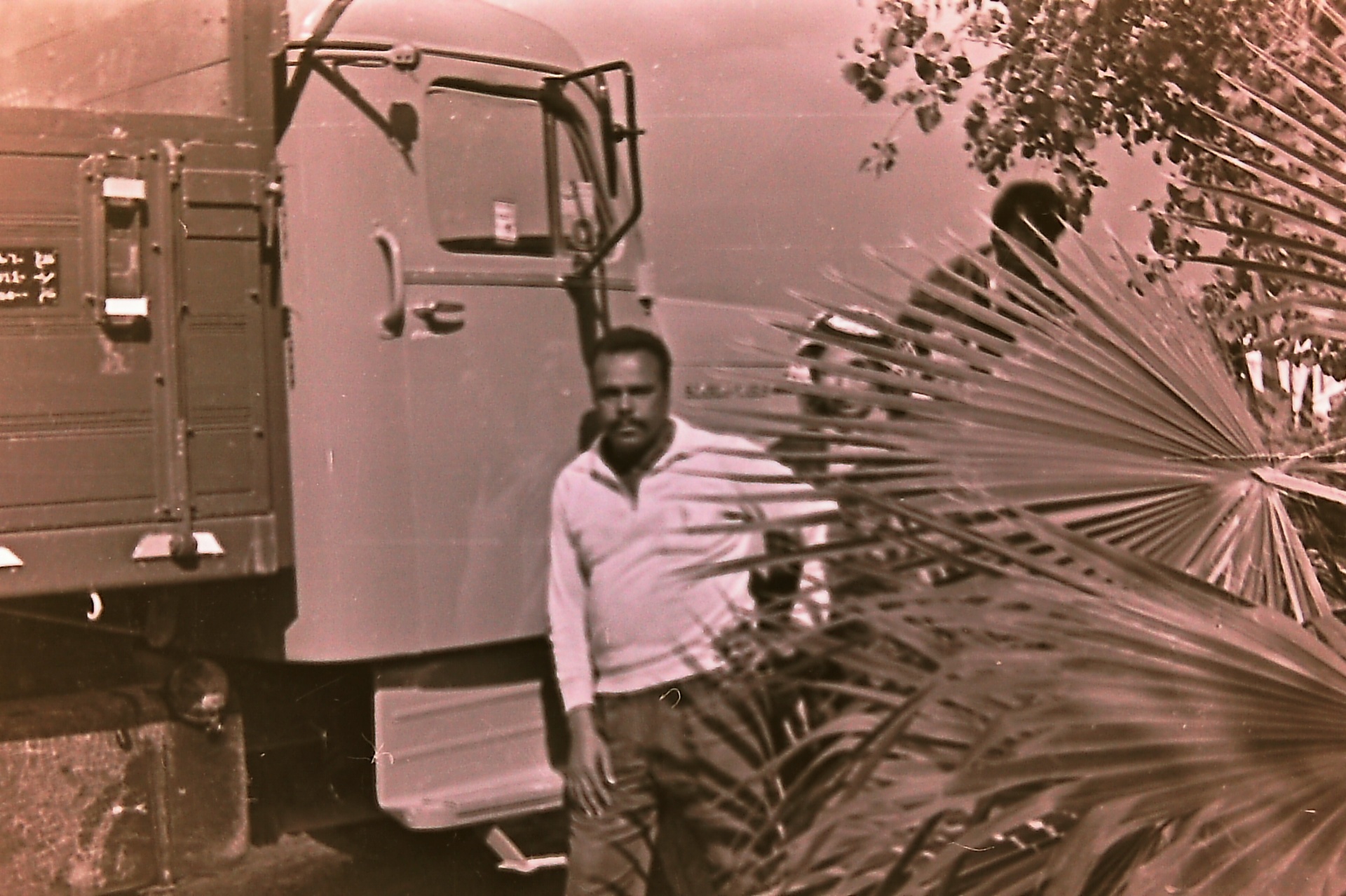
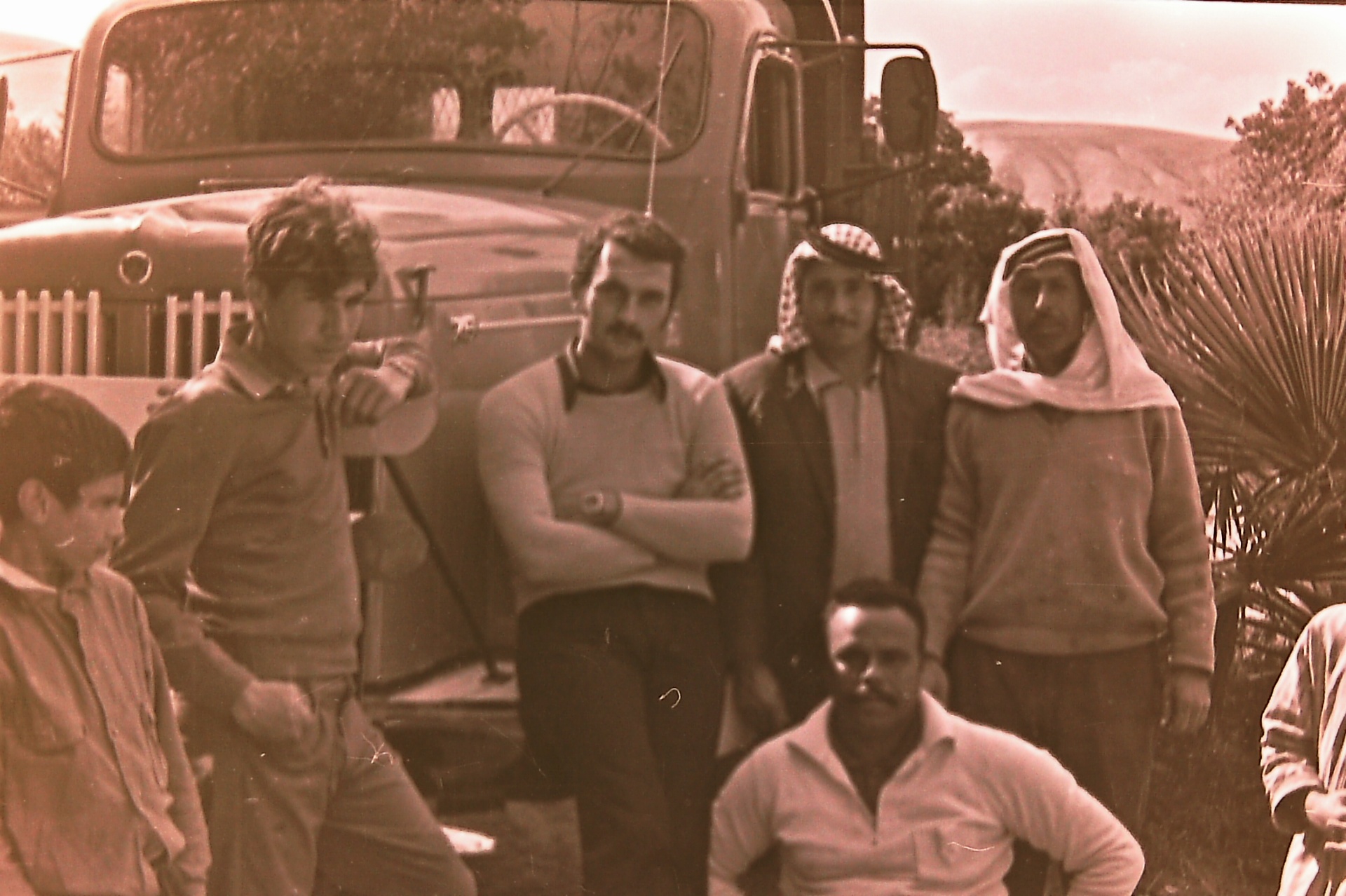
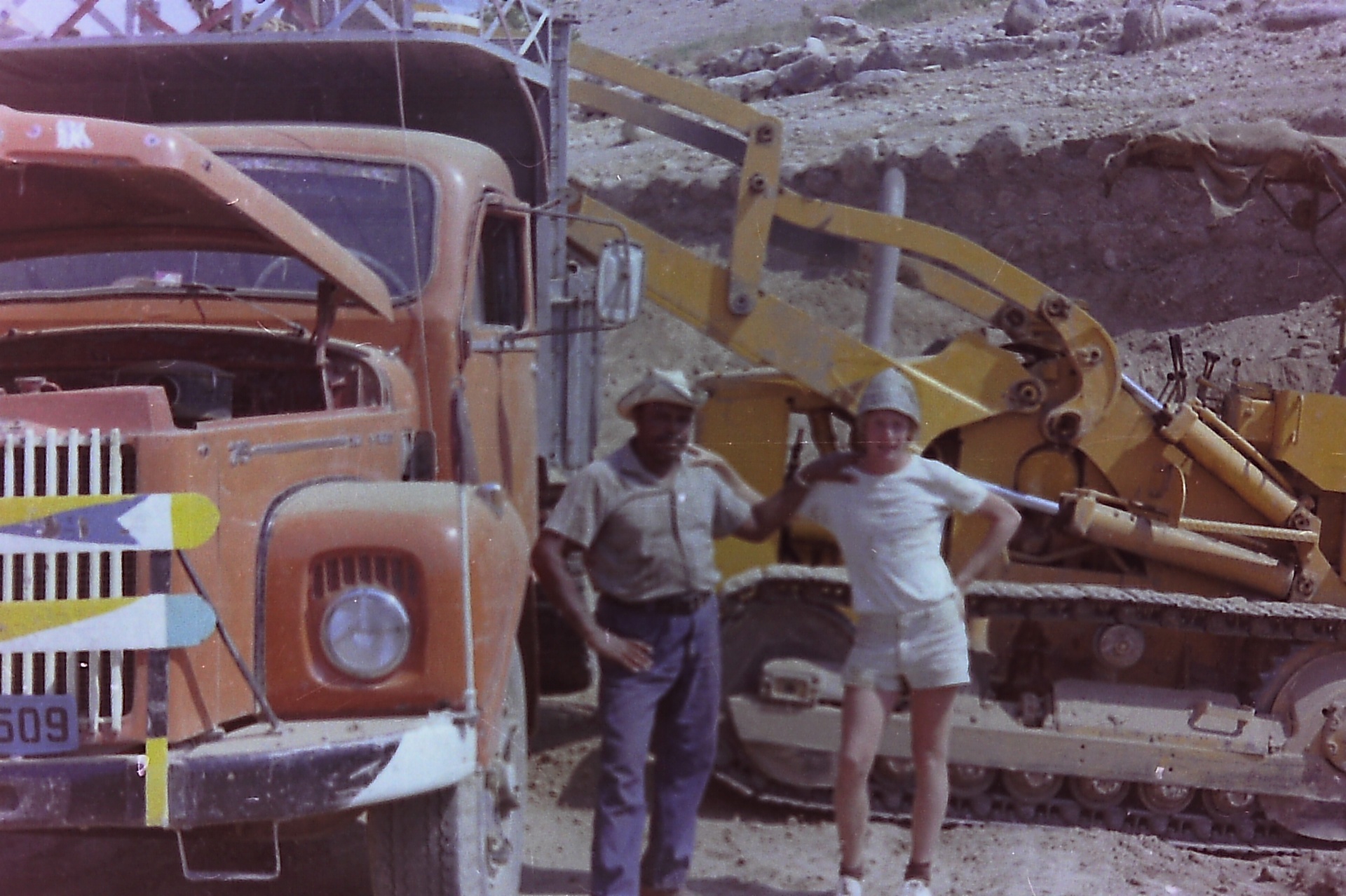
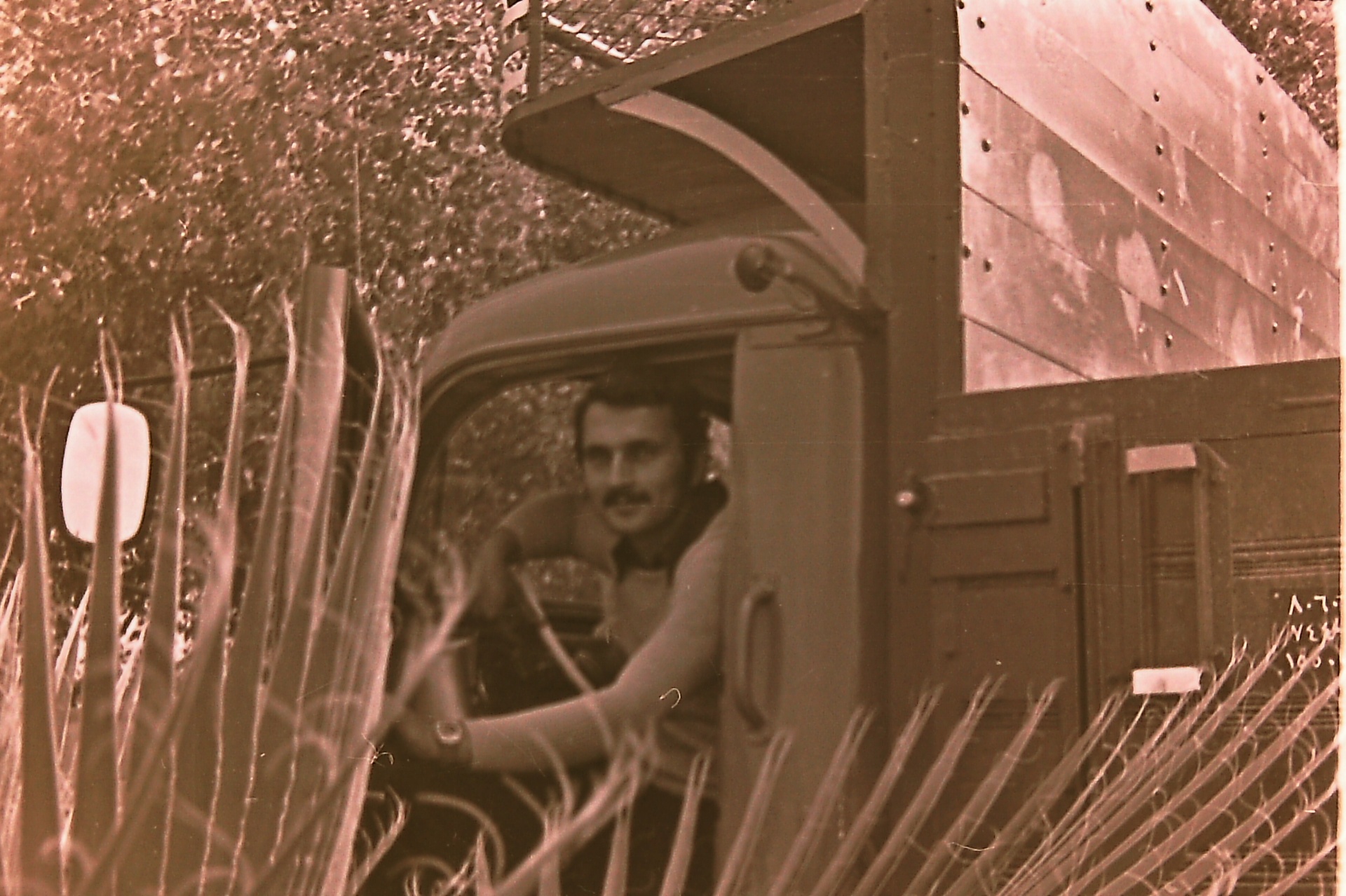
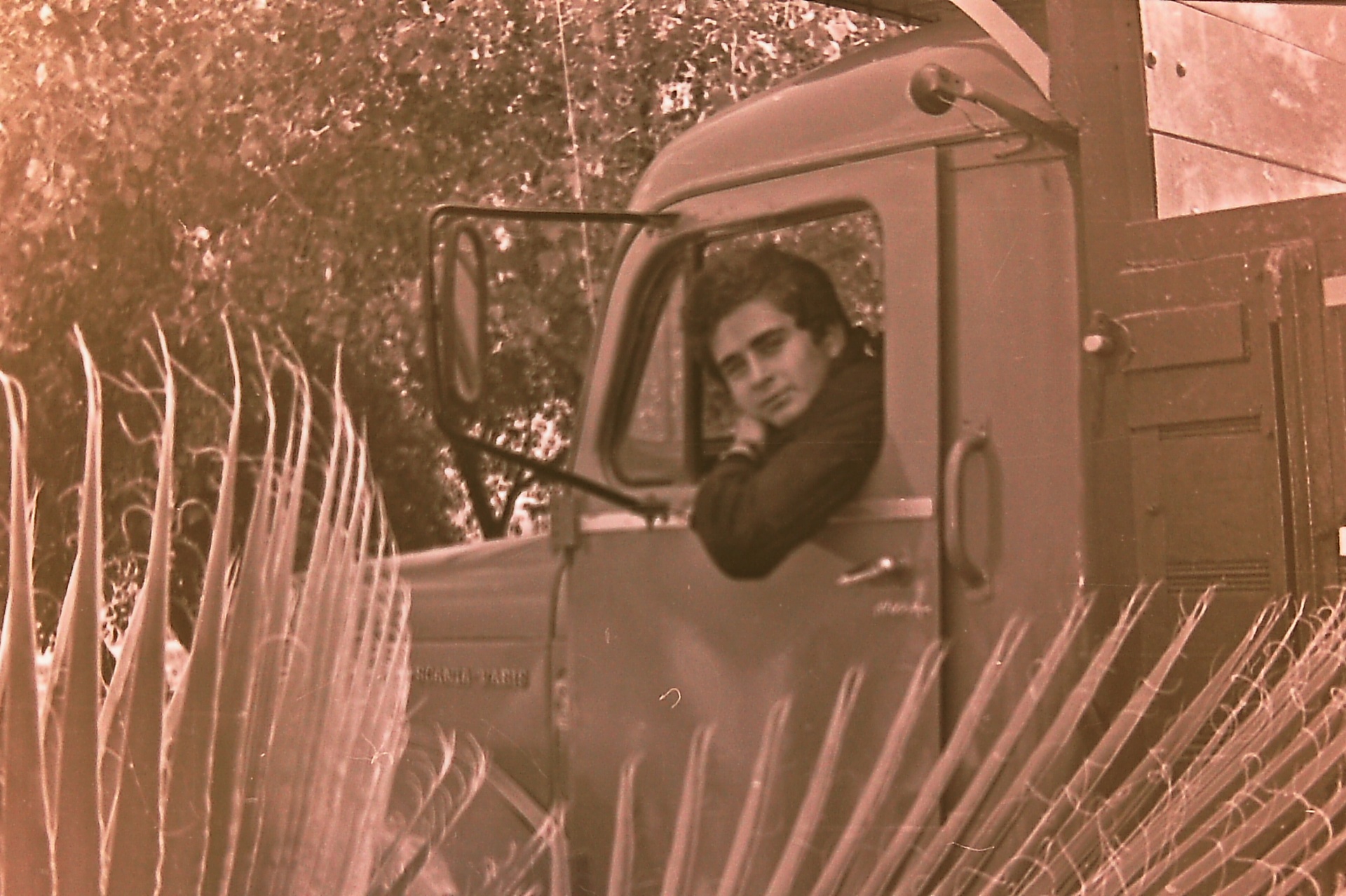
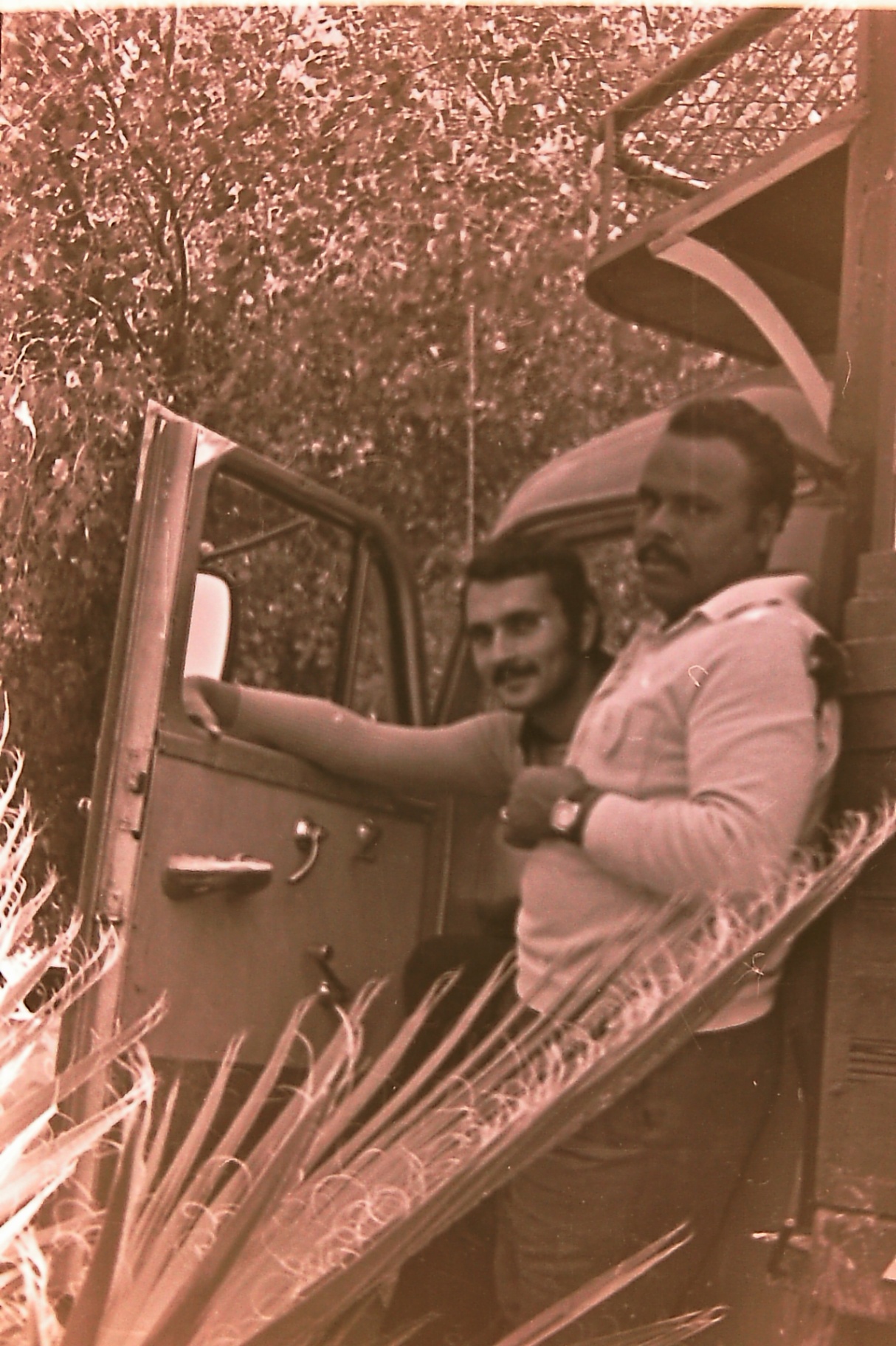
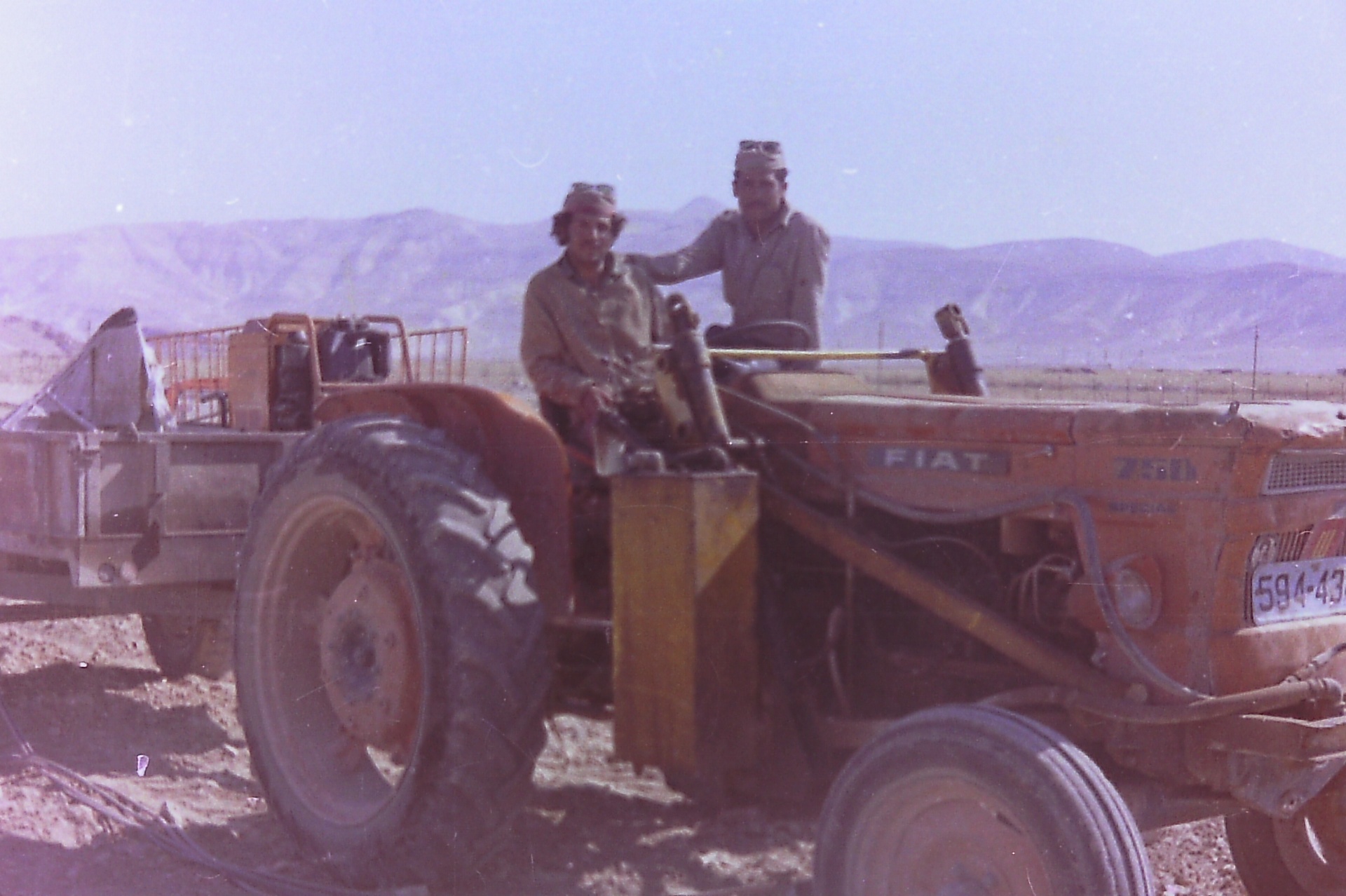
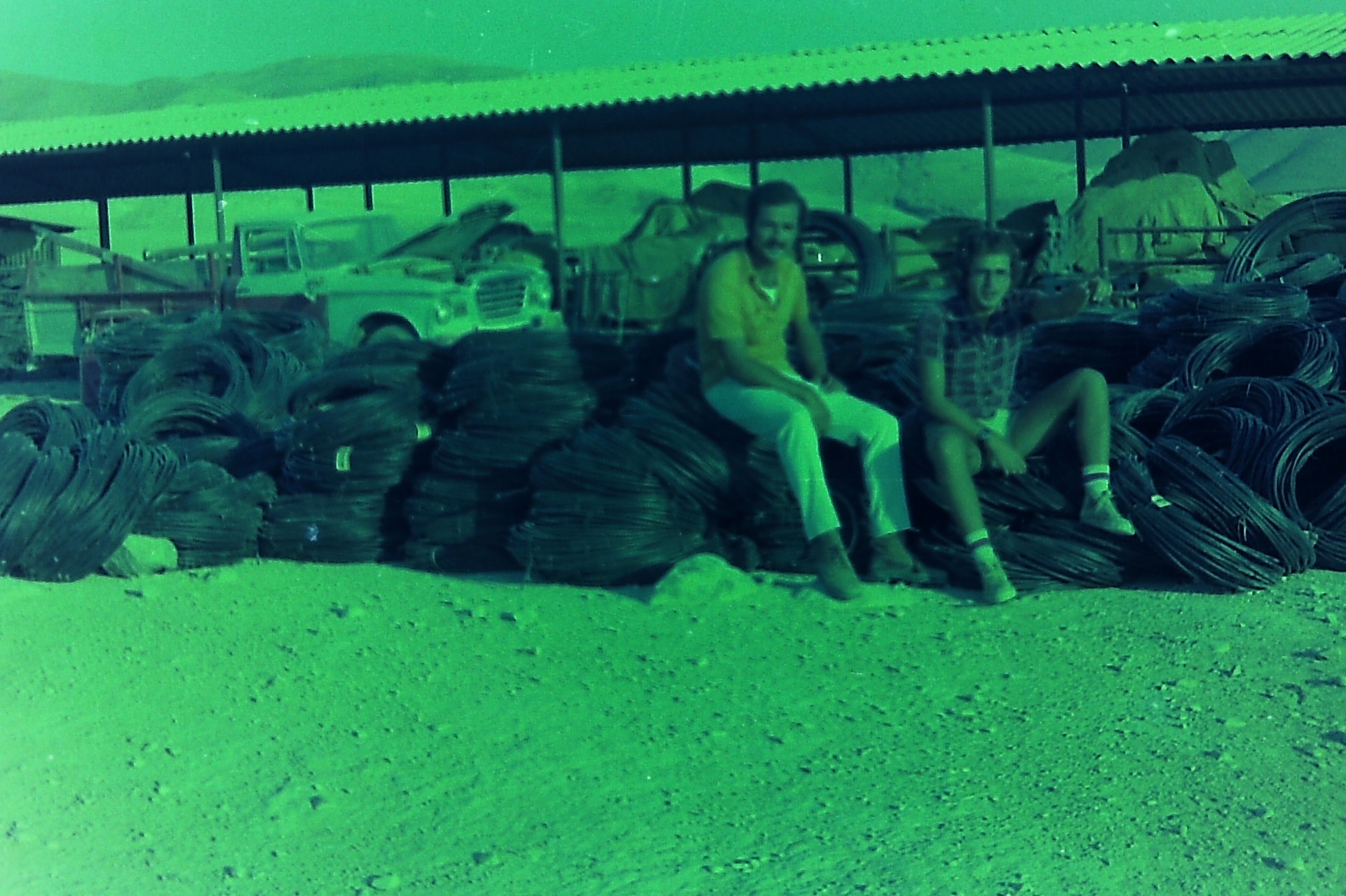
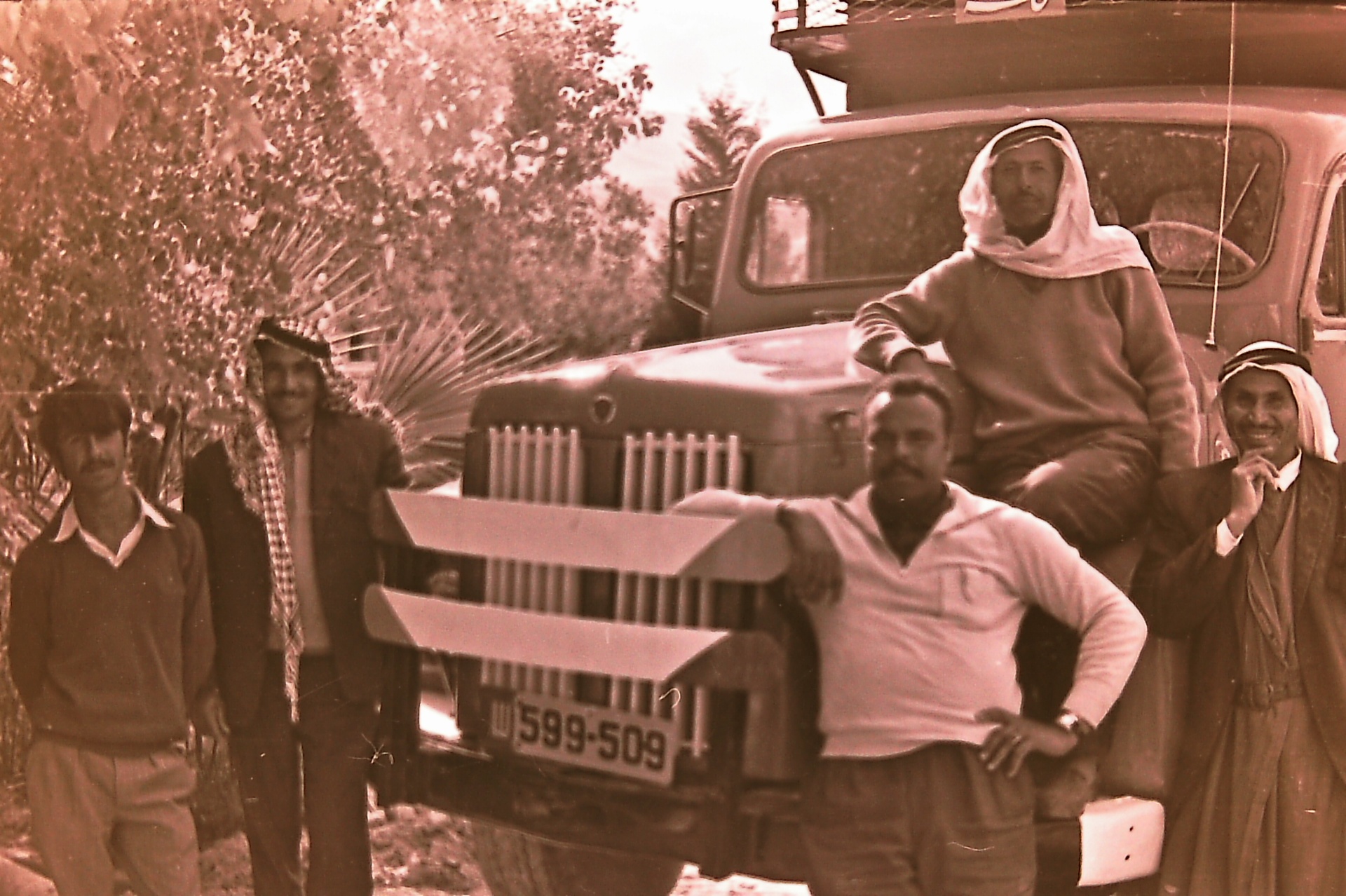
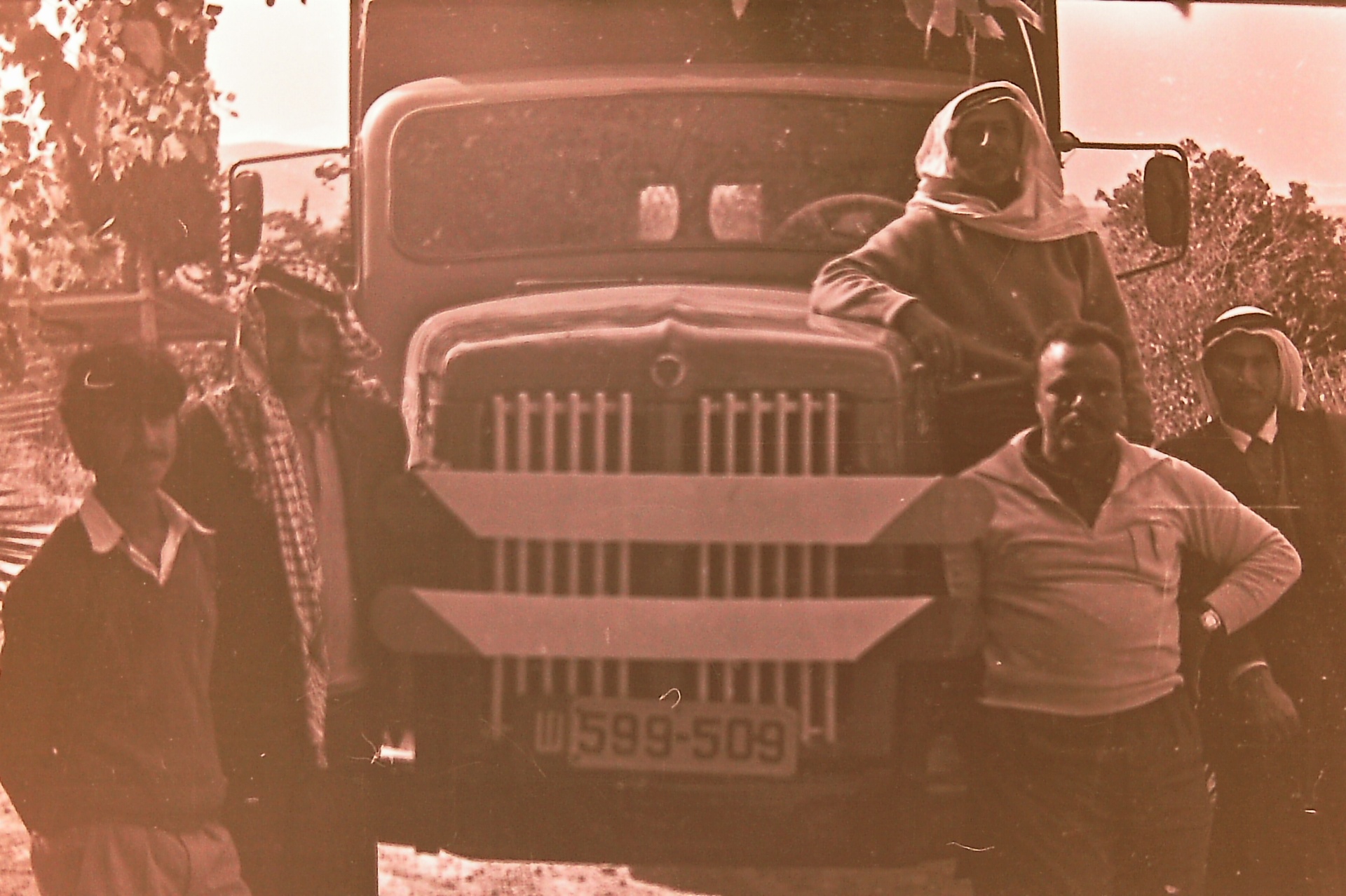
Samsam (left) and Saad (right) Al-Nimer leaning on the family truck — Fasayel, 1970s.
IIIChapter Three · A New Generation

Silham, Samsam & Saad — Carrying the Legacy Forward

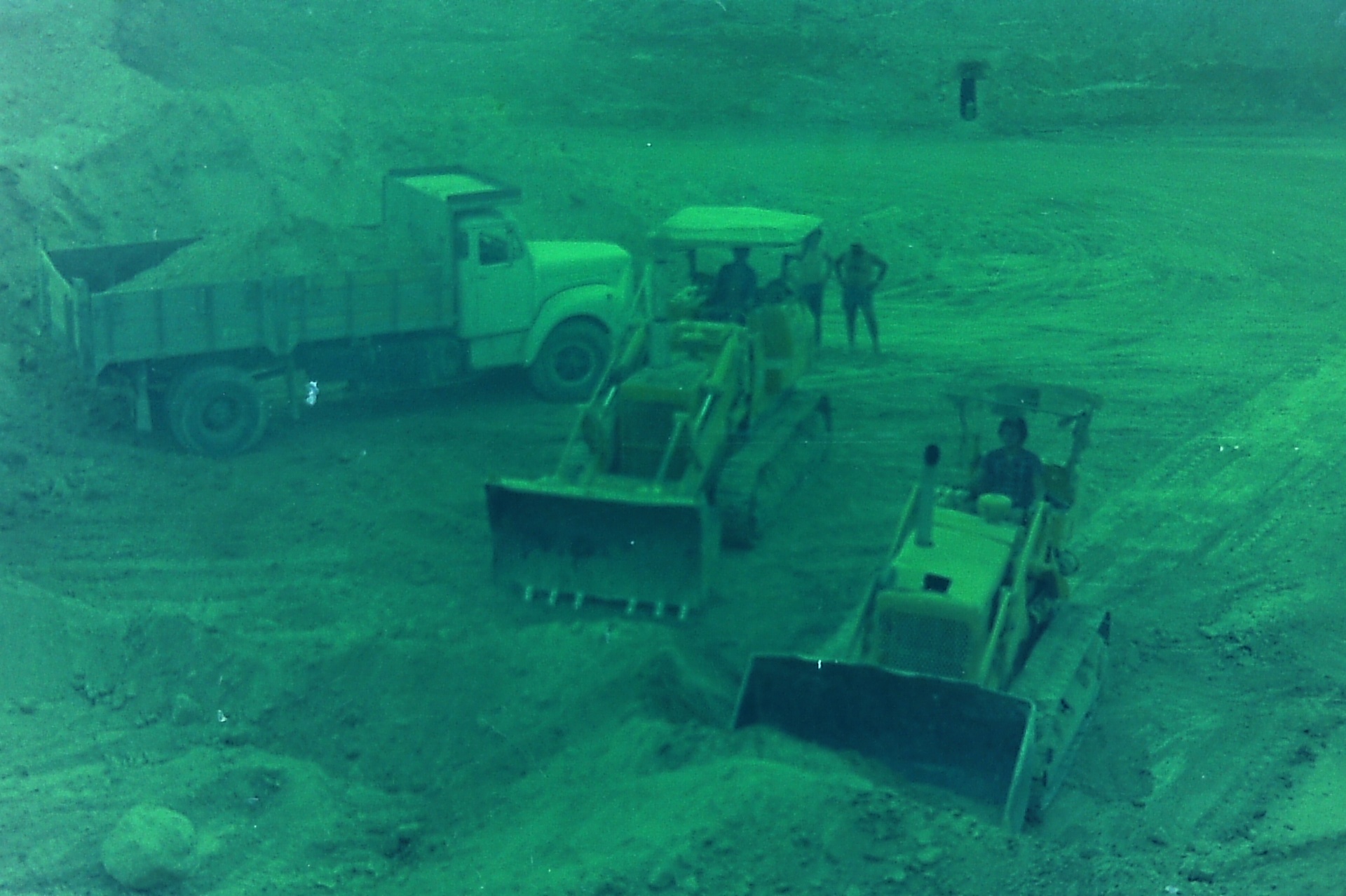
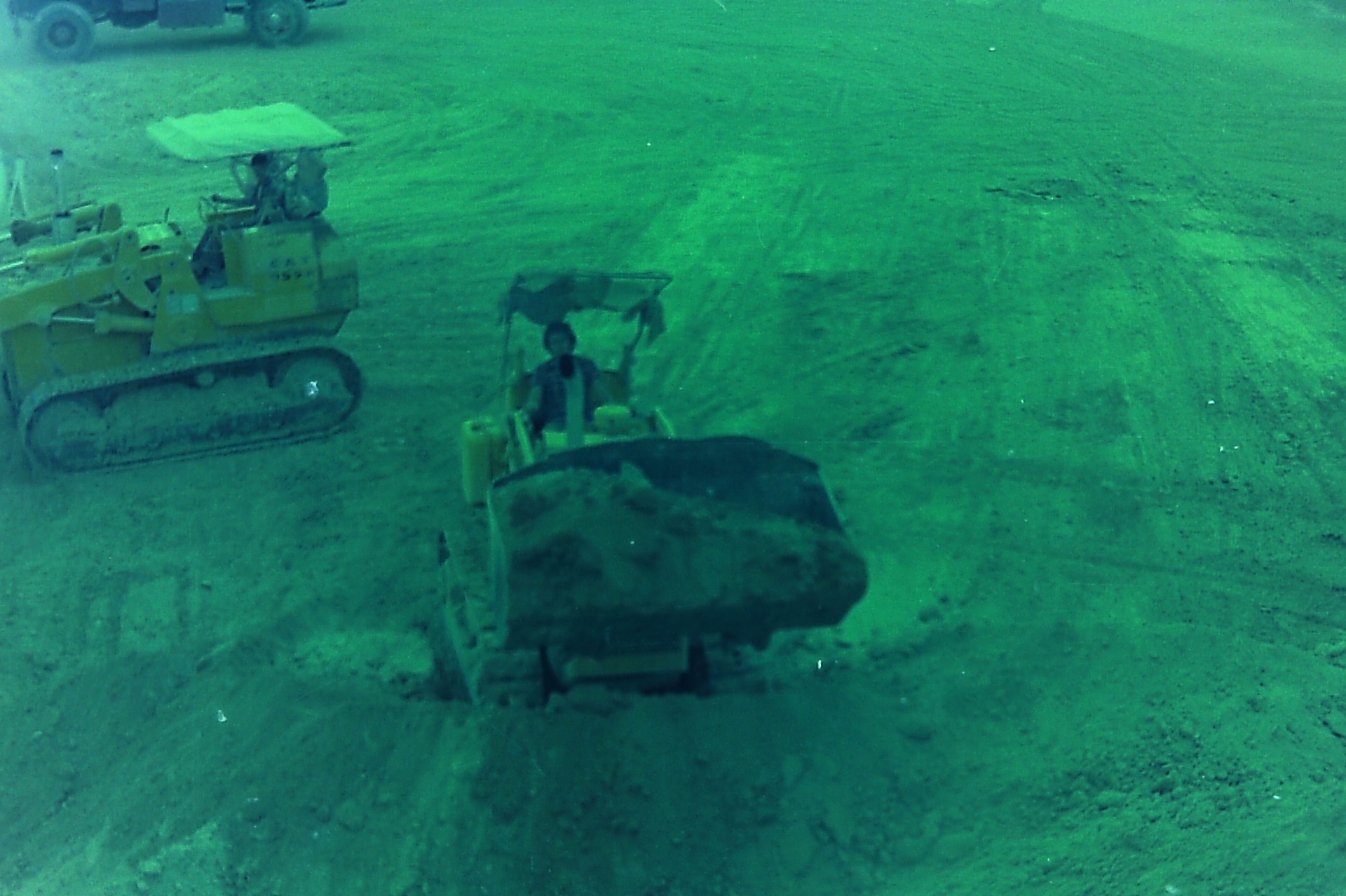
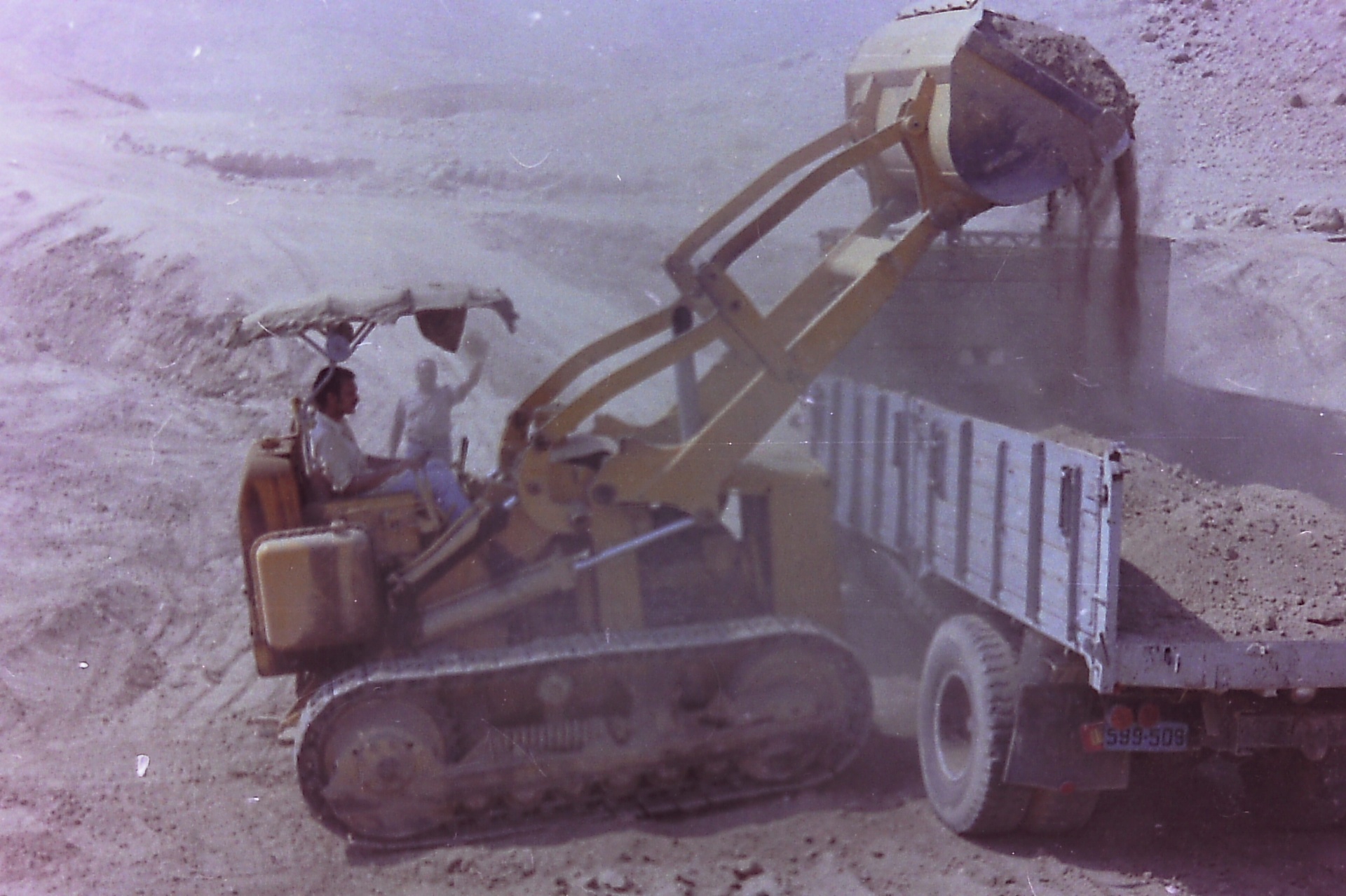
Fahmi's sons grew up inside the work, and together they carried it forward. Silham held the administration and the trader relationships together, structured the farm as a company, expanded the cultivated area, and brought in the banana plantations and the first wave of new workers and activity. Samsam was the innovator — introducing drip irrigation to modernise how the fields were watered, and leading the idea of reclaiming the ancient Roman Pool as a working reservoir, eight metres of soil moved by hand alongside neighbours and European volunteers. Saad stood with his brothers through every chapter of it: starting the grape project, building out the greenhouses, supervising the wheat, watermelon and vegetable seasons, leading the first Medjoul palm plantations in 2015 with his sons, and pushing Fasayel's harvest further still — including grape exports to the United Kingdom. One farm, three pairs of hands, one continuous chapter of growth.

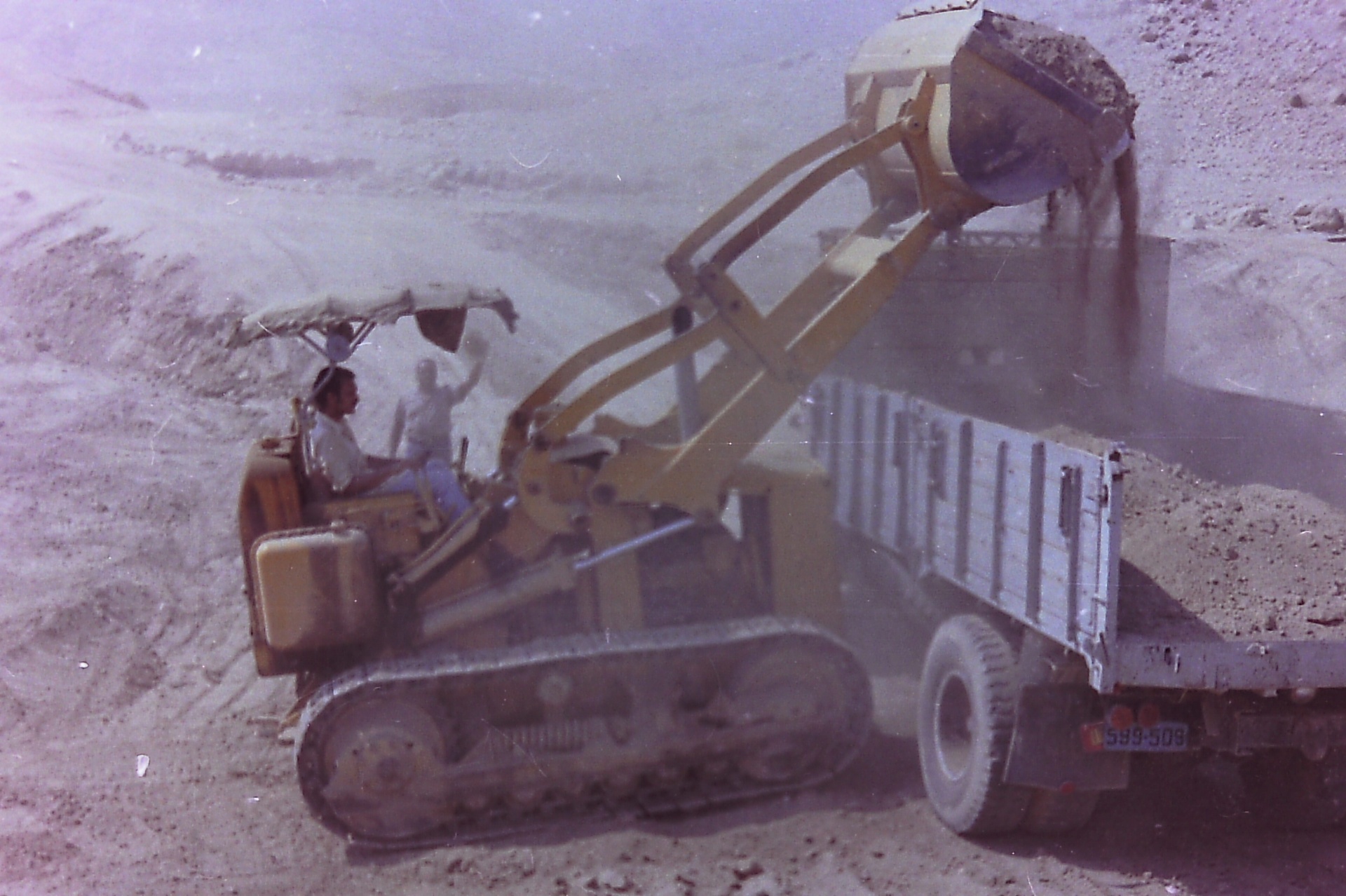
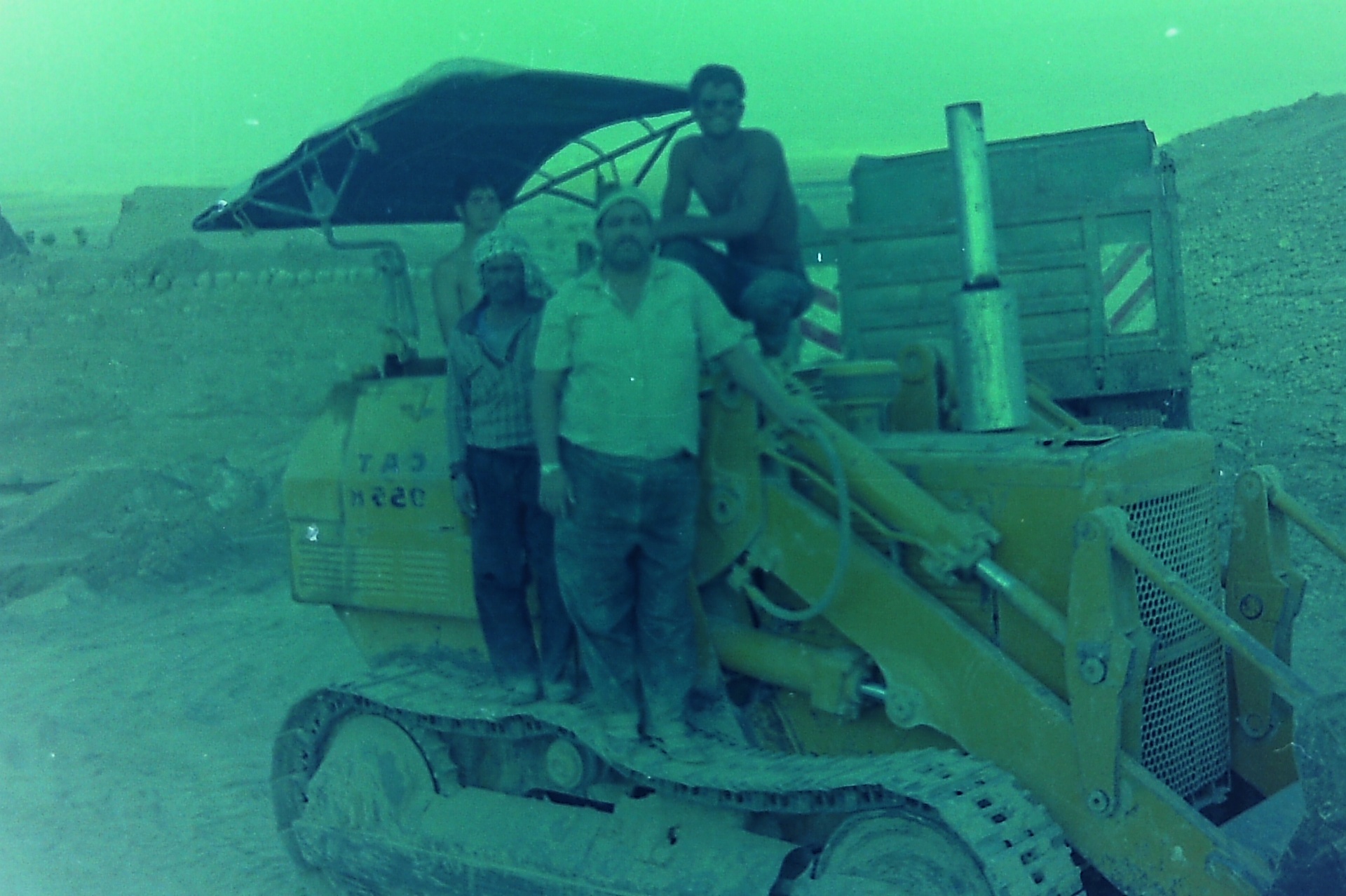
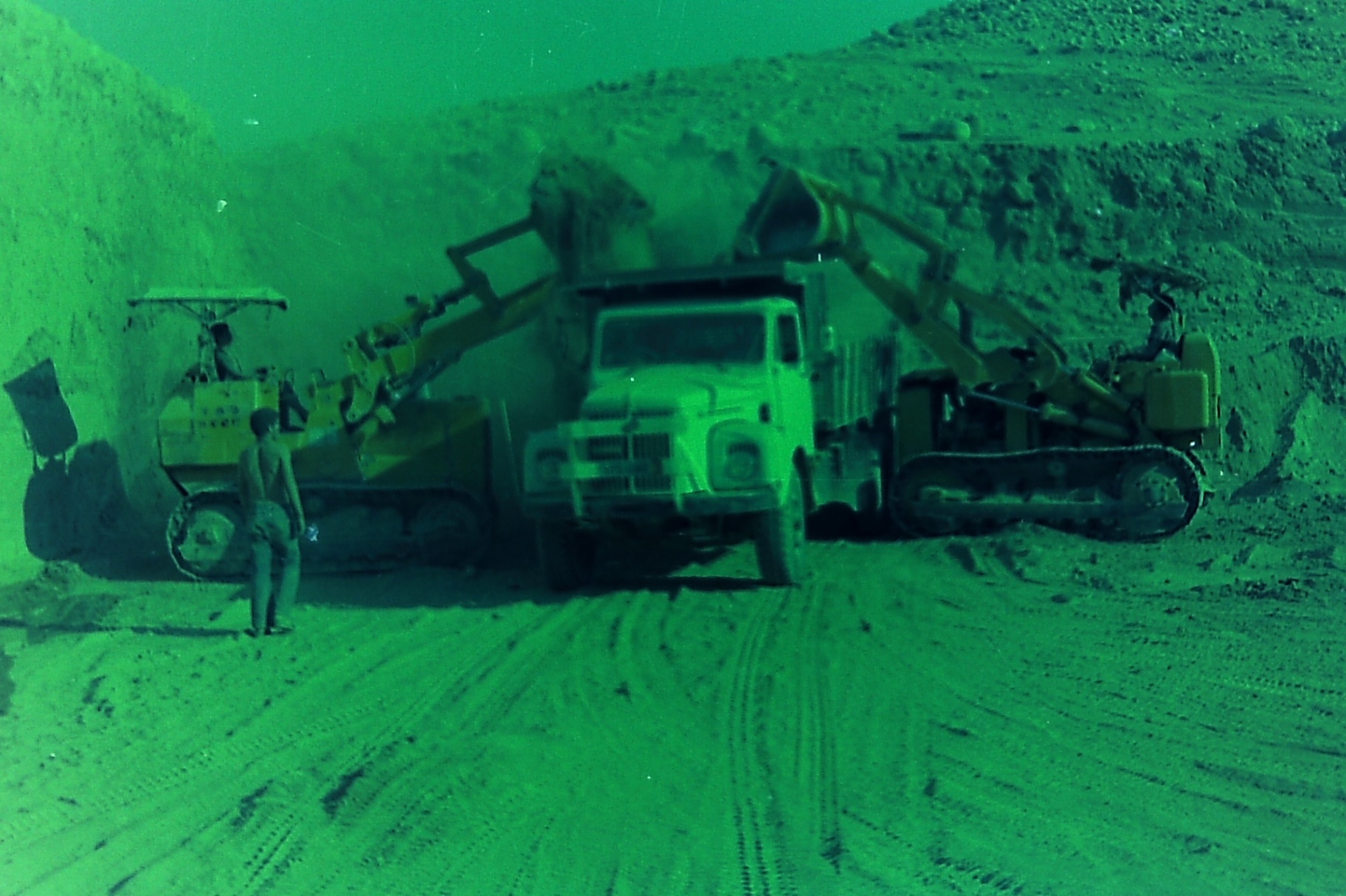
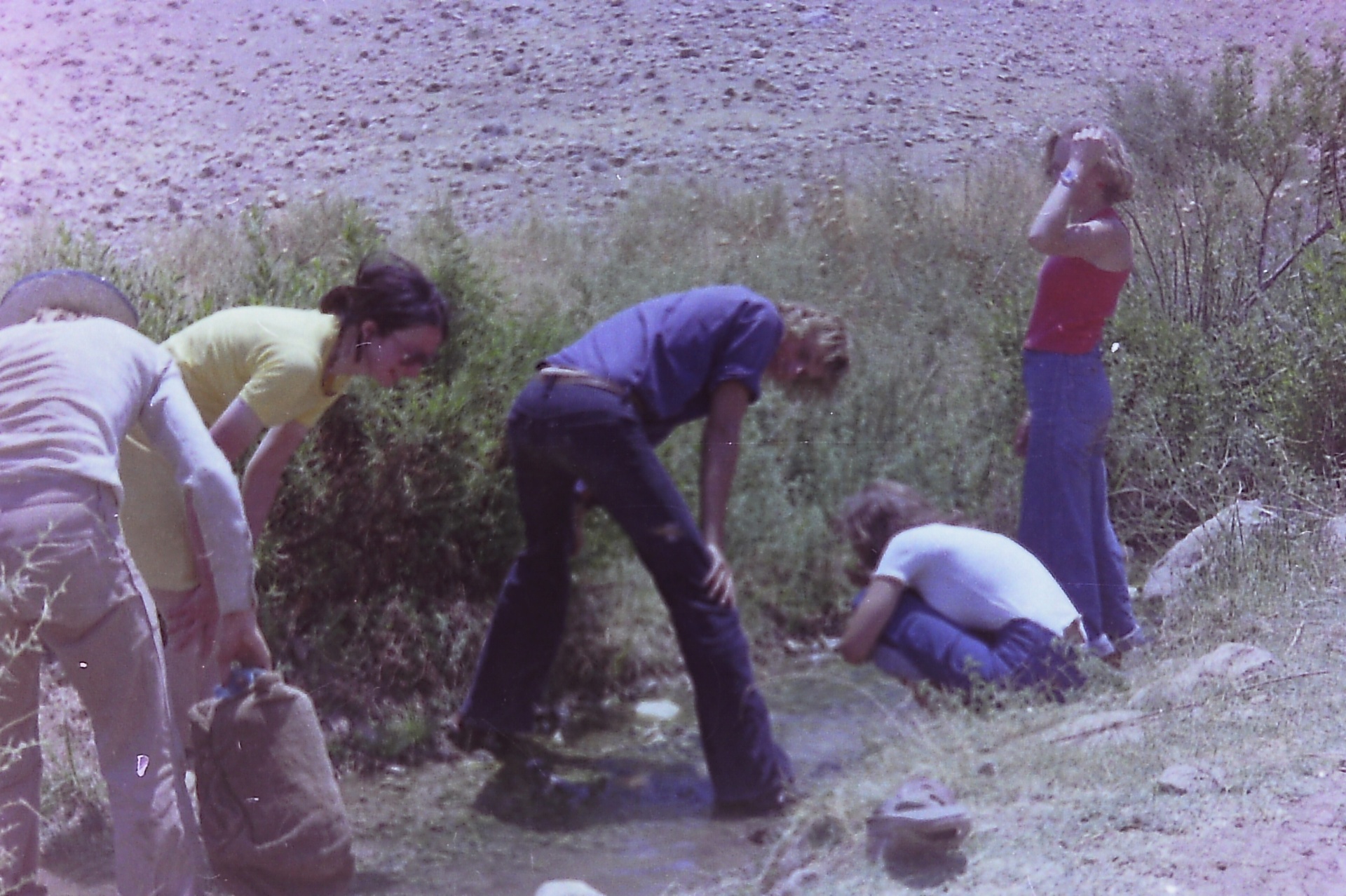
The Ancient Roman Pool Excavation
EXCAVATIONS

The Ancient Roman Pool Excavation

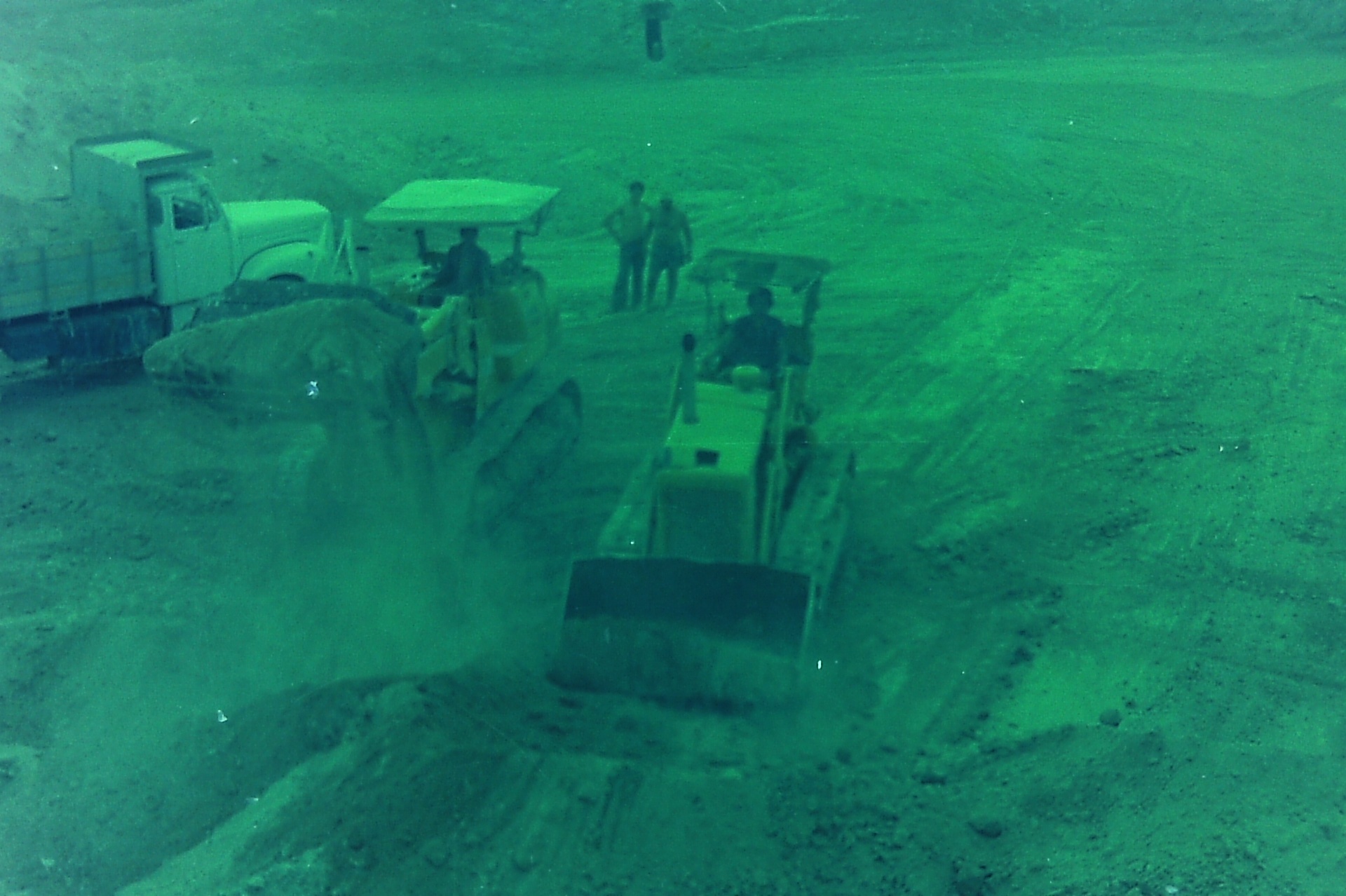
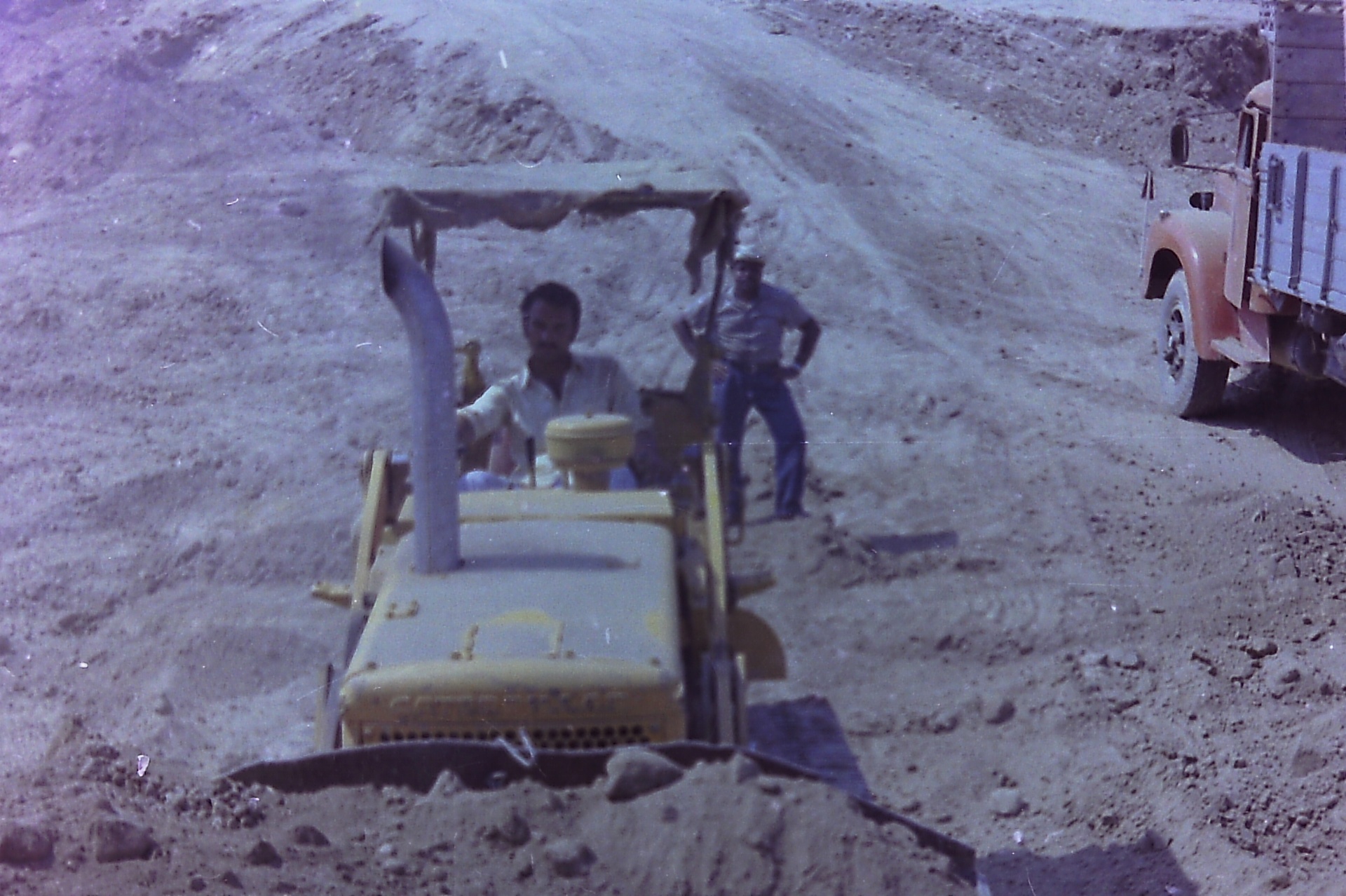
Modernising water — and reviving an ancient reservoir.

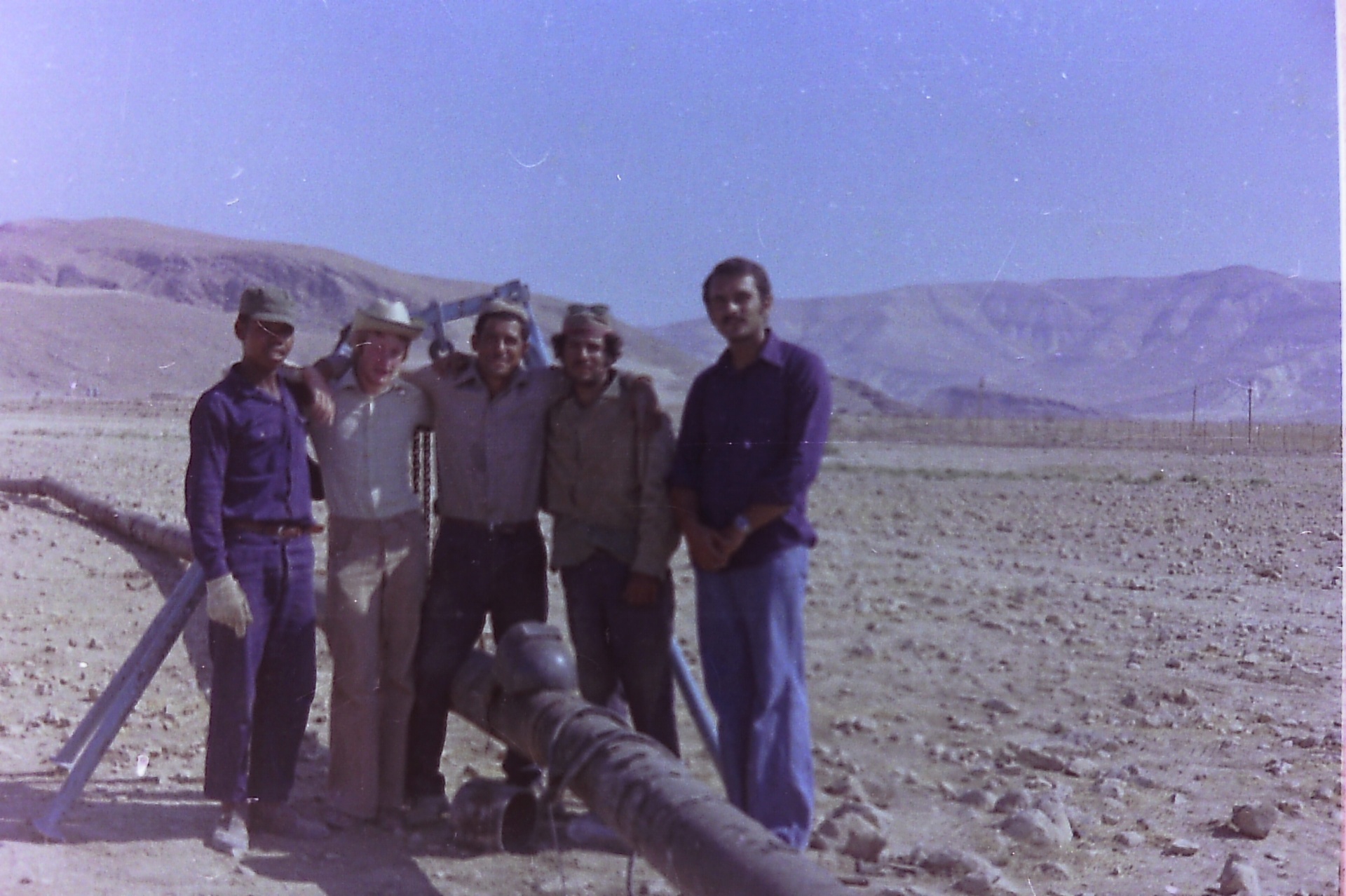
Water Pipelines
INFRASTRUCTURE

Water Pipelines

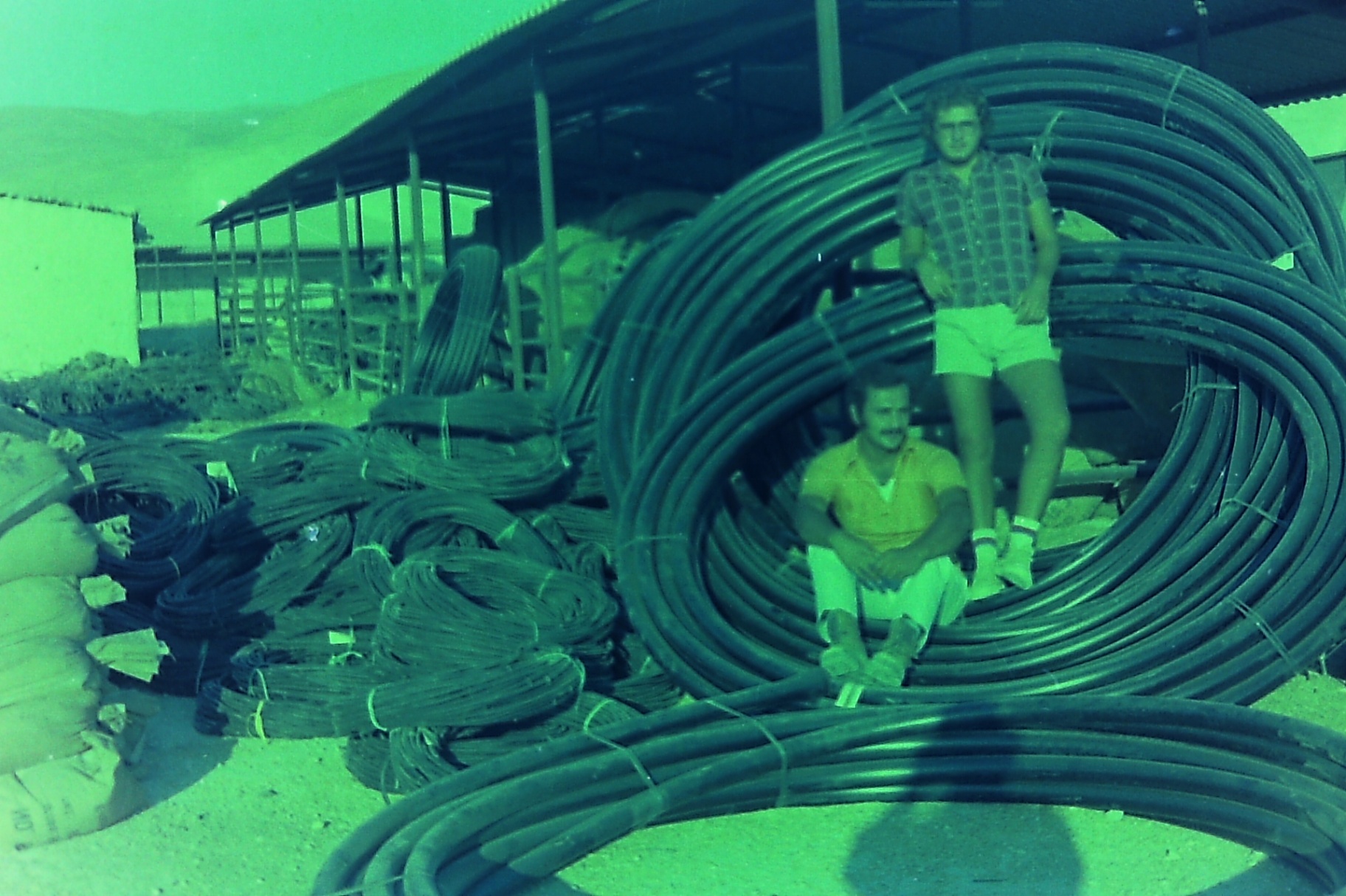
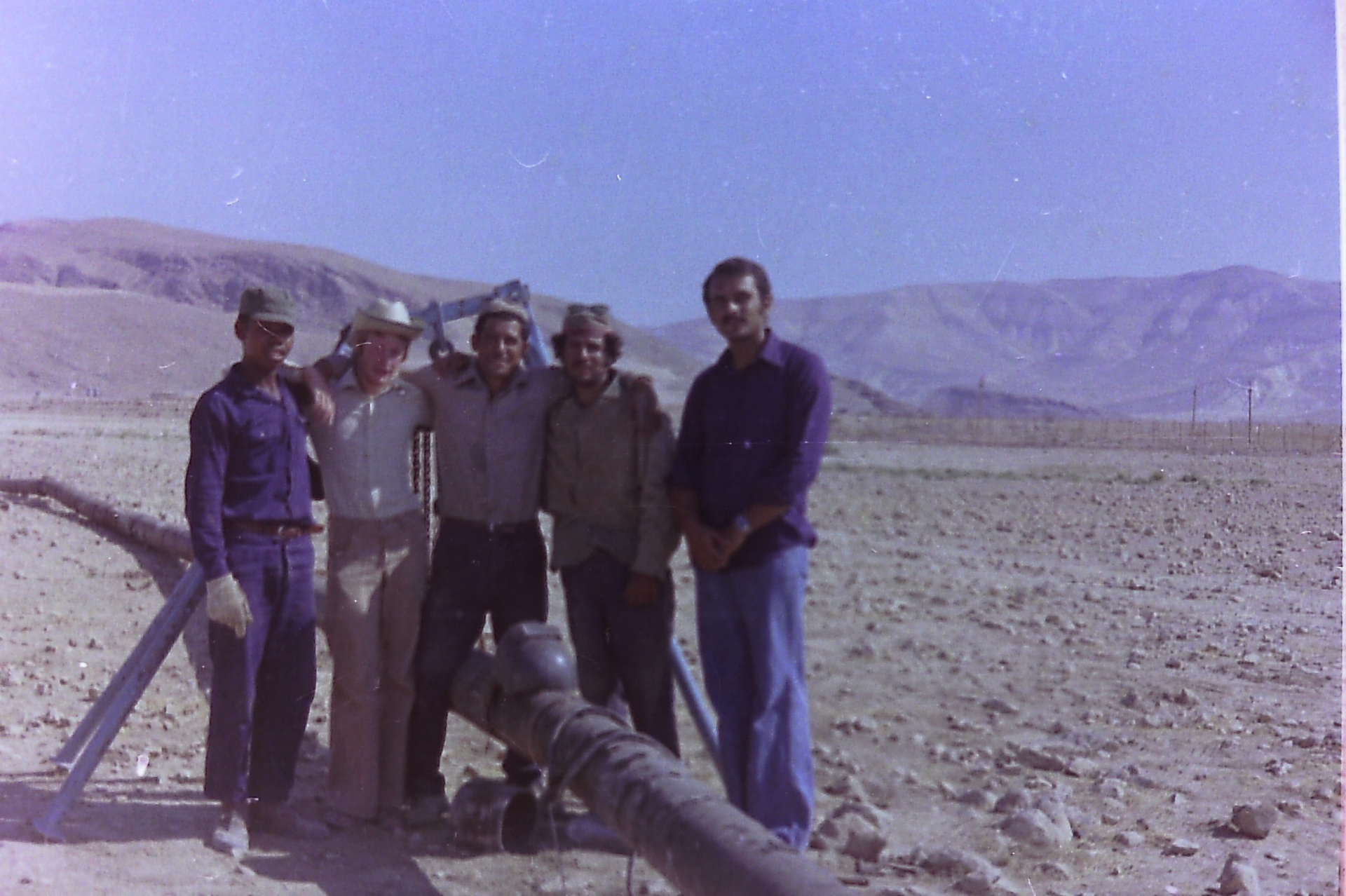
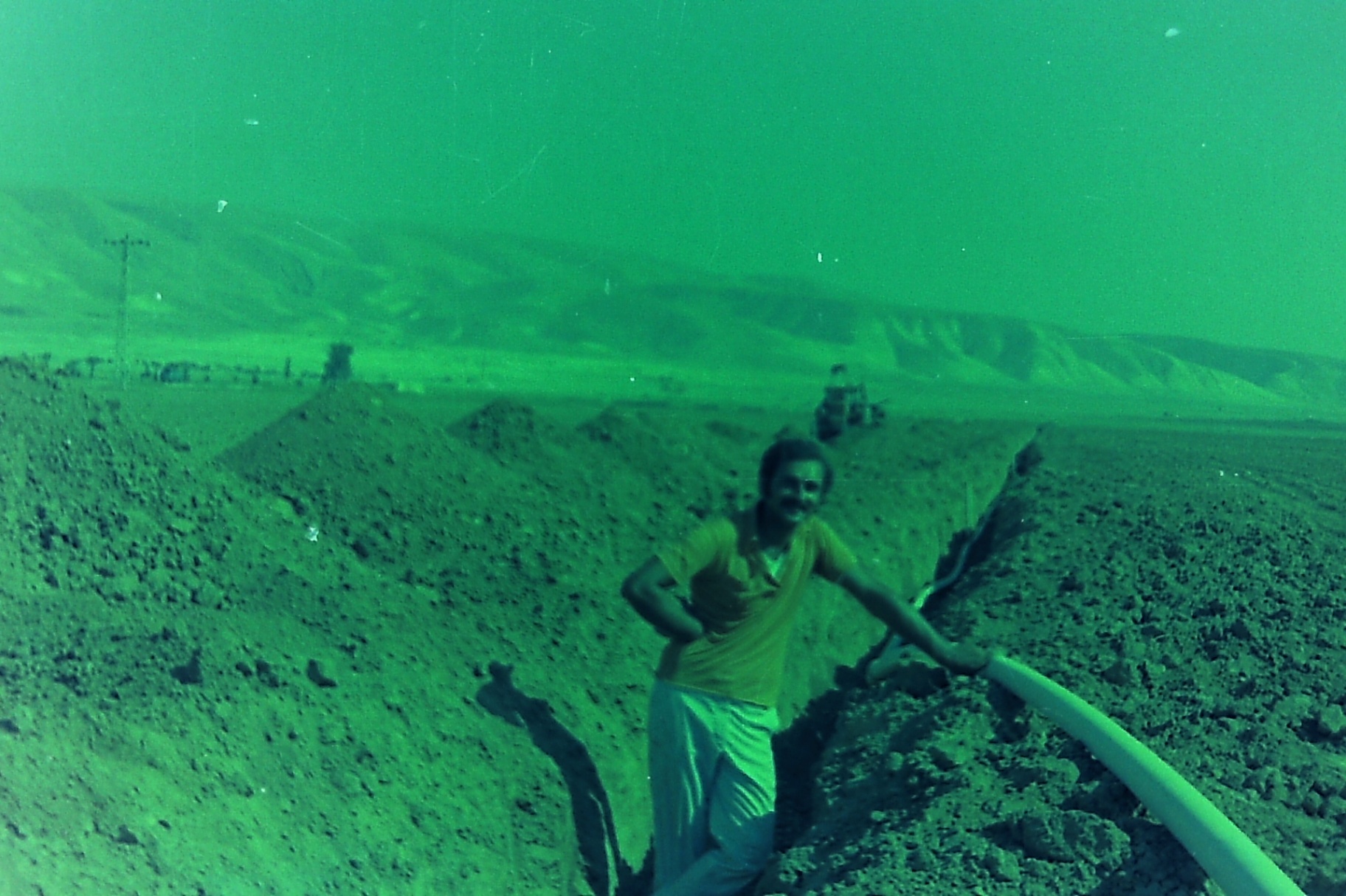
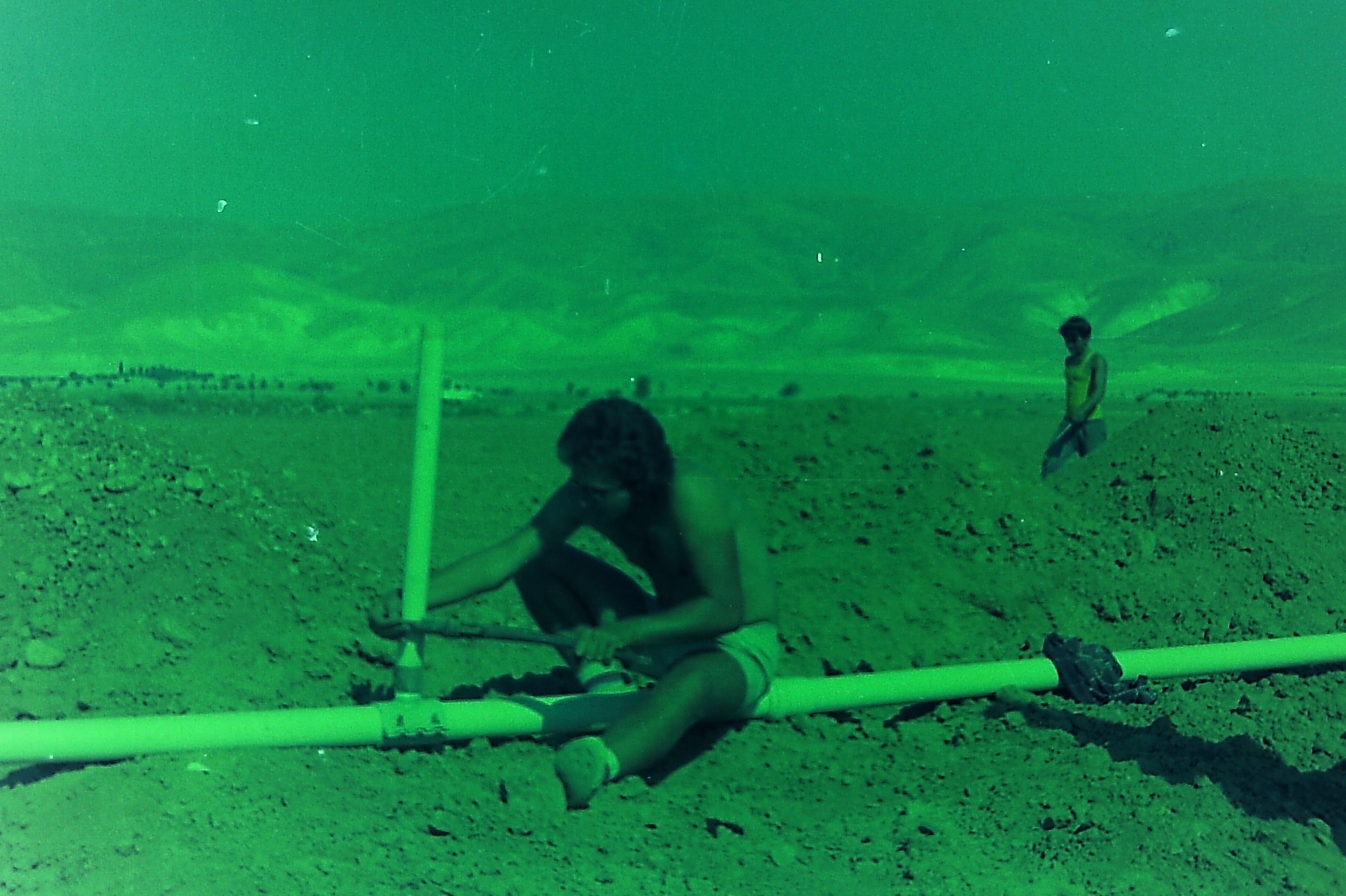
Samsam Al-Nimer laying the irrigation network — Fasayel, late 1970s. The backbone that still waters the land today.

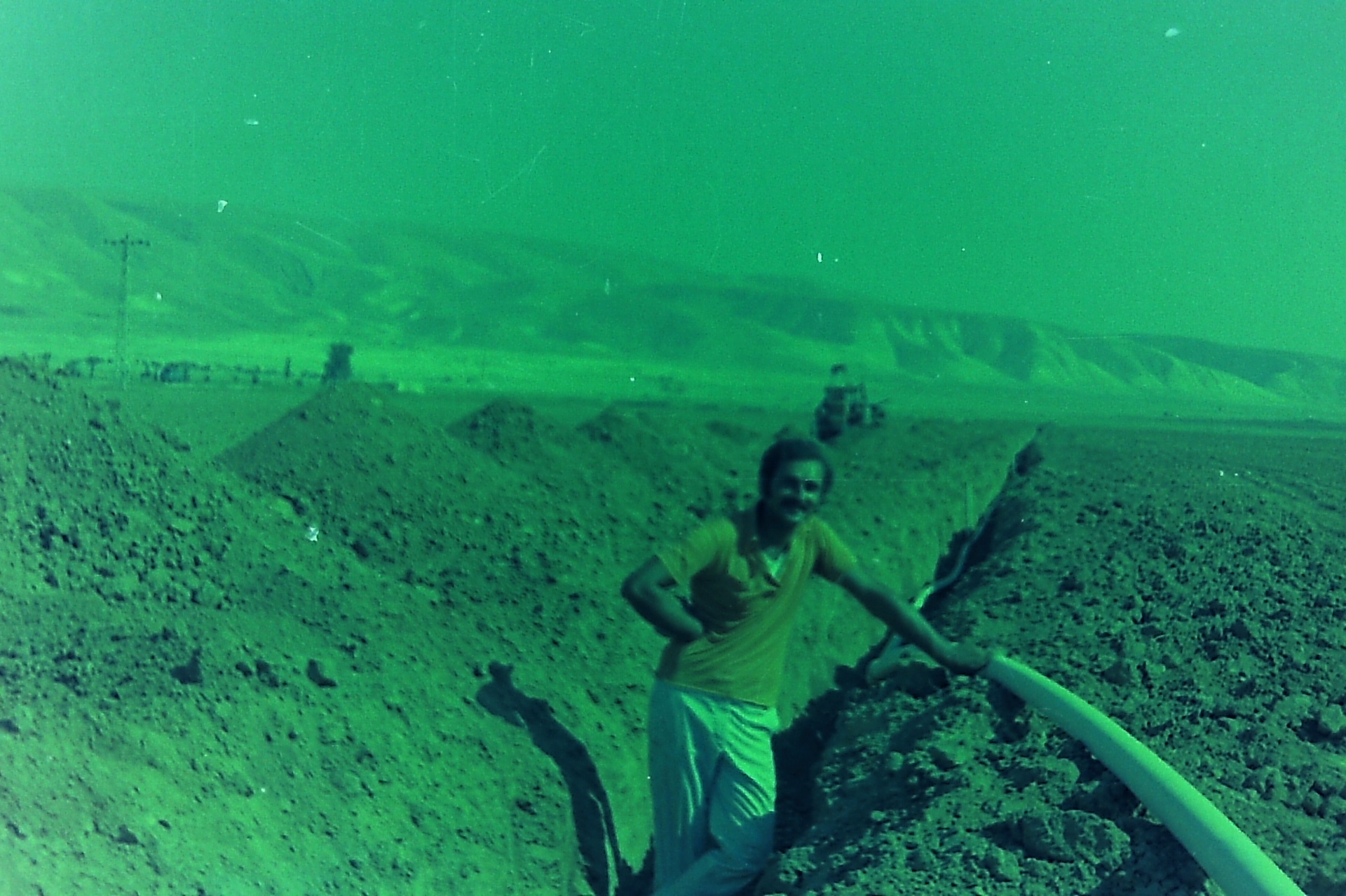
Hands in the Trench
WATER NETWORK

Hands in the Trench

Samsam Al-Nimer laying the irrigation network — Fasayel, late 1970s. The backbone that still waters the land today.

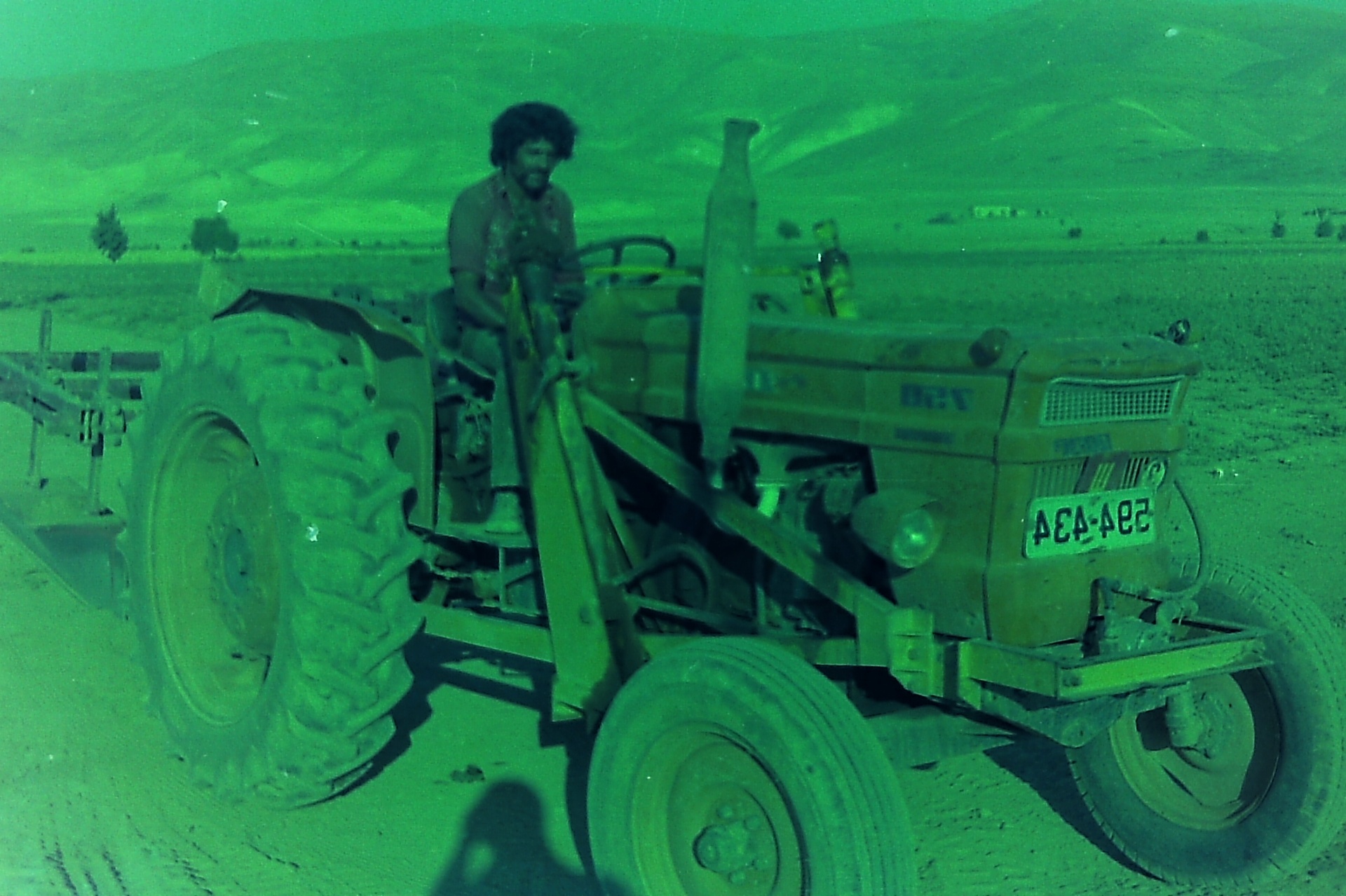
Wheat Harvest
PRODUCTION

Wheat Harvest

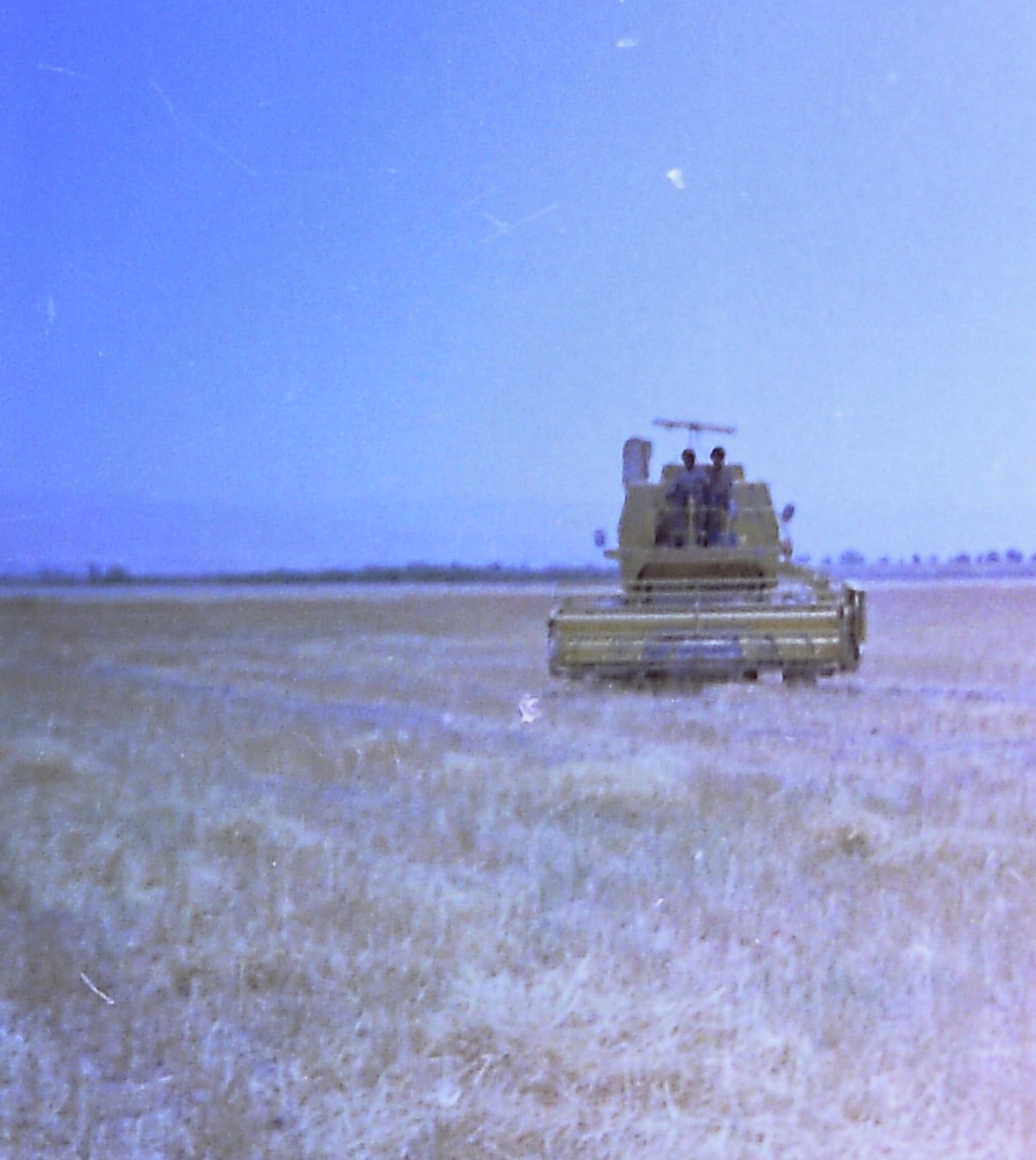
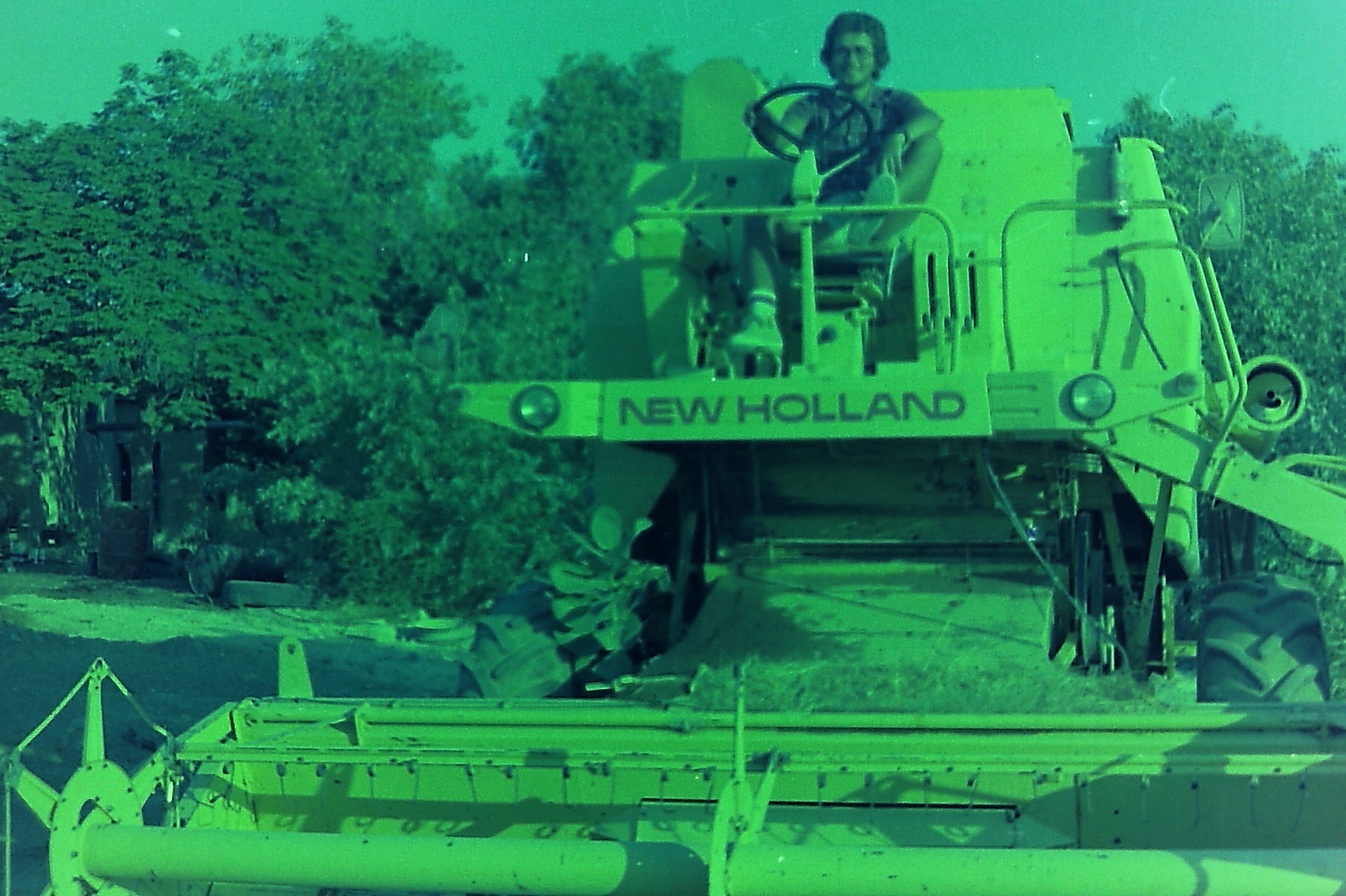
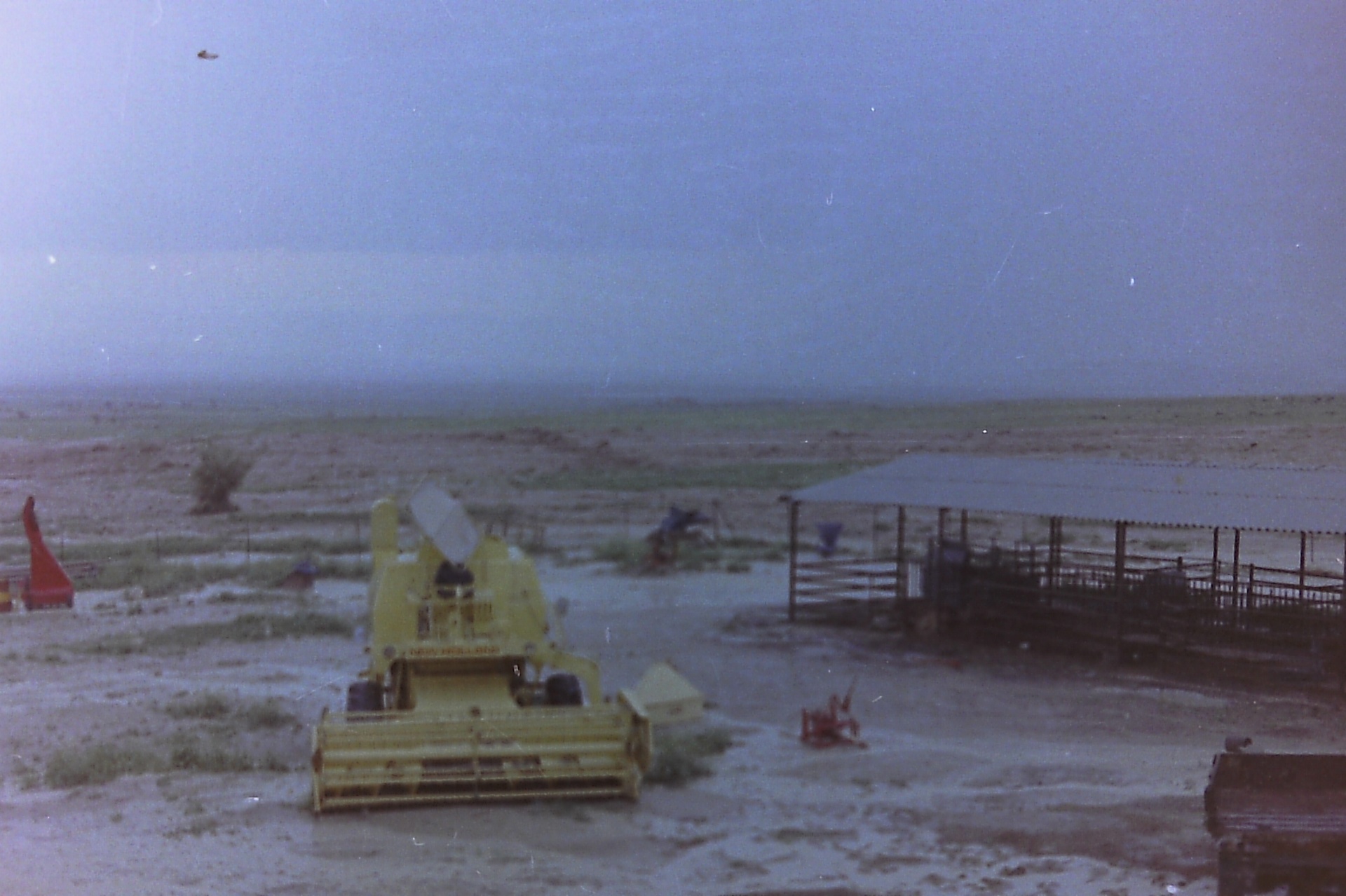
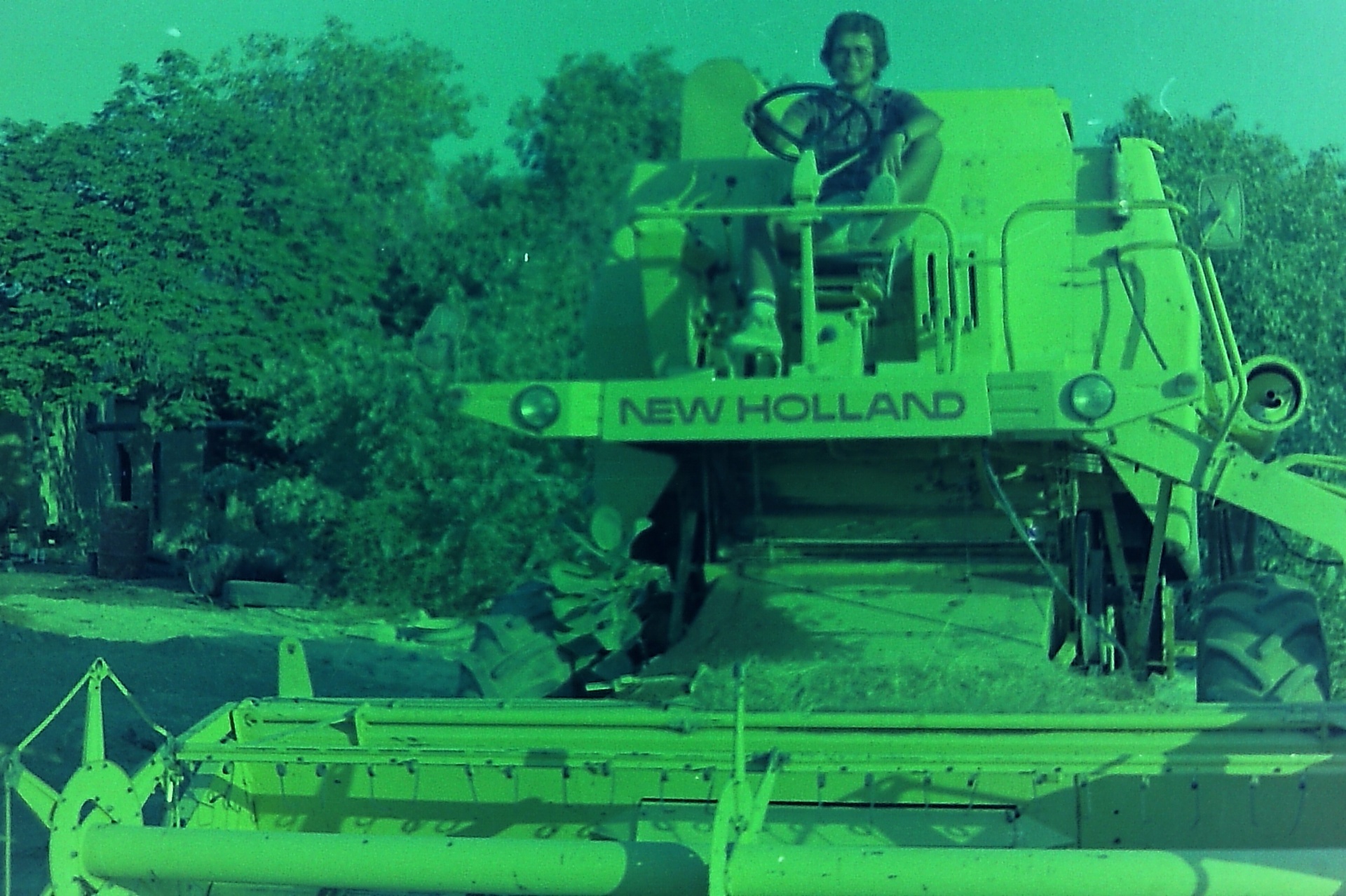
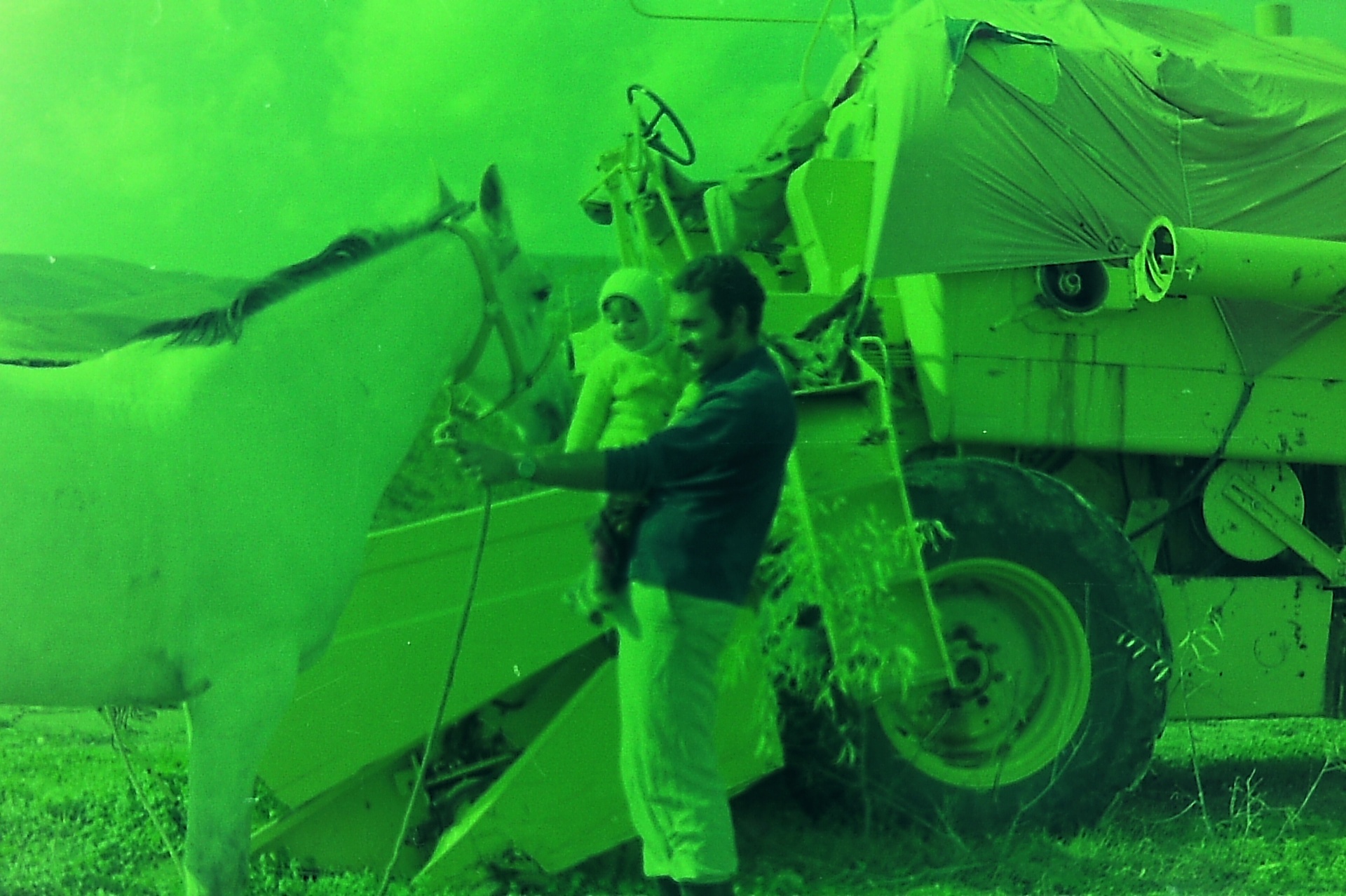
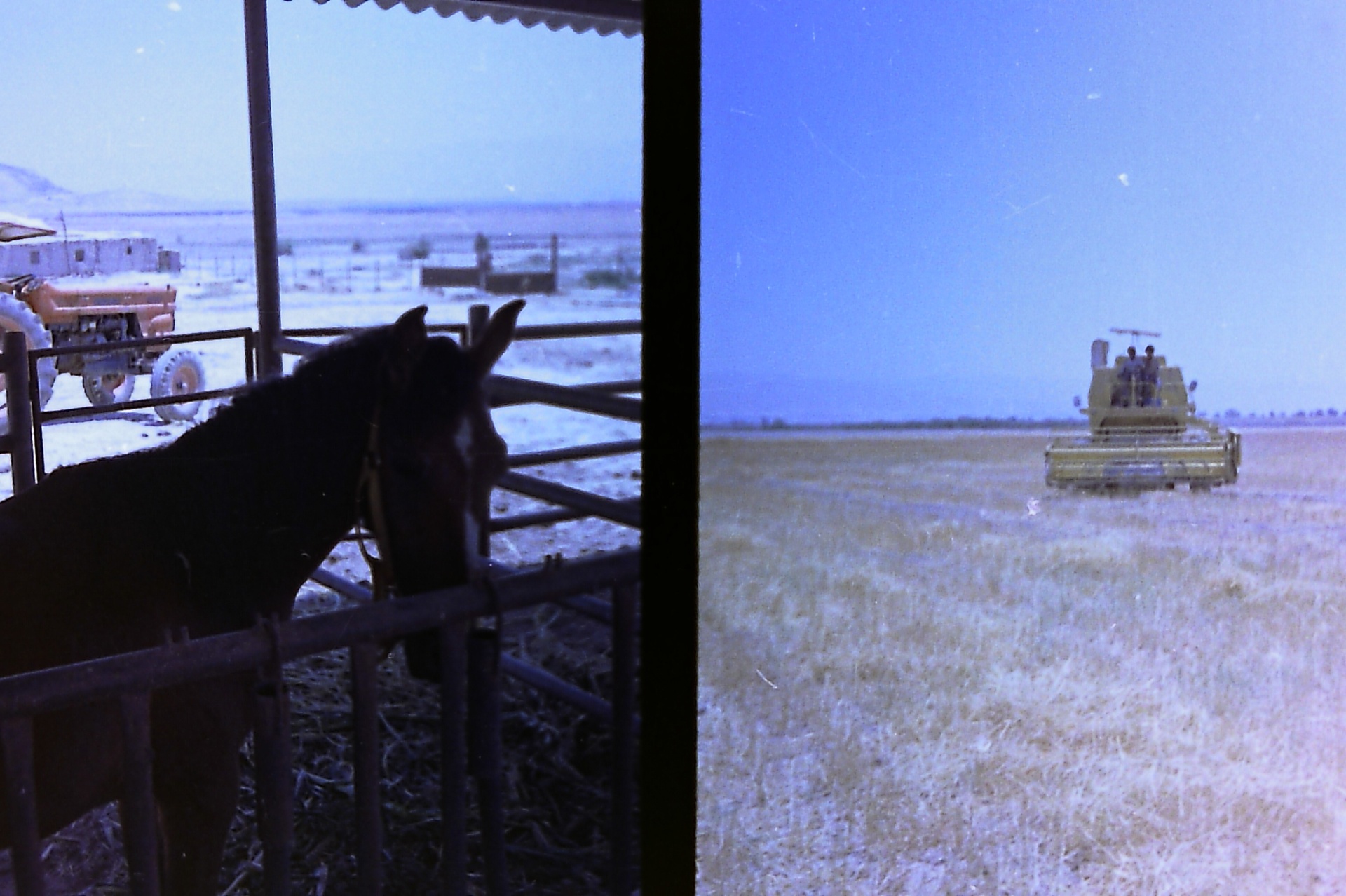
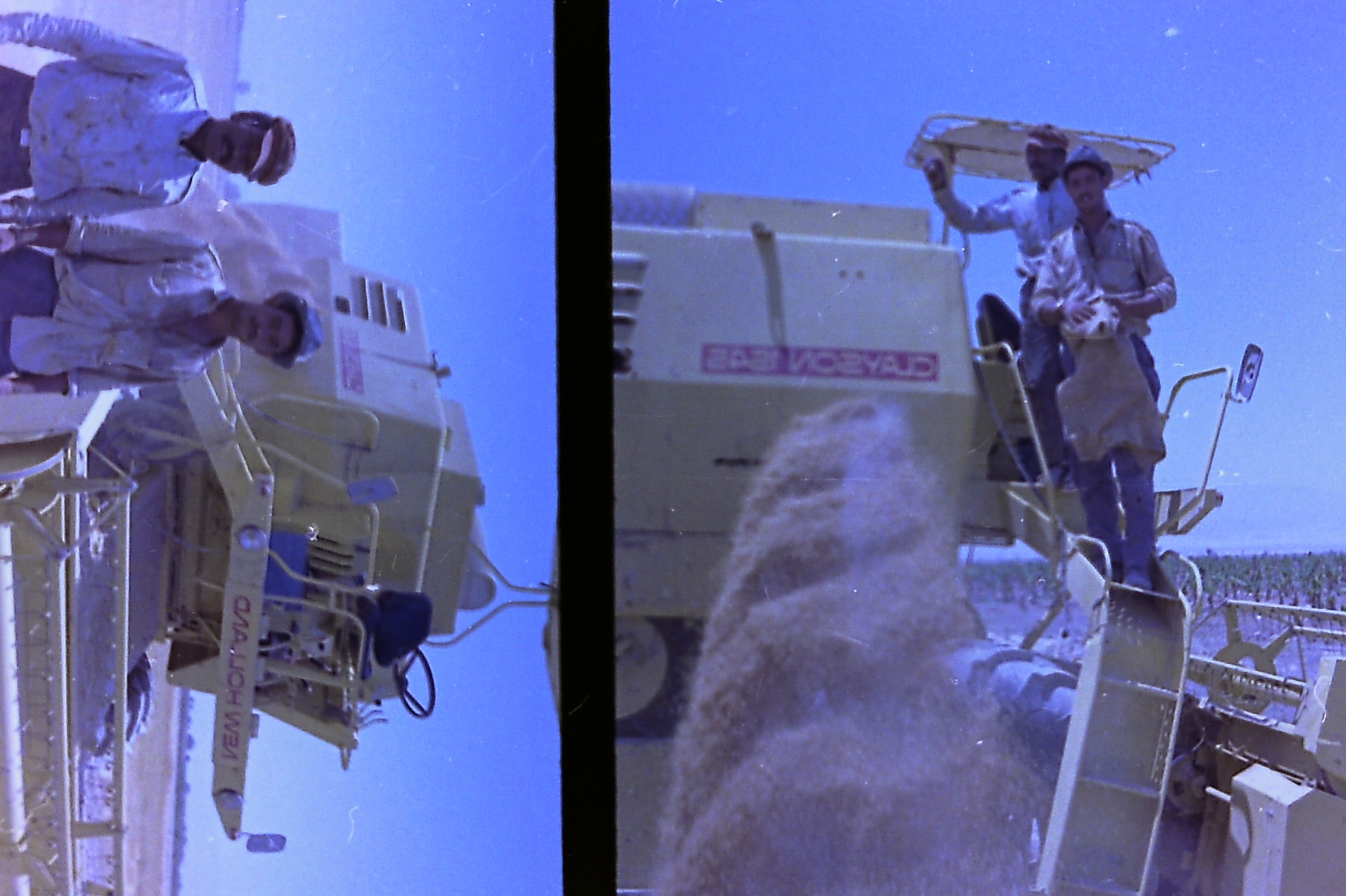
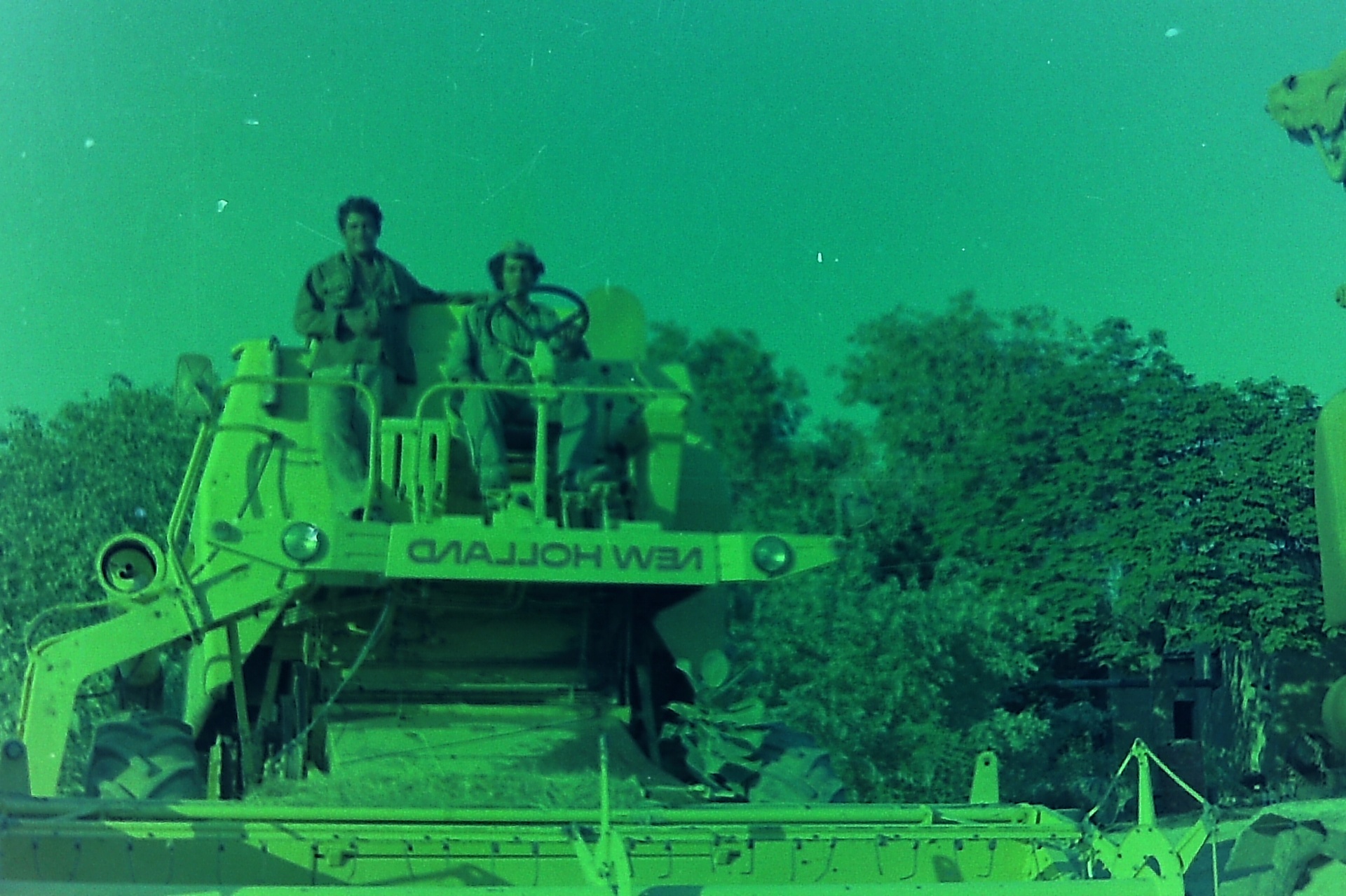
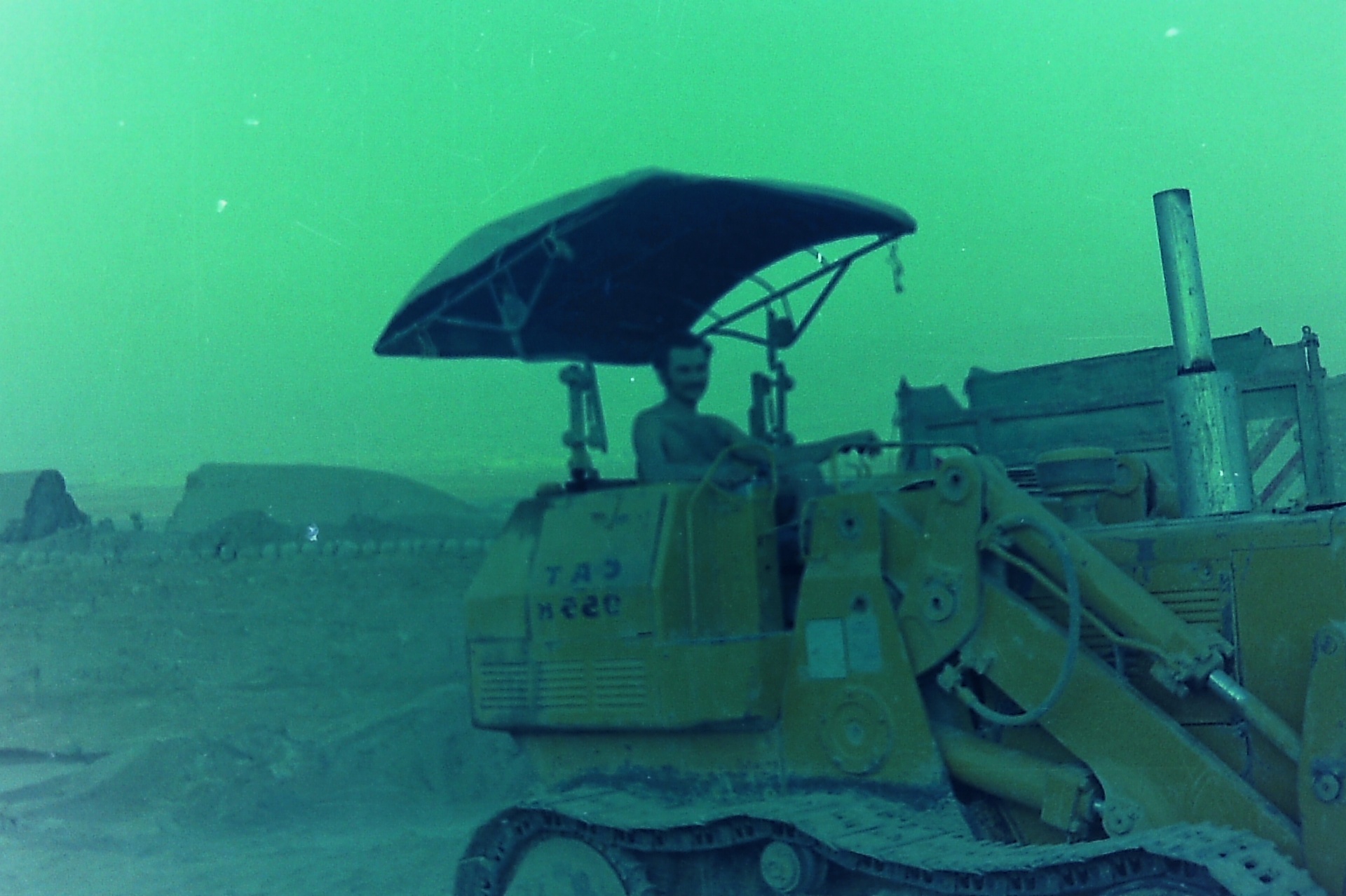
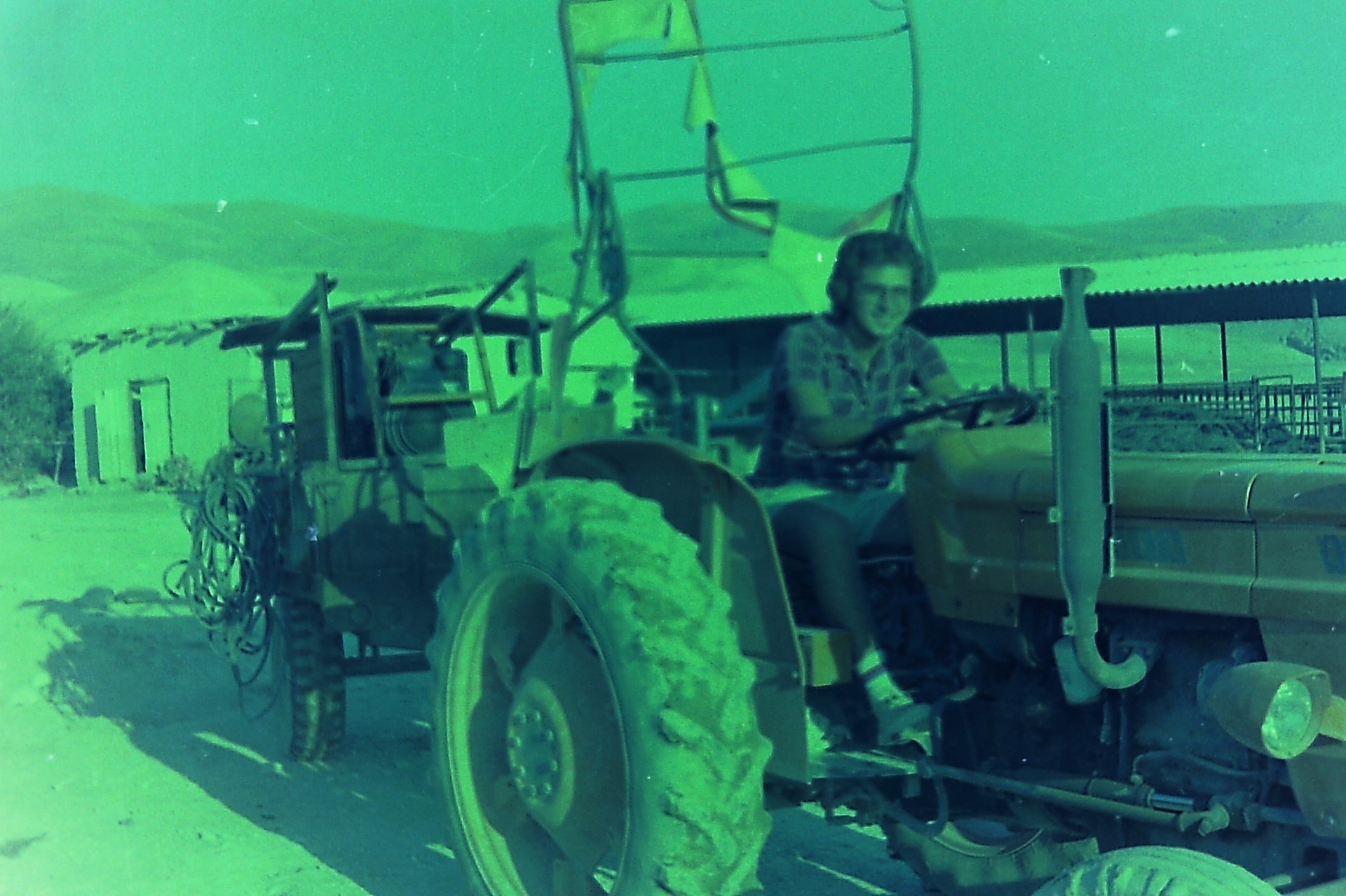
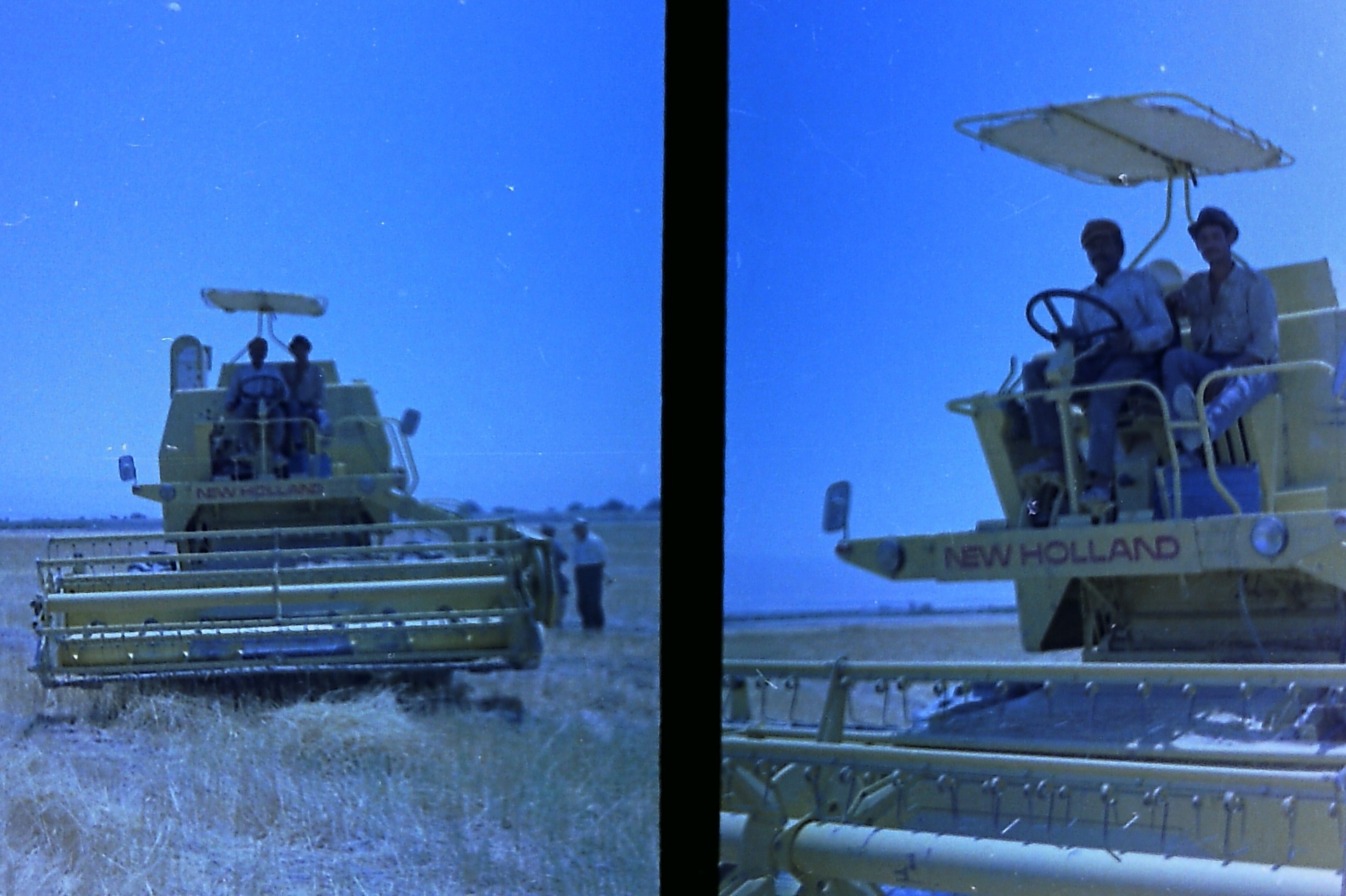
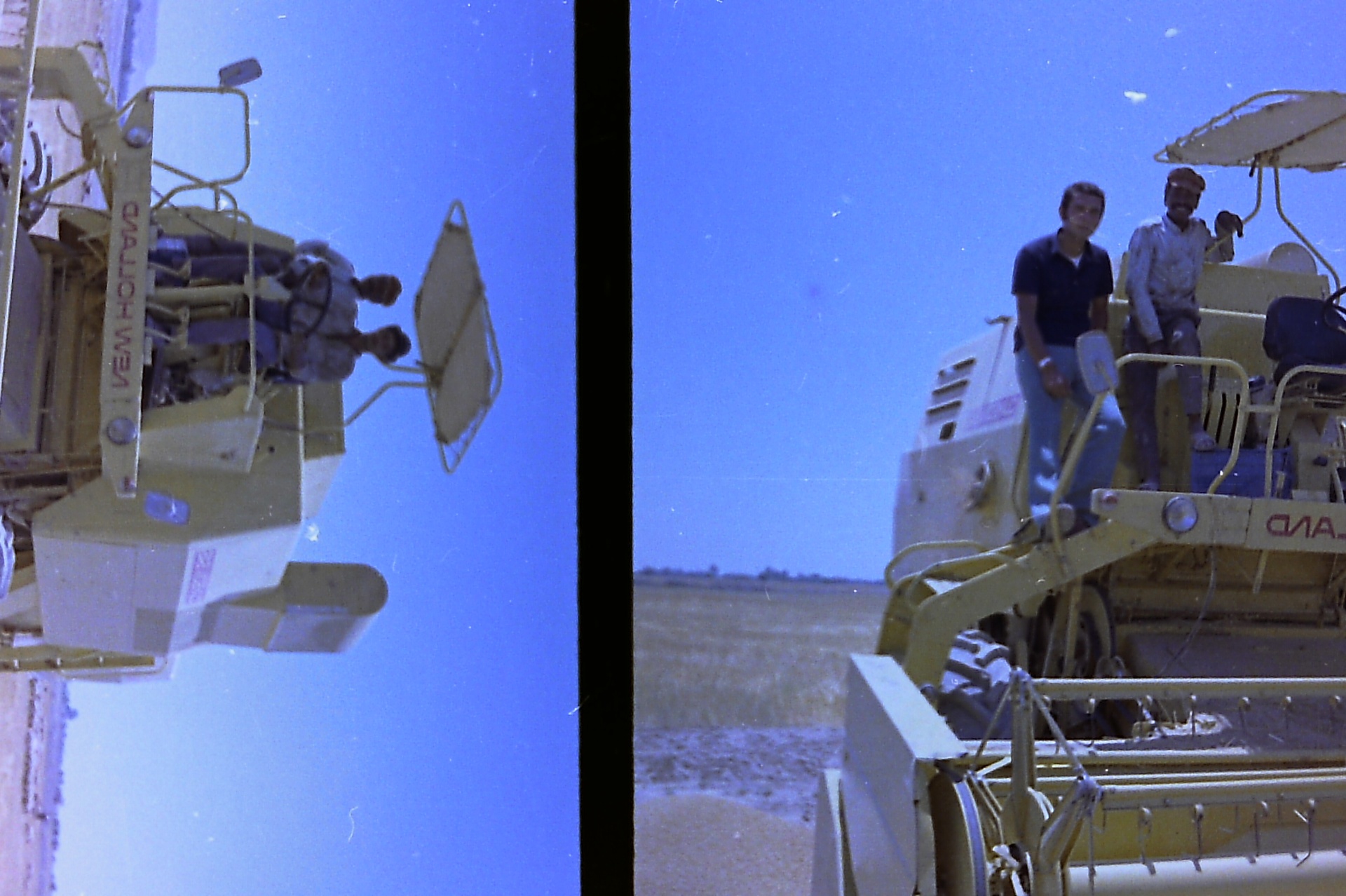
Saad on the Wheat combine harvester, an essential element of Fasayel's Legacy.

Samsam & Saad — The Drip Lines
DRIP IRRIGATION

Samsam & Saad — The Drip Lines

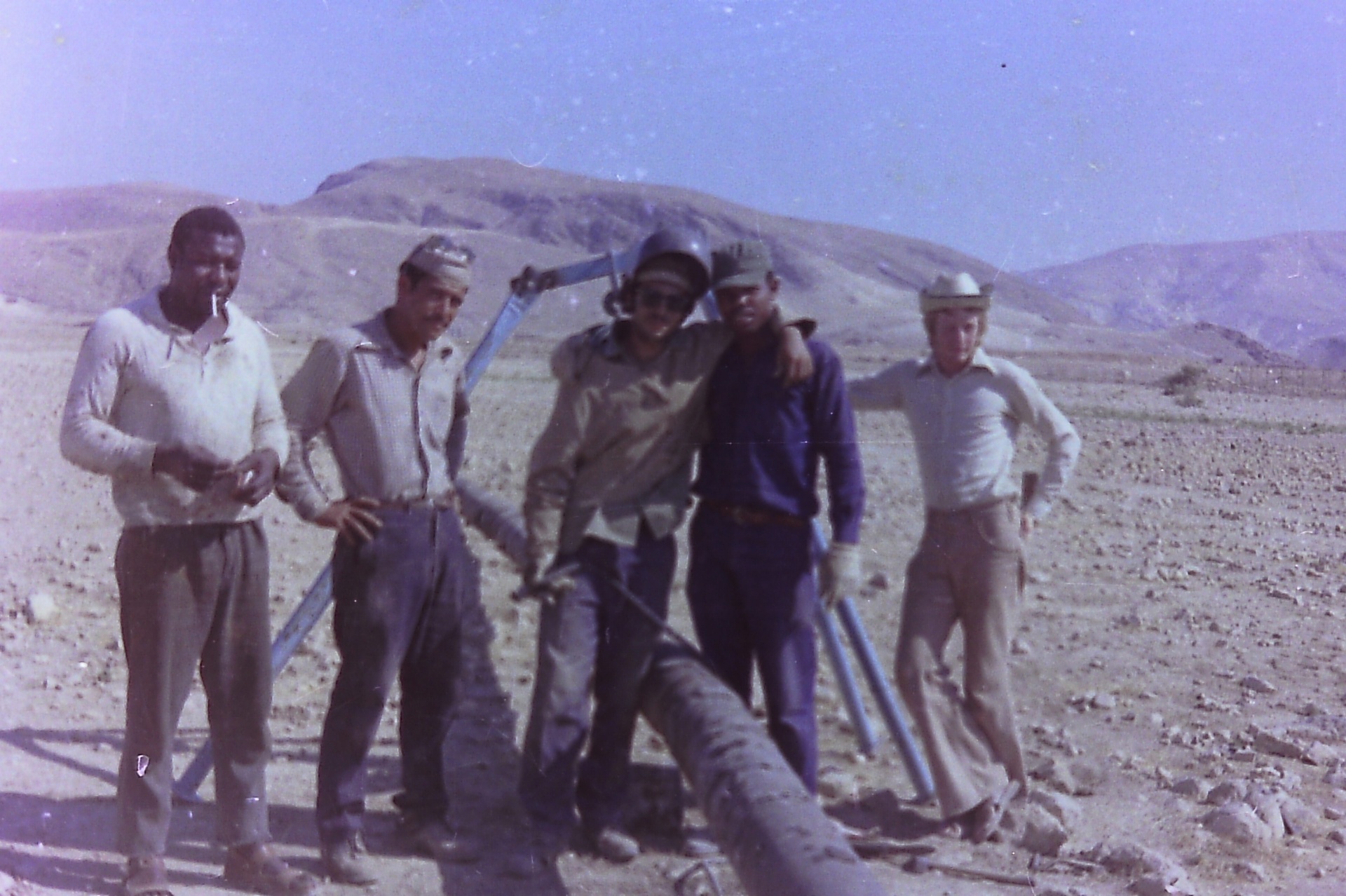
Late 1970s — the pipes that modernised water delivery across Fasayel.

Fasayel's First Vines
FIRST VINES

Fasayel's First Vines

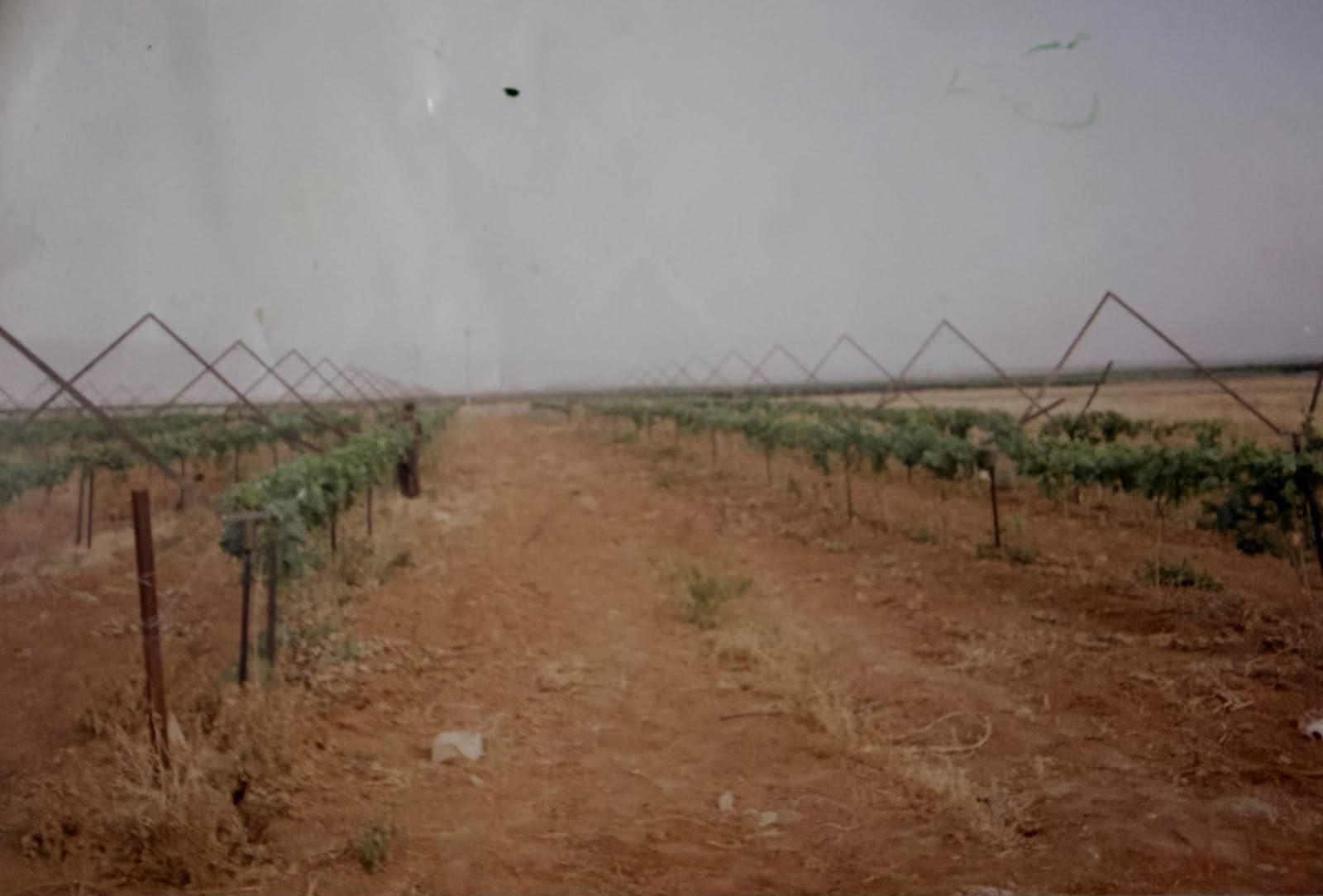
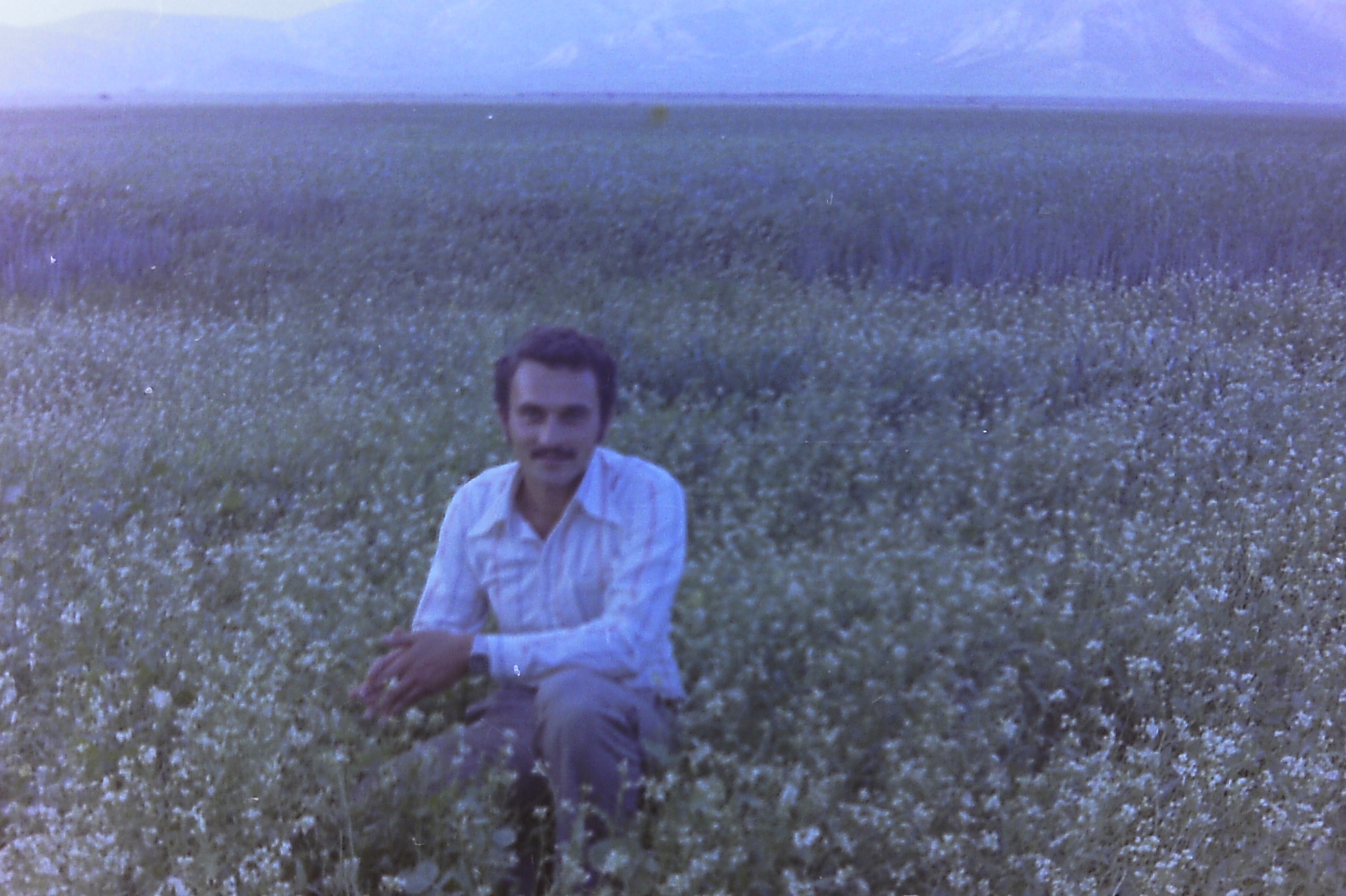
1996 — Saad Al-Nimer walks Fasayel's first grape rows. These same vines, tended for nearly thirty years, still bear fruit today.

Saad Al-Nimer standing among the Medjoul date palms in Fasayel — the orchard he planted in 2015 and still tends today.
IVChapter Four · Fasayel Farms Today

The legacy continues.

The same land. The same family. A modern farm built on a century of foundations. Today Fasayel Farms spans more than 2,800+ family-owned dunums, with over 830 actively cultivated — one of the oldest continuously operated holdings in the Jordan Valley. It was Saad Al-Nimer who, from the 1990s onward, planted the grape vineyards, expanded the greenhouses, personally supervised the watermelon seasons, and in 2015 planted the first of what are now more than 3,150+ Medjoul palms across 280 dunums. What Saad built is considered the second great breakthrough in Fasayel's history — the first being Fahmi's — transforming the land into its greenest, most productive chapter yet, and still expanding. In 2016, Fahmi's central well was cleared and watered the land again after twenty years asleep. The spring, the underground pipeline, the new irrigation — they all still work, together. The legacy continues, and the land keeps growing.

Fasayel's Water Well Returns
The Well

Fasayel's Water Well Returns

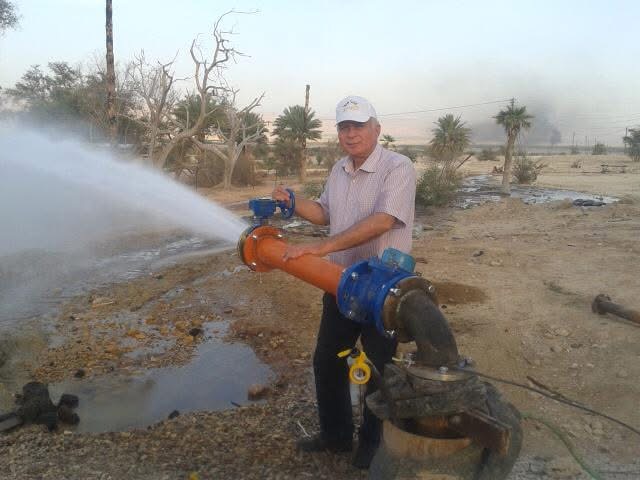
In late 2014, the central well — silent for twenty years — was cleared and ran again, bringing water back to the Fasayel lands.

First Medjoul plantation
PLANTATIONS

First Medjoul plantation

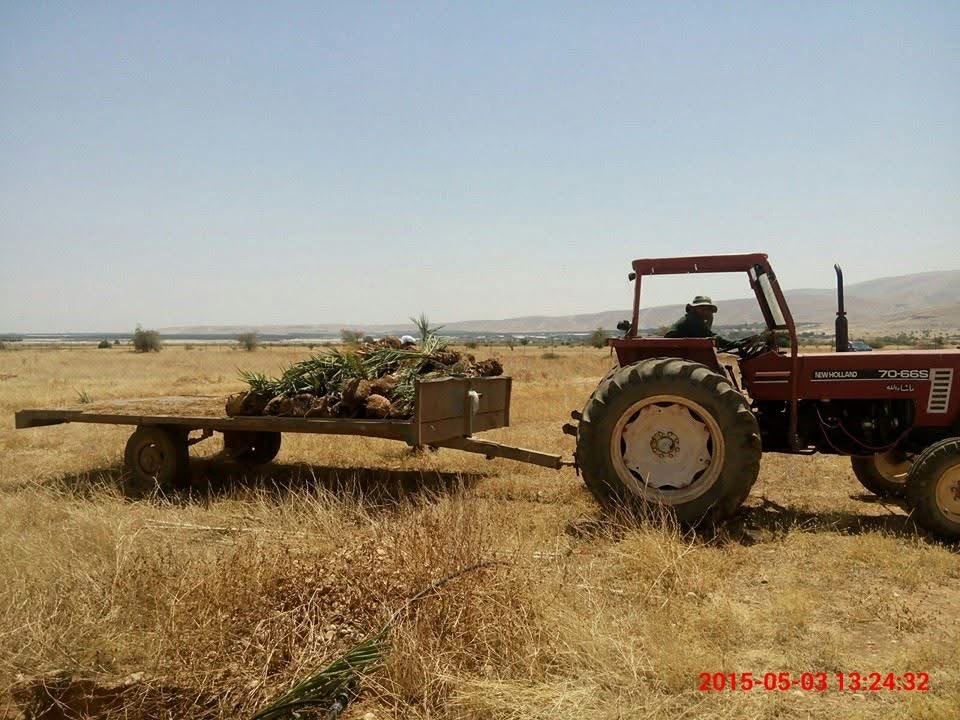
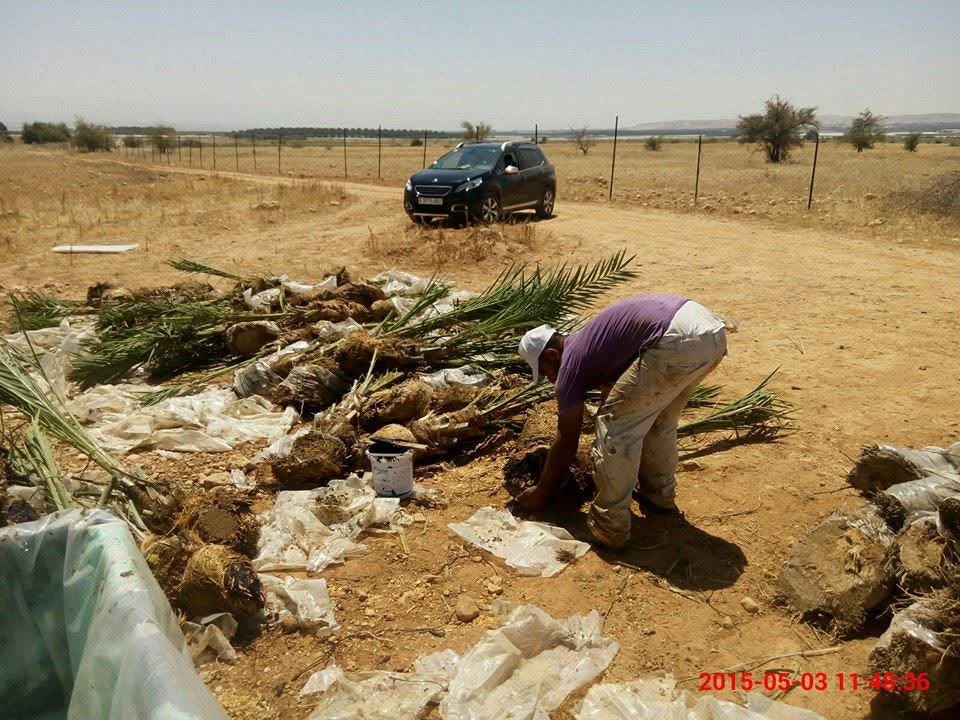
Saad and his sons plant the first young palms across the open land.

Central Pivot Returns
DEVELOPMENT

Central Pivot Returns

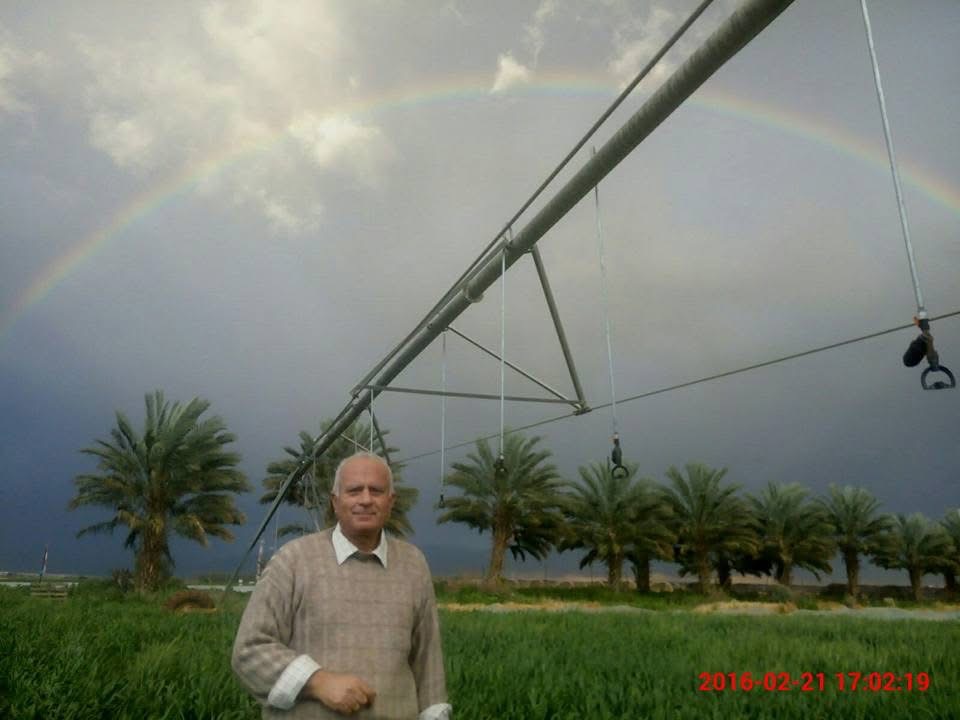
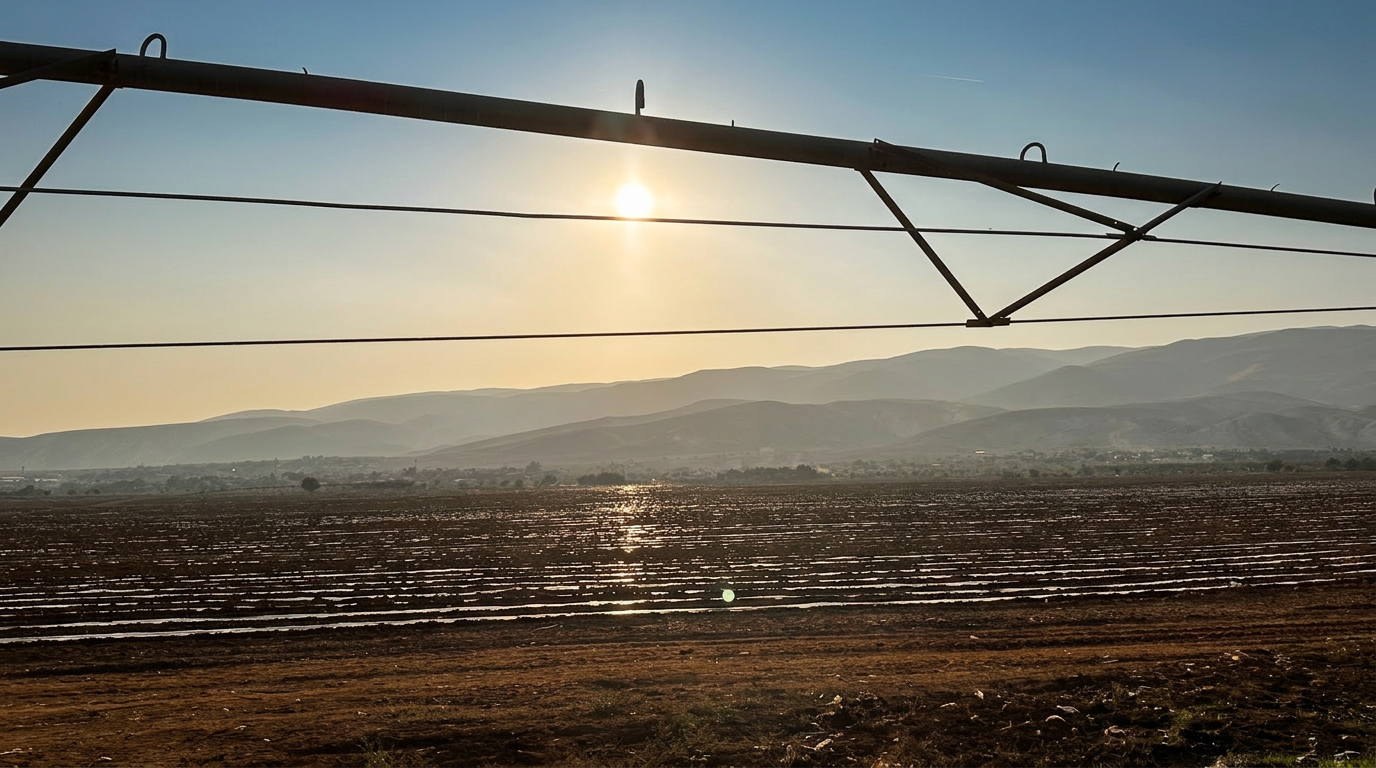
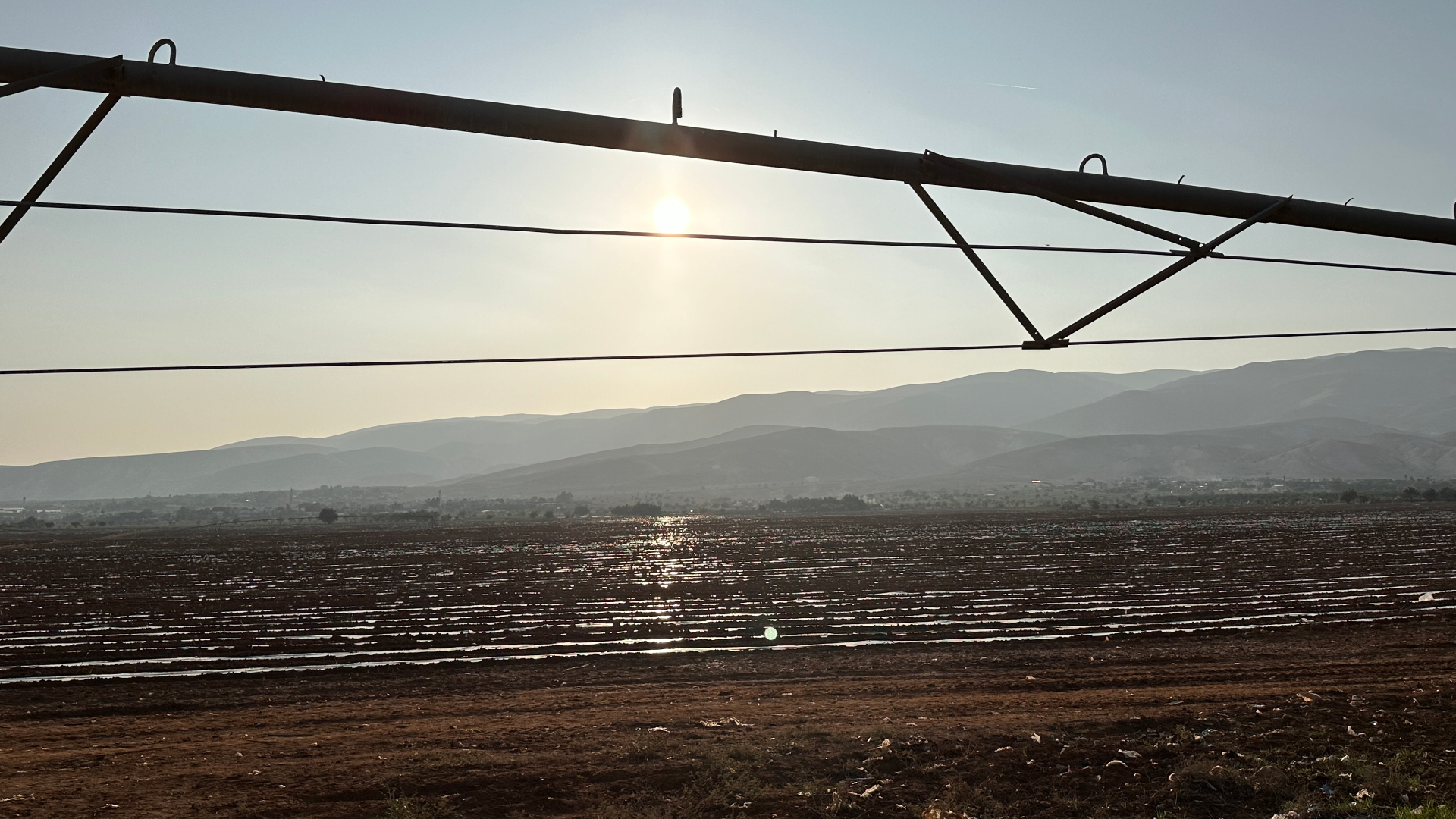
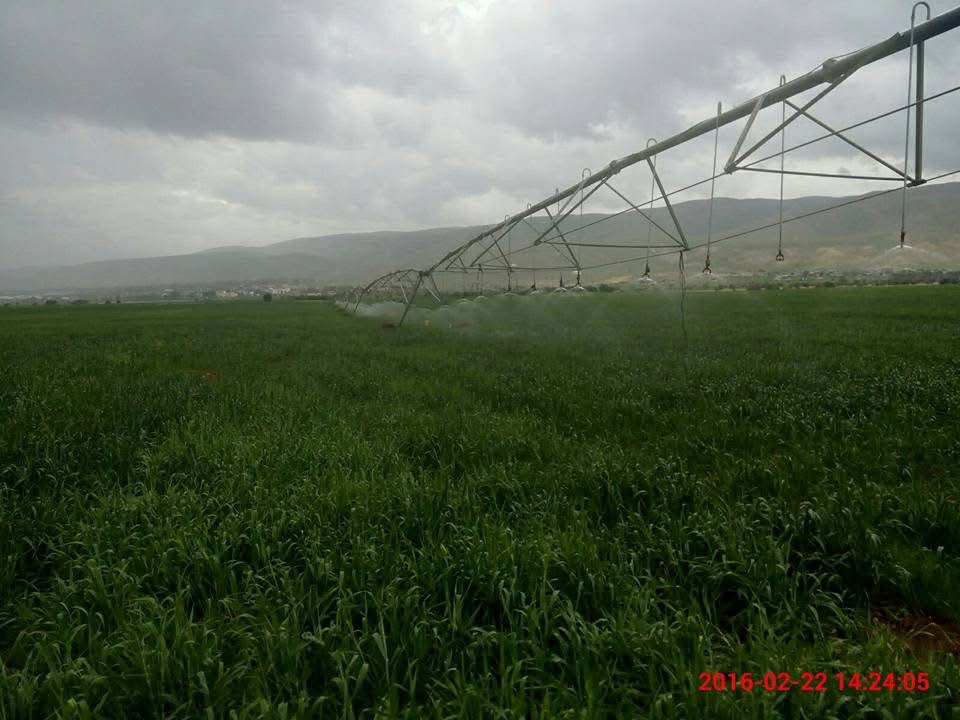
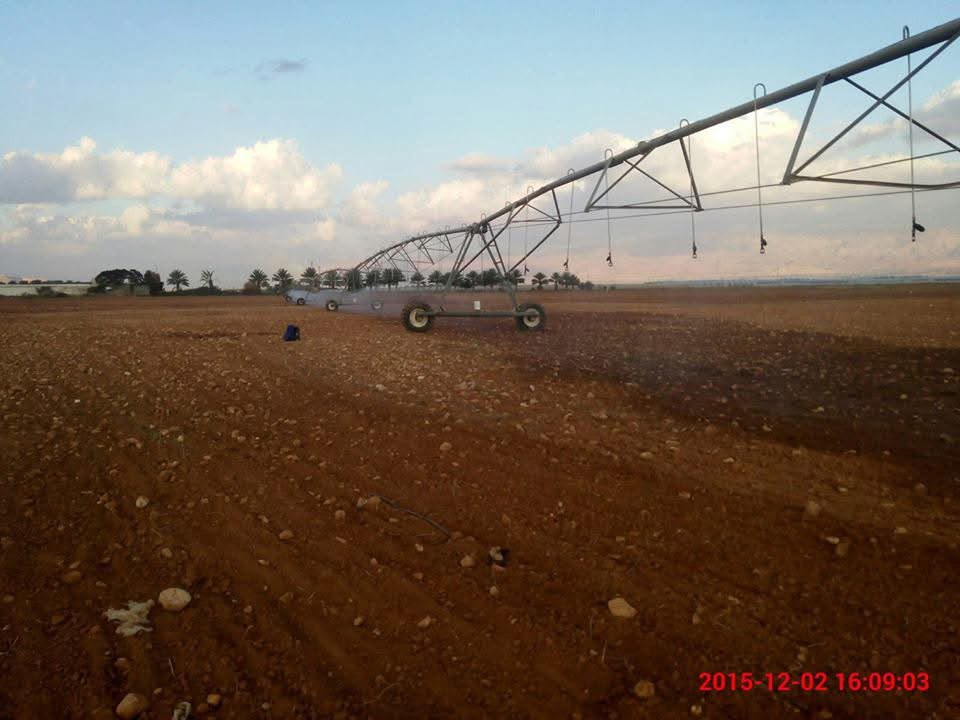
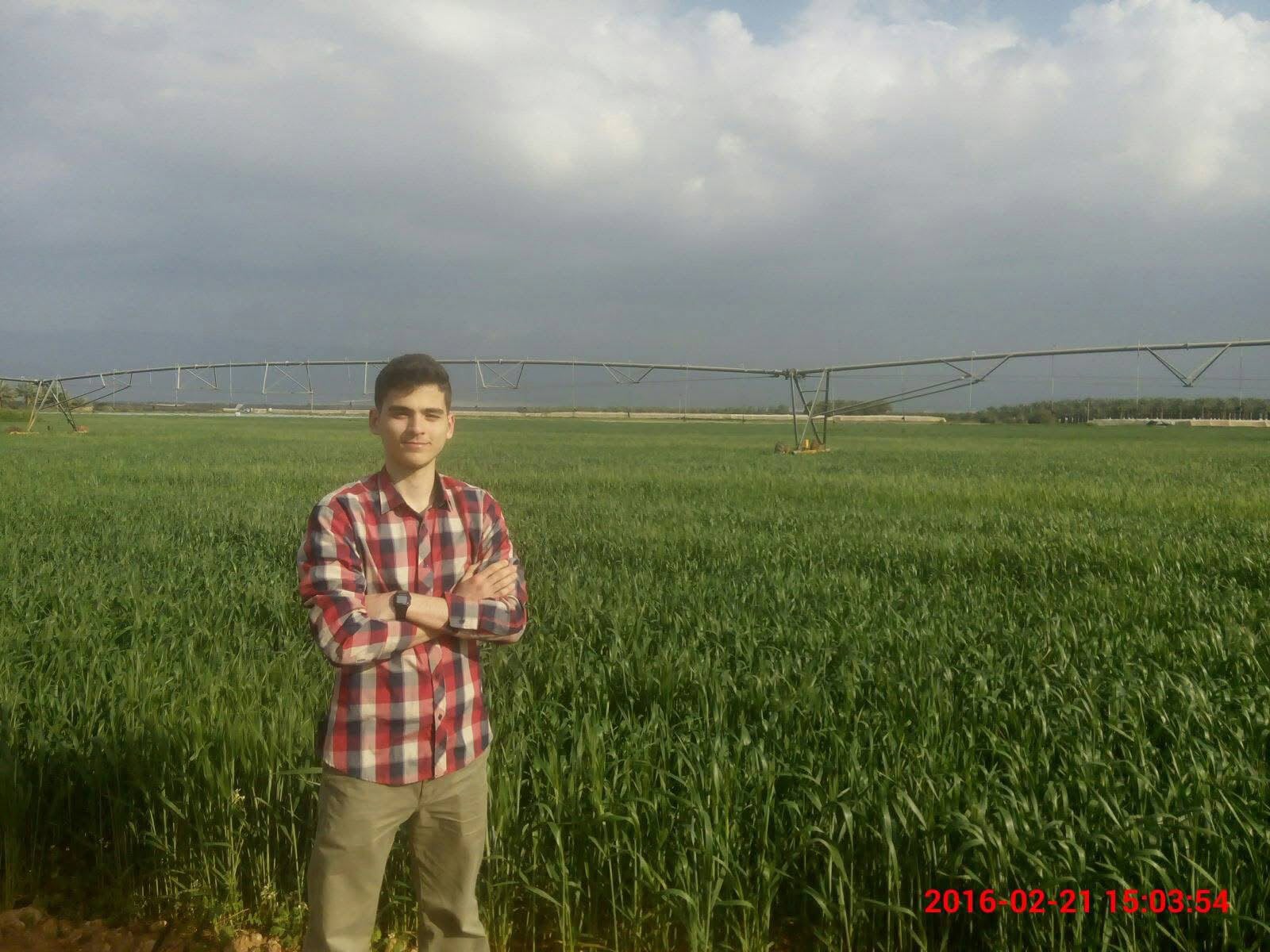
Center-pivot watering the Fasayel wheat — and the central well alive again.

Saad Walks the Young Palms
GROWTH

Saad Walks the Young Palms

Saad Al-Nimer among the first Medjoul palms — shortly after the 2015 planting, the red soil of Fasayel already giving back what was put into it.
Returning to the fields
The Wheat

Returning to the fields

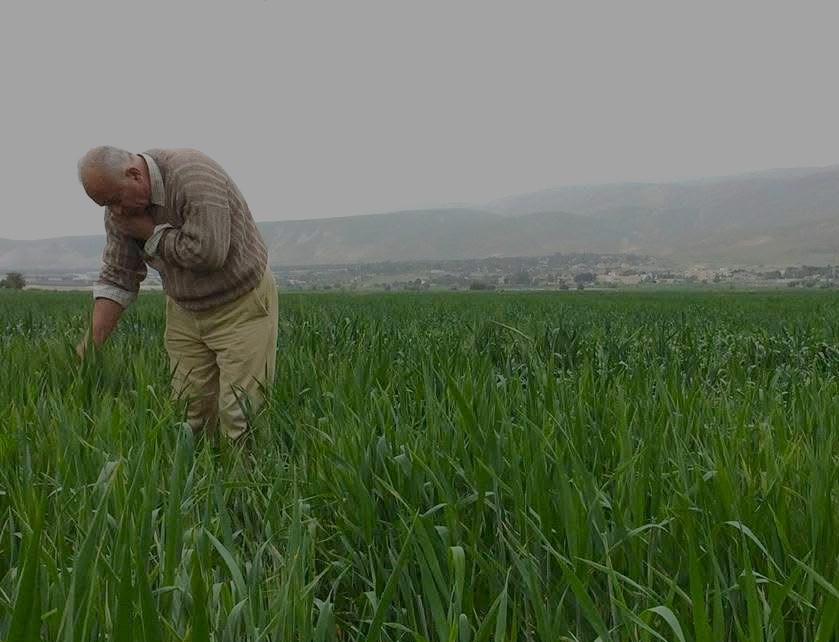
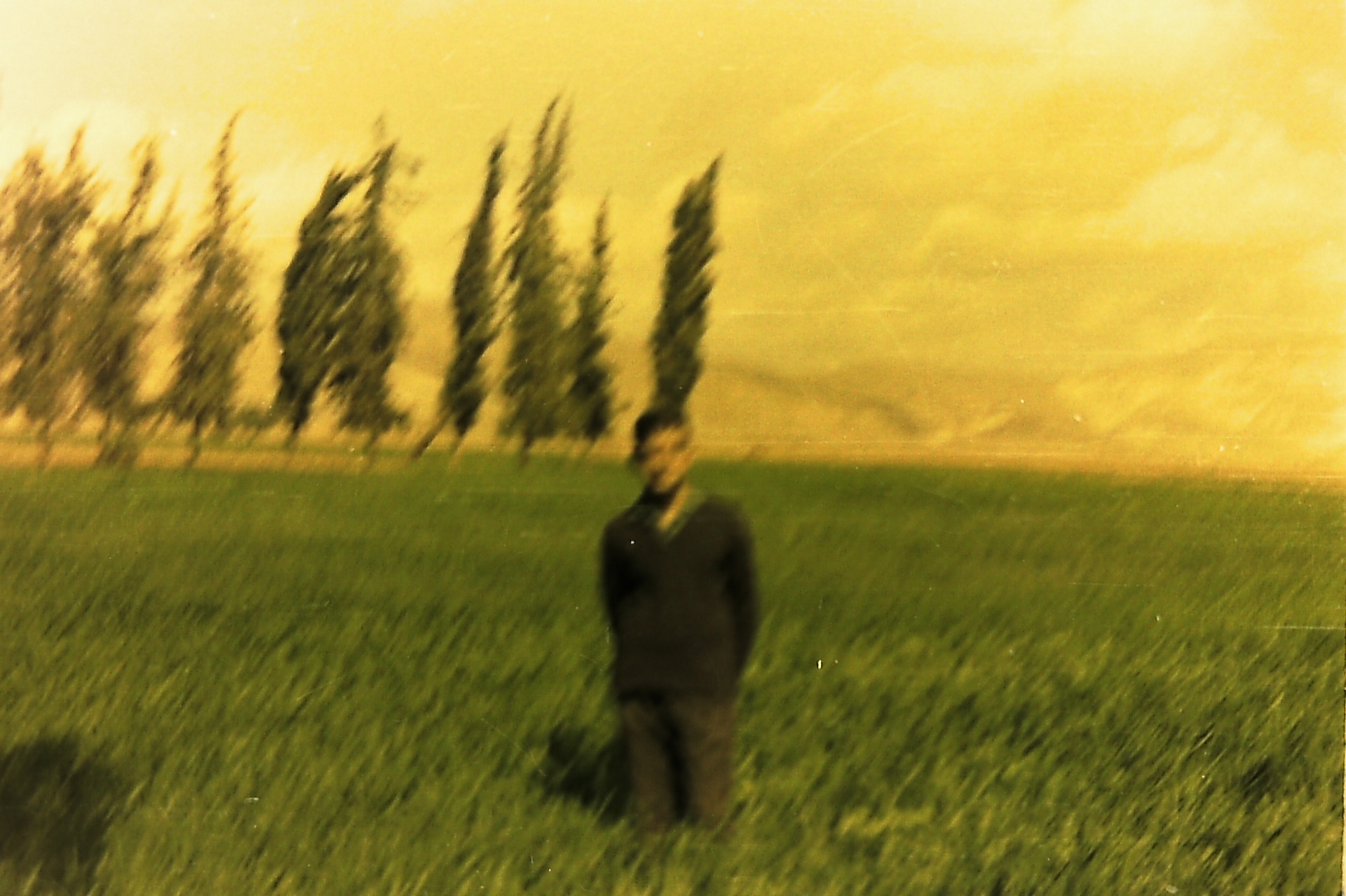
Saad Al-Nimer inspecting the wheat fields — Fasayel, 2016.
Watermelon, vegetables & greenhouses
GREENERIES

Watermelon, vegetables & greenhouses

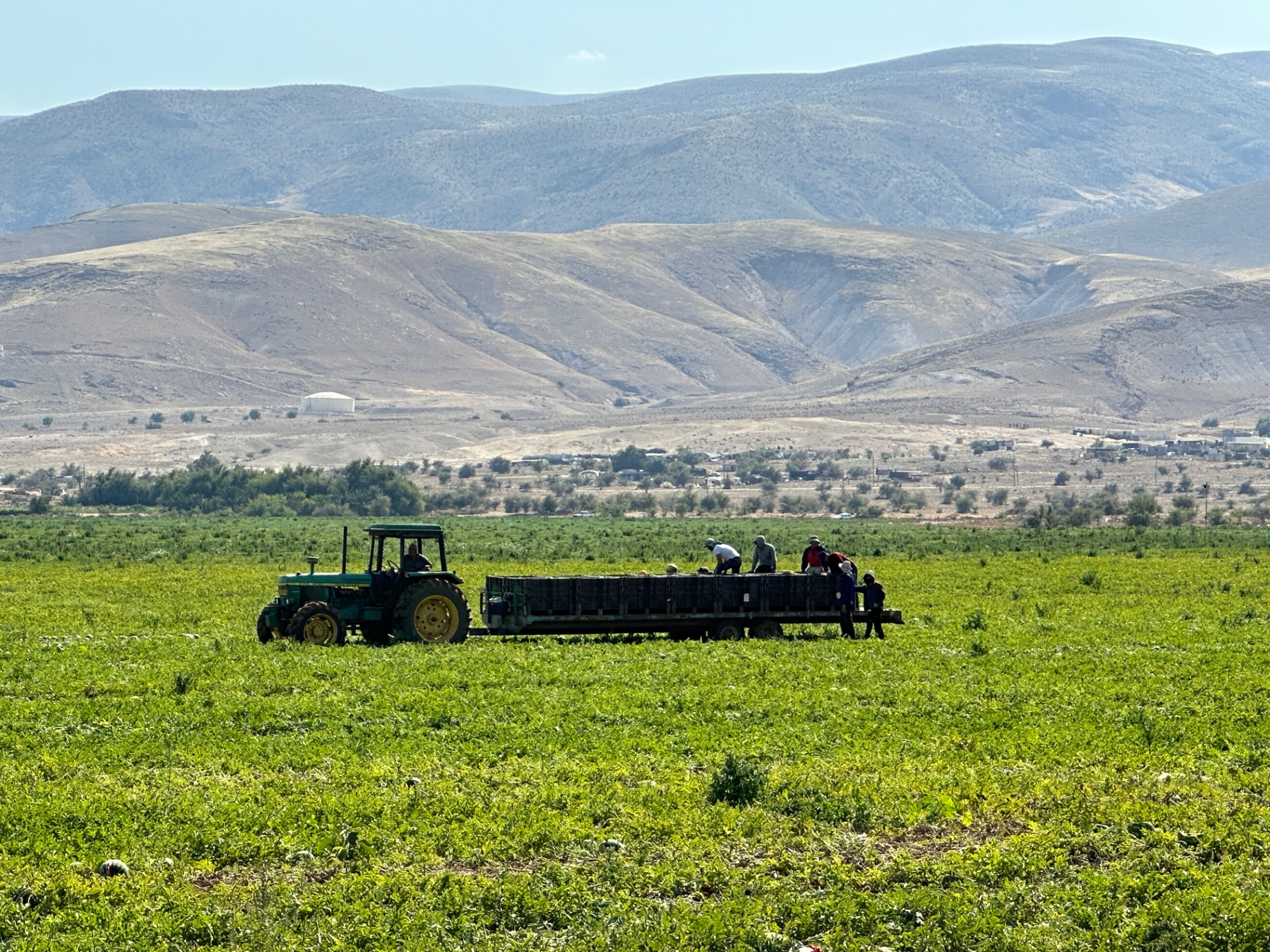
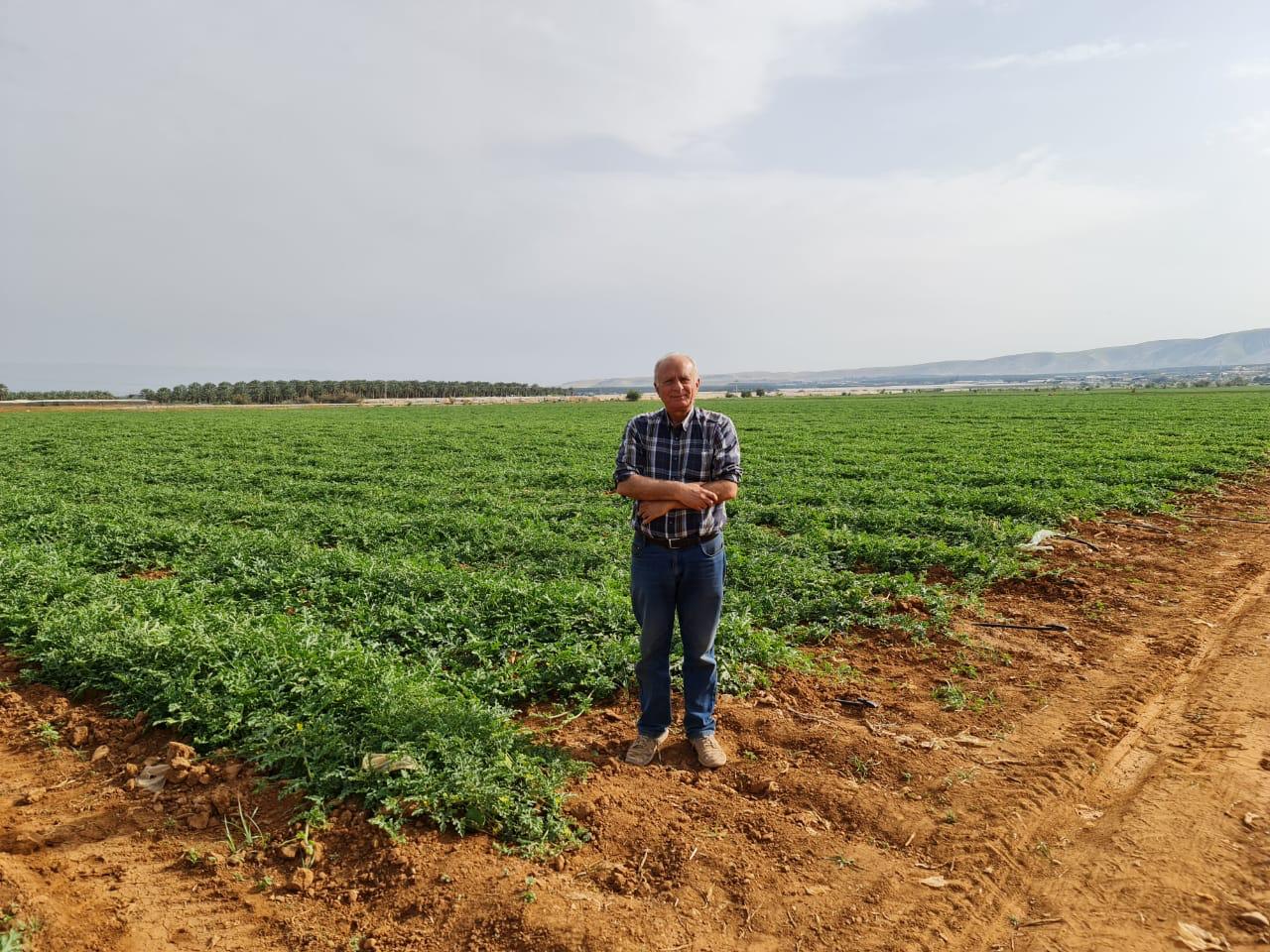
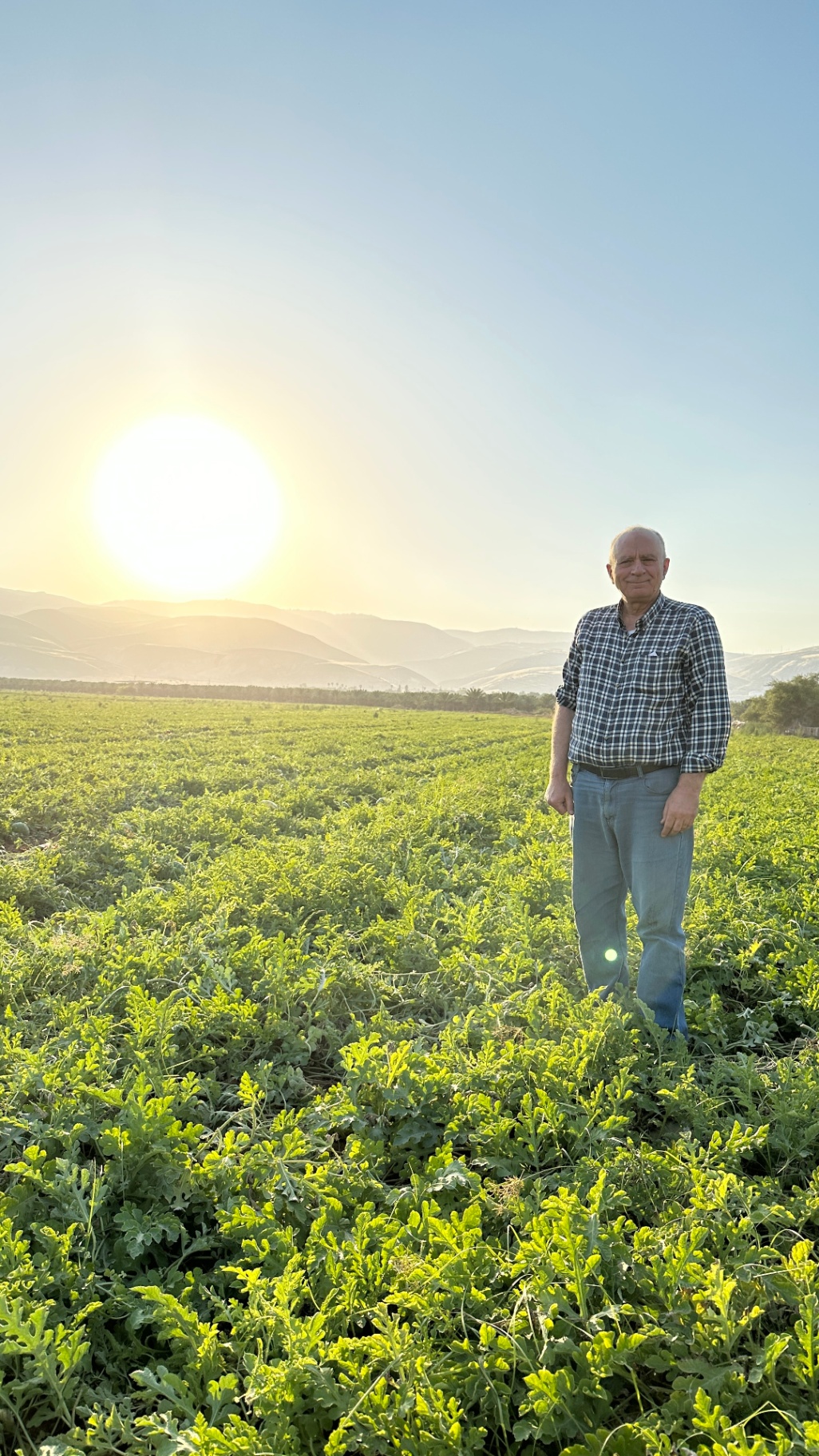
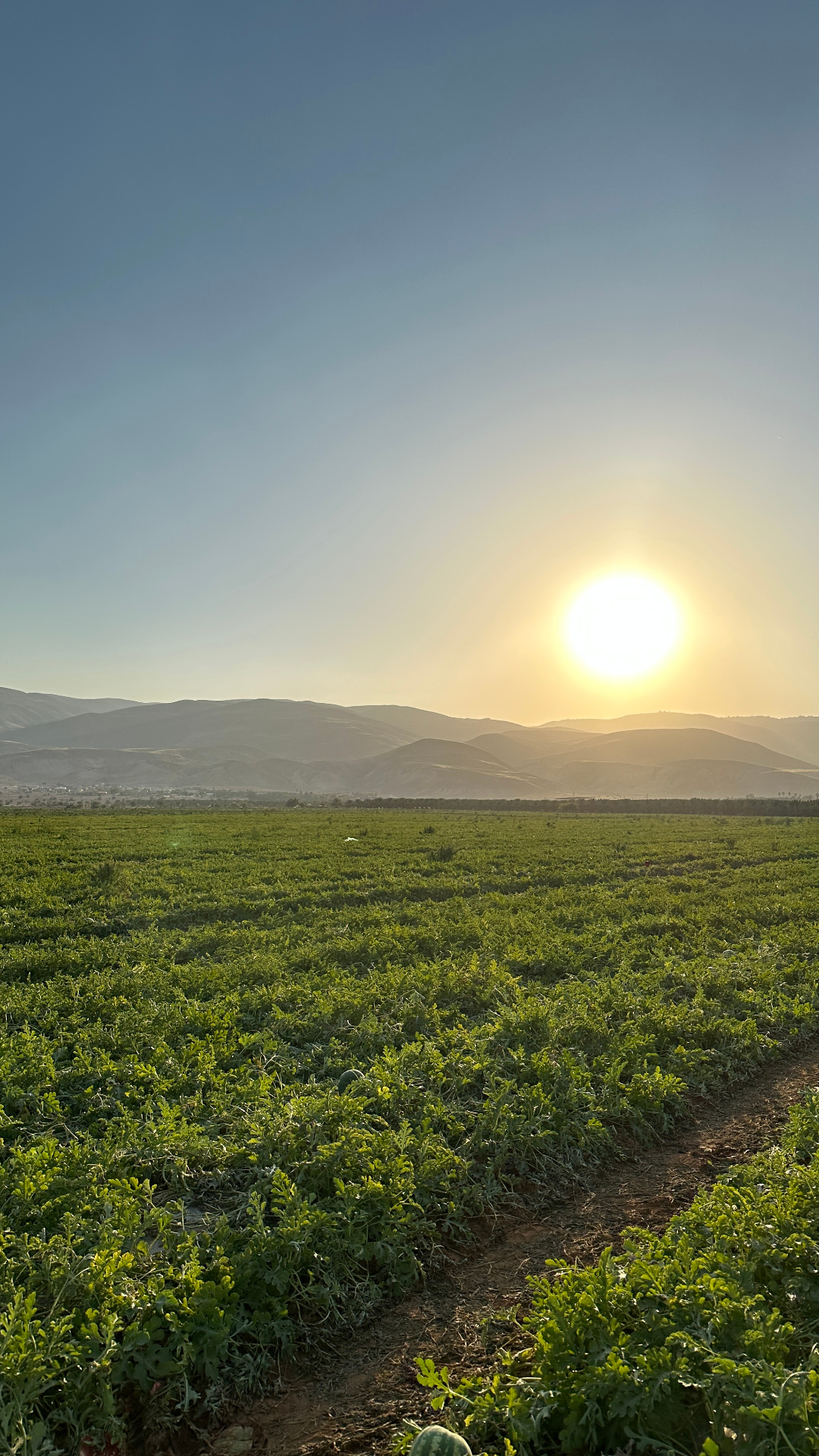
500 dunums of watermelon, 18 greenhouses, harvests year-round.
Saad Oversees the Watermelon Season
SEASON

Saad Oversees the Watermelon Season

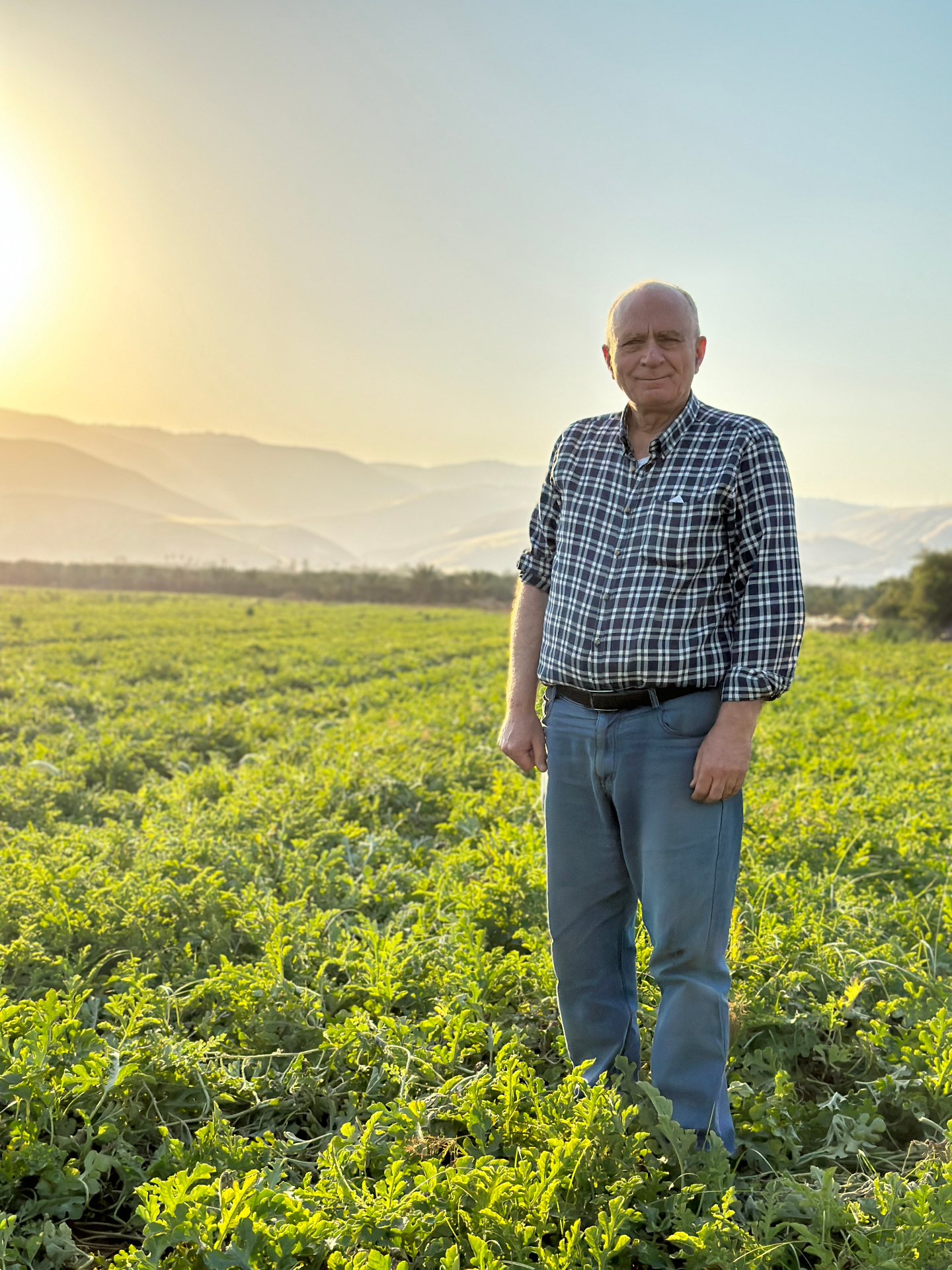
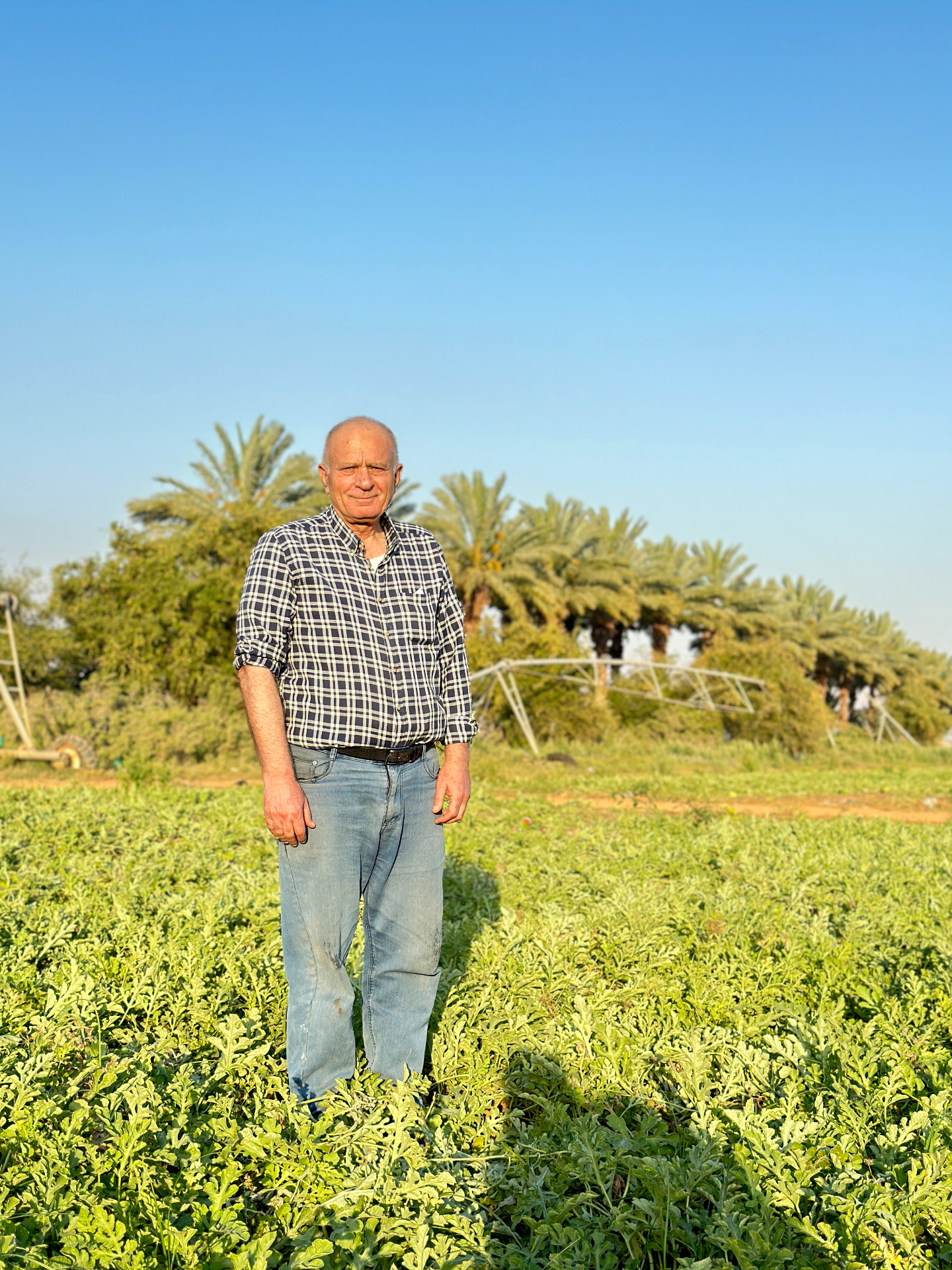
Saad Al-Nimer in the watermelon fields in full growth — 500 dunums of green across the red Fasayel soil, the Jordan Valley hills stretching behind him.

Saad Among the Eggplants
HARVEST

Saad Among the Eggplants

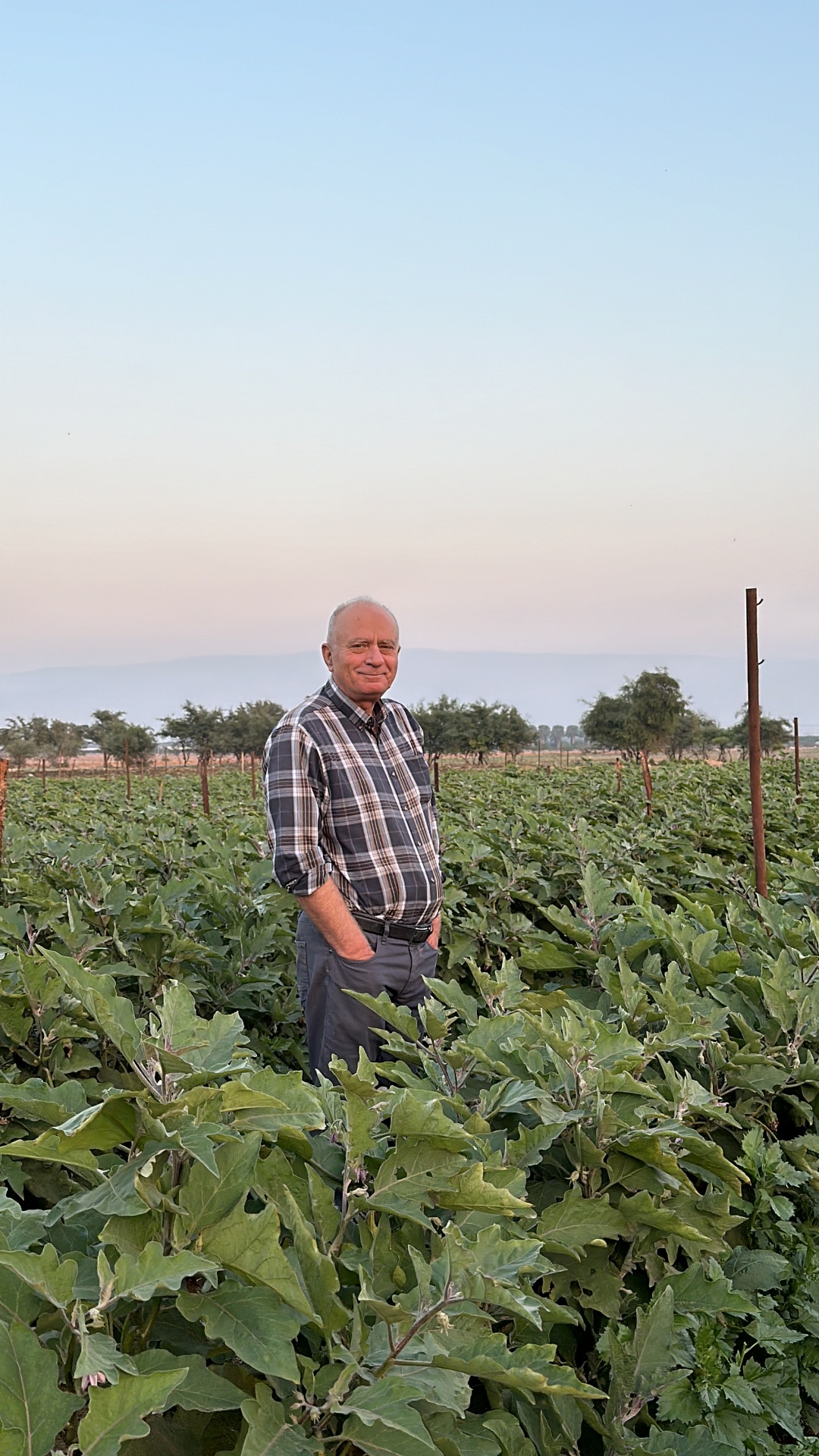
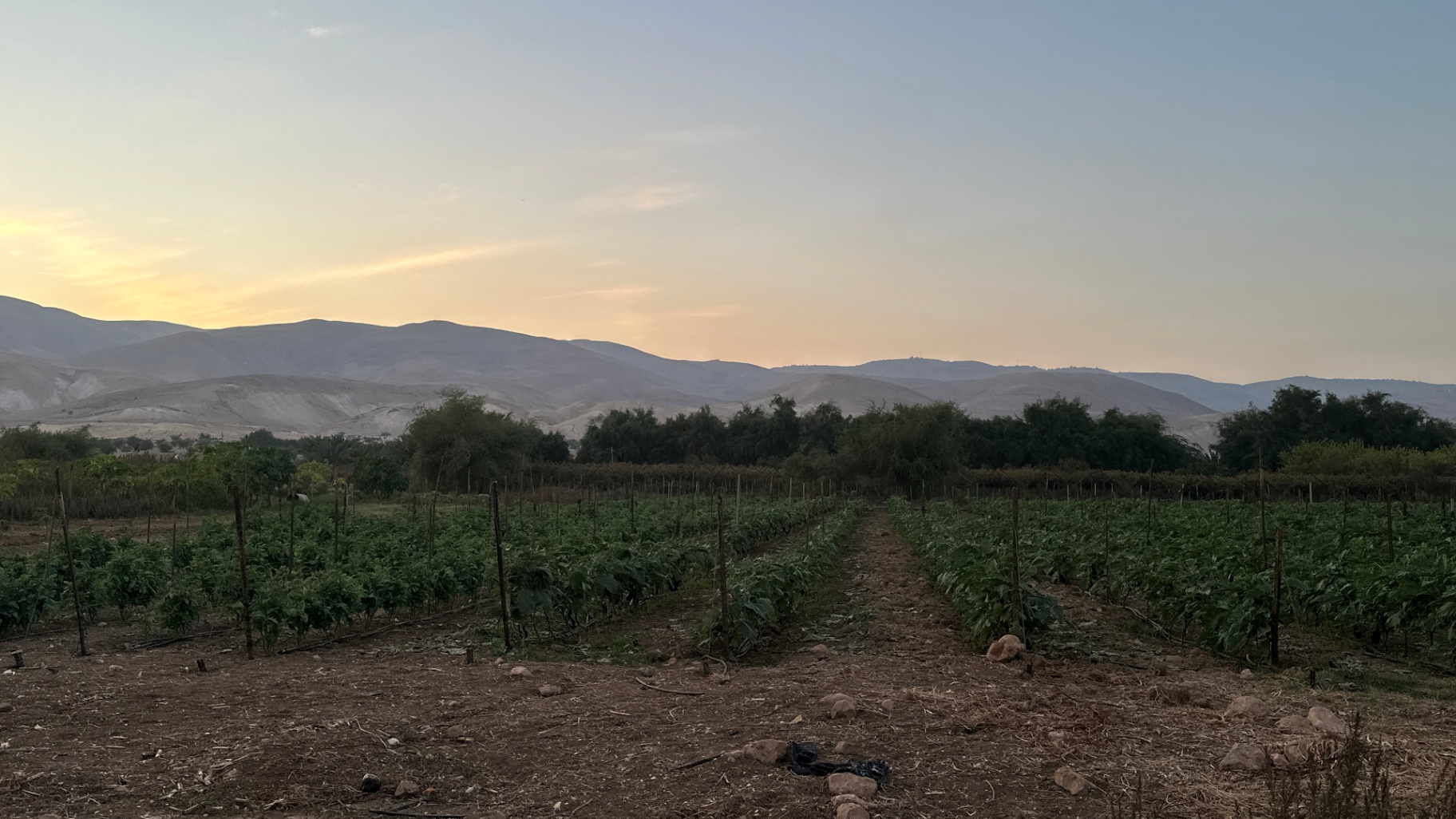
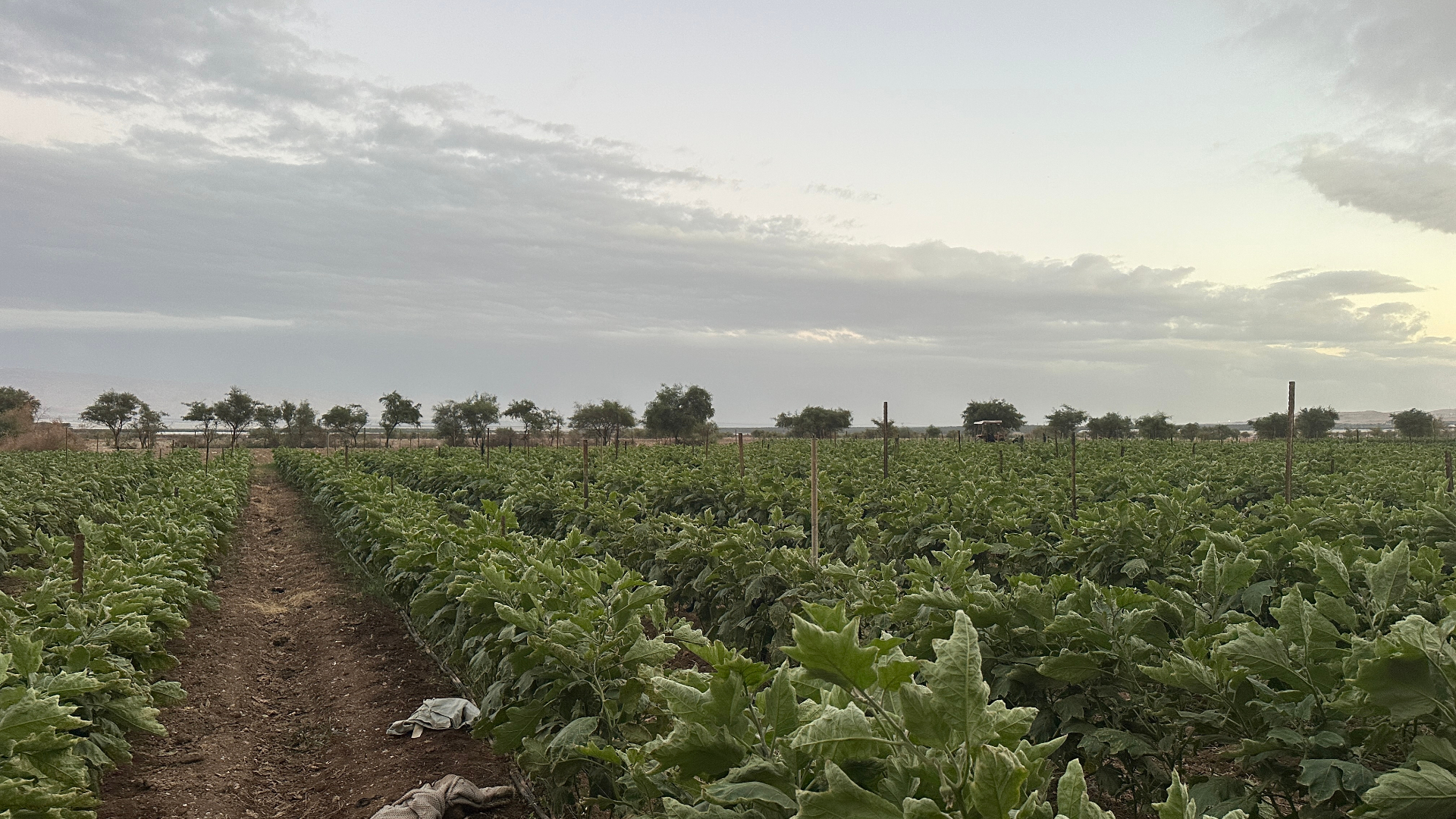
At dusk, Saad Al-Nimer stands in the vegetable fields — the grape trellises behind him, the valley quieting into evening.

Medjoul today
PALMS

Medjoul today

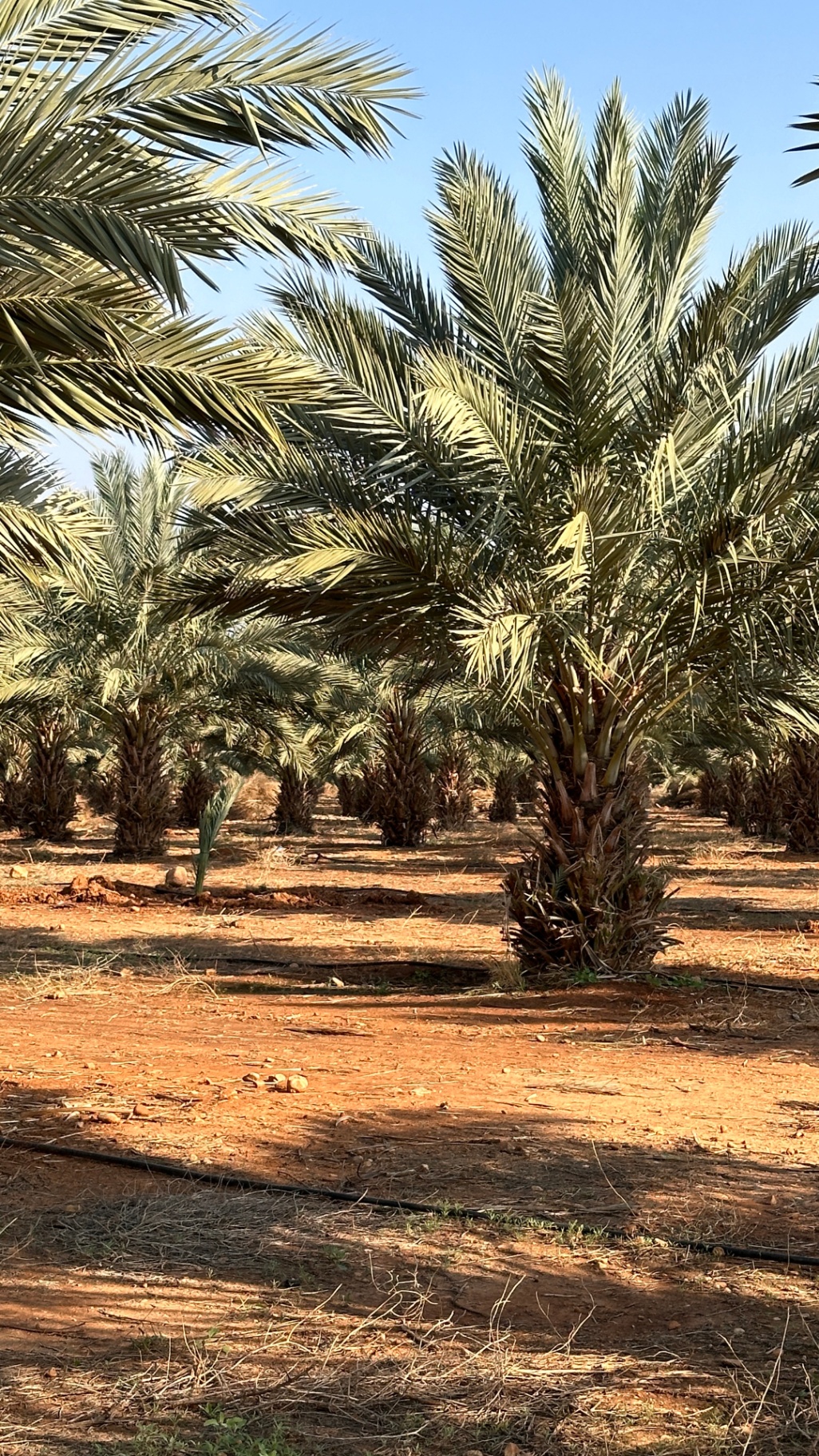
3,150+ palms, over 200 tons of premium dates each September. The grove continues to grow — each mature palm produces new offshoots, raised in the farm's own nursery and replanted across the land.

A living institution
Today

A living institution

Four generations, one soil, one continuous story.

The Through-Line

Water Infrastructure Through Time

Four generations of water engineering on the same soil — from hand-cut channels to smart irrigation, each chapter built on the one before.

  1. 01 · 1890s

    Ras Al-Ein Channels

    Hand-cut spring channels into Fasayel.

  2. 02 · 1890s

    Water-Powered Mill

    Wheat & barley mill at Ras Al-Ein.

  3. 03 · Early 1900s

    First Water Well

    Fahmi's deep well at the heart of the farm.

  4. 04 · 1970s

    Ancient Roman Pool

    40-metre reservoir returned to service.

  5. 05 · Late 1970s

    Underground Pipelines

    Main irrigation line still in use today.

  6. 06 · 2016 — Today

    Smart Irrigation

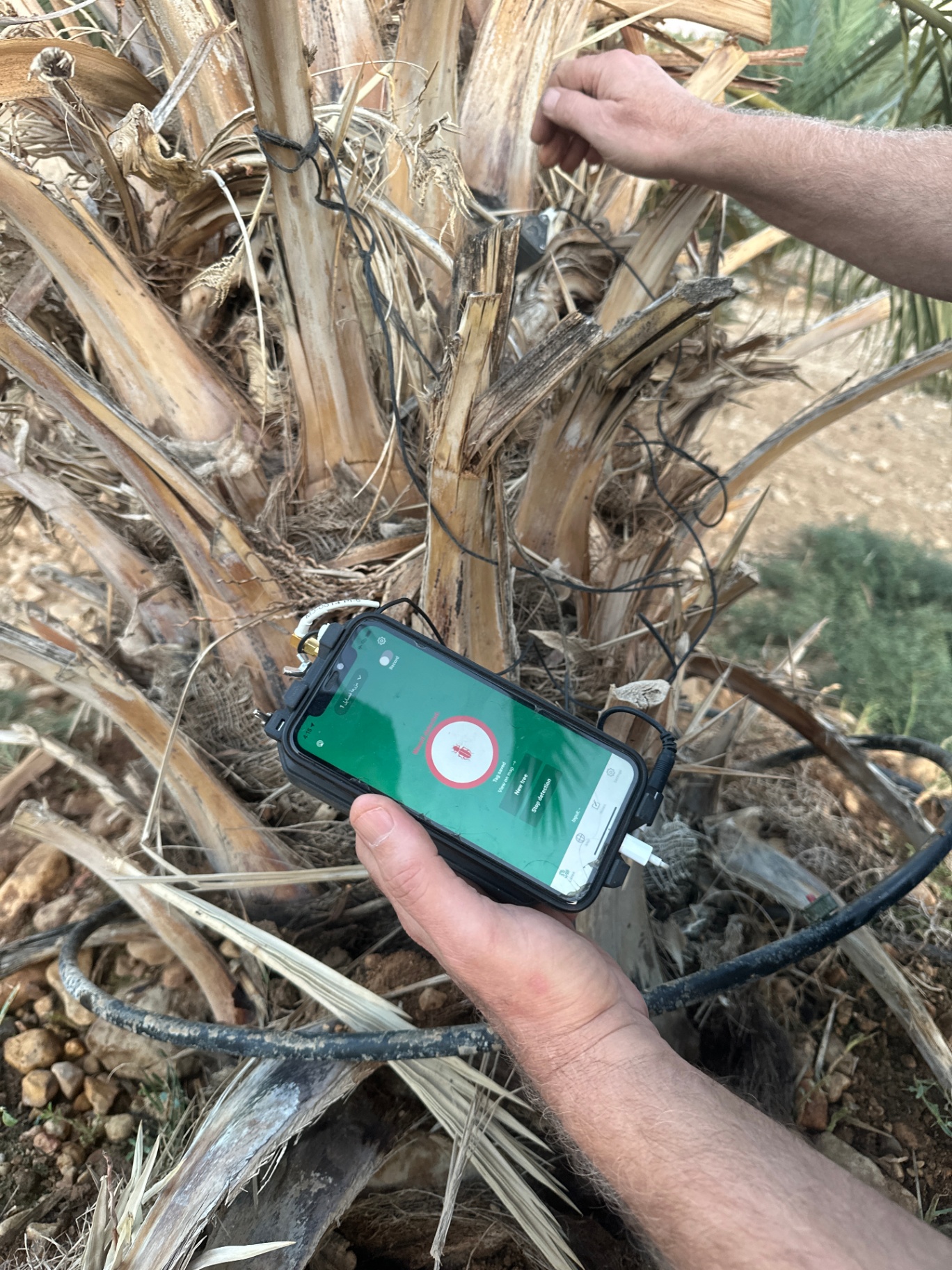
    Drip, center-pivot & sensor networks.

CHANNELS → MILL → WATER WELL → ANCIENT ROMAN POOL → PIPELINES → SMART IRRIGATION

The Album

Four generations, frame by frame.

A visual journey through the family, the land, and the memories that define Fasayel Farms.

Come see what four generations of patience grow.

Land for farmers · Harvests for companies · Heritage for everyone

SEE WHAT WE GROWView The Album